Artwork
General Thomas Swearing in the Volunteers Called into the Service of the United States at Washington, D.C.
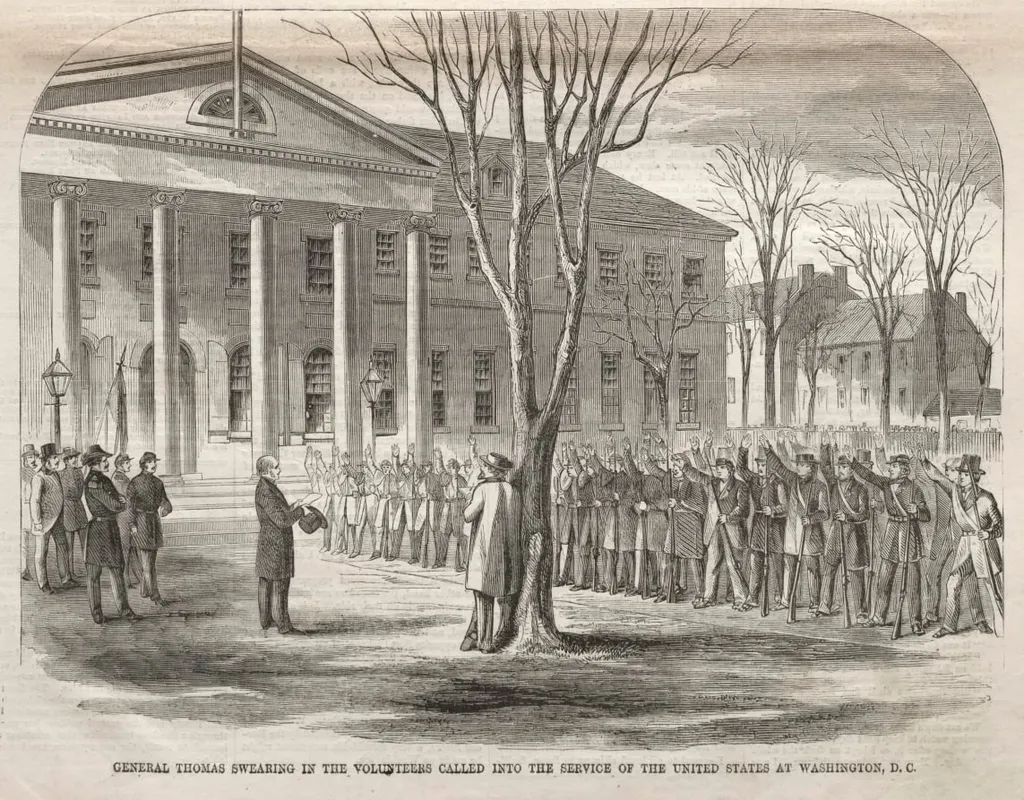
General Thomas Swearing in the Volunteers Called into the Service of the United States at Washington, D.C. is a print by the Impressionist artist Winslow Homer. It dates from 1861 and is held in the collection of the Cleveland Museum of Art.
About this work
This drawing shows a group of men in suits and hats standing outside a big building with columns.
This drawing shows a group of men in suits and hats standing outside a big building with columns. One man in the center holds a hat, talking to a line of soldiers who are raising their hands. The scene looks busy, with bare trees and a streetlamp on the left.
The title says this is about volunteers swearing in for the U.S. military in 1861. Notice how the artist used simple lines to show the crowd and buildings—no fancy details.
Look up Realism next to see how artists showed everyday life this way.
Overview
Created in 1861, this ink and watercolor drawing by Winslow Homer captures a moment of military mobilization in Washington, D.C., at the outset of the Civil War. Though Homer is better known for his later oil paintings and marine scenes, this work reflects his early career as a commercial illustrator, translating current events into accessible visual narratives for a public audience.
Subject & Meaning
The scene depicts civilian volunteers taking the oath of enlistment before a government building with classical columns. Central to the composition is a man in civilian attire, likely an officer, overseeing the oath as men raise their right hands. The moment conveys civic duty and collective resolve, documenting the transition of ordinary citizens into soldiers during a national crisis.
Technique & Style
Homer employs restrained, linear ink strokes and light watercolor washes to suggest form without elaborate detail. The figures are simplified, the architecture minimal, and the background trees bare, emphasizing the cold, early winter atmosphere. This approach aligns with journalistic illustration, prioritizing clarity and immediacy over decorative finish.
History & Provenance
The work was produced during Homer’s tenure as a sketch artist for Harper’s Weekly, where he documented Civil War events firsthand. It was likely created for reproduction in the magazine, intended to inform Northern readers about the scale and solemnity of volunteer recruitment in the capital. Its survival as a standalone drawing reflects its value as both reportage and artistic record.
Context
In early 1861, the Union faced urgent manpower needs after the fall of Fort Sumter. Recruitment drives in Washington drew thousands of volunteers, often from urban backgrounds. Homer’s depiction reflects the civilian-military interface in the capital, capturing a ritual that transformed ordinary men into soldiers amid the uncertainty of a nation divided.
Legacy
This drawing exemplifies Homer’s early commitment to documenting American life with unembellished observation. It stands as a precursor to his mature work, demonstrating how his illustrative training informed his later realist paintings. The piece remains a quiet but significant record of civilian participation in the Civil War’s early phase.
Artist & collection
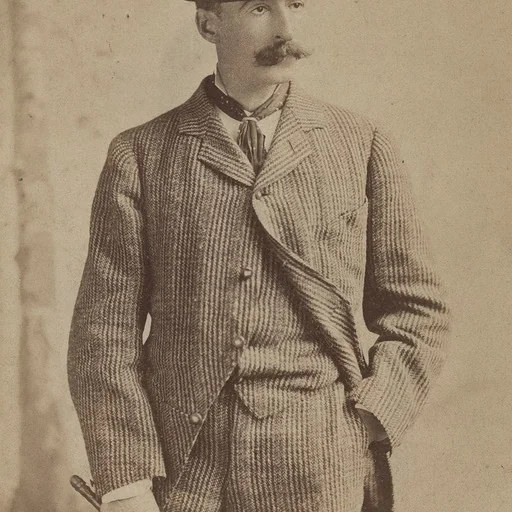
Artist
Winslow Homer (February 24, 1836 – September 29, 1910) was an American landscape painter and illustrator, best known for his marine subjects.

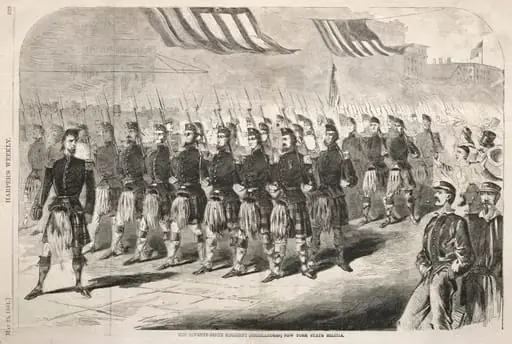 The Seventy-Ninth Regiment (Highlanders) New York State Militia
 First State Election in Detroit, Michigan, 1837
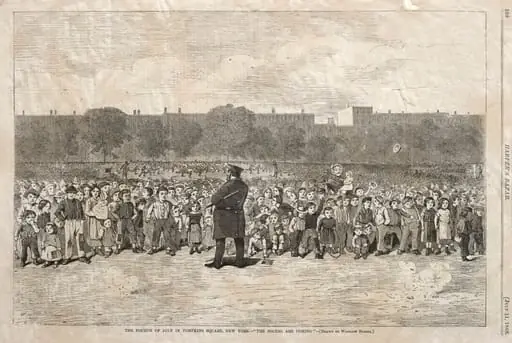 The Fourth of July in Tompkins Square, New York - "The Sogers Are Coming"
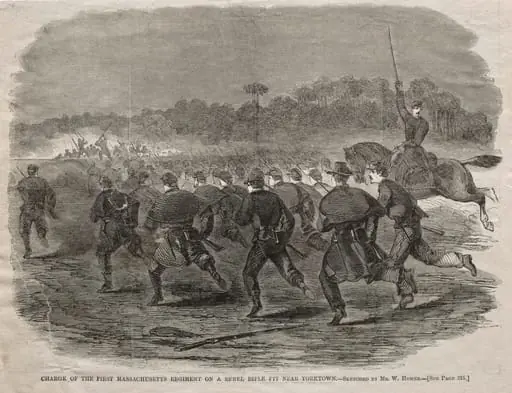 Charge of the First Massachusetts Regiment on a Rebel Rifle Pit near Yorktown
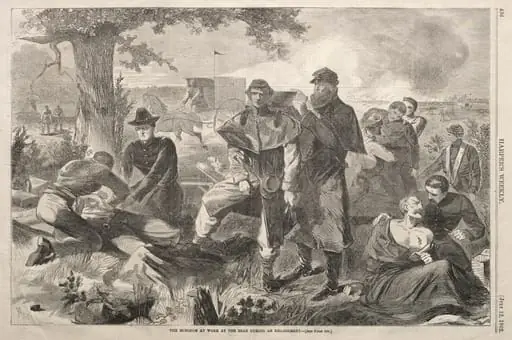 The Surgeon at Work at the Rear during an Engagement
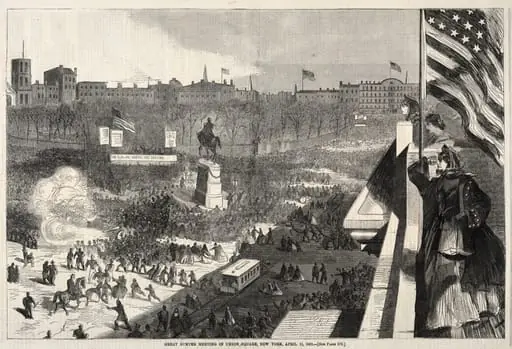 Great Sumter Meeting in Union Square, New York, April 11, 1863
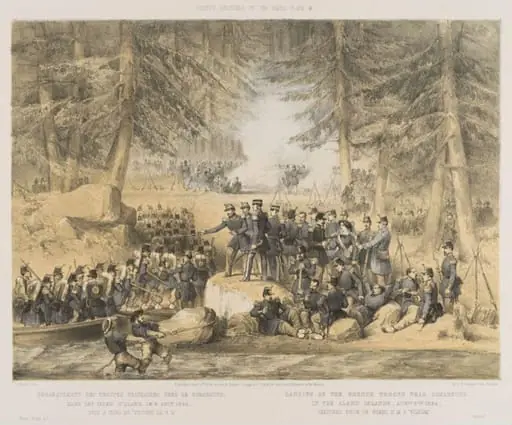 Landing of the French Troops near Bomarsund
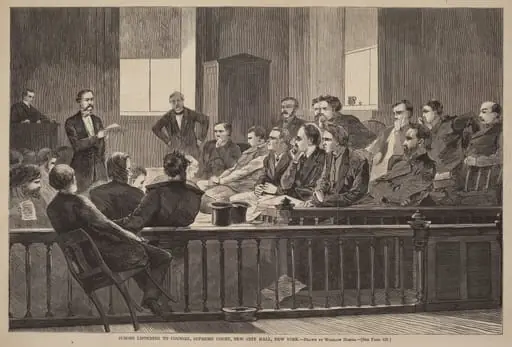 Jurors Listening to Counsel, Supreme Court, New City Hall, New York