Artwork
Holiday in Camp - Soldiers Playing "Foot-Ball"
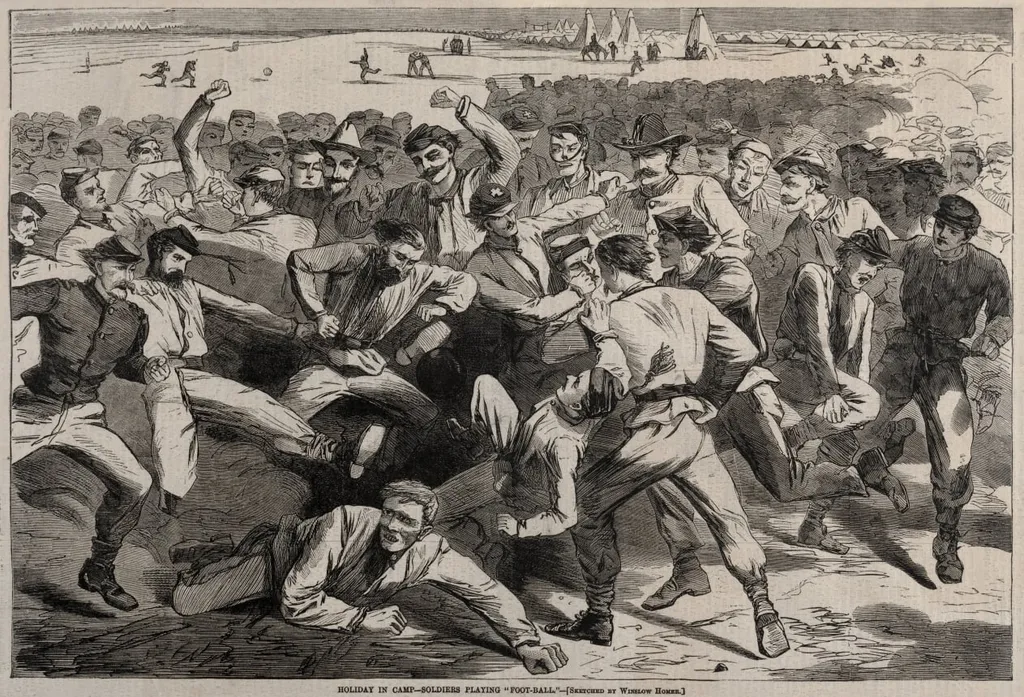
Holiday in Camp - Soldiers Playing "Foot-Ball" is a print by the Impressionist artist Winslow Homer. It dates from 1865 and is held in the collection of the Cleveland Museum of Art.
About this work
The painting is called "Holiday in Camp - Soldiers Playing 'Foot-Ball'" by Winslow Homer.
This work is from 1865, a time when the US was going through big changes. It's interesting that Homer chose to depict soldiers playing a game, showing a lighter side of life.
You can learn more about this style of painting by looking into the movement: Realism.
Overview
The image belongs to a series of illustrations and paintings he produced during and after the war, offering quiet insights into military routine beyond battle.
Created in 1865, *Holiday in Camp – Soldiers Playing 'Foot-Ball'* is a watercolor by Winslow Homer that captures a moment of leisure among Union troops near the end of the Civil War. Though Homer is best known for marine scenes, this work reflects his early focus on documenting everyday life through direct observation. The image belongs to a series of illustrations and paintings he produced during and after the war, offering quiet insights into military routine beyond battle.
Subject & Meaning
The scene portrays soldiers engaged in a rough, informal game resembling early American football, played with minimal equipment and no formal rules. Rather than emphasizing conflict, Homer highlights a pause in military life, suggesting resilience and the human need for recreation amid hardship. The image avoids heroism or sentimentality, instead presenting a grounded, unembellished view of soldiers as individuals seeking normalcy.
Technique & Style
Homer employed transparent watercolor with loose, energetic brushwork to convey movement and atmosphere. The figures are rendered with economical detail, their postures and gestures suggesting spontaneity. Background elements are suggested rather than defined, focusing attention on the players’ interactions. This approach aligns with the Realist tradition, prioritizing truthful observation over idealization or dramatic effect.
History & Provenance
The work originated as a sketch made during Homer’s time as a battlefield illustrator for *Harper’s Weekly*. It was later developed into a finished watercolor after the war ended. The piece remained in private collections for much of the 20th century before entering a public museum collection, where it is now studied as part of Homer’s wartime documentation and the evolution of American genre painting.
Context
In 1865, as the Civil War concluded, Americans sought to reconcile the trauma of conflict with the possibility of national renewal. Homer’s depiction of soldiers at play reflects a broader cultural interest in peacetime rituals and civilian life. The game itself, a precursor to modern football, was still evolving and varied regionally, making this image a rare visual record of early organized physical activity among soldiers.
Legacy
This work contributes to the understanding of how American artists began to shift from grand historical narratives toward intimate, everyday subjects. Homer’s unadorned portrayal of soldiers at rest helped shape the trajectory of American Realism, influencing later generations to find significance in ordinary moments. It remains a key example of how art can document social behavior during times of national transition.
Artist & collection
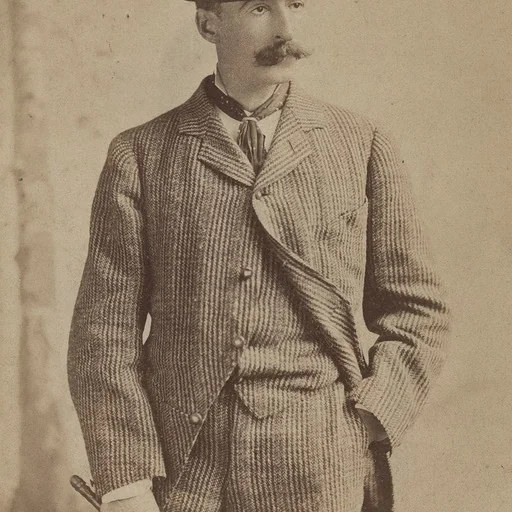
Artist
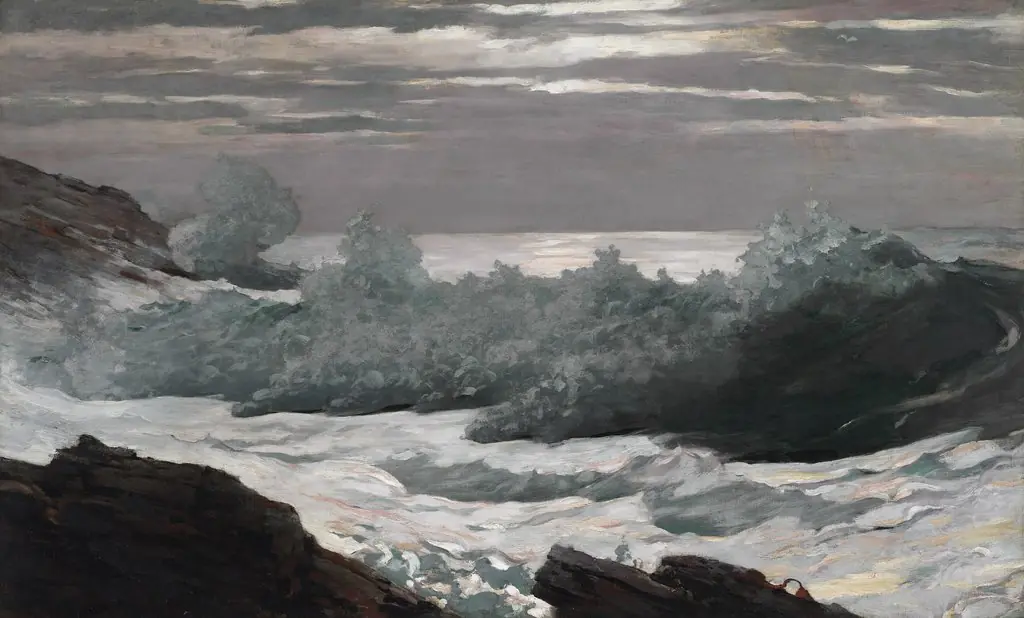
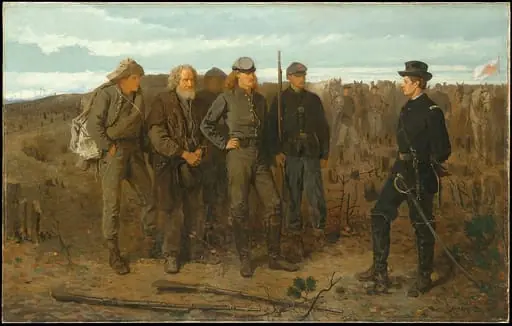
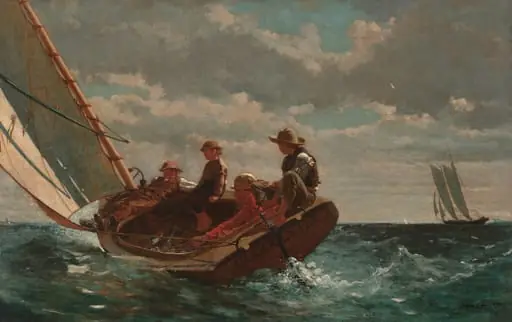
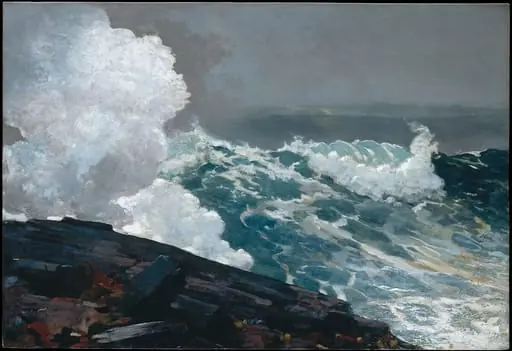
Winslow Homer (February 24, 1836 – September 29, 1910) was an American landscape painter and illustrator, best known for his marine subjects.

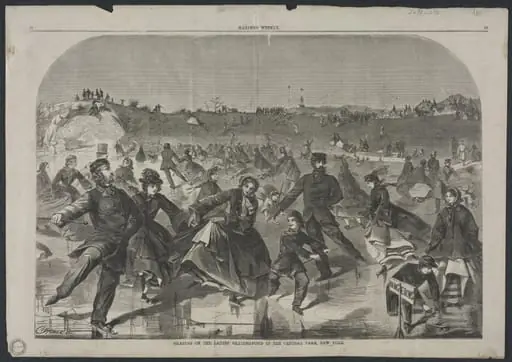 Skating on the Ladies' Skating Pond in Central Park, New York
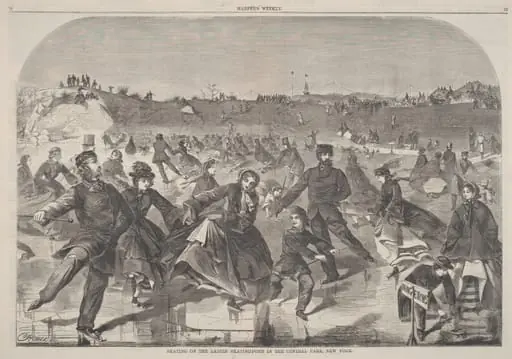 Skating on the Ladies' Skating-Pond in the Central Park, New York
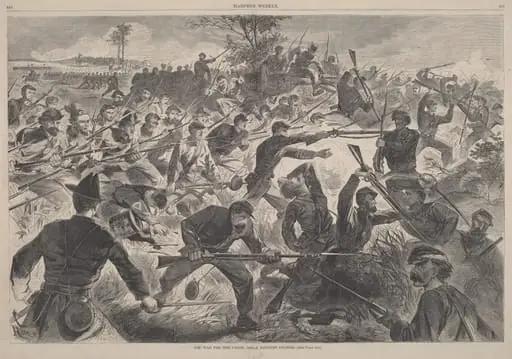 The War for the Union, 1862 - A Bayonet Charge
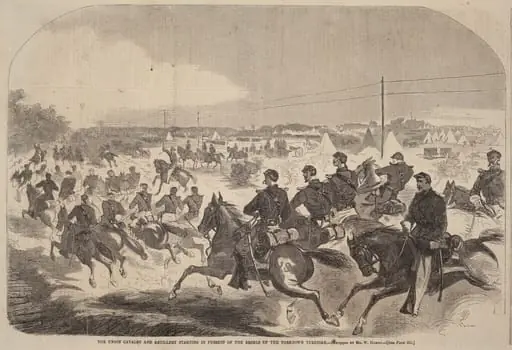 The Union Cavalry and Artillery Starting in Pursuit of the Rebels up the Yorktown Turnpike
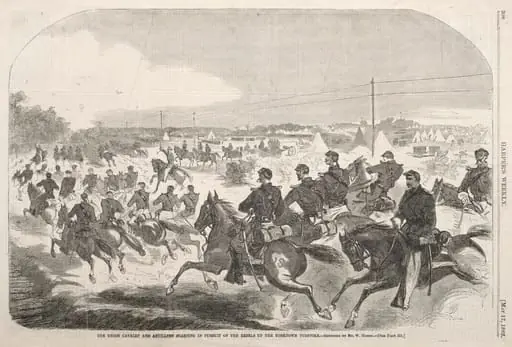 The Union Cavalry and Artillery Starting in Pursuit of the Rebels up the Yorktown Turnpike
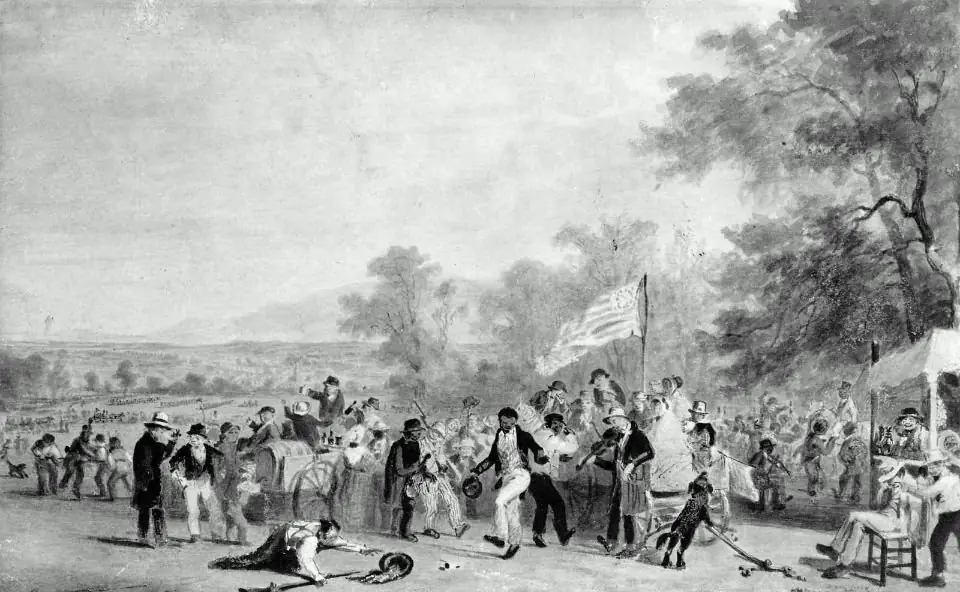 Study for "Militia Training": Composition (in reverse)
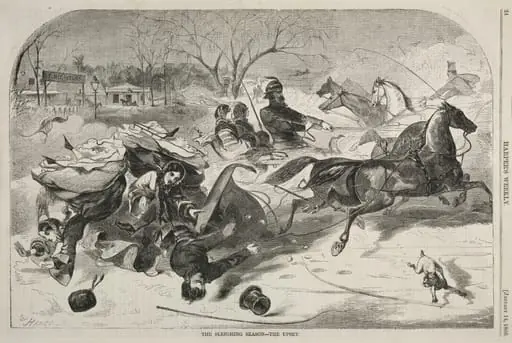 The Sleighing Season - The Upset
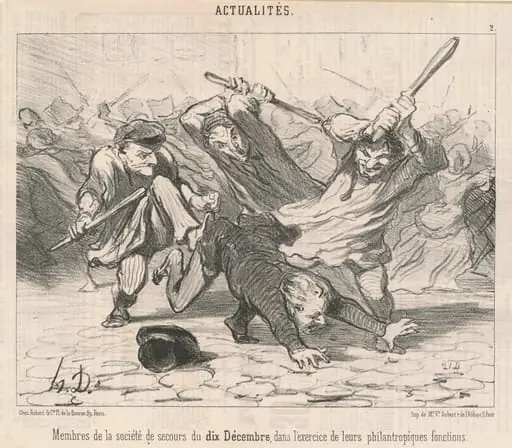 Membres de la société de secours du Dix-Décembre ...