Artwork
Nahum Capen, Esq., Postmaster of Boston
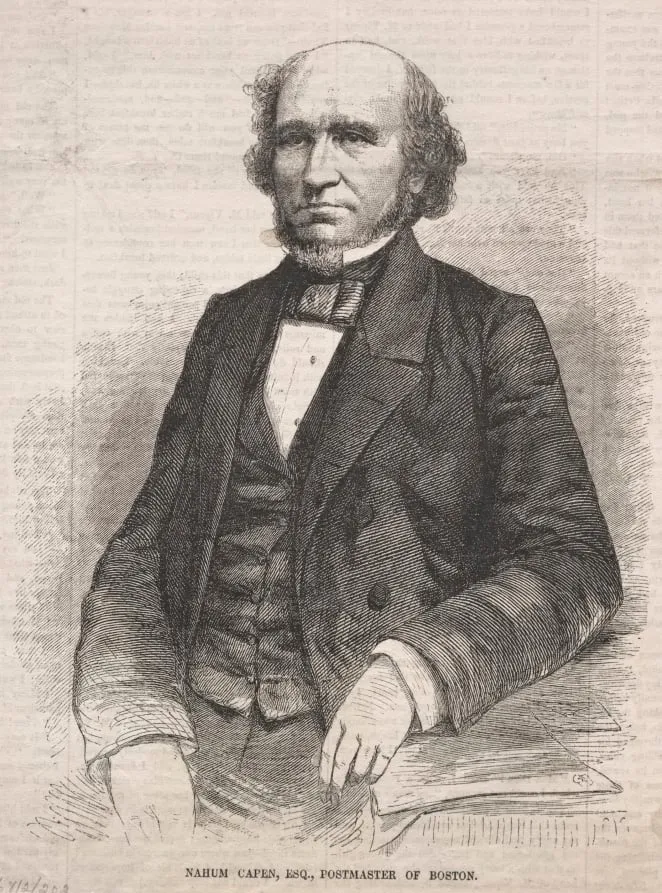
Nahum Capen, Esq., Postmaster of Boston is a print by the Impressionist artist Winslow Homer. It dates from 1859 and is held in the collection of the Cleveland Museum of Art.
About this work
Overview
Executed in a restrained, linear style, it was likely produced as a commissioned piece to honor Capen’s public role, emphasizing dignity over embellishment.
This black-and-white print is a portrait of Nahum Capen, Postmaster of Boston, created by Winslow Homer in 1859. Though Homer later gained recognition for his marine scenes and landscapes, this early work reflects his commercial illustration roots. Executed in a restrained, linear style, it was likely produced as a commissioned piece to honor Capen’s public role, emphasizing dignity over embellishment.
Subject & Meaning
Nahum Capen is depicted as a solemn, middle-aged man with a balding head and neatly trimmed beard, dressed in a dark suit and bow tie. His hands rest on a stack of official papers, suggesting administrative duty and responsibility. The inscription identifying him by title reinforces his civic standing. The portrait conveys authority through quiet composure, avoiding theatricality in favor of factual representation.
Technique & Style
Homer rendered the portrait using precise linework and tonal shading, characteristic of his early graphic work. The absence of color and the clarity of form reflect his training as a commercial illustrator. The composition is tightly focused, with minimal background detail, directing attention to Capen’s posture and expression. The technique prioritizes clarity and legibility over atmospheric effect.
History & Provenance
Created during Homer’s early career, before he fully transitioned to fine art painting, this print was likely produced for public or institutional use. It aligns with 19th-century practices of commissioning portraits of civic officials. Its survival as a printed image suggests it was reproduced or distributed, possibly for display in post offices or public buildings associated with Capen’s role.
Context
In the late 1850s, American artists increasingly turned to realistic depictions of everyday figures, including professionals and public servants. Homer’s portrait of Capen fits within this trend, reflecting a cultural emphasis on civic duty and individual merit. Unlike grand historical or romanticized portraits, this work presents its subject without idealization, aligning with emerging realist values.
Legacy
This portrait stands as an early example of Homer’s ability to convey character through understated means. While not among his most famous works, it illustrates the foundation of his observational approach—attention to posture, expression, and detail—that would later define his paintings. It also documents the visual culture of American civic life in the pre-Civil War era.
Artist & collection
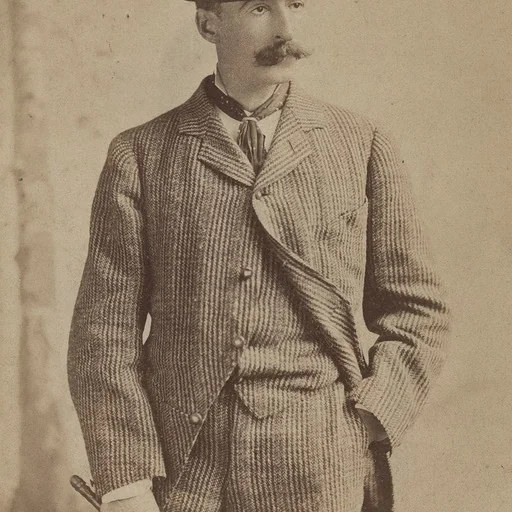
Artist
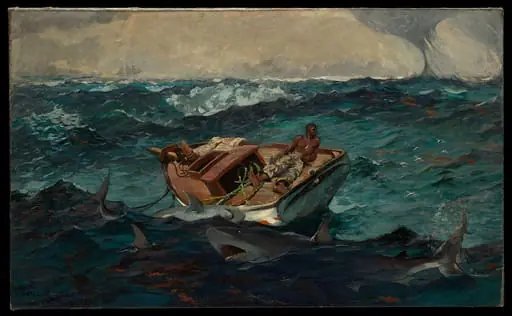
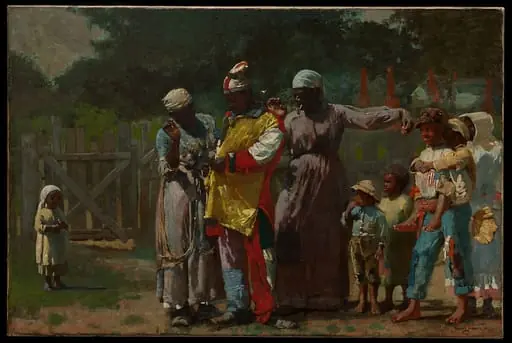
Winslow Homer (February 24, 1836 – September 29, 1910) was an American landscape painter and illustrator, best known for his marine subjects.

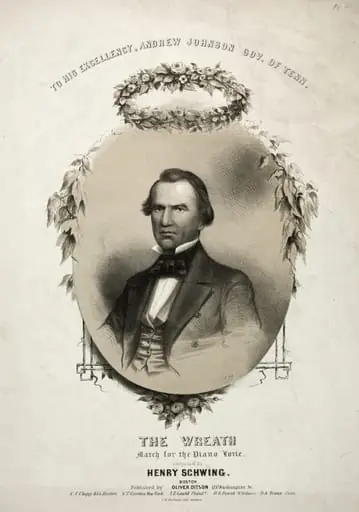 The Wreath - Sheet Music Cover
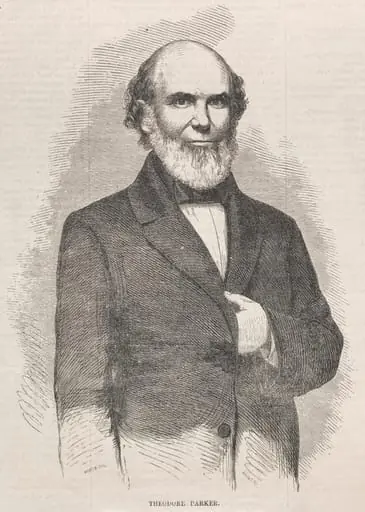 Theodore Parker
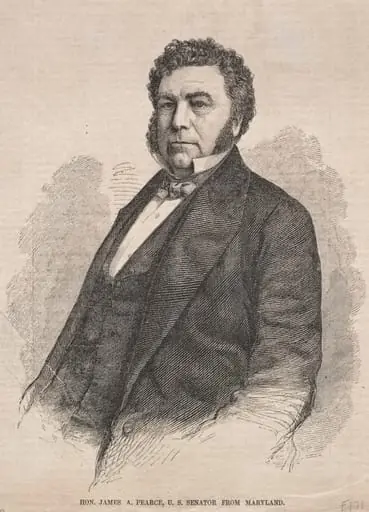 Hon. James A. Pearce, U. S. Senator from Maryland
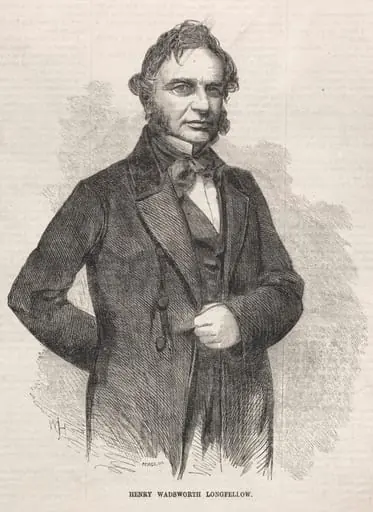 Henry Wadsworth Longfellow
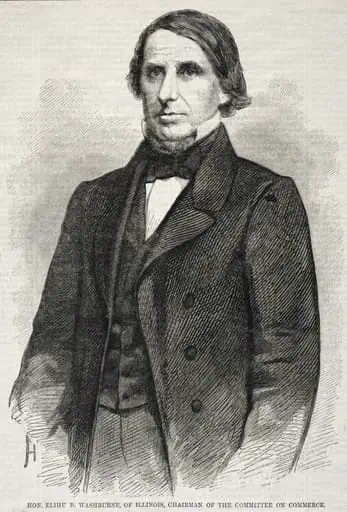 Hon. Elihu B. Washburne, of Illinois, Chairman of the Committee on Commerce
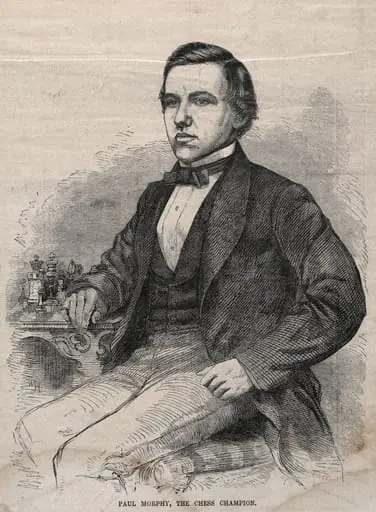 Paul Morphy, The Chess Champion
 Hon. Stephen A. Douglas
 Eugène Delacroix
 The Late Rev. Dr. Murray
 Edward L Davenport