Artwork
Theodore Parker
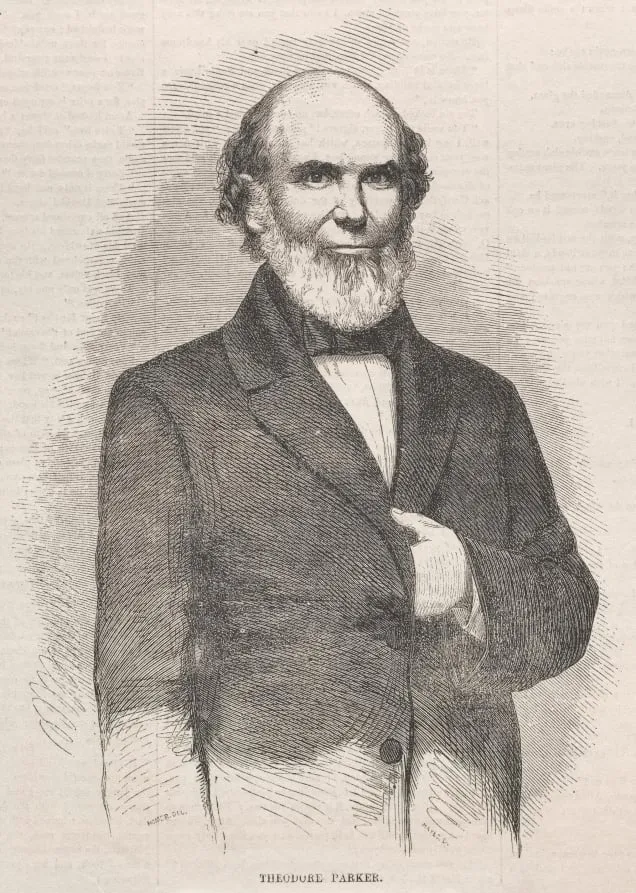
Theodore Parker is a print by the Impressionist artist Winslow Homer. It dates from 1858 and is held in the collection of the Cleveland Museum of Art.
About this work
The painting depicts a man with a receding hairline and a beard, wearing a dark jacket over a white shirt and a bow tie.
The painting depicts a man with a receding hairline and a beard, wearing a dark jacket over a white shirt and a bow tie. He is shown from the waist up, with his right hand resting on his chest.
The man's expression is serious, and his eyes seem to be looking directly at the viewer. The background of the painting is a light color, which helps to highlight the subject's features.
This portrait was painted by Winslow Homer in 1858 and is an example of Realism. To learn more about the artist's techniques, look up chiaroscuro.
Overview
Winslow Homer produced this portrait of Theodore Parker in 1858, early in his career as a visual artist. At the time, Homer was gaining recognition for his illustrations and was beginning to shift toward fine art. The work is a graphite and watercolor on paper, not an oil painting as sometimes misstated. It is held in the collection of The Cleveland Museum of Art and reflects Homer’s emerging interest in capturing individual character through direct observation.
Subject & Meaning
Theodore Parker was a prominent Unitarian minister, abolitionist, and social reformer known for his radical views on slavery and civil rights. Homer’s portrayal emphasizes Parker’s intensity and moral gravity. The direct gaze and restrained posture suggest a man engaged in quiet conviction rather than public oratory. The portrait functions as a visual testament to Parker’s influence in antebellum intellectual circles, rendered without embellishment or idealization.
Technique & Style
Homer employed a restrained palette and precise draftsmanship, using graphite and watercolor to define form with clarity. Light washes of color define the shirt and tie, while the dark jacket anchors the composition. Subtle contrasts in tone, particularly around the face and hands, create depth without dramatic chiaroscuro. The background is left largely unmodeled, drawing focus to the subject’s face and posture, characteristic of Homer’s early commitment to realism over theatricality.
History & Provenance
Created during Homer’s years as a freelance illustrator for publications like Harper’s Weekly, the portrait was likely made for a private or editorial commission. It remained in private hands until acquired by The Cleveland Museum of Art in the 20th century. Its survival as a relatively modest work from Homer’s pre-Oil period offers insight into his development as an artist before he turned fully to landscape and marine subjects.
Context
In 1858, the United States was deeply divided over slavery, and Parker was a vocal critic of the Fugitive Slave Act. Homer, though not yet politically outspoken in his art, chose to depict a figure emblematic of moral resistance. The portrait aligns with a broader trend in American illustration of the time: using portraiture to convey civic virtue and intellectual authority during a period of national crisis.
Legacy
This portrait stands as one of Homer’s earliest serious attempts at capturing psychological depth in a single figure. Though overshadowed by his later marine scenes, it reveals his foundational skill in observation and composition. Scholars note its role in tracing Homer’s transition from commercial illustrator to a painter of quiet, enduring human presence — a trajectory that would define his artistic legacy.
Artist & collection
Artist
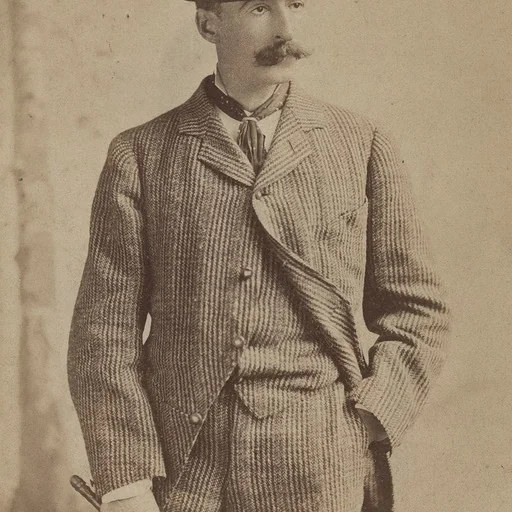
Winslow Homer (February 24, 1836 – September 29, 1910) was an American landscape painter and illustrator, best known for his marine subjects.

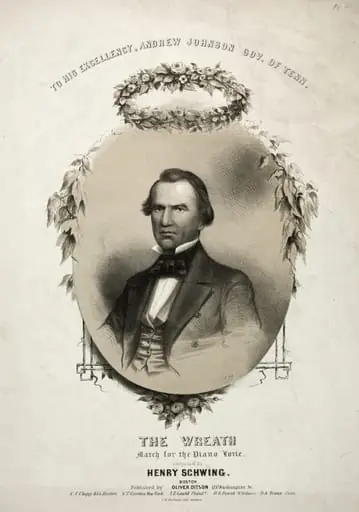 The Wreath - Sheet Music Cover
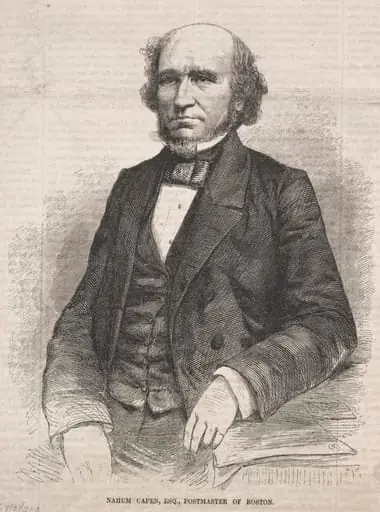 Nahum Capen, Esq., Postmaster of Boston
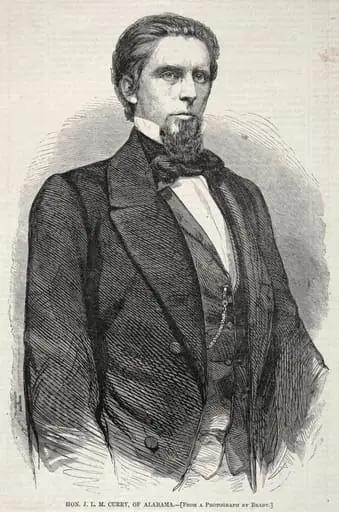 Hon. J. L. M. Curry of Alabama
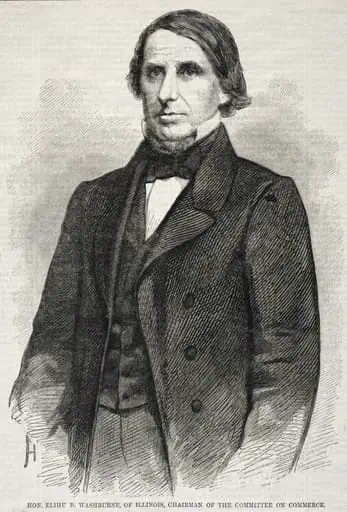 Hon. Elihu B. Washburne, of Illinois, Chairman of the Committee on Commerce
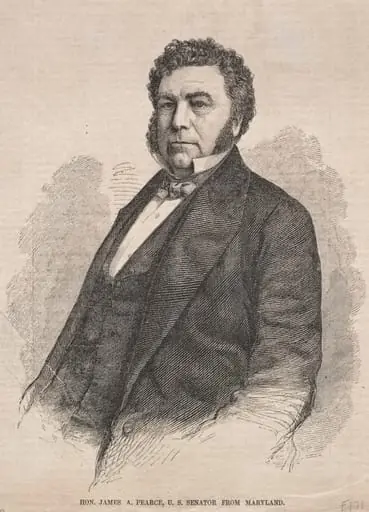 Hon. James A. Pearce, U. S. Senator from Maryland
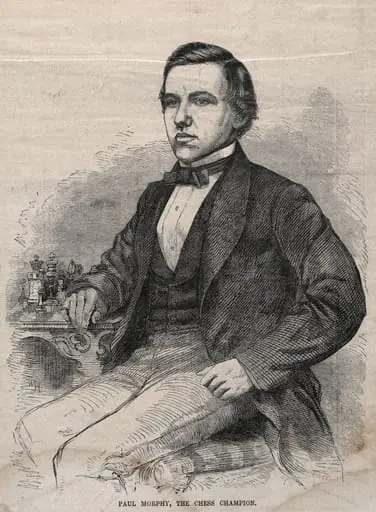 Paul Morphy, The Chess Champion
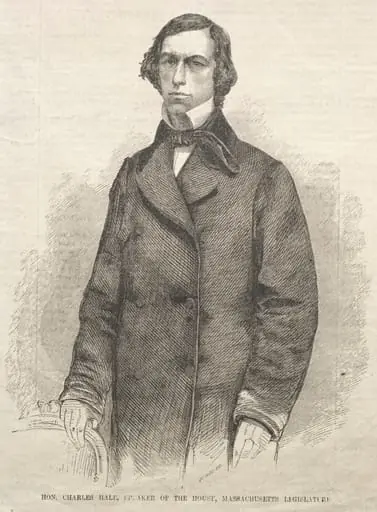 Hon. Charles Hale, Speaker of the House, Massachusetts Legislature
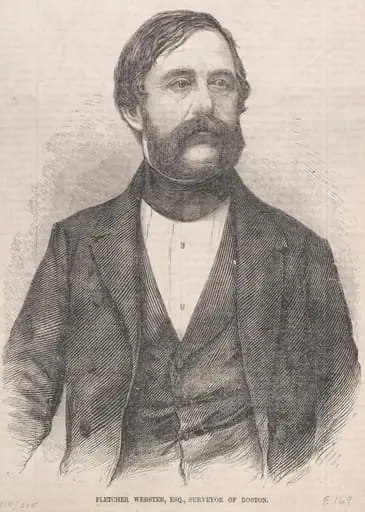 Fletcher Webster, Esq., Surveyor of Boston
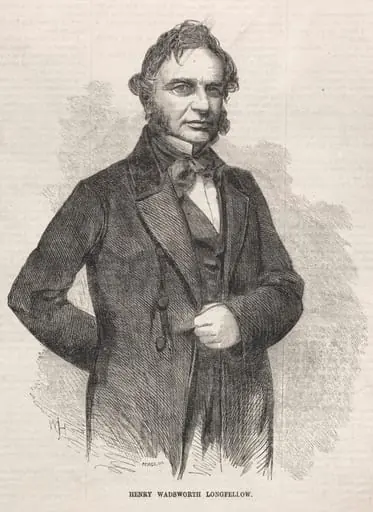 Henry Wadsworth Longfellow
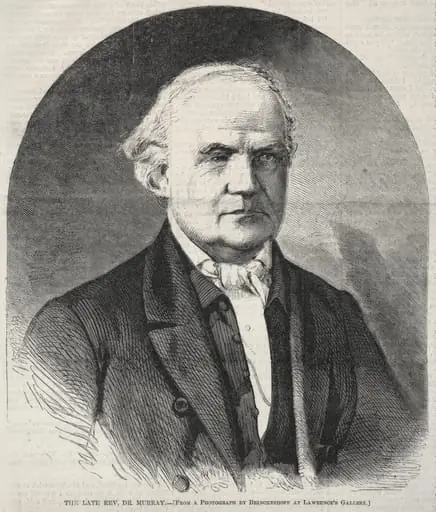 The Late Rev. Dr. Murray
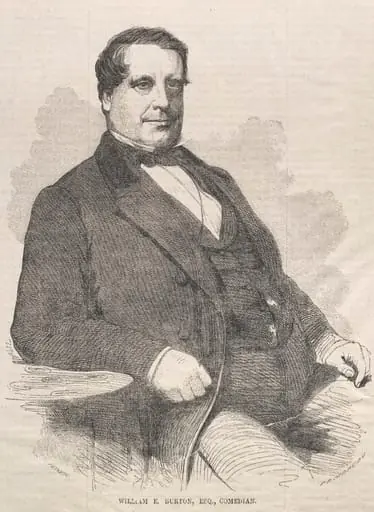 William E. Burton, Esq., Comedian
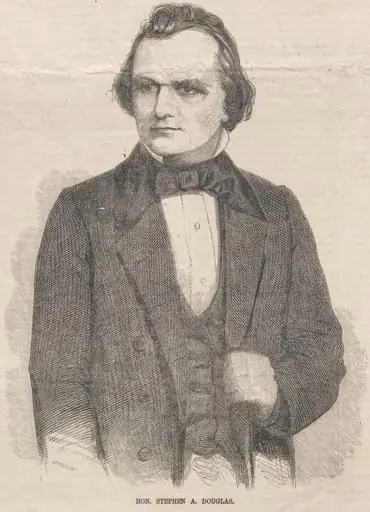 Hon. Stephen A. Douglas