Artwork
Hon. Roger B. Taney, Chief Justice of the United States
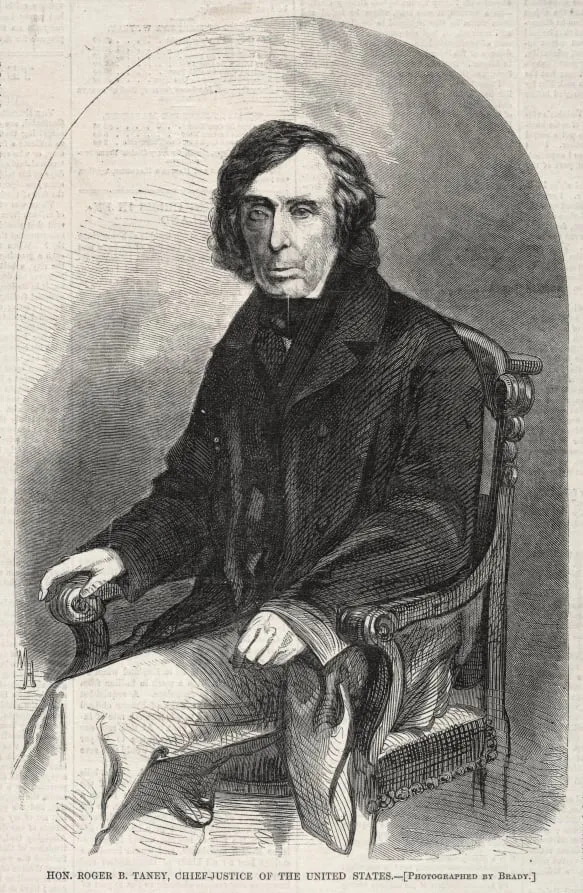
Hon. Roger B. Taney, Chief Justice of the United States is a print by the Impressionist artist Winslow Homer. It dates from 1860 and is held in the collection of the Cleveland Museum of Art.
About this work
Overview
Though best known for marine scenes, he undertook this commissioned likeness of a prominent legal figure.
Winslow Homer produced this portrait in 1860, early in his transition from illustration to fine art. Though best known for marine scenes, he undertook this commissioned likeness of a prominent legal figure. The work reflects his developing skill in capturing character through precise observation and controlled lighting, marking a departure from his commercial roots toward more serious portraiture.
Subject & Meaning
Roger B. Taney, Chief Justice of the U.S. Supreme Court from 1836 to 1864, is portrayed with solemnity and direct engagement. His gaze meets the viewer without expression, conveying authority and restraint. The portrait does not idealize; instead, it presents a man defined by his position during a turbulent era in American jurisprudence, particularly as the nation edged toward civil conflict.
Technique & Style
Homer employs chiaroscuro to model Taney’s form against a dark, neutral background, enhancing three-dimensionality without ornamental distraction. The rendering of fabric, hair, and facial structure is meticulous but restrained, avoiding theatricality. Brushwork is controlled, emphasizing texture and volume rather than emotional flourish, aligning with the subject’s judicial gravitas and the artist’s emerging realist approach.
History & Provenance
Commissioned during Taney’s tenure as Chief Justice, the portrait was likely intended for institutional or familial display. It remained in private hands after Taney’s death in 1864 and entered public collections decades later. Its survival reflects its status as a rare non-marine work by Homer, offering insight into his versatility and the demand for portraiture among legal elites of the period.
Context
Created in the year before the Civil War, the portrait captures a key figure in a deeply divided nation. Taney’s authorship of the Dred Scott decision in 1857 had intensified sectional tensions. Homer’s unadorned depiction avoids political commentary, yet the stillness of the image resonates with the weight of legal authority at a moment when the judiciary’s role was under intense scrutiny.
Legacy
This portrait stands as one of Homer’s few formal likenesses of a public official, distinguishing it within his oeuvre. While not widely exhibited during his lifetime, it now serves as a visual anchor for understanding how American artists engaged with institutional power. Its restrained realism influenced later generations seeking to portray authority without sentimentality.
Artist & collection
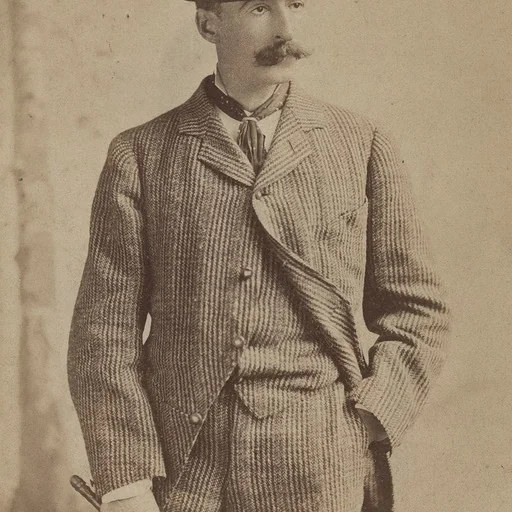
Artist
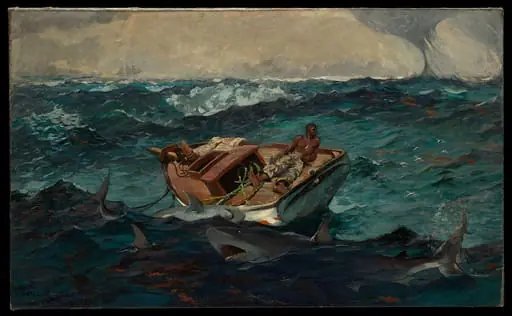
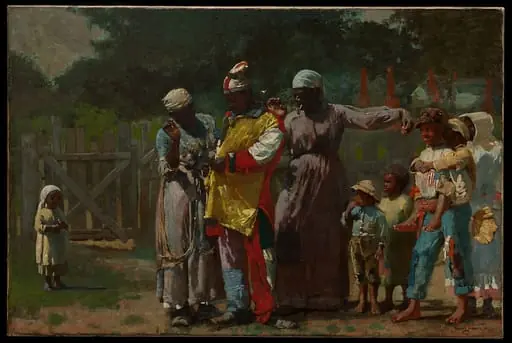
Winslow Homer (February 24, 1836 – September 29, 1910) was an American landscape painter and illustrator, best known for his marine subjects.

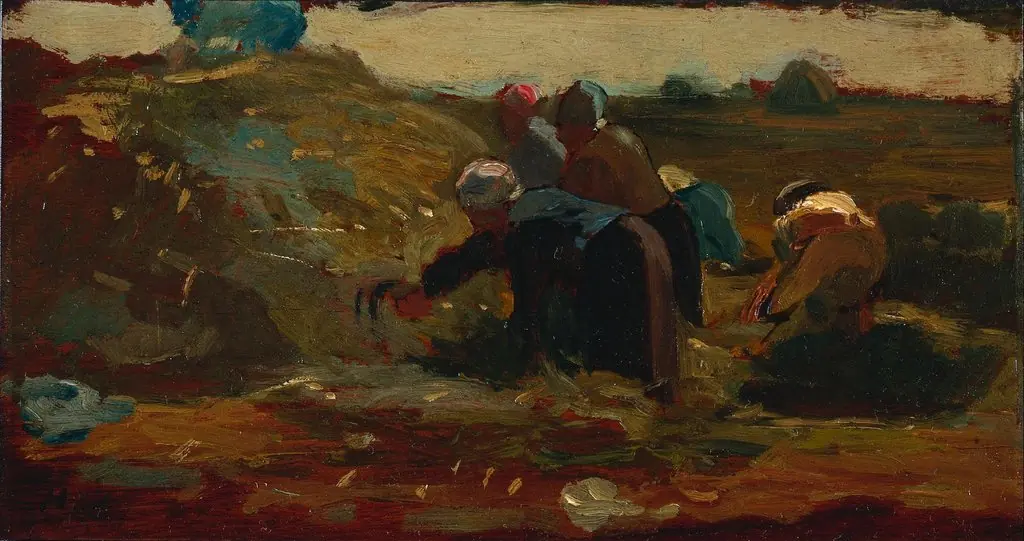
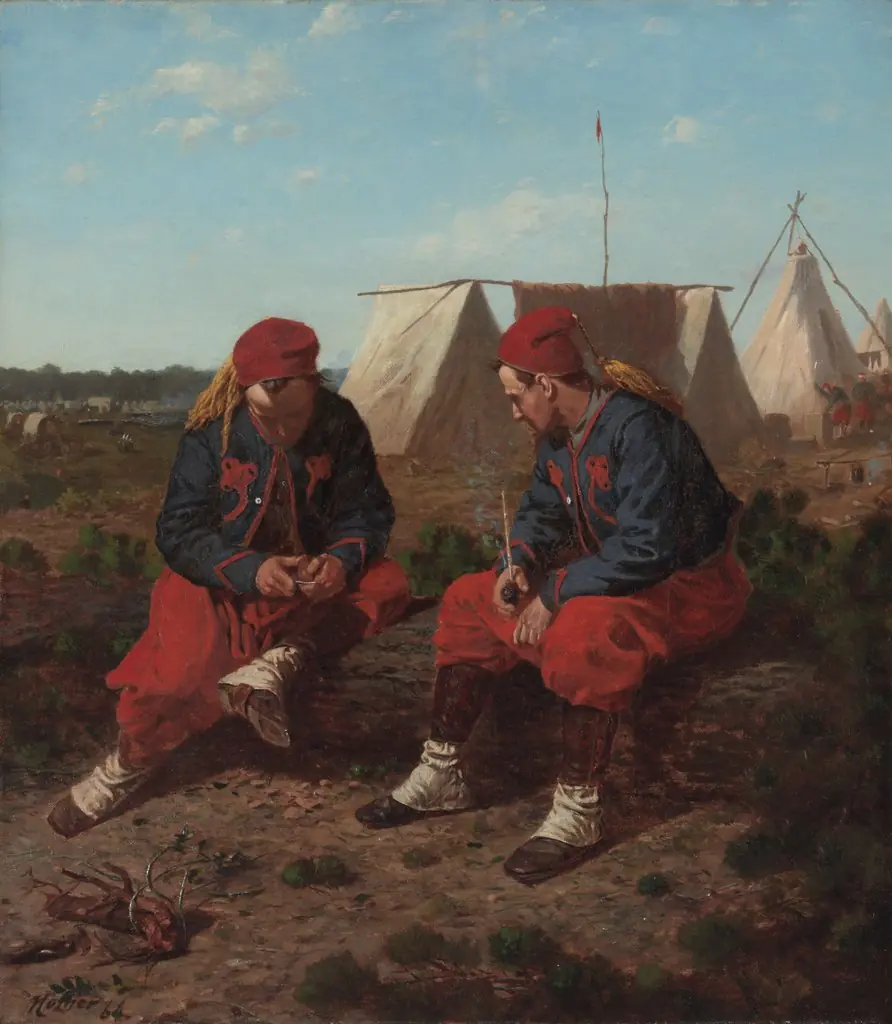
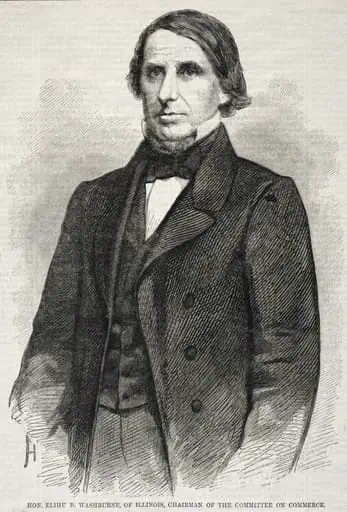 Hon. Elihu B. Washburne, of Illinois, Chairman of the Committee on Commerce
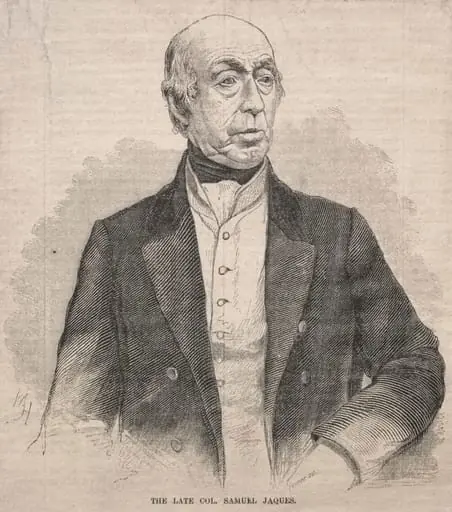 The Late Col. Samuel Jaques
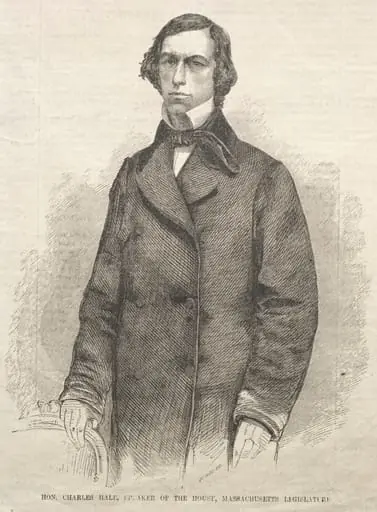 Hon. Charles Hale, Speaker of the House, Massachusetts Legislature
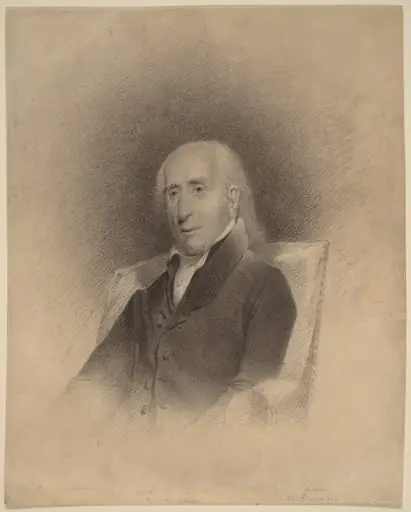 Portrait of a Seated Man
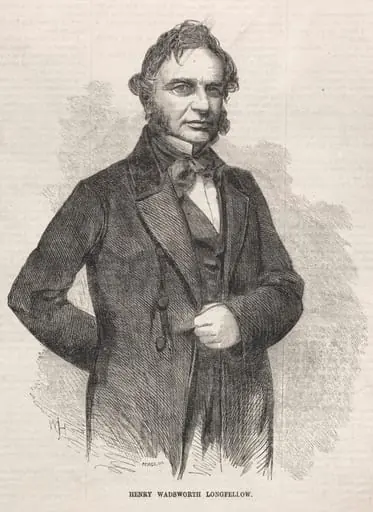 Henry Wadsworth Longfellow
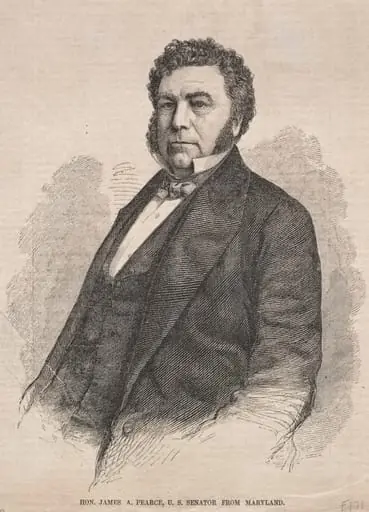 Hon. James A. Pearce, U. S. Senator from Maryland
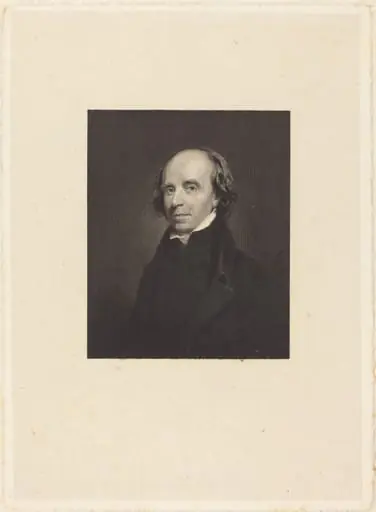 John Flaxman
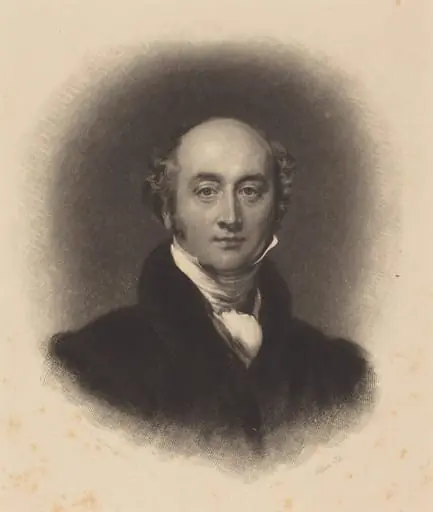 Sir Thomas Lawrence
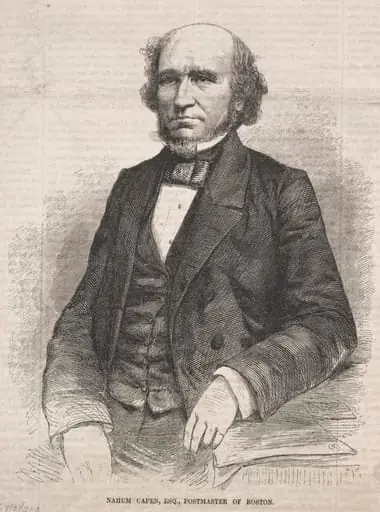 Nahum Capen, Esq., Postmaster of Boston
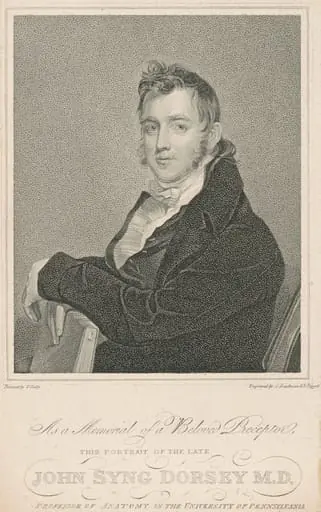 John Syng Dorsey, M.D.
 Guy Little Theatrical Photograph
 Guy Little Theatrical Photograph