Artwork
Indian Camp, Roberval, P.Q.
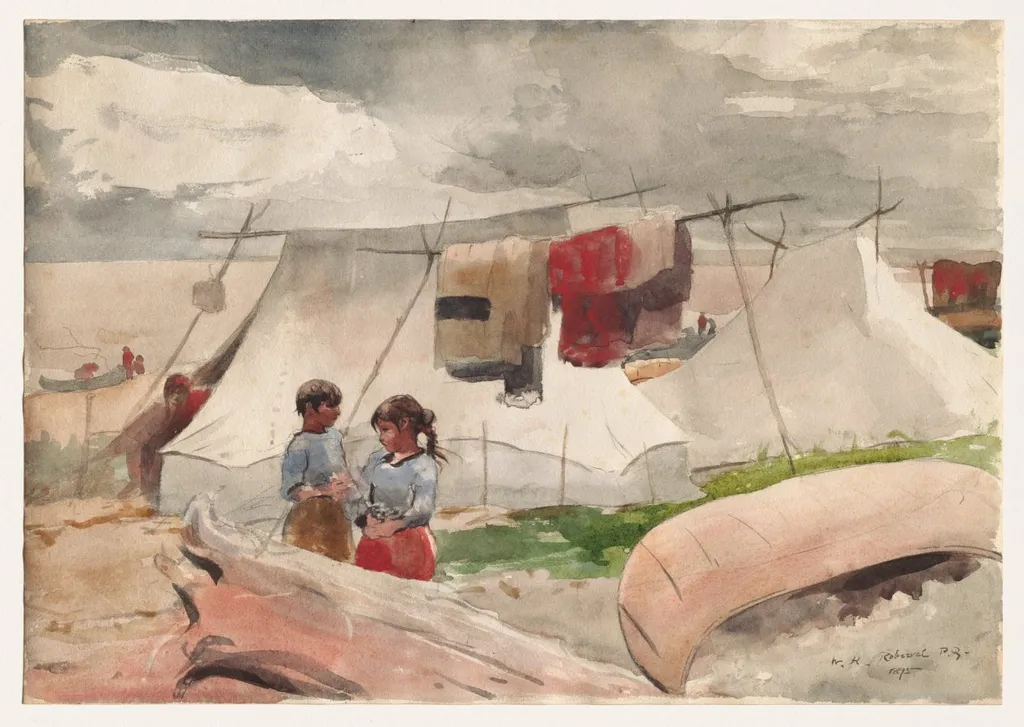
Indian Camp, Roberval, P.Q. is a drawing by the Impressionist artist Winslow Homer. It dates from 1895 and is held in the collection of the Cleveland Museum of Art. Indian Camp, Roberval, P.
About this work
Overview
Indian Camp, Roberval, P.Q. is a watercolor drawing created by Winslow Homer in 1895 during a fishing expedition to Lake St. John, Quebec, Canada. The work depicts a serene scene of Montagnais Indians at Pont Bleue.
Subject & Meaning
The drawing shows a tranquil moment with three Montagnais figures in a canoe on calm, dark water near a rocky shore. One man rows from the back, while two women, wrapped in blankets, face him. The scene conveys a sense of everyday life and quiet interaction.
Technique & Style
Characterized by loose brushwork, the piece showcases Homer's direct watercolor technique, applying colors wet-on-wet to capture the play of sunlight on water and shadows on rocks, achieving a fresh and spontaneous effect.
History & Provenance
Created in 1895 as part of a set of 25 watercolors from the same Canadian trip, distinguishing itself by Homer's unconventional approach of working directly in watercolor without preliminary sketches.
Context
Painted during a period of increased interest in Native American life, the work reflects Homer's observational approach to depicting indigenous communities, focusing on mundane moments rather than stereotypical or dramatic scenes.
Legacy
Indian Camp, Roberval, P.Q. exemplifies Homer's innovative watercolor techniques and his capacity to find beauty in ordinary life, influencing subsequent generations of artists in capturing subtle, naturalistic moments.
Artist & collection
Artist
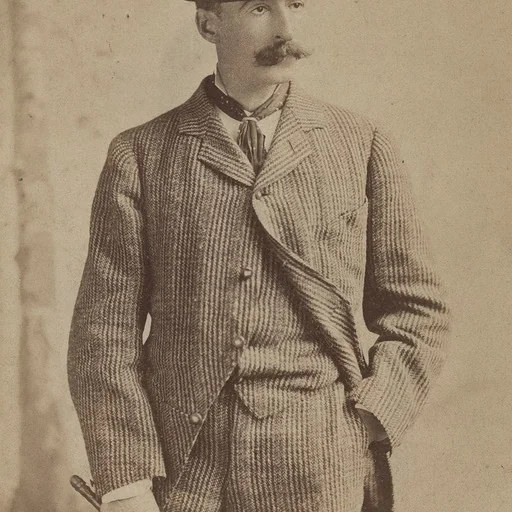
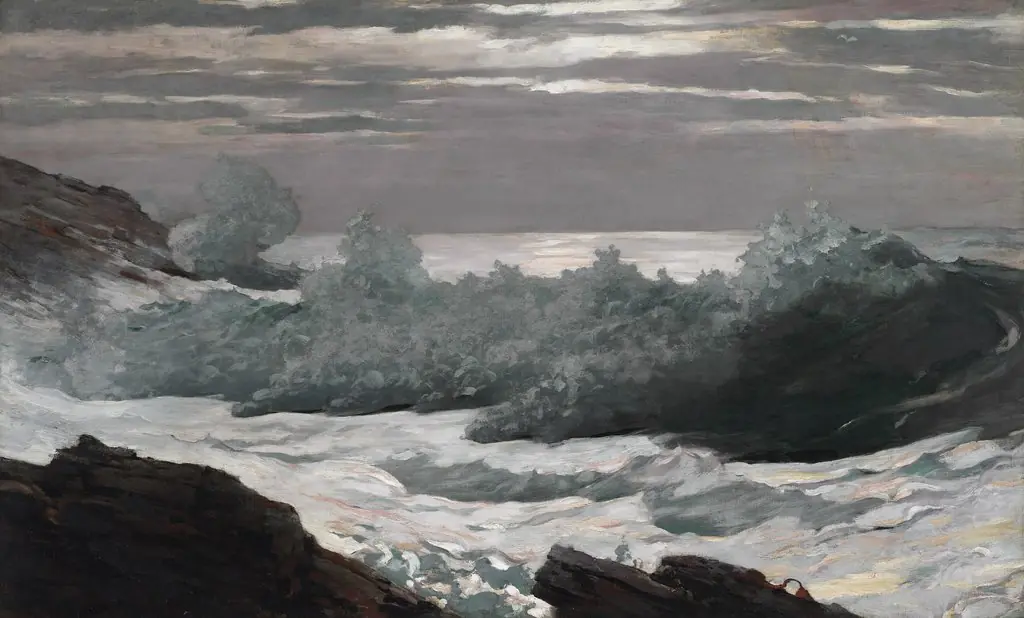
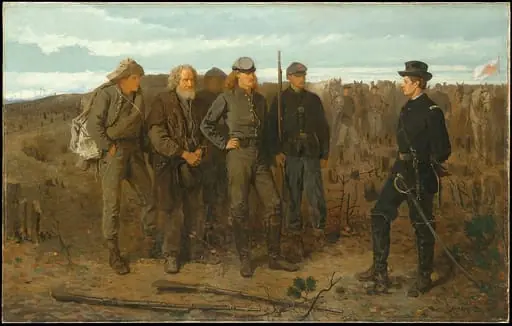
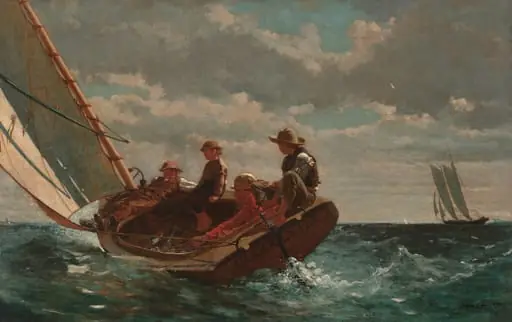
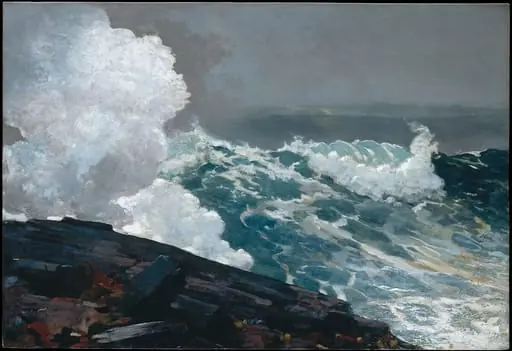
Winslow Homer (February 24, 1836 – September 29, 1910) was an American landscape painter and illustrator, best known for his marine subjects.

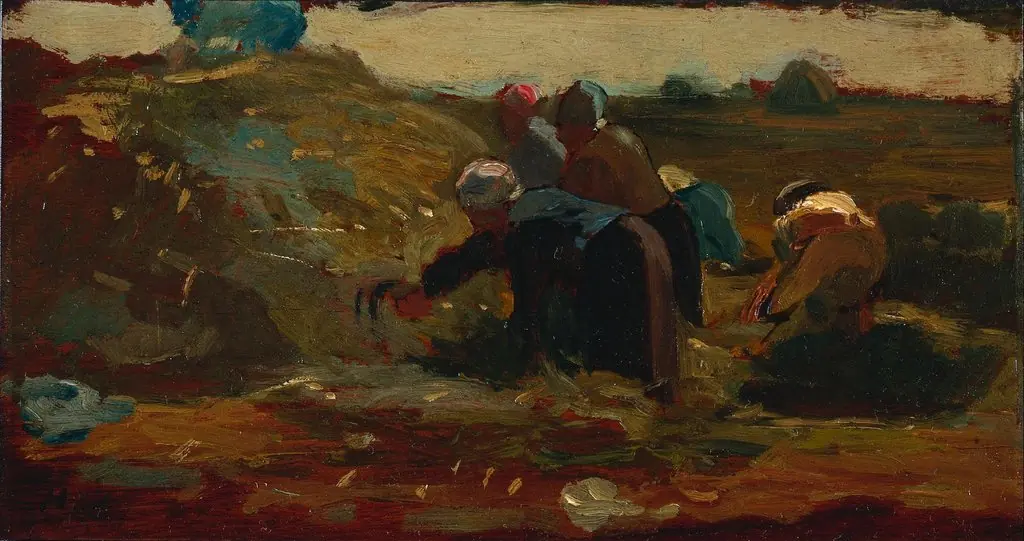
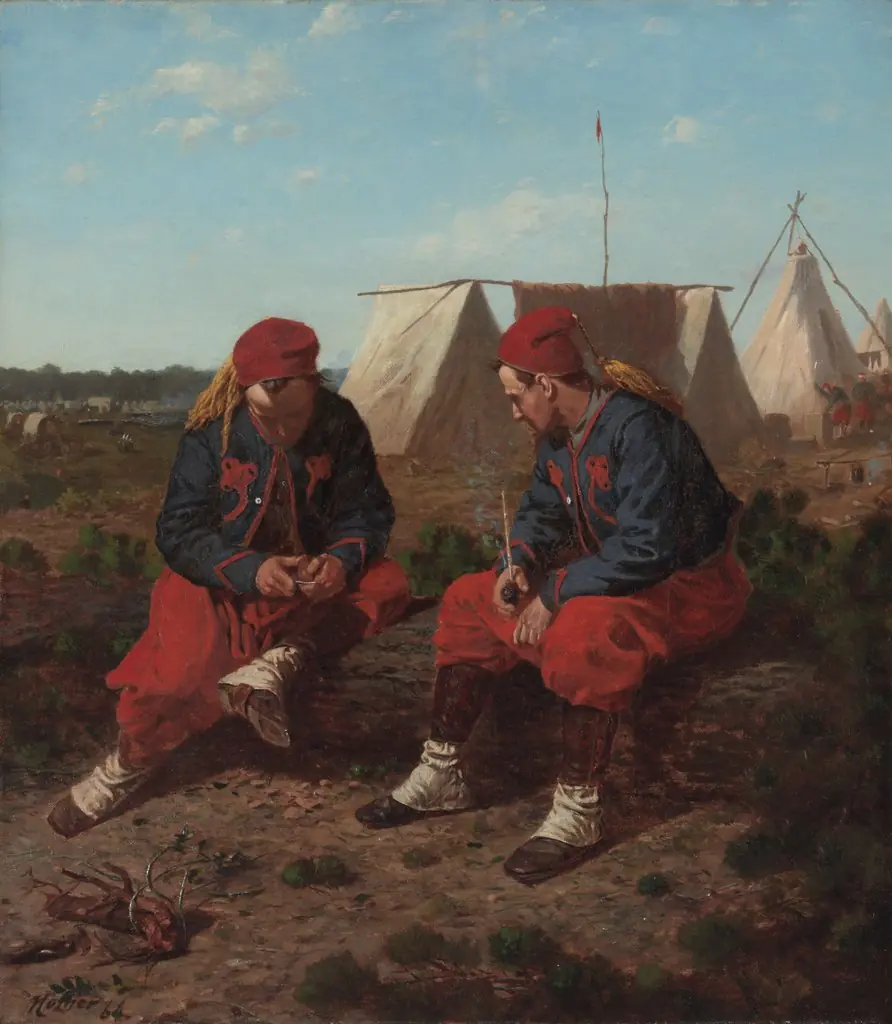
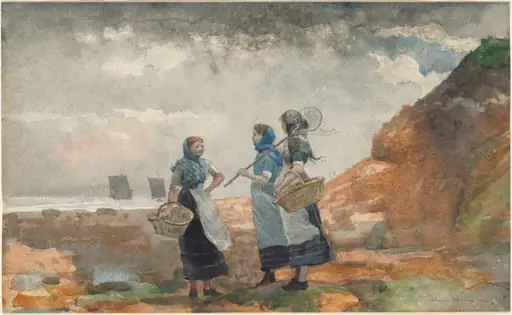 Three Fisher Girls, Tynemouth
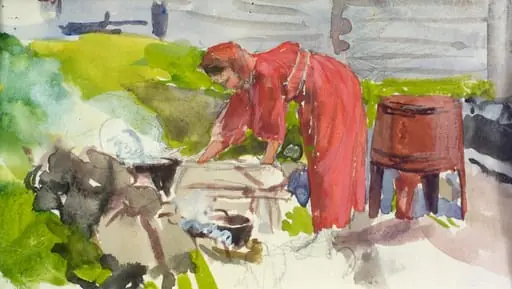 Tyttö pyykillä Tuulijärvellä
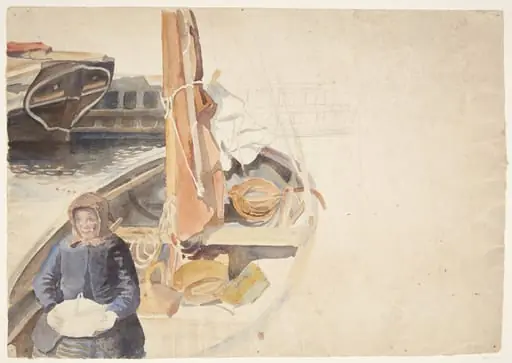 Fra Faaborg havn
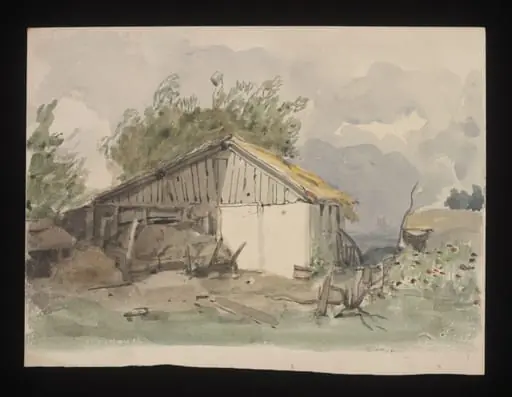 Watercolour drawing by the Grieve family, probably by Thomas Grieve, showing a hut at Margate
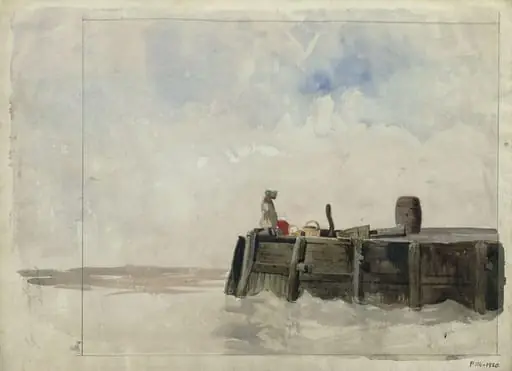 Woman on a Jetty at Gravesend
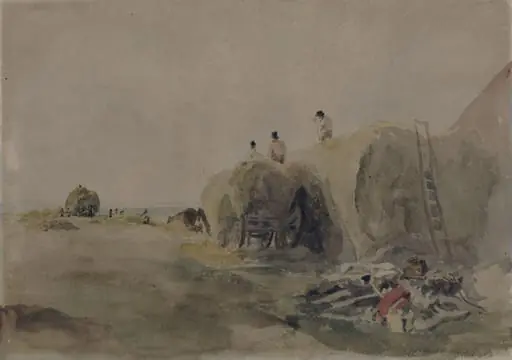 Stacking Hay, near Lincoln
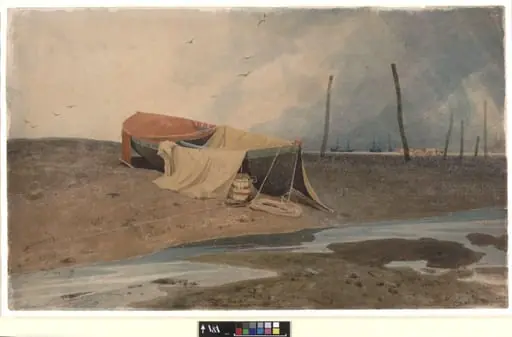 Boat on the Beach
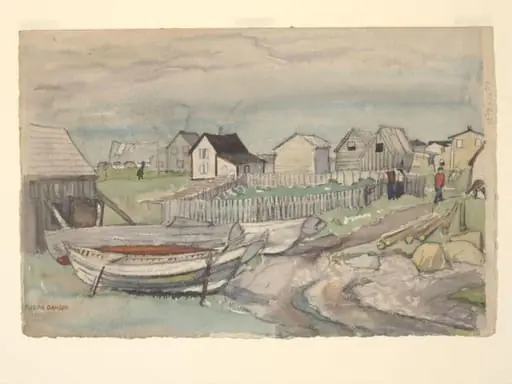 A Newfoundland Village
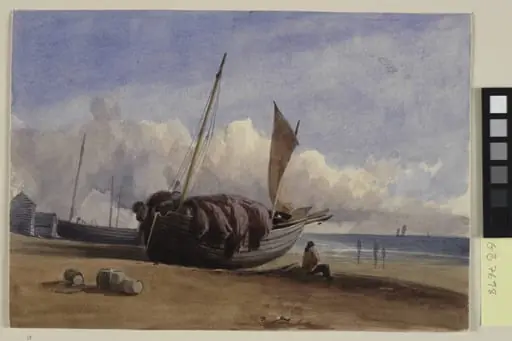 Beached fishing boat with seated fisherman
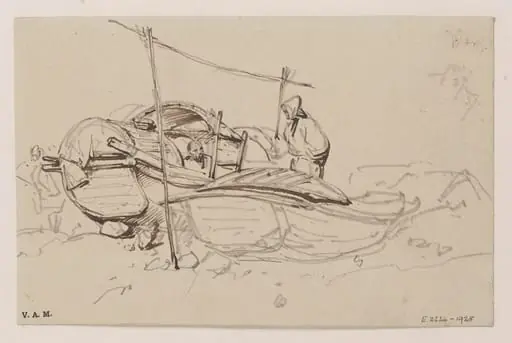 Untitled
 Rhyl Sands
 Alnmouth, Northumberland