Artwork
Our National Winter Exercise - Skating
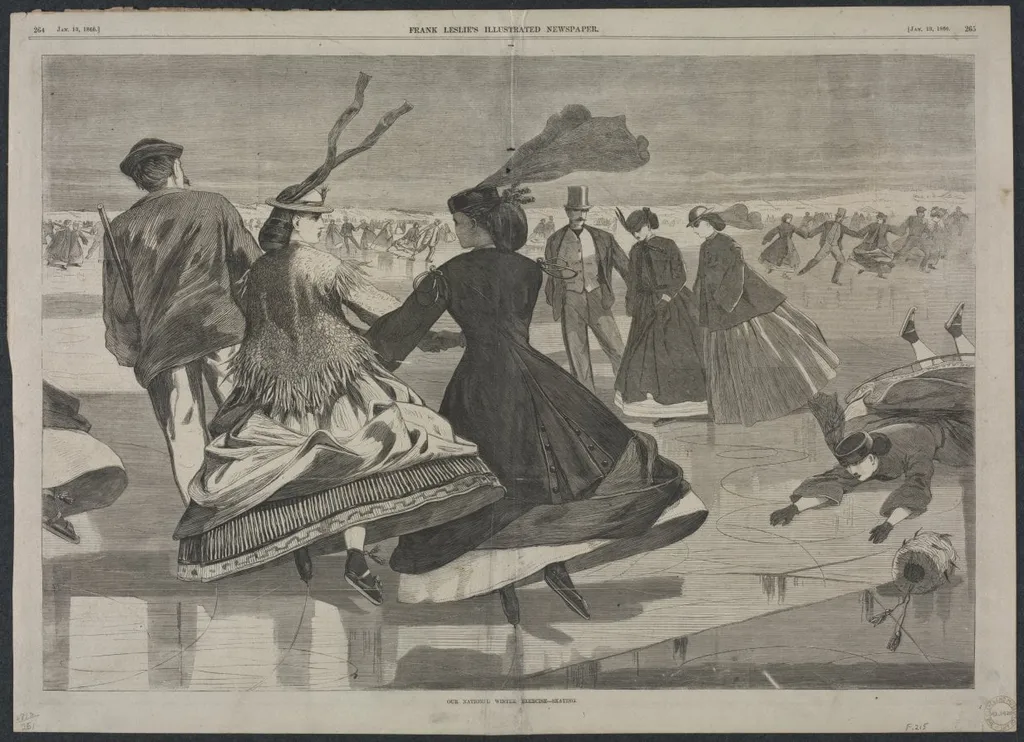
Our National Winter Exercise - Skating is a print by the Impressionist artist Winslow Homer. It dates from 1866 and is held in the collection of the Cleveland Museum of Art.
About this work
It’s not just fun—it’s about Americans coming together, finding joy after hard times.
This painting shows a lively winter scene of people skating on a frozen pond. The crowd wears winter clothes and moves in big, loose strokes of paint. Some kids play hockey, others glide across the ice.
Homer painted this right after the Civil War. It’s not just fun—it’s about Americans coming together, finding joy after hard times. The red flags add a pop of color in all the white.
Look up Winslow Homer (American, 1836–1910).
Overview
Created in 1866, *Our National Winter Exercise – Skating* is an early watercolor by Winslow Homer that captures a communal winter scene on a frozen pond. Painted shortly after the Civil War, it reflects Homer’s shift from illustration to more personal, observational art. The work belongs to a series in which he explored everyday American life, moving beyond his earlier commercial work toward a distinctive visual language rooted in nature and social interaction.
Subject & Meaning
The scene portrays a diverse group of figures skating, playing hockey, and strolling across ice, suggesting collective renewal after national trauma. Children and adults engage in quiet, unforced activity, their movements rendered with loose, energetic brushwork. The red flags scattered along the shore offer subtle punctuation against the white expanse, hinting at both celebration and quiet patriotism. The image avoids sentimentality, instead presenting leisure as a natural, shared experience.
Technique & Style
Homer employed watercolor with bold, economical strokes, allowing the paper’s white to suggest snow and ice. His brushwork is loose yet controlled, conveying motion through simplified forms rather than detail. The figures are rendered with minimal definition, emphasizing group dynamics over individual identity. This approach reflects his transition from illustration to fine art, where atmosphere and mood take precedence over precision.
History & Provenance
Painted in the immediate aftermath of the Civil War, the work emerged during Homer’s formative years as a fine artist, following his tenure as a battlefield illustrator for Harper’s Weekly. It was likely created in the Northeast, where winter recreation was a common pastime. The piece entered public collections in the 20th century and is now held in a major American museum, representing a key moment in the evolution of American genre painting.
Context
In the postwar years, Americans sought symbols of unity and resilience. Winter sports like skating, once a regional pastime, gained national visibility as metaphors for collective recovery. Homer’s focus on ordinary people in natural settings aligned with broader cultural movements that valued authenticity and democratic experience, distinguishing his work from European academic traditions.
Legacy
This watercolor helped establish Homer’s reputation for capturing American life with emotional restraint and visual clarity. It foreshadowed his later mastery of watercolor and his enduring interest in human interaction with nature. While not widely exhibited in his lifetime, it became a touchstone for later scholars examining the intersection of art, memory, and national identity in 19th-century America.
Artist & collection
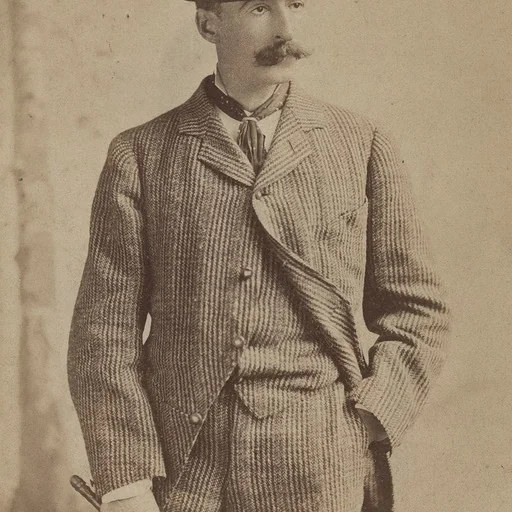
Artist
Winslow Homer (February 24, 1836 – September 29, 1910) was an American landscape painter and illustrator, best known for his marine subjects.

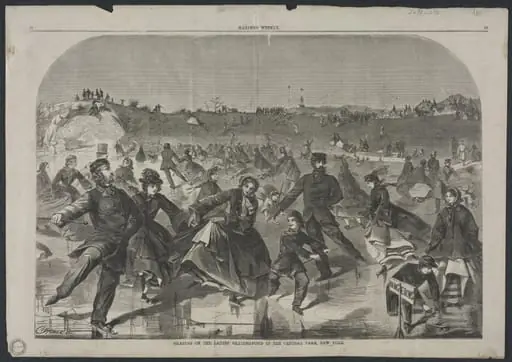 Skating on the Ladies' Skating Pond in Central Park, New York
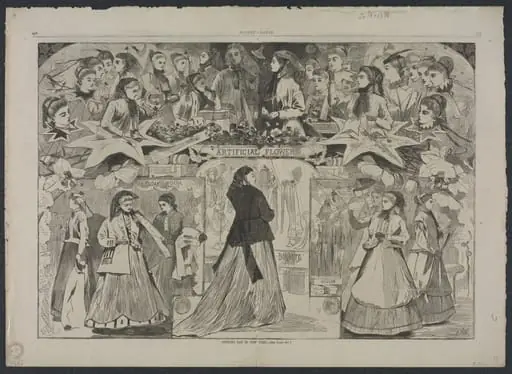 Opening Day in New York
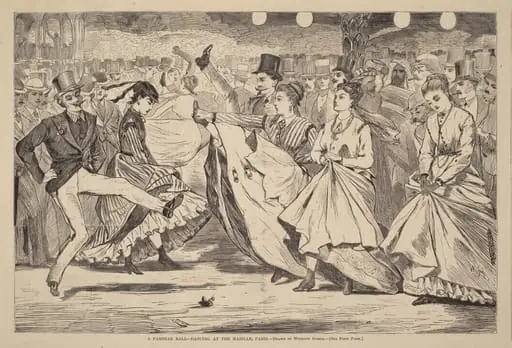 A Parisian Ball - Dancing at the Mabille, Paris
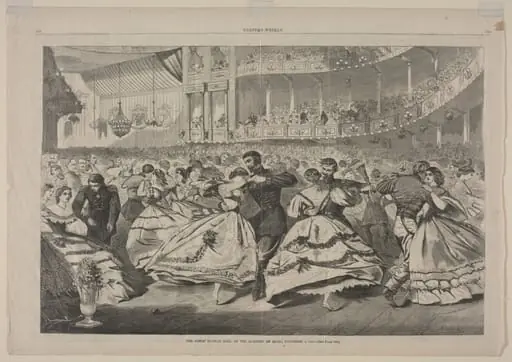 The Great Russian Ball at the Academy of Music, November 5, 1863
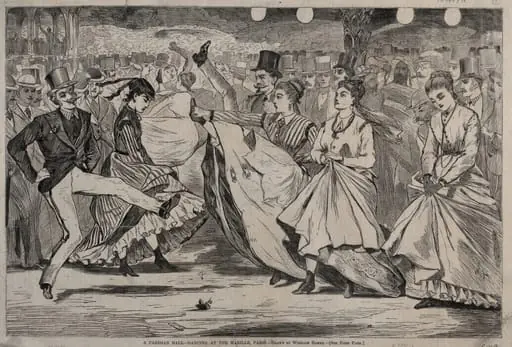 A Parisian Ball - Dancing at the Mabille, Paris
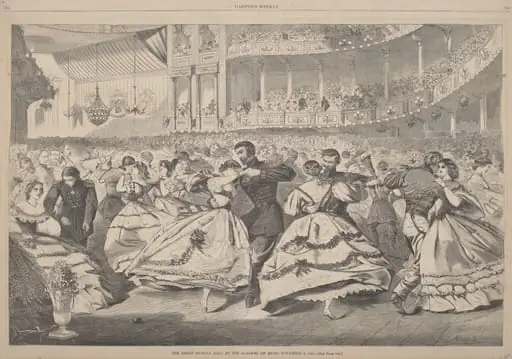 The Great Russian Ball at the Academy of Music, November 5, 1863
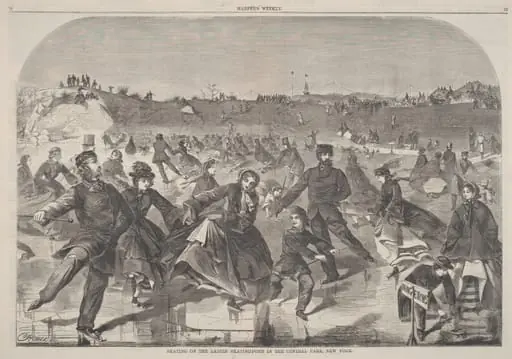 Skating on the Ladies' Skating-Pond in the Central Park, New York
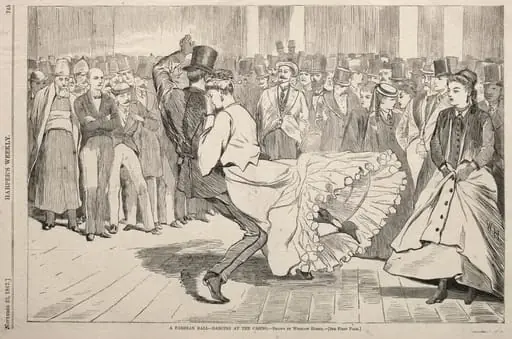 A Parisian Ball - Dancing at the Casino
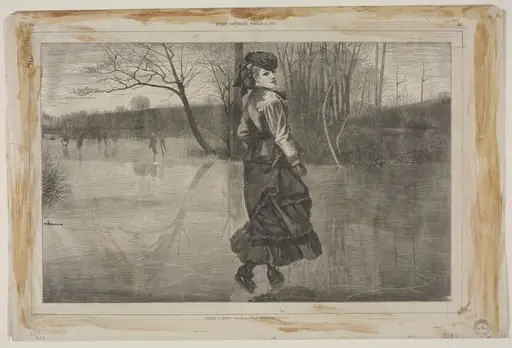 Cutting a Figure
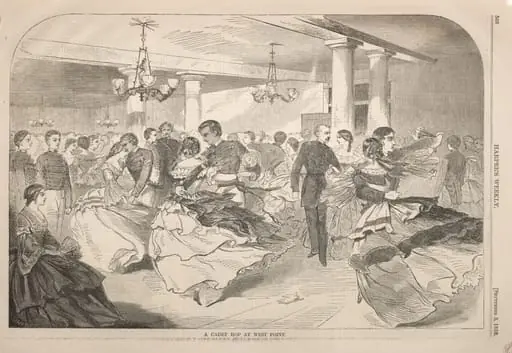 A Cadet Hop at West Point
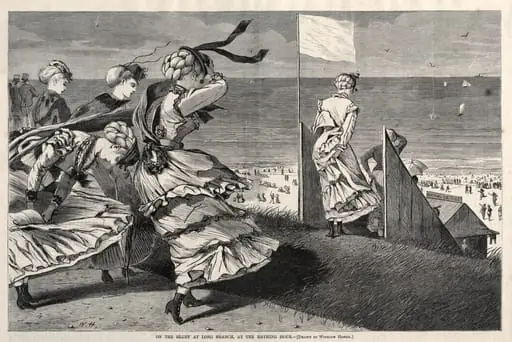 On the Bluff at Long Branch, at the Bathing Hour
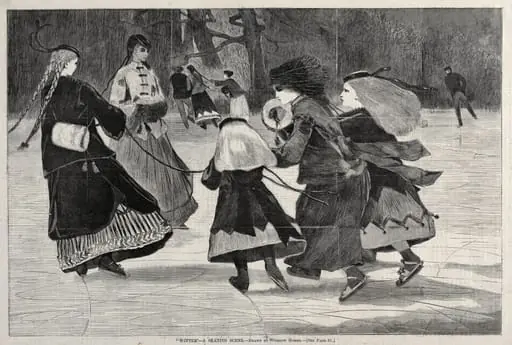 "Winter" - A Skating Scene