Artwork
Cutting a Figure
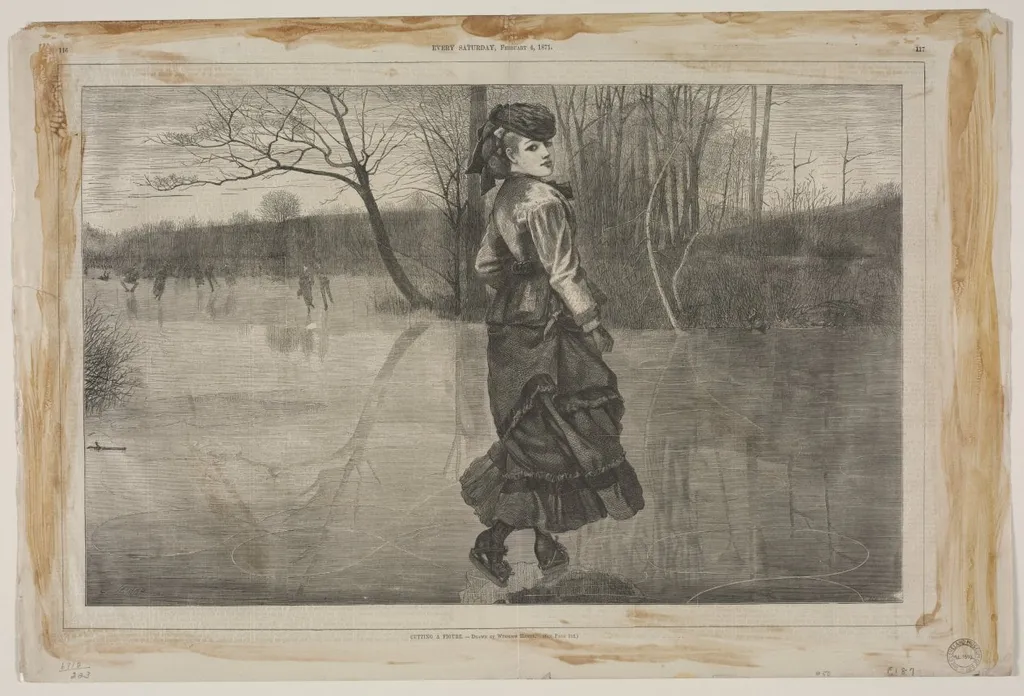
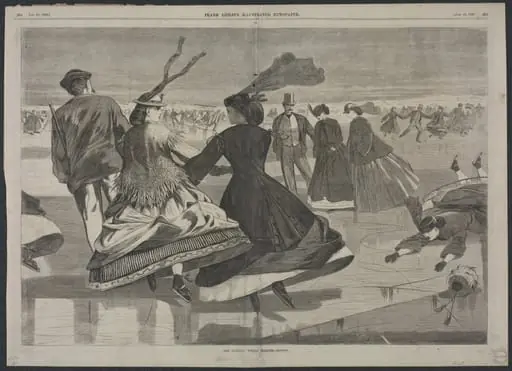
Cutting a Figure is a print by the Impressionist artist Winslow Homer. It dates from 1871 and is held in the collection of the Cleveland Museum of Art.
About this work
Overview
Winslow Homer’s 1871 work *Cutting a Figure* is an oil on canvas that portrays a young Black man engaged in a quiet, domestic act. The figure is rendered in a formal suit, holding scissors and a cutout of a soldier, while a soft light from the left illuminates the scene and creates gentle shadows on the table and wall.
Subject & Meaning
The central figure’s concentration on trimming a paper silhouette of a soldier suggests a contemplation of the recent Civil War and its aftermath. As a Black individual depicted in a poised, respectable manner, the painting hints at the broader aspirations and uncertainties faced by newly emancipated African Americans during Reconstruction.
Technique & Style
Homer employs a dense, weighty application of oil that gives the composition a tactile presence. The limited palette and careful modeling of light emphasize the figure’s form and the texture of the paper, while the restrained background focuses attention on the intimate gesture.
History & Provenance
Created only a few years after the war’s conclusion, the painting reflects Homer’s shift from commercial illustration to serious oil painting. It entered the collection of the Cleveland Museum of Art, where it remains part of the museum’s holdings of 19th‑century American art.
Context
*Cutting a Figure* belongs to Homer’s broader interest in everyday scenes that carry deeper social resonance. Though better known for marine subjects, this work demonstrates his capacity to capture personal moments that echo larger historical narratives, contributing to the visual record of post‑war American life.
Artist & collection
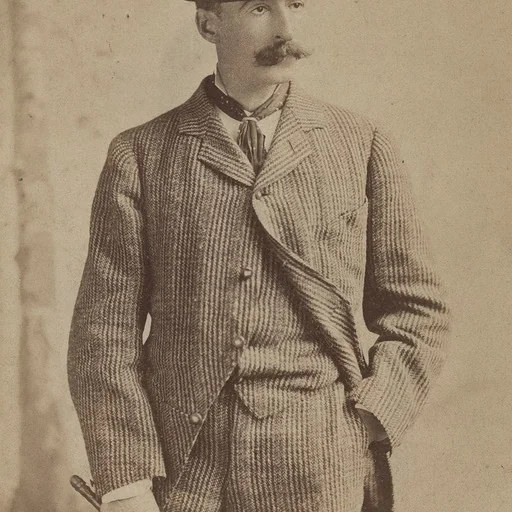
Artist
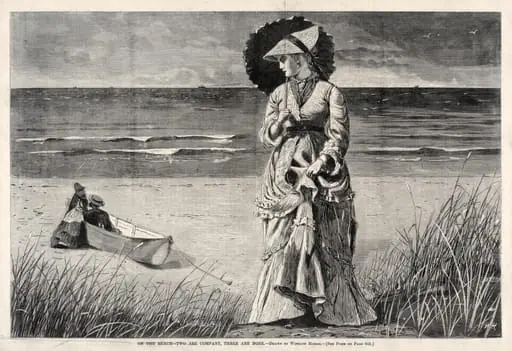
Winslow Homer (February 24, 1836 – September 29, 1910) was an American landscape painter and illustrator, best known for his marine subjects.