Artwork
Ship-Building, Gloucester Harbor
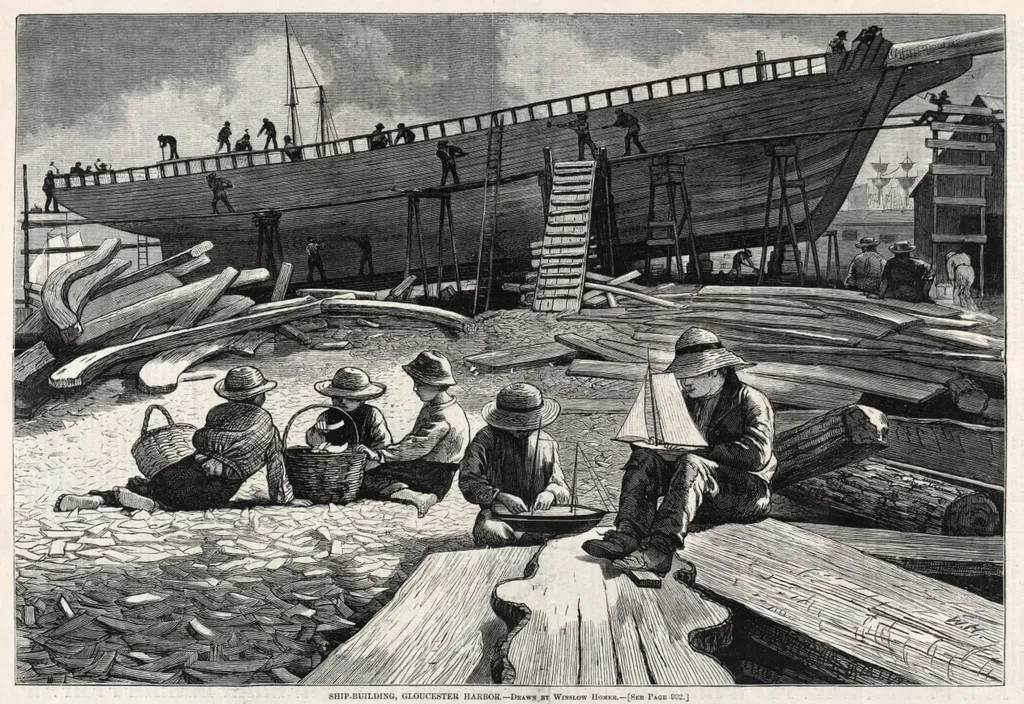
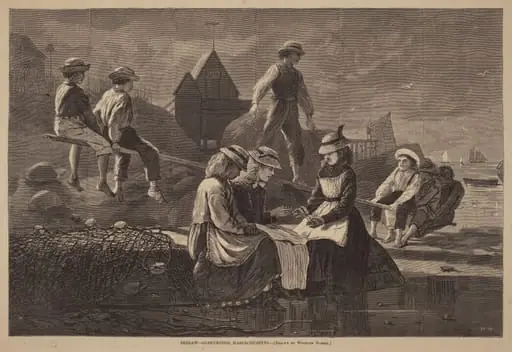
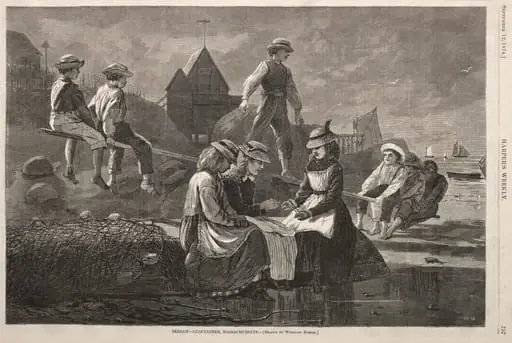
Ship-Building, Gloucester Harbor is a print by the Impressionist artist Winslow Homer. It dates from 1873 and is held in the collection of the Cleveland Museum of Art.
About this work
Overview
Created in 1873, *Ship-Building, Gloucester Harbor* is an oil painting by Winslow Homer that captures the industrial activity of a New England shipyard.
Created in 1873, *Ship-Building, Gloucester Harbor* is an oil painting by Winslow Homer that captures the industrial activity of a New England shipyard. The work reflects Homer’s shift from illustration to fine art, emphasizing the physicality of labor and the quiet grandeur of coastal industry. Unlike his later watercolors, this piece uses oil’s thicker texture to convey weight and atmosphere, grounding the scene in tangible reality.
Subject & Meaning
The painting portrays workers constructing a vessel along Gloucester’s shoreline, surrounded by unfinished hulls, timber piles, and tools. There is no dramatic narrative—only the steady rhythm of labor. The focus on process rather than heroism suggests a quiet reverence for craftsmanship and the rhythms of maritime life, reflecting Homer’s interest in the dignity of everyday work.
Technique & Style
Homer employs oil paint with deliberate density, building form through layered brushwork and muted earth tones. The composition is structured horizontally, anchoring the viewer’s gaze to the ship’s hull and the workers’ movements. Light falls evenly across the scene, avoiding theatrical contrast, which reinforces the painting’s observational tone and its commitment to realism over sentiment.
History & Provenance
Painted during Homer’s early period of marine subjects, the work emerged after his transition from illustration to fine art. It was likely exhibited in the 1870s in American galleries, though its early ownership records are sparse. The painting entered a public collection in the 20th century, where it remains as part of a broader effort to document 19th-century American industrial life.
Context
In the 1870s, Gloucester was a hub of shipbuilding and fishing, its economy tied to the sea. Homer’s choice of subject aligns with a growing American interest in depicting regional labor and industry, distinct from European traditions. His work emerged alongside the rise of realism in art, offering unembellished views of working-class life at a time when industrialization was reshaping coastal communities.
Legacy
Though less celebrated than Homer’s later seascapes, *Ship-Building, Gloucester Harbor* represents a pivotal moment in his artistic development. It bridges his illustrative roots with his mature oil technique and anticipates his deepening engagement with labor and environment. The painting endures as a quiet record of a vanishing maritime economy, valued for its unadorned honesty.
Artist & collection
Artist
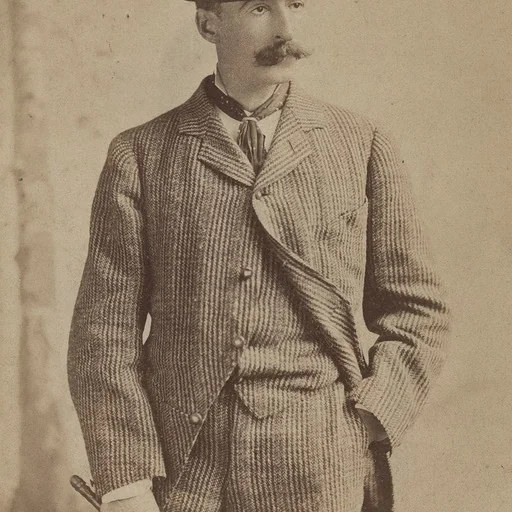
Winslow Homer (February 24, 1836 – September 29, 1910) was an American landscape painter and illustrator, best known for his marine subjects.