Artwork
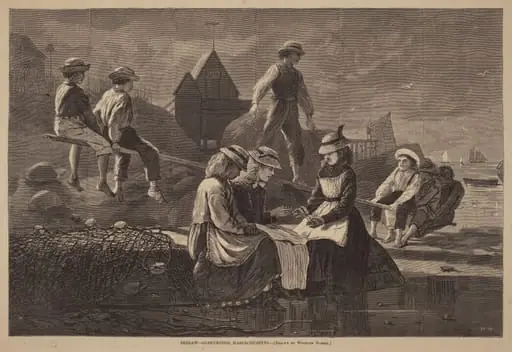
See Saw - Gloucester, Massachusetts
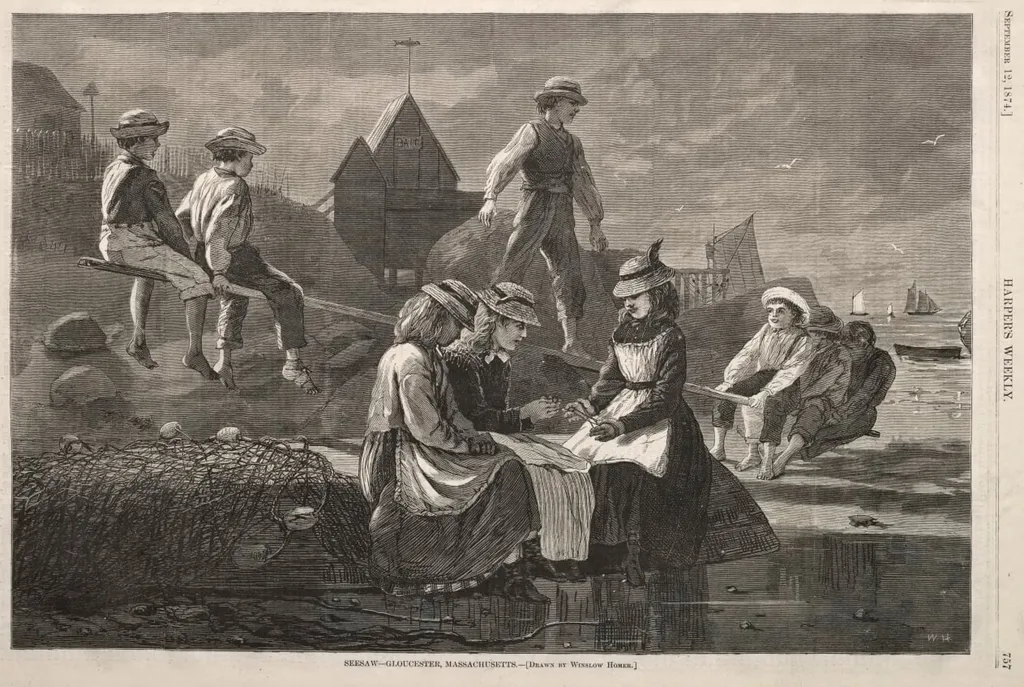
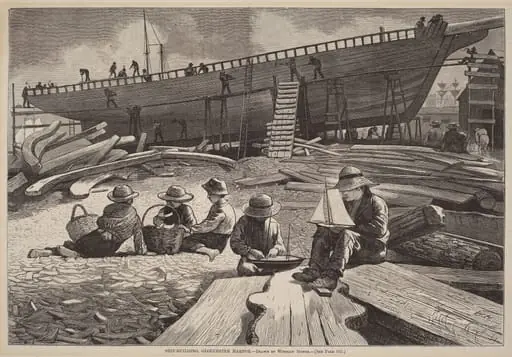
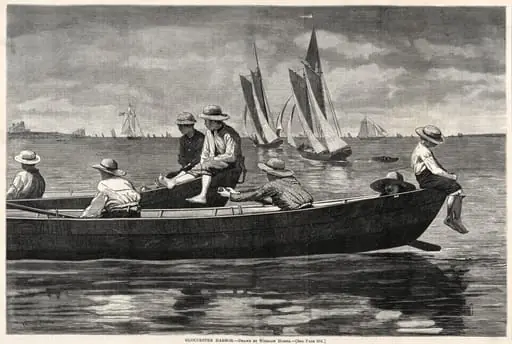
See Saw - Gloucester, Massachusetts is a print by the Impressionist artist Winslow Homer. It dates from 1874 and is held in the collection of the Cleveland Museum of Art.
About this work
Overview
Created in 1874, *See Saw – Gloucester, Massachusetts* is a print by American artist Winslow Homer. Though widely recognized for his oil marine scenes, this work belongs to the period when Homer turned to water‑based media to record the everyday life of New England’s coast.
Subject & Meaning
The image captures a simple playground device set against the backdrop of Gloucester’s shoreline, suggesting a quiet moment of leisure amid a working‑class fishing community. The juxtaposition of a child’s plaything with the sea hints at the interdependence of domestic life and maritime labor.
Technique & Style
Executed as a print, the piece employs the fluidity of watercolor‑like washes combined with crisp line work, characteristic of Homer’s approach after abandoning illustration. The limited palette and economical brushstrokes convey atmosphere while maintaining a clear, observational quality.
History & Provenance
Homer produced the work during a prolific phase of his career when he traveled along the New England coast, documenting local scenes. The print entered public collections in the early twentieth century, reflecting the growing appreciation for his depictions of regional life.
Artist & collection
Artist
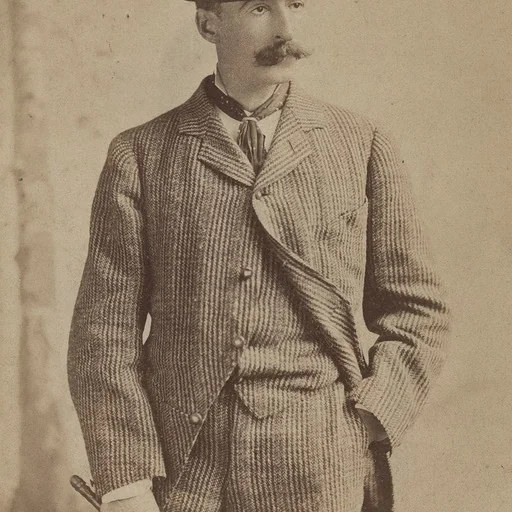
Winslow Homer (February 24, 1836 – September 29, 1910) was an American landscape painter and illustrator, best known for his marine subjects.