Artwork
Skating on Jamaica Pond, near Boston
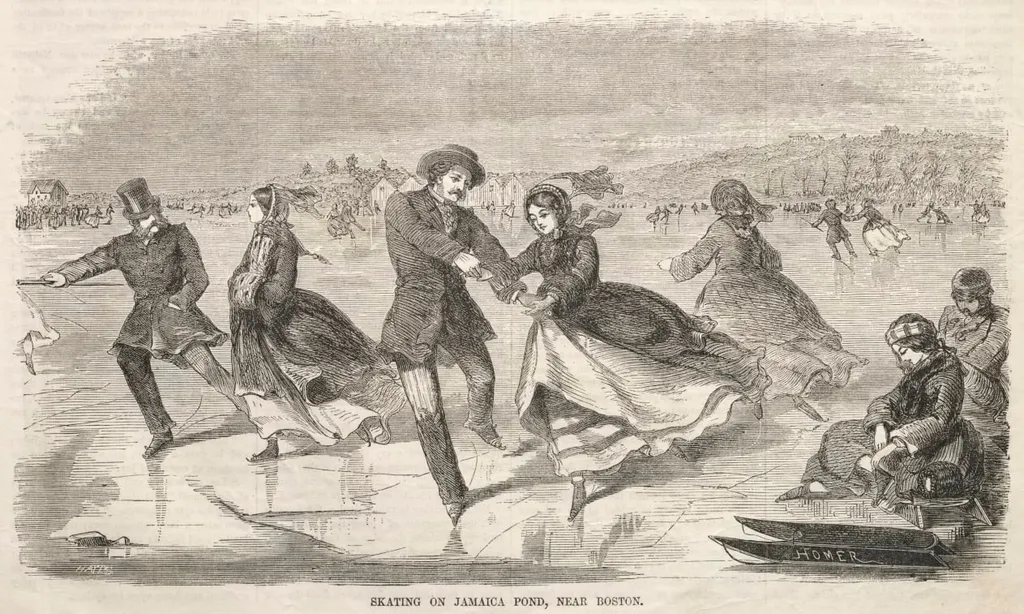
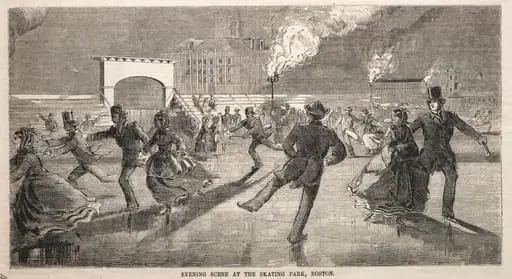
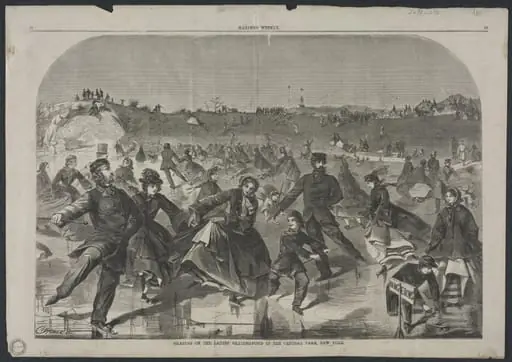
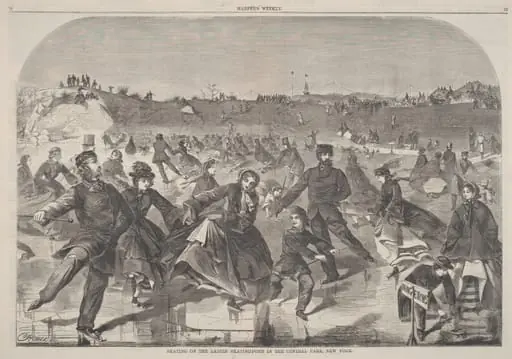
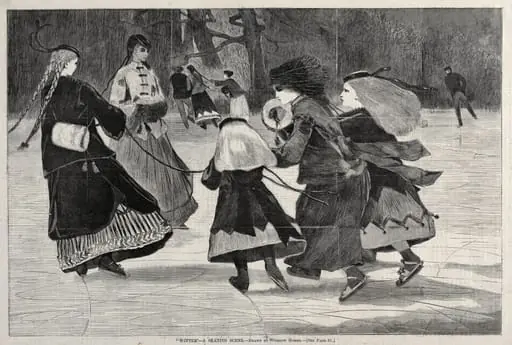
Skating on Jamaica Pond, near Boston is a print by the Impressionist artist Winslow Homer. It dates from 1859 and is held in the collection of the Cleveland Museum of Art.
About this work
You see a snowy New England scene with people skating on a frozen pond. The ice looks thick and safe. Snow piles up on the shore. Trees stand tall in the background.
Homer painted this when he was just 23. He worked mostly in watercolor here. The colors are soft but bright.
This feels like a snapshot of winter fun in 1850s Boston. Look up Winslow Homer (American, 1836–1910).
Overview
Created in 1859, *Skating on Jamaica Pond, near Boston* is an early watercolor by Winslow Homer, then just twenty-three years old.
Created in 1859, *Skating on Jamaica Pond, near Boston* is an early watercolor by Winslow Homer, then just twenty-three years old. It captures a quiet winter moment on a frozen pond just outside Boston, reflecting his initial focus on everyday American life. Though later known for marine scenes, this work belongs to his formative period as a genre illustrator, where he translated observational sketches into delicate, luminous watercolors.
Subject & Meaning
The scene portrays a group of figures gliding across a thick, snow-dusted ice surface, their movements casual and unremarkable. No dramatic action or narrative is present—only the ordinary rhythm of winter recreation. The stillness of the trees and the soft accumulation of snow suggest a pause in daily life, inviting quiet contemplation rather than spectacle. It reflects a civilian, non-idealized view of seasonal leisure in mid-century New England.
Technique & Style
Homer employed transparent watercolor with restrained brushwork, allowing the white of the paper to suggest snow and ice. Colors are muted yet clear—pale blues, grays, and touches of ochre—creating a cool, atmospheric tone. The composition is loosely structured, with figures rendered in quick, suggestive strokes. This approach reveals his background in illustration, where clarity and immediacy were essential, even as he explored painterly effects.
History & Provenance
Painted during Homer’s early years in Boston, the work emerged from his practice of sketching urban and suburban life for periodicals. It was likely made as a standalone piece rather than for reproduction, indicating his personal interest in capturing seasonal rhythms. The watercolor remained in private hands for much of the 19th century before entering institutional collections, where it now stands as an early example of his transition from commercial art to fine art.
Context
In the late 1850s, American artists increasingly turned to local scenes as subjects, moving away from European traditions. Jamaica Pond, a popular winter destination for Bostonians, offered Homer a familiar setting to explore light, weather, and human activity. His choice of watercolor aligned with a growing interest in the medium among American illustrators seeking immediacy and accessibility in depicting everyday life.
Legacy
Though overshadowed by Homer’s later marine works, this watercolor illustrates the foundation of his artistic vision: close observation of nature and ordinary behavior. It demonstrates how his early genre scenes informed his mature style, emphasizing atmosphere and quiet realism. Today, it remains a representative example of how 19th-century American artists found artistic value in the familiar rhythms of domestic winter life.
Artist & collection
Artist
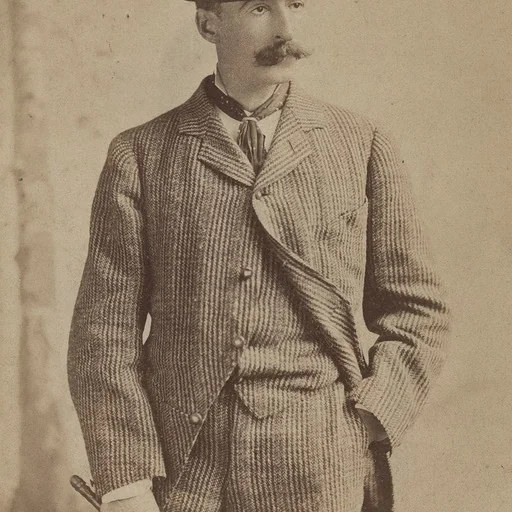
Winslow Homer (February 24, 1836 – September 29, 1910) was an American landscape painter and illustrator, best known for his marine subjects.