Artwork
Skating at Boston
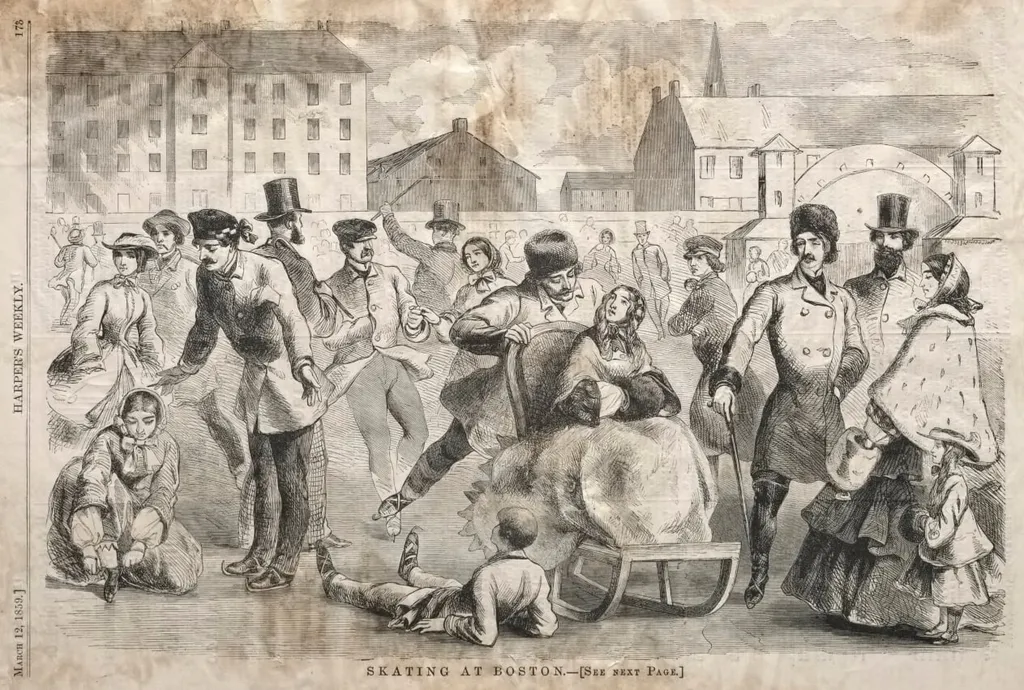
Skating at Boston is a print by the Impressionist artist Winslow Homer. It dates from 1859 and is held in the collection of the Cleveland Museum of Art.
About this work
To learn more about the artist who created this scene, look up Winslow Homer (American, 1836–1910).
The painting shows people ice skating on a frozen pond in Boston.
It's a winter scene with trees and buildings in the background.
The people are dressed in old-fashioned clothes and are having fun skating.
This painting is interesting because it shows everyday life in the past.
It gives us a glimpse of what people did for fun during the winter season.
To learn more about the artist who created this scene, look up Winslow Homer (American, 1836–1910).
Overview
Skating at Boston (1859) is a winter scene oil painting by Winslow Homer, depicting people ice skating on a frozen pond in Boston, with trees and old-fashioned buildings in the background.
Subject & Meaning
The painting captures a moment of everyday leisure in 19th-century Boston, offering a glimpse into past winter recreational activities and societal norms through the depiction of people enjoying ice skating.
Technique & Style
Executed in oil, the work showcases Homer's early genre scene approach, characterized by a focus on daily life, preceding his later emphasis on broader landscape and coastal themes.
History & Provenance
Created in 1859, the painting marks a point in Homer's transition from commercial art to fine painting, reflecting his growing interest in capturing American life.
Context
Part of a broader 19th-century American art movement, Skating at Boston situates Homer among artists exploring national identity through genre scenes and landscapes.
Legacy
The painting contributes to Homer's legacy as a leading 19th-century American artist, valued for its historical insight into everyday American life during the period.
Artist & collection
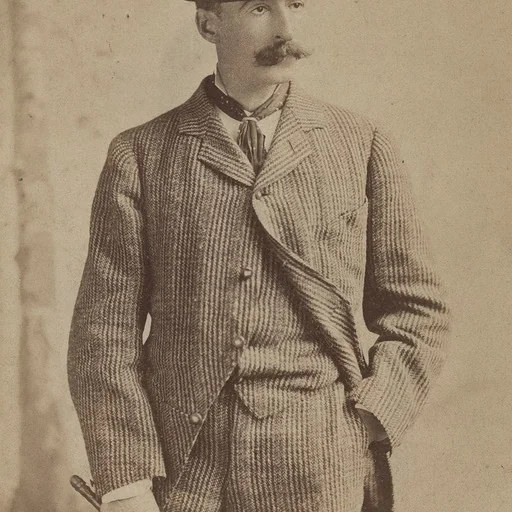
Artist
Winslow Homer (February 24, 1836 – September 29, 1910) was an American landscape painter and illustrator, best known for his marine subjects.


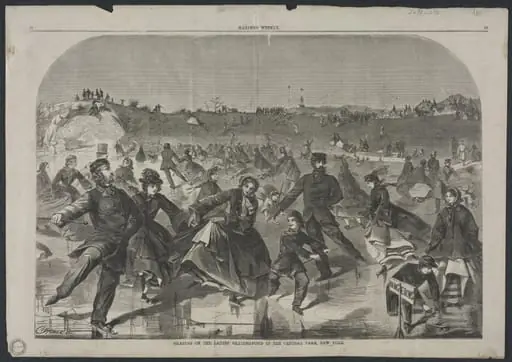 Skating on the Ladies' Skating Pond in Central Park, New York
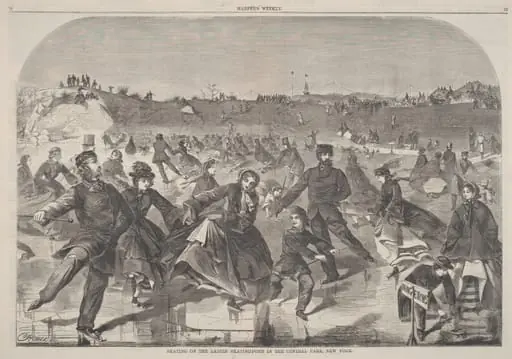 Skating on the Ladies' Skating-Pond in the Central Park, New York
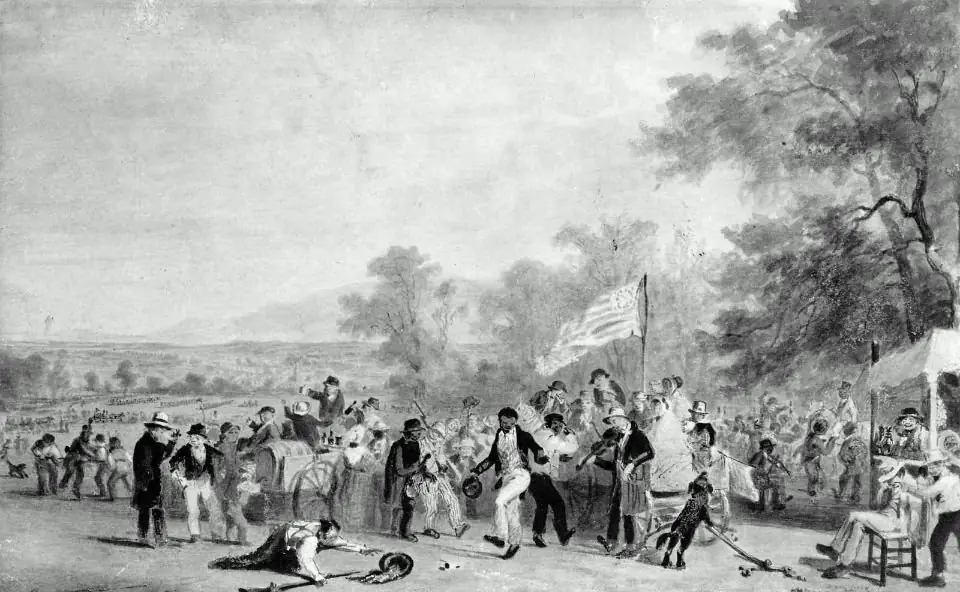 Study for "Militia Training": Composition (in reverse)
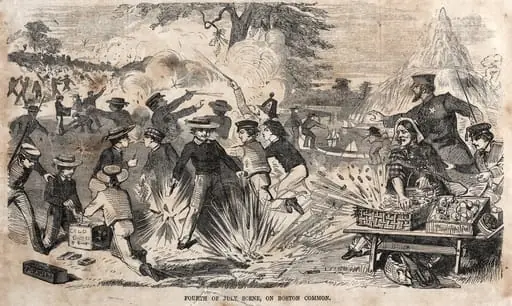 Fourth of July Scene, on Boston Common
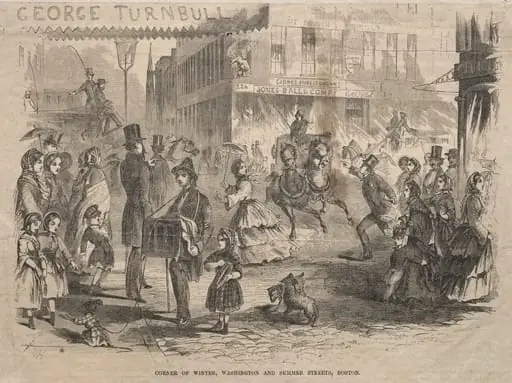 Corner Winter, Washington and Summer Streets, Boston
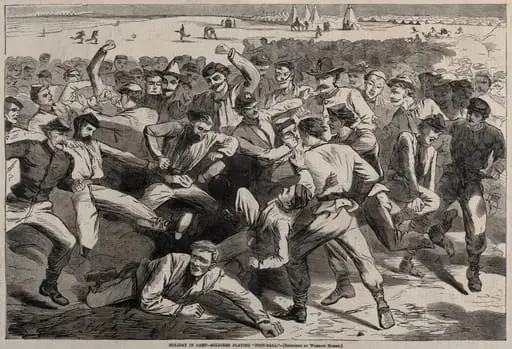 Holiday in Camp - Soldiers Playing "Foot-Ball"
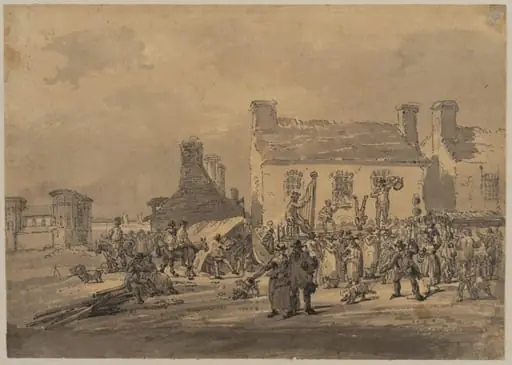 Village Fair, with mountebanks
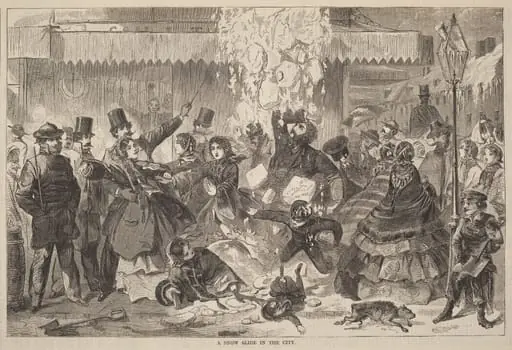 A Snow Slide in the City
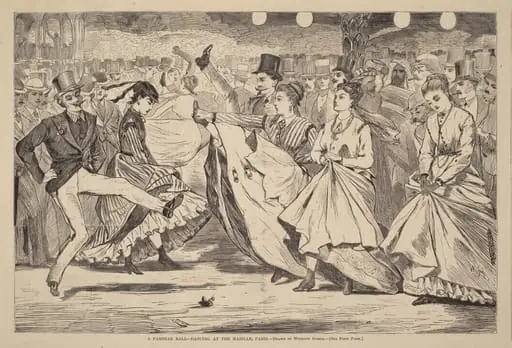 A Parisian Ball - Dancing at the Mabille, Paris
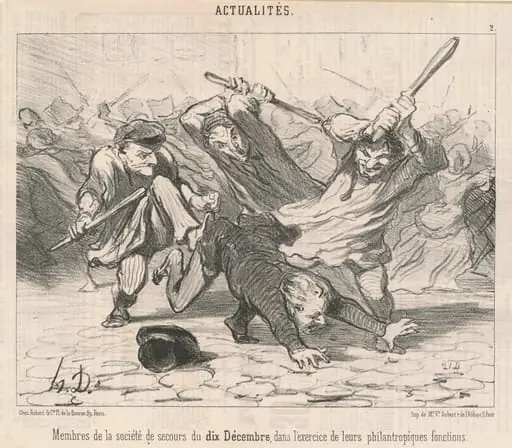 Membres de la société de secours du Dix-Décembre ...
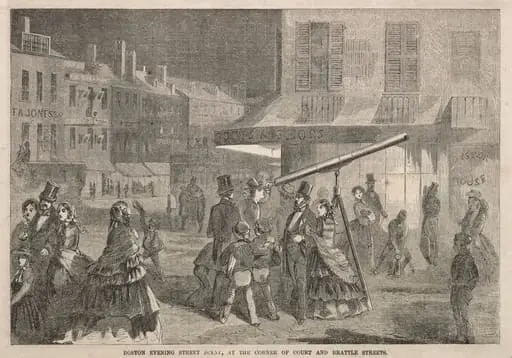 Boston Evening Street Scene, at Corner of Court and Brattle Streets
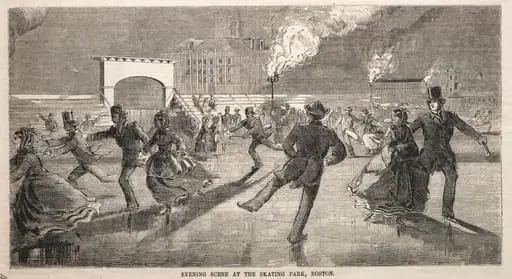 Evening Scene at the Skating Park, Boston