Artwork
The Picnic Excursion
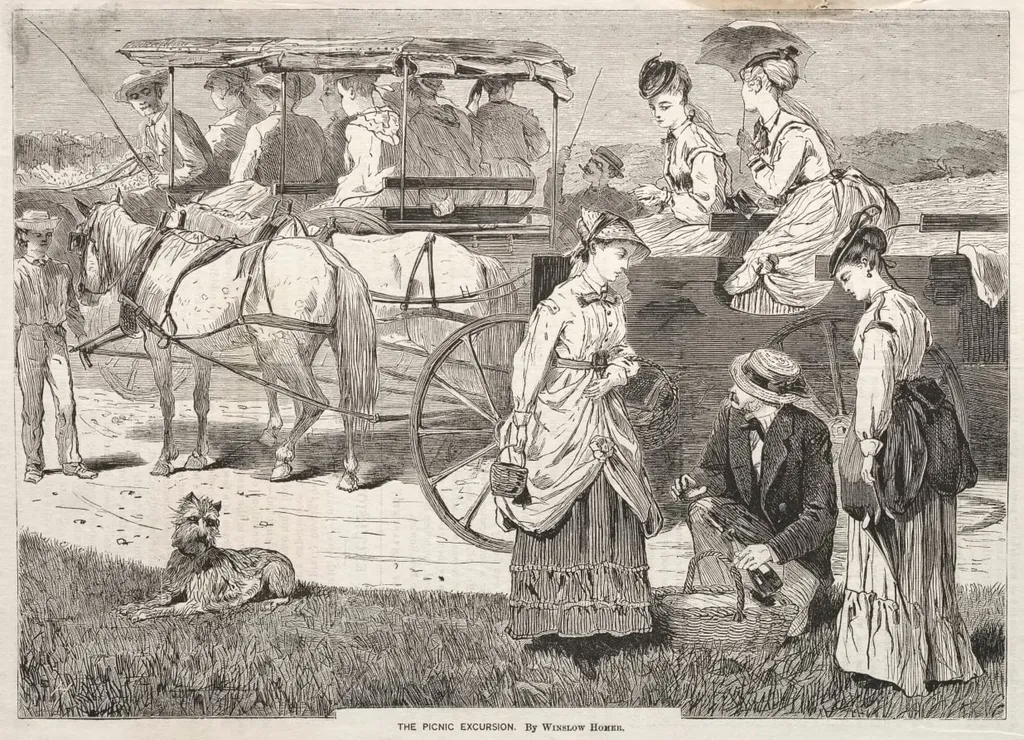
The Picnic Excursion is a print by the Impressionist artist Winslow Homer. It dates from 1869 and is held in the collection of the Cleveland Museum of Art.
About this work
Overview
The composition balances movement and stillness, grounding its narrative in observable detail rather than idealization.
Created in 1869, *The Picnic Excursion* is an oil painting by American artist Winslow Homer, who began his career as a commercial illustrator before turning to fine art. Though best known for marine scenes, this work captures a quiet moment of rural leisure, reflecting Homer’s interest in ordinary American life during the post-Civil War era. The composition balances movement and stillness, grounding its narrative in observable detail rather than idealization.
Subject & Meaning
The scene portrays a group of people resting during a day trip, gathered around a covered wagon on a grassy field. Women sit and stand in casual poses, while a man holds a stick nearby and a dog lies at rest. The absence of dramatic action suggests a moment of pause in daily life, emphasizing quiet companionship and the rhythms of 19th-century leisure. The painting avoids sentimentality, instead presenting its subjects with unembellished presence.
Technique & Style
Homer employs a dense, tactile brushwork that gives weight to fabric, grass, and wood surfaces. The folds in the women’s dresses and the texture of the wagon’s wheels are rendered with careful observation, not idealized form. Lines are economical yet dynamic, suggesting motion without overt detail. The palette is muted, dominated by earth tones, reinforcing the painting’s grounded, unromanticized tone consistent with Realist principles.
History & Provenance
Painted during Homer’s early transition from illustration to fine art, *The Picnic Excursion* emerged from his broader practice of documenting American life through sketches and oil studies. It was likely created in his studio from on-site observations, a common method for artists of the period. The work remained in private hands for much of the 20th century before entering a public collection, where it now serves as an example of his formative years.
Context
In the late 1860s, American artists increasingly turned to scenes of everyday life as the nation sought to define its identity after the Civil War. Homer’s focus on rural leisure aligned with broader Realist trends, rejecting romanticized history painting in favor of authentic, unvarnished moments. This painting reflects a cultural shift toward valuing ordinary experience as worthy of artistic attention.
Legacy
Though less known than Homer’s later seascapes, *The Picnic Excursion* illustrates his early commitment to observing and recording American life with honesty. It anticipates his mature style—direct, unadorned, and deeply attentive to human presence within nature. The work remains a quiet but significant example of how Realism took root in American art through intimate, everyday subjects.
Artist & collection
Artist
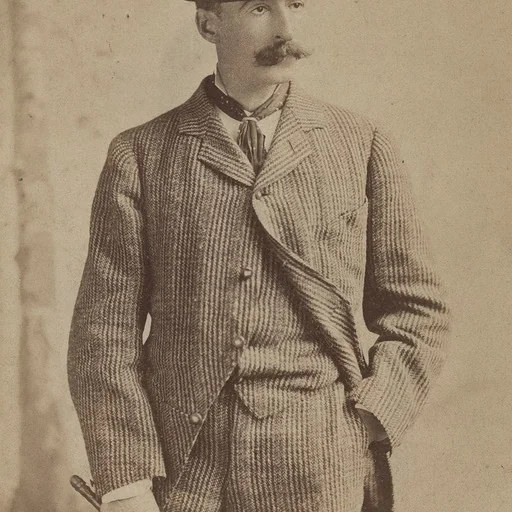
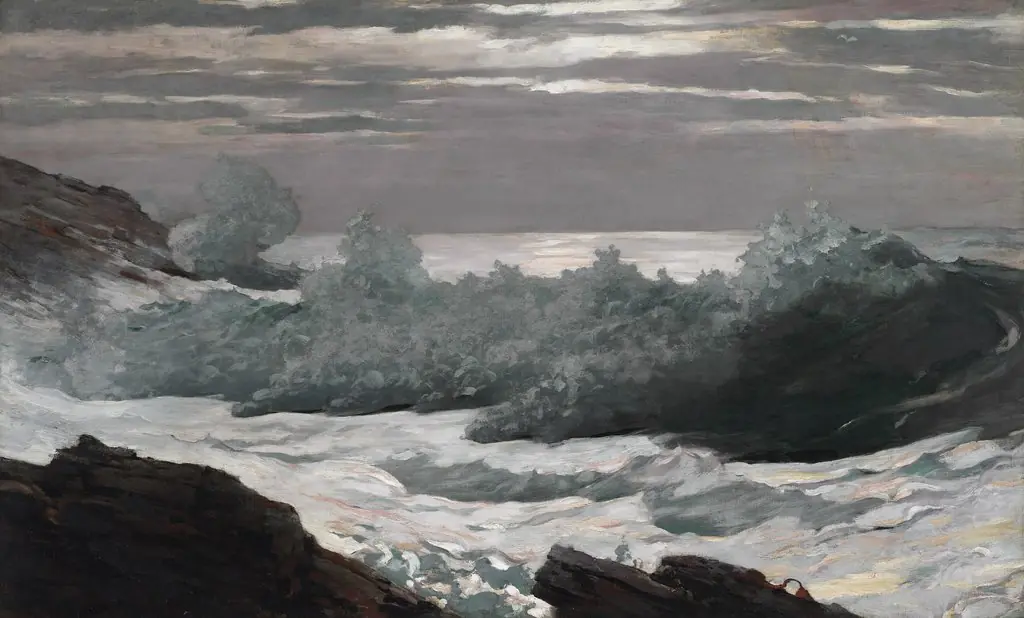
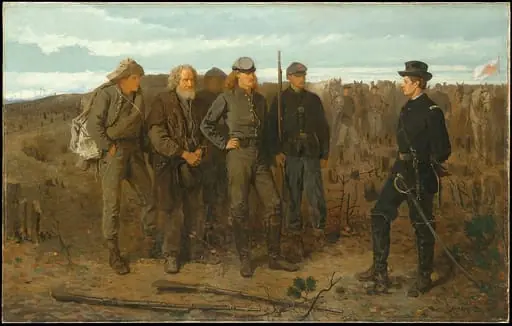
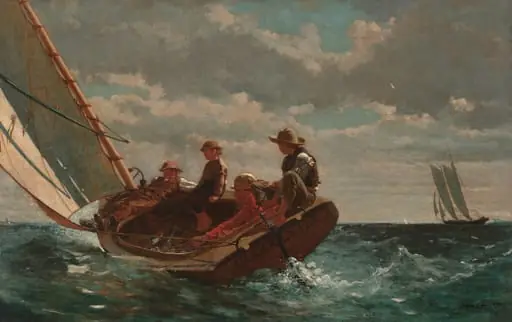
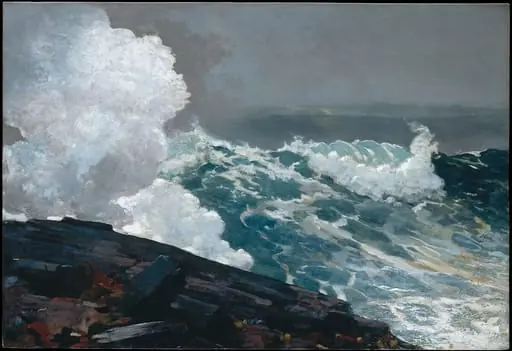
Winslow Homer (February 24, 1836 – September 29, 1910) was an American landscape painter and illustrator, best known for his marine subjects.

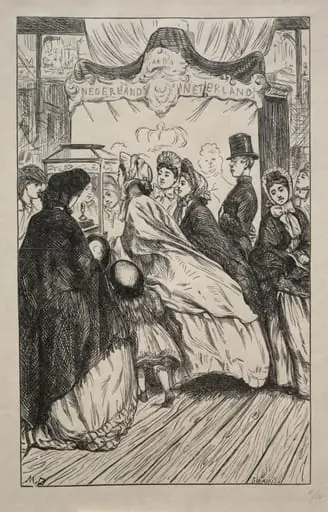 Jewels - At the Great Exhibition
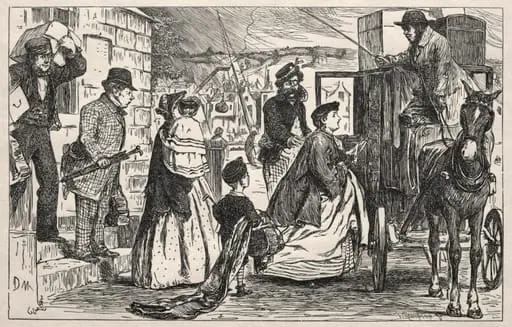 Our Brilliant Failure
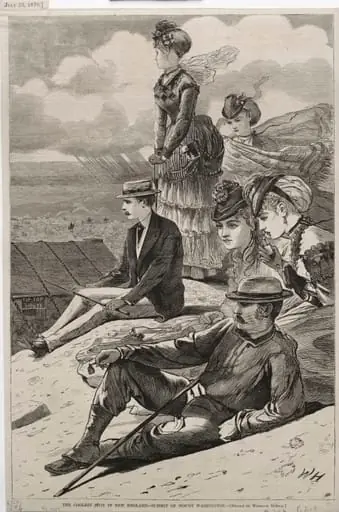 The Coolest Spot in New England - Summit of Mount Washington
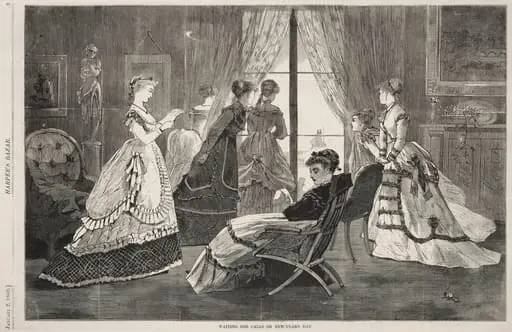 Waiting for Calls on New Year's Day
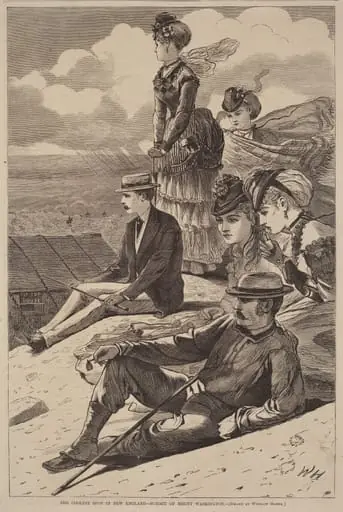 The Coolest Spot in New England - Summit of Mount Washington
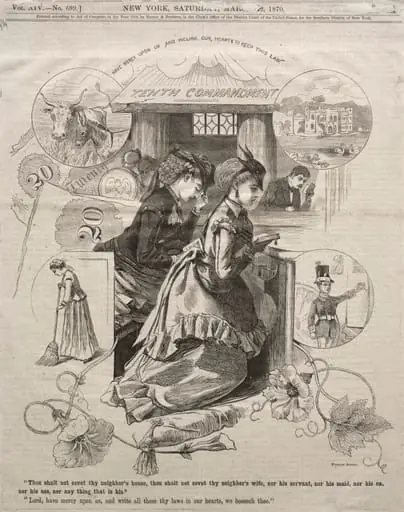 Tenth Commandment
 A Scene at the Derby
 The Buds
 On the Beach at Long Branch - The Children's Hour
 Our Watering Places - The Empty Sleeve at Newport
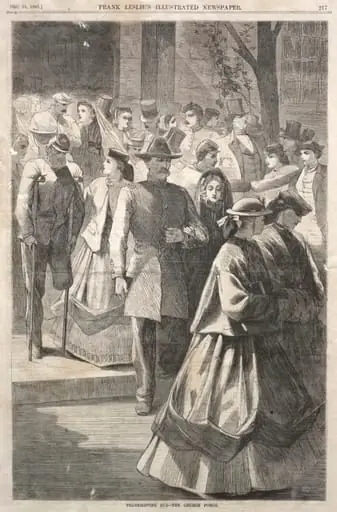 Thanksgiving Day - The Church Porch
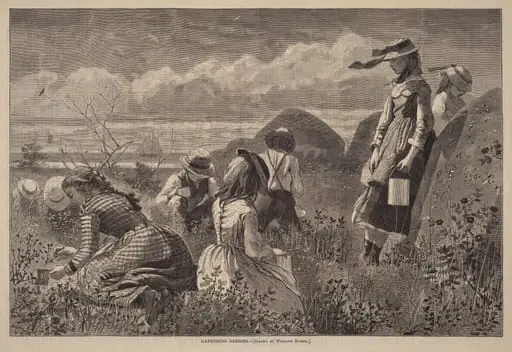 Gathering Berries