Artwork
Channel Bass
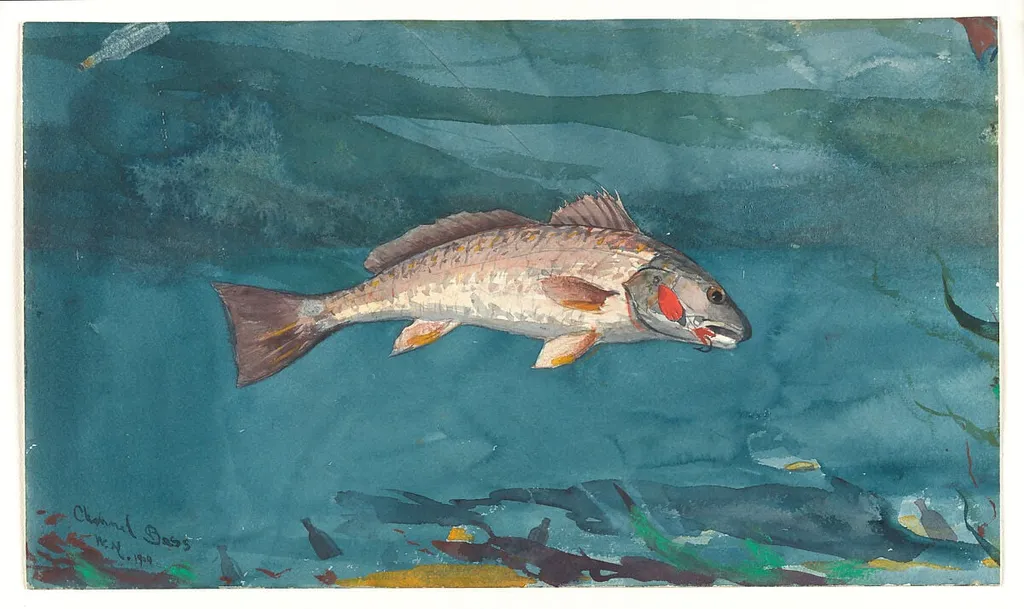
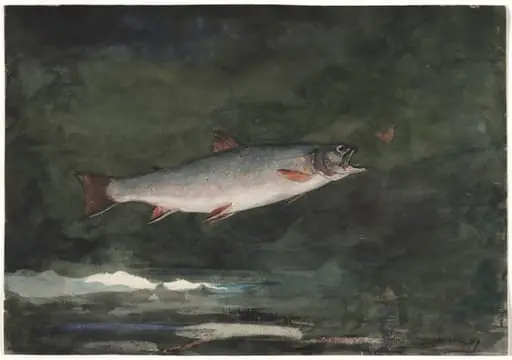
Channel Bass is a watercolor work on paper by the American Impressionist artist Winslow Homer. It dates from 1904 and is held in the collection of the Metropolitan Museum of Art.
About this work
Overview
The piece belongs to a series of late-career watercolors Homer produced during summers in Maine, where he turned increasingly to direct observation of nature.
Created in 1904, *Channel Bass* is a watercolor and graphite work on white wove paper by Winslow Homer, part of the American Wing’s collection. The piece belongs to a series of late-career watercolors Homer produced during summers in Maine, where he turned increasingly to direct observation of nature. Its unadorned subject and spontaneous execution reflect his deepening engagement with the material possibilities of watercolor as a standalone medium.
Subject & Meaning
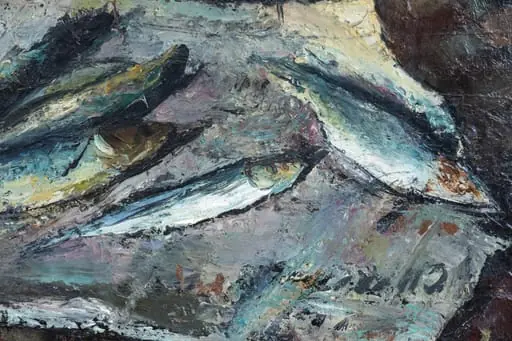
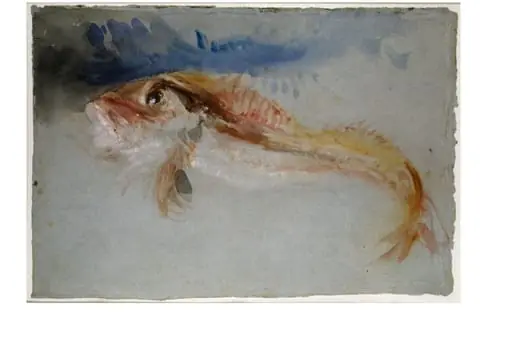
Two channel bass, freshly caught, lie sprawled on a weathered wooden surface. Their bodies, still glistening with sea spray, are rendered without idealization—no symbolic flourish, no staged composition. Homer captures the moment of transition from life to stillness, emphasizing the fish’s physical presence rather than their cultural or culinary value. The work conveys quiet reverence for the natural world as encountered, not interpreted.
Technique & Style
Homer employed loose, rapid brushwork and layered glazes to suggest the wet sheen of fish scales and the grain of the table. Graphite underdrawing anchors the forms while watercolor washes build luminosity through transparency. The paper’s white surface remains partially visible, enhancing the effect of light reflecting off damp skin. His technique avoids detail in favor of atmospheric suggestion, allowing the medium’s fluidity to guide the viewer’s perception.
History & Provenance
Painted during Homer’s annual stays at Prouts Neck, Maine, *Channel Bass* emerged from his daily engagement with the coastal environment. He kept no formal studio there, instead working outdoors or in a simple studio space overlooking the sea. The painting remained in his possession until his death in 1910, after which it entered a private collection before being acquired by the museum.
Context
By 1904, Homer had moved beyond narrative illustration and Civil War-era realism, focusing instead on solitary encounters with nature. His watercolors from this period diverged from the polished aesthetics of academic art, aligning more closely with direct observation and material honesty. Though sometimes grouped with American Impressionism, his approach was more restrained, prioritizing structure and sensory truth over light effects.
Legacy
*Channel Bass* exemplifies Homer’s late watercolor practice, which redefined the medium’s potential in American art. His ability to convey weight, texture, and transience with minimal strokes influenced generations of watercolorists. The work stands as a quiet testament to his belief that art should arise from sustained attention to the visible world, not from convention or embellishment.
Artist & collection
Artist
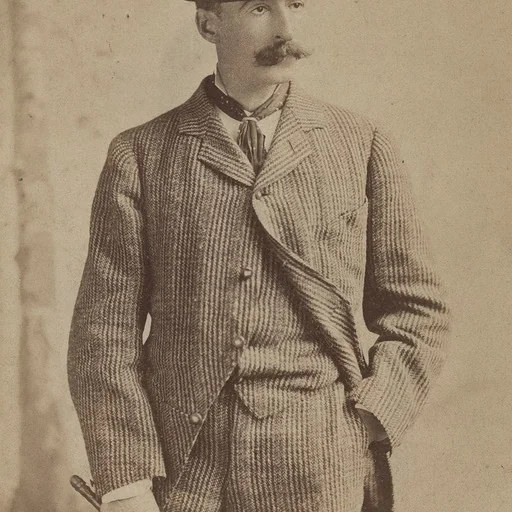
Winslow Homer (February 24, 1836 – September 29, 1910) was an American landscape painter and illustrator, best known for his marine subjects.