Artwork
The Cotton Pickers
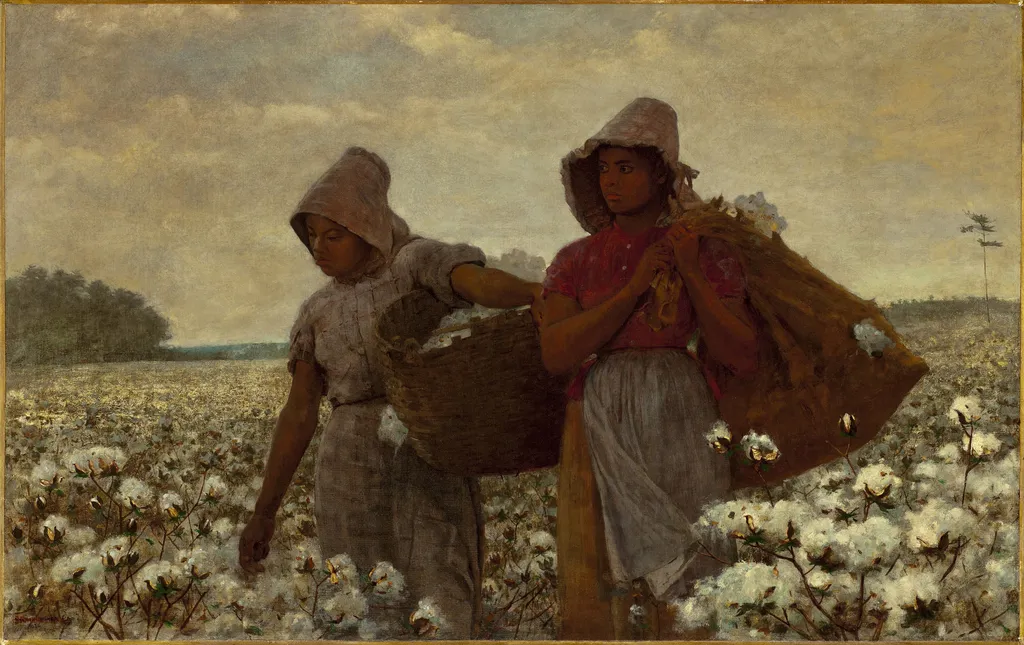
The Cotton Pickers is an oil painting by the American Impressionist artist Winslow Homer. It dates from 1888 and is held in the collection of the Los Angeles County Museum of Art.
About this work
The painting reflects how they had been picking cotton before the Civil War and continued to do so afterward, suggesting a lingering sense of disappointment.
The Cotton Pickers is an oil painting made in 1876 by American artist Winslow Homer. It shows two young African‑American women working in a cotton field.
Both figures look quiet and there is only a faint hint of sadness on their faces. The painting reflects how they had been picking cotton before the Civil War and continued to do so afterward, suggesting a lingering sense of disappointment. The quiet mood adds depth to the scene.
You can see the work at the Los Angeles County Museum of Art.
Overview
Painted in 1876, The Cotton Pickers is an oil work by American artist Winslow Homer. It portrays two young African-American women engaged in the labor of cotton harvesting, standing motionless amid rows of plants under a broad sky. The composition avoids dramatic gesture, instead emphasizing stillness and solitude, inviting contemplation of their enduring condition.
Subject & Meaning
The figures, though expressionless, convey a quiet gravity. Their presence in the field after emancipation suggests continuity rather than liberation—cotton picking, once enforced by slavery, persists without structural change. The painting does not narrate triumph or tragedy, but observes a life unchanged by political shifts, hinting at unfulfilled promises of freedom.
Technique & Style
Homer employs muted earth tones and soft, diffused light to ground the scene in realism. Brushwork is restrained, with careful attention to the texture of fabric and the weight of the women’s postures. The background fades into hazy distance, focusing attention on the figures and their labor, reinforcing the painting’s introspective tone.
History & Provenance
Completed in 1876, the painting was acquired by the Los Angeles County Museum of Art in the 20th century. It was not widely exhibited during Homer’s lifetime, and its quiet subject matter contrasted with the more sensational narratives common in postwar American art. Its current placement reflects a later recognition of its historical resonance.
Context
In the decade following the Civil War, many formerly enslaved people remained tied to agricultural labor under exploitative systems. Homer, known for his coastal scenes, turned his attention to rural Black life during this period, offering a sober counterpoint to idealized portrayals of Reconstruction. The painting reflects a nation grappling with the gap between legal freedom and lived reality.
Legacy
The Cotton Pickers endures as a restrained yet powerful meditation on continuity after emancipation. It resists sentimentality, instead presenting dignity in repetition. Later scholars and artists have cited it as an early example of American realism that centered Black experience without overt political messaging, allowing its quietness to speak volumes.
Artist & collection
Artist
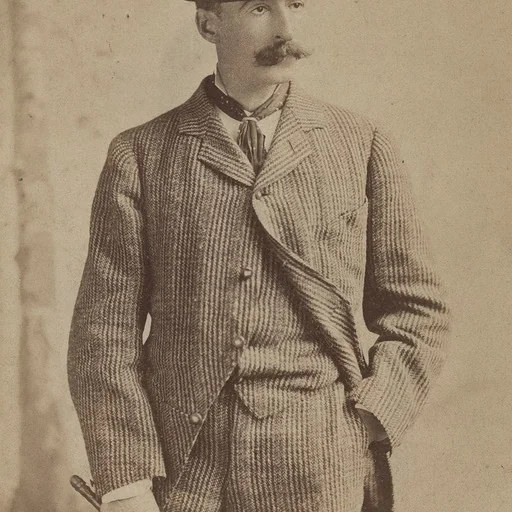
Winslow Homer (February 24, 1836 – September 29, 1910) was an American landscape painter and illustrator, best known for his marine subjects.