Artwork
Portrait of Izabela née von Flemming, Princess Czartoryska (1746–1835)
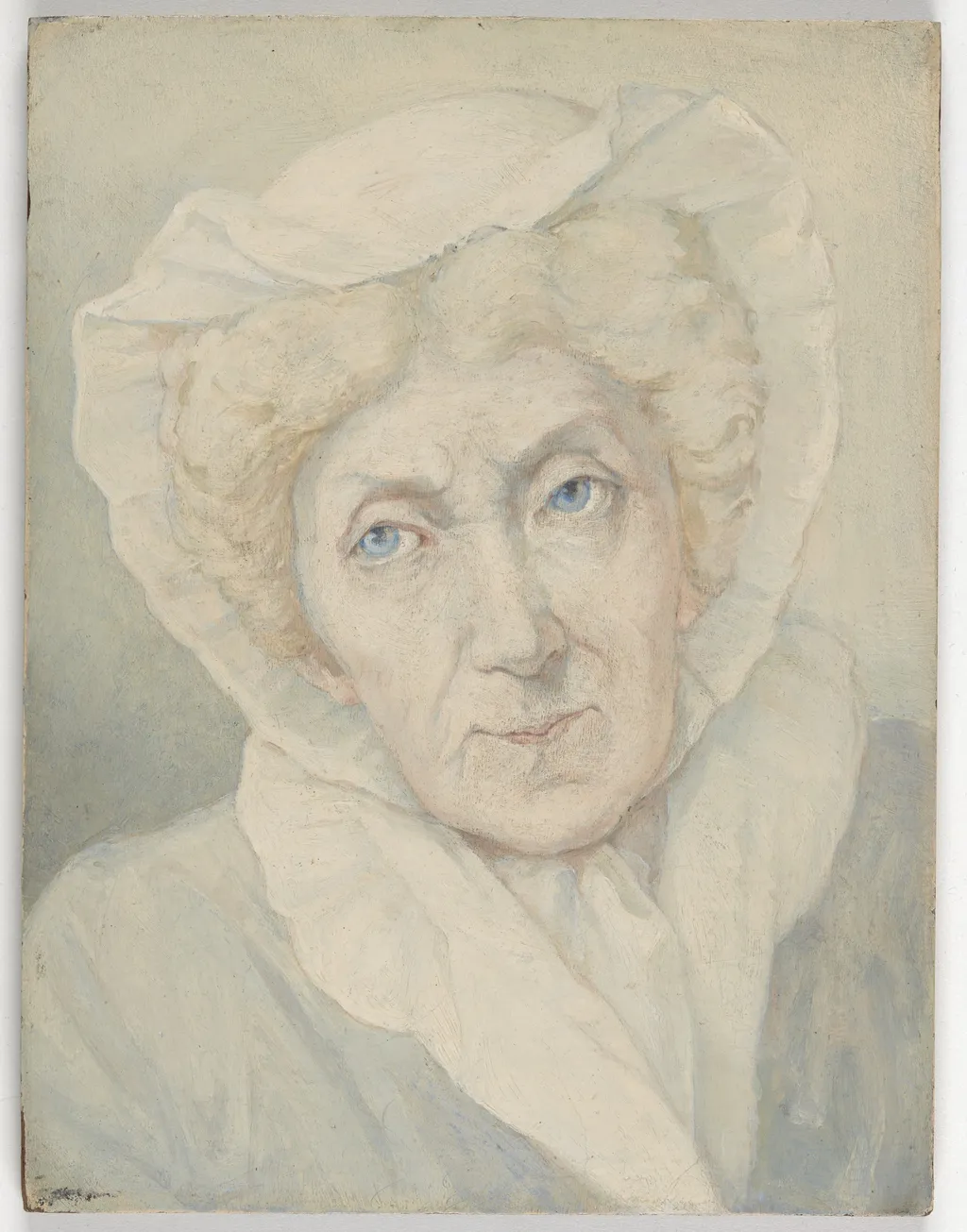
Portrait of Izabela née von Flemming, Princess Czartoryska (1746–1835) is an oil painting by Wojciech Stattler. It dates from 1847 and is held in the collection of the National Museum in Kraków.
About this work
Overview
Painted around 1847 by Wojciech Stattler, this oil portrait captures Izabela von Flemming, Princess Czartoryska, a prominent figure in Polish cultural life.
Painted around 1847 by Wojciech Stattler, this oil portrait captures Izabela von Flemming, Princess Czartoryska, a prominent figure in Polish cultural life. Stattler, a Polish artist of Swiss descent, had spent years studying in Vienna and Rome before becoming a professor at Kraków’s School of Fine Arts in 1831. The work is part of the National Museum in Kraków’s collection and reflects his mature style, shaped by academic training and Romantic sensibilities.
Subject & Meaning
Izabela Czartoryska, born von Flemming, was a noblewoman known for her patronage of the arts and preservation of Polish heritage. The portrait presents her in later life, her gaze steady and composed, conveying dignity rather than grandeur. The modest white head covering and scarf suggest restraint and piety, aligning with her role as a custodian of cultural memory during a time of national upheaval. Her expression avoids theatricality, emphasizing inner resolve over external display.
Technique & Style
Stattler employs subtle chiaroscuro to model the face and hands, lending volume without dramatic contrast. The muted gray background isolates the figure, focusing attention on her quiet presence. Brushwork is refined but not overly polished, allowing texture in the fabric and hair to emerge naturally. The palette is restrained—dominated by whites, soft grays, and faint blue tones—enhancing the portrait’s introspective mood and avoiding ornamental excess.
History & Provenance
The painting entered the National Museum in Kraków’s collection in the 19th century, likely through the Czartoryski family’s longstanding ties to Polish cultural institutions. Stattler painted it during his tenure as a professor, a period when he focused on portraiture and historical subjects. Its preservation reflects the family’s commitment to documenting their lineage and contributions to national identity amid partitions of Poland.
Context
Created decades after Izabela’s marriage and during Poland’s partition era, the portrait resonates with themes of endurance and cultural continuity. As a key figure in the Czartoryski circle, she supported the preservation of Polish artifacts and memory. Stattler’s approach, rooted in academic tradition yet infused with Romantic restraint, mirrors the broader artistic effort to sustain national identity through quiet, dignified representation.
Legacy
The portrait remains a significant example of 19th-century Polish portraiture, illustrating how personal dignity and cultural memory were intertwined in visual form. Stattler’s restrained technique influenced later generations of Polish artists seeking to convey depth without sentimentality. The work continues to be studied for its balance between individual character and historical context, offering insight into elite women’s roles in shaping national consciousness.
Artist & collection
Artist
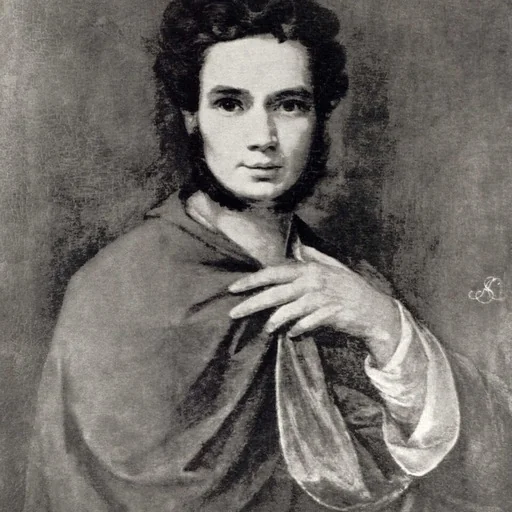
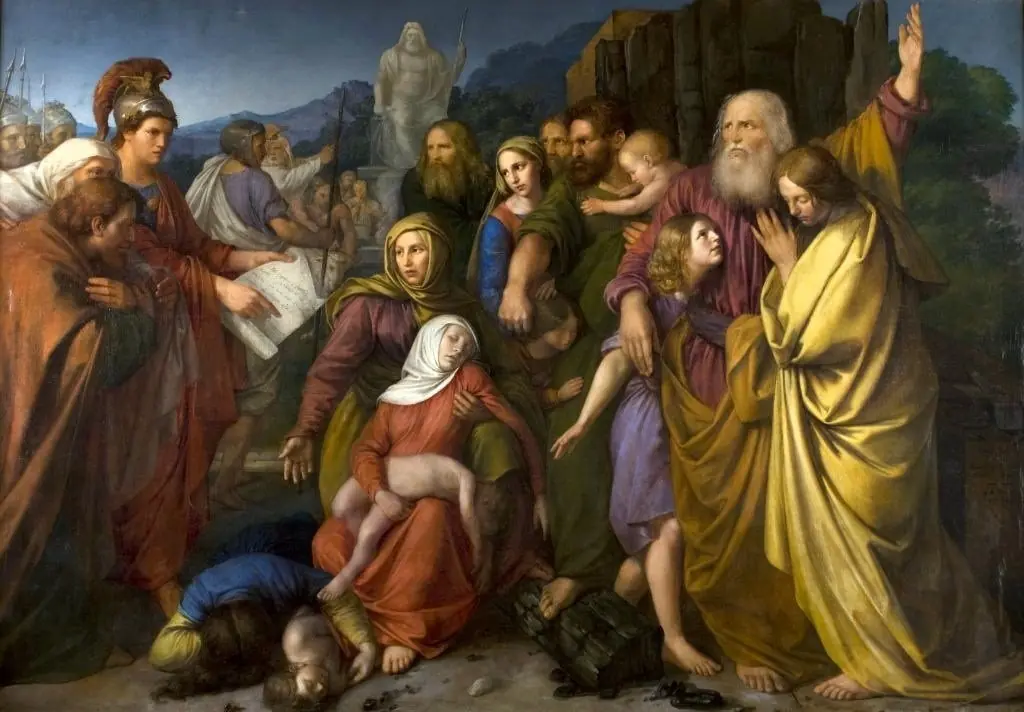
Wojciech Korneli Stattler or Albert Kornel Stattler (20 April 1800 – 6 November 1875) was a Polish Romantic painter of Swiss aristocratic ancestry, who started training in Vienna and at age 17 went to St.

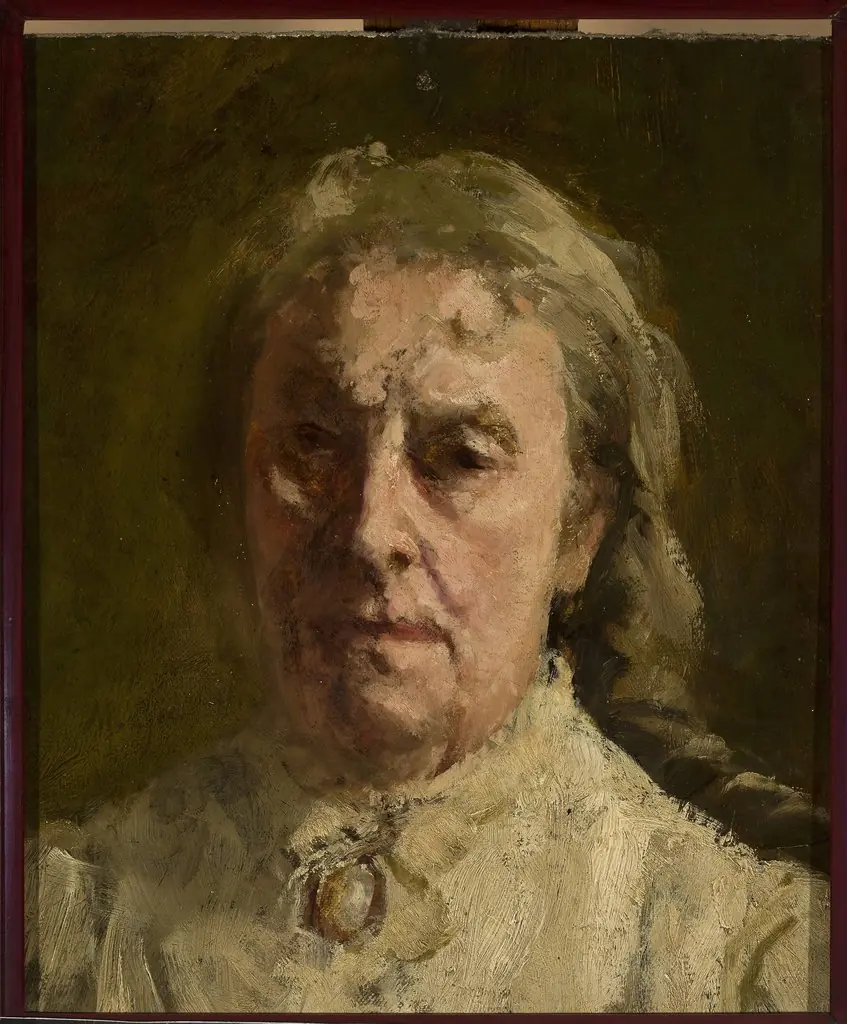 Head of a woman
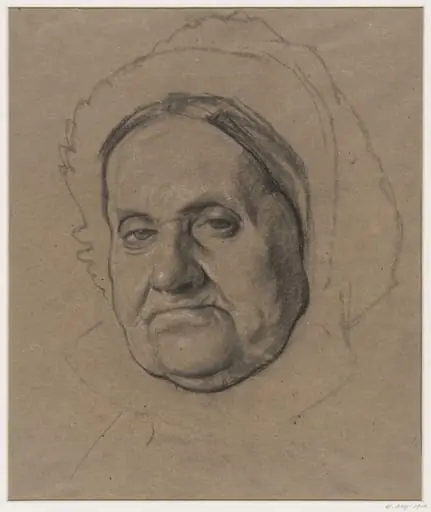 An old market woman.
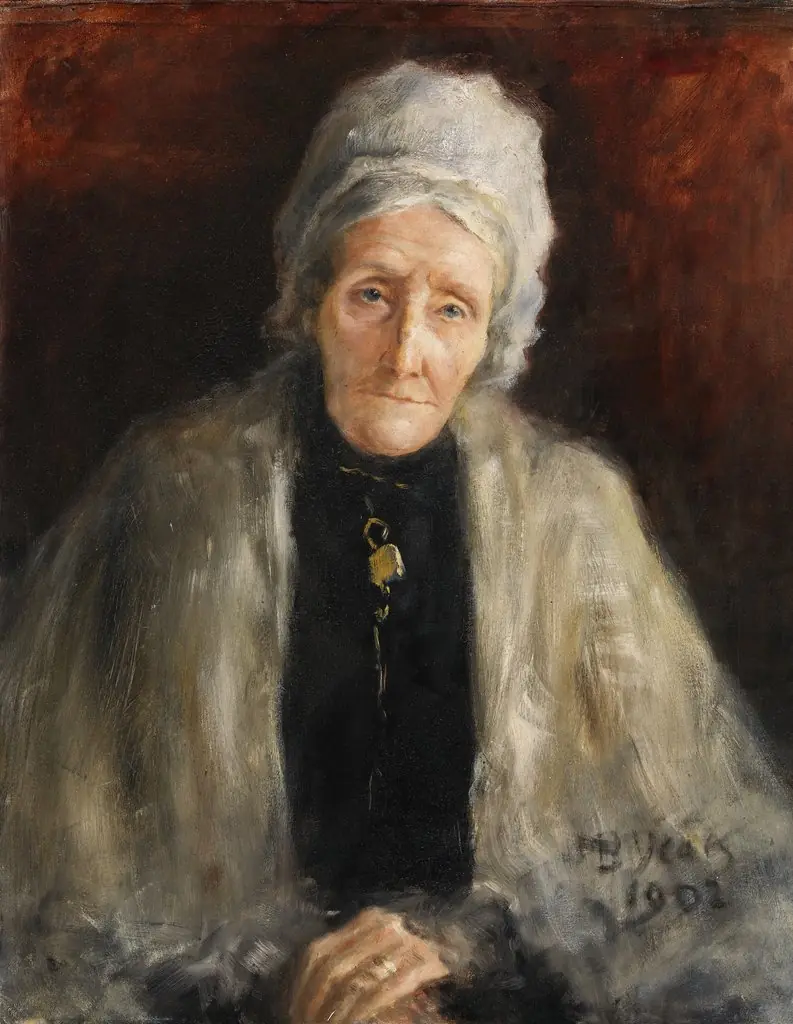 Portrait of Miss K. Leney
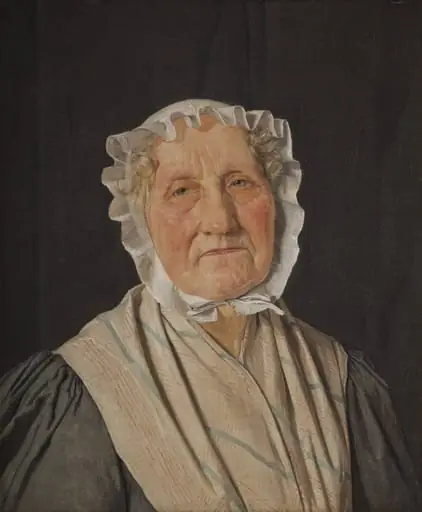 Portrait of Inger Margrethe Høyen, née Schrøder, the Mother of the Art Historian N.L. Høyen
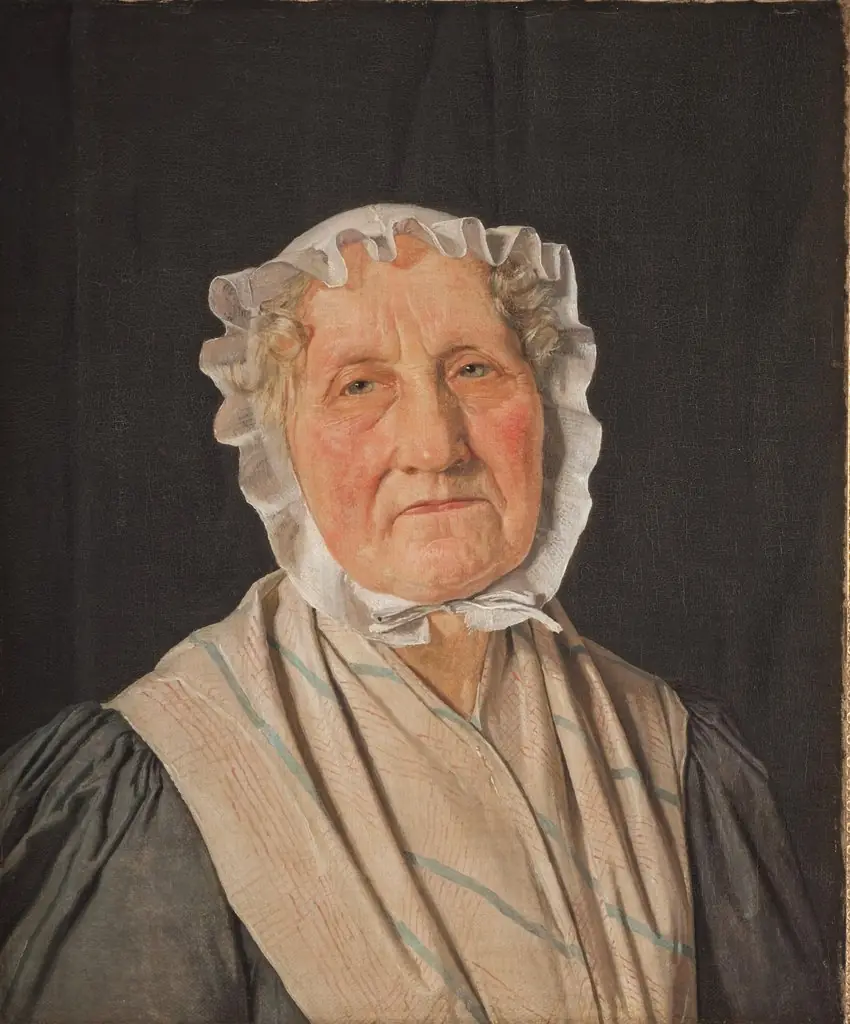 Portrait of Inger Margrethe Høyen, née Schrøder, the Mother of the Art Historian N.L. Høyen
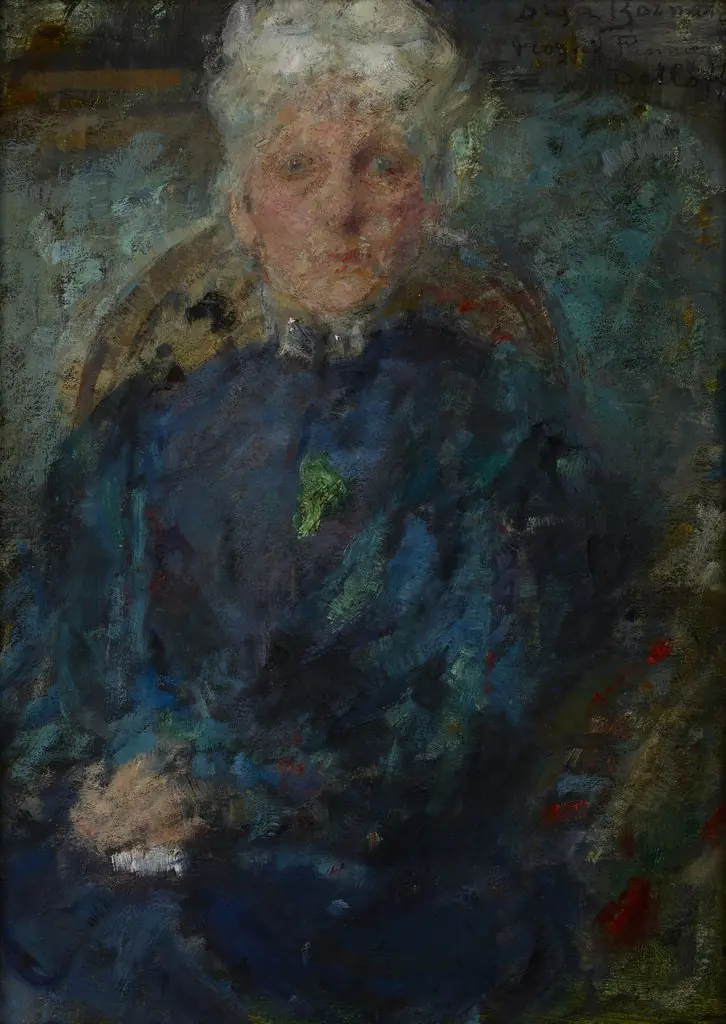 Portrait of Łucja Detloff
 Untitled
 Portrait of Doña Ignacia Martinez de Hoz de Casares
 A North Carolina Mountain Woman
 Portrait of a woman in a cap
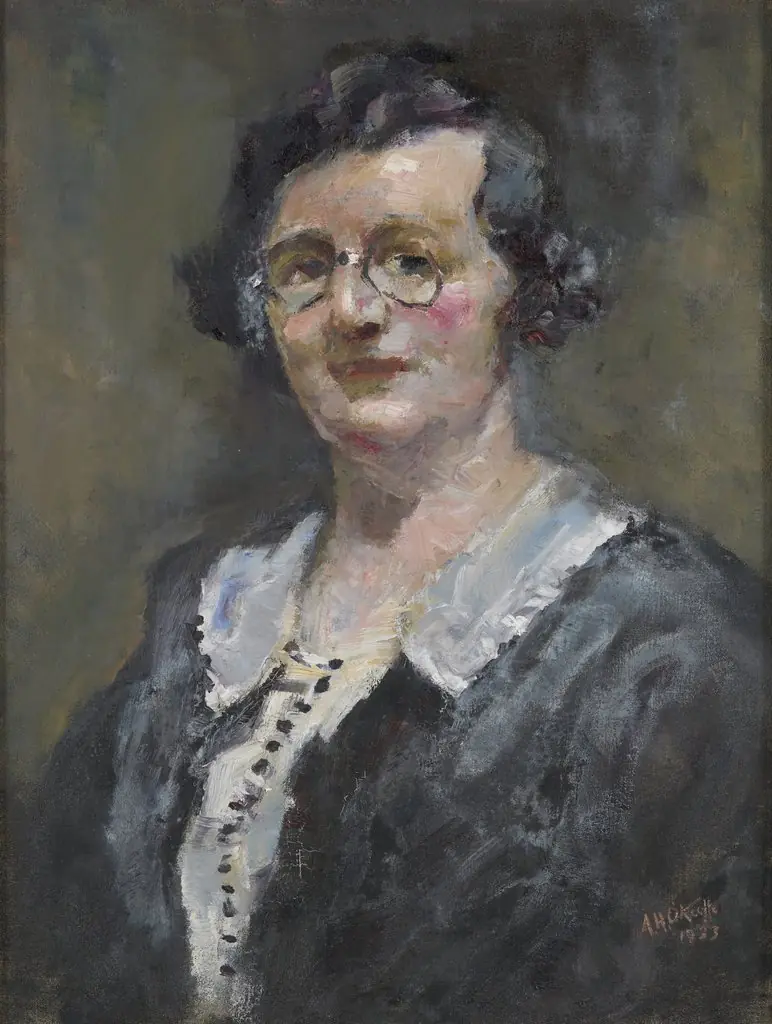 Portrait of Miss I. Robertson
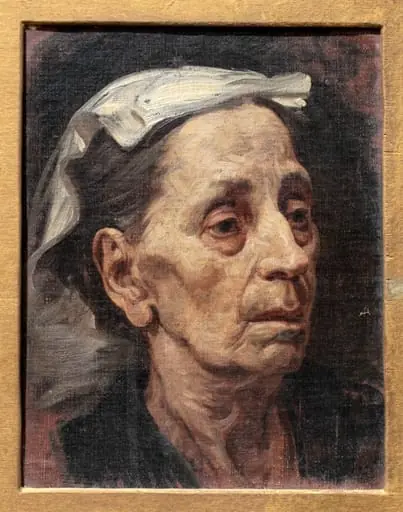 Cap de bătrână