Artwork
Maccabees
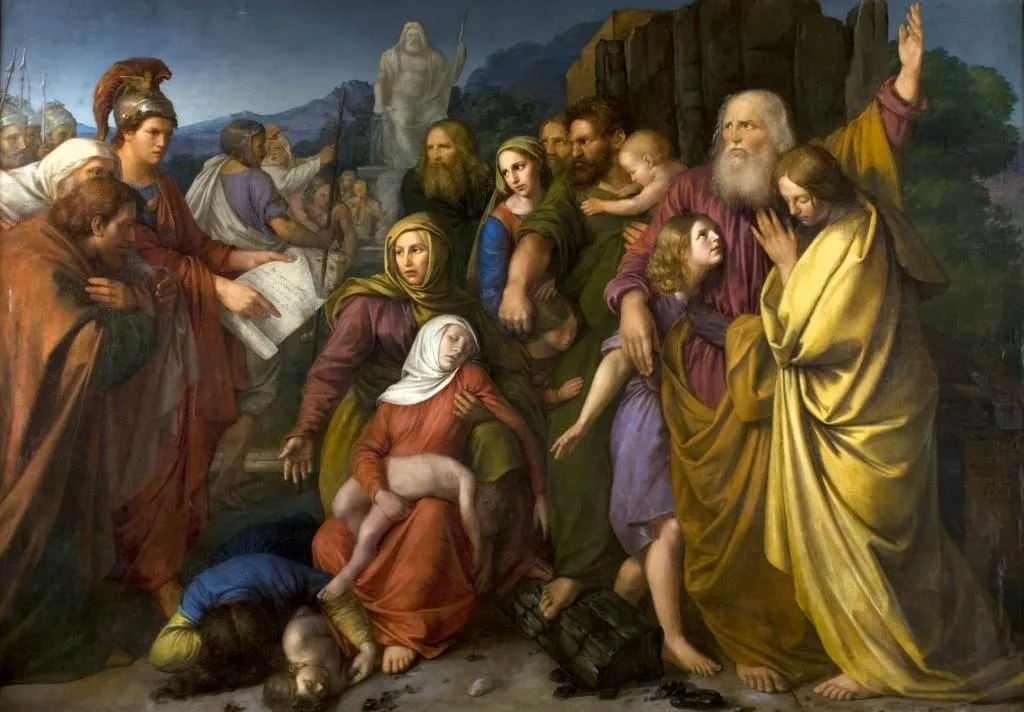
Maccabees is an oil painting by Wojciech Stattler. It dates from 1836 and is held in the collection of the National Museum in Kraków.
About this work
Overview
Stattler, a Polish artist of Swiss descent, trained in Vienna and Rome before returning to Poland to teach at the Kraków School of Fine Arts.
Painted in 1836 by Wojciech Stattler, *Maccabees* is an oil-on-canvas history piece rooted in Romantic ideals. Stattler, a Polish artist of Swiss descent, trained in Vienna and Rome before returning to Poland to teach at the Kraków School of Fine Arts. The work reflects his academic background and engagement with classical themes, executed during a period when he was deeply involved in shaping Poland’s artistic education.
Subject & Meaning
The painting illustrates a moment from the Maccabean revolt, a Jewish uprising against Hellenistic oppression. Figures in the foreground, some clutching children, convey anguish and resolve amid chaos. A distant statue and rugged landscape suggest the weight of tradition and the harshness of their struggle. The scene evokes resistance and sacrifice, aligning with 19th-century Romantic nationalism, though it avoids overt political messaging.
Technique & Style
Stattler employs chiaroscuro to model forms with dramatic contrast, enhancing the emotional intensity of the group. Brushwork is fluid and expressive, capturing movement in drapery and gestures. Earth tones dominate, punctuated by blues and yellows that guide the eye through the composition. The figures are rendered with anatomical precision, reflecting his academic training, while the background landscape remains loosely defined to emphasize human drama.
History & Provenance
Completed in 1836, the painting remained in Stattler’s possession until his return to Rome in 1850. It entered the collection of the National Museum in Kraków in the late 19th century, where it has been preserved as part of Poland’s national artistic heritage. Its presence in Kraków underscores its significance to the city’s cultural identity during a time of political fragmentation.
Context
Created during a period of Polish uprisings against foreign rule, *Maccabees* resonated with contemporary audiences who saw parallels between ancient Jewish resistance and their own struggles for autonomy. Though not explicitly political, its themes of defiance and communal endurance aligned with Romantic-era ideals of heroism and national memory, making it a resonant work within Polish artistic circles.
Legacy
Though less widely known outside Poland, *Maccabees* remains a key example of 19th-century Polish academic painting. It exemplifies how historical narratives were adapted to reflect national consciousness without direct propaganda. The work continues to be studied for its synthesis of classical composition, emotional expression, and the influence of Italian Renaissance training on Central European artists.
Artist & collection
Artist
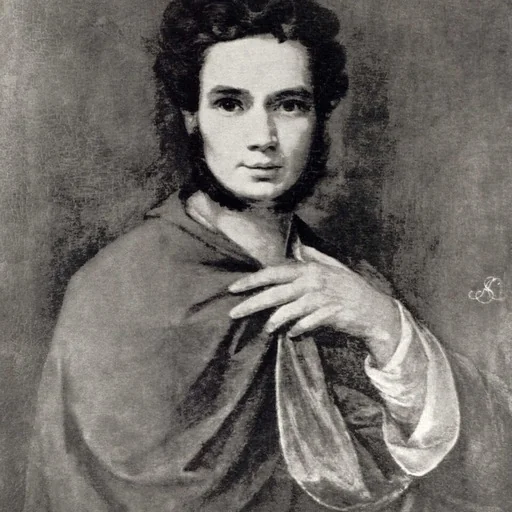
Wojciech Korneli Stattler or Albert Kornel Stattler (20 April 1800 – 6 November 1875) was a Polish Romantic painter of Swiss aristocratic ancestry, who started training in Vienna and at age 17 went to St.

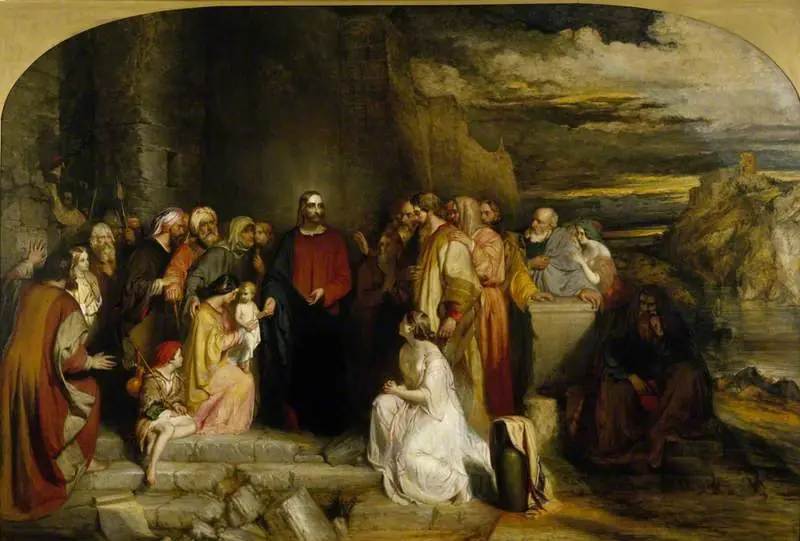 Christ Teacheth Humility
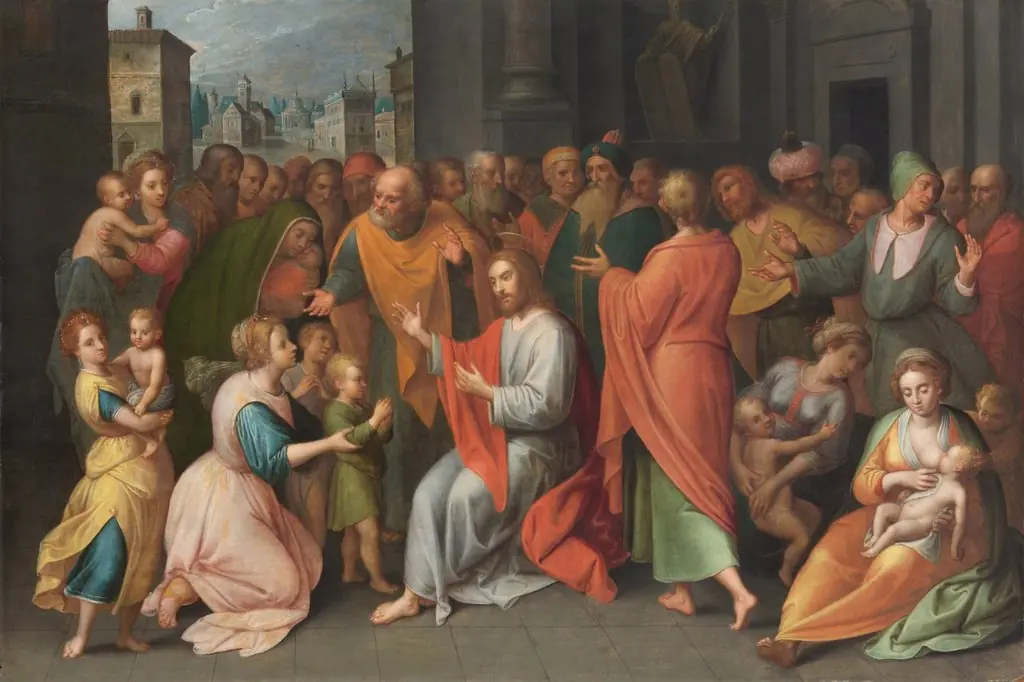 Christ blessing the children
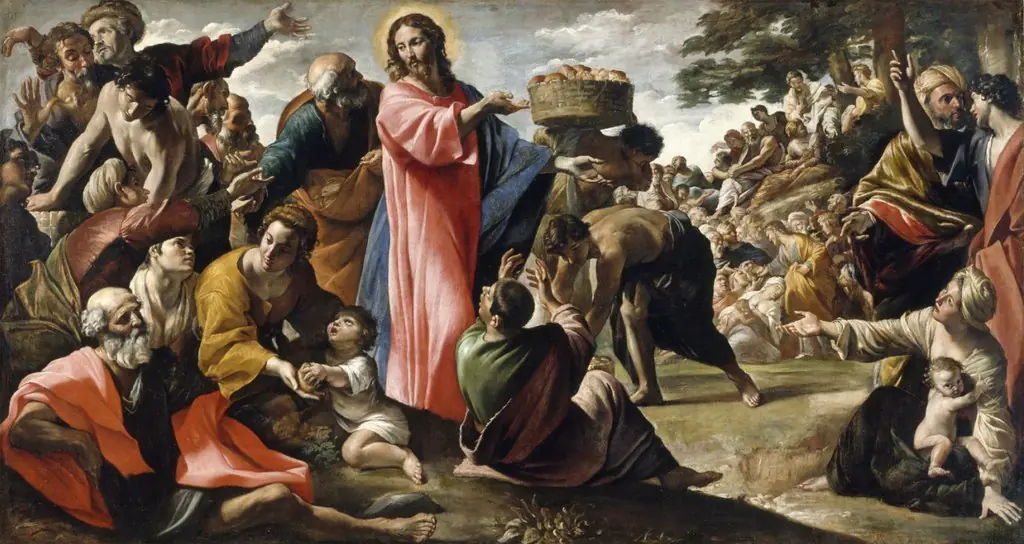 The Miracle of the Loaves and Fishes
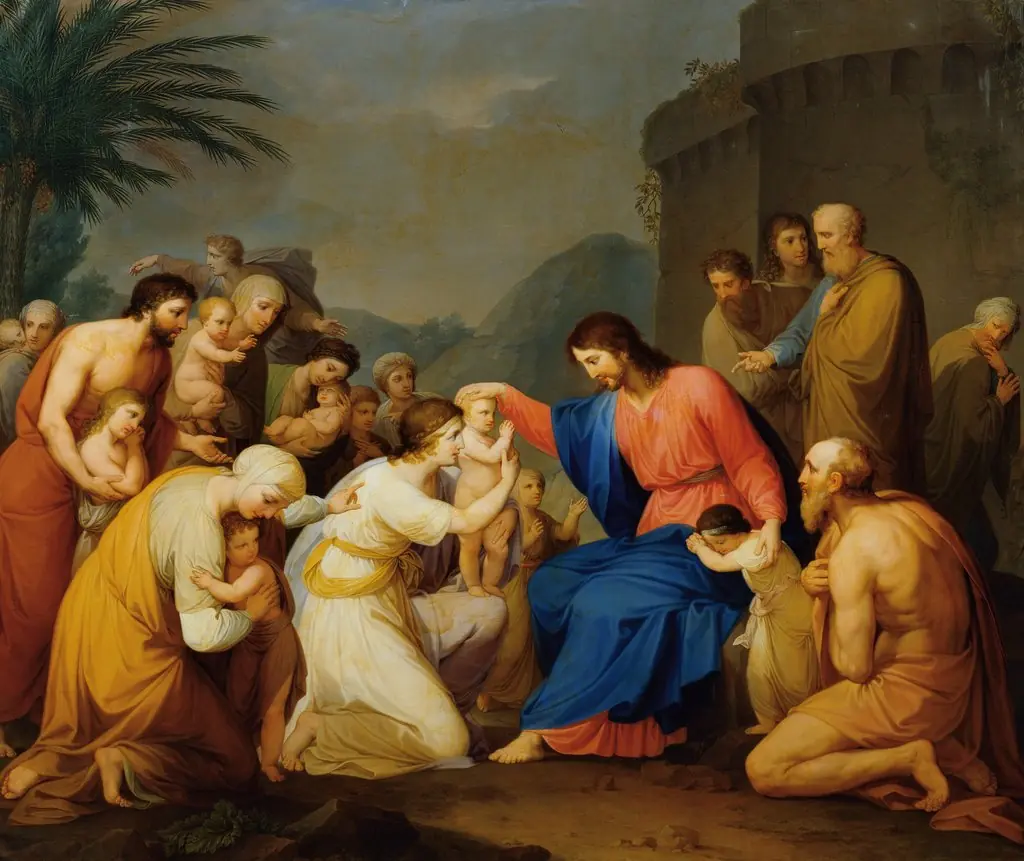 Lasset die Kindlein zu mir kommen
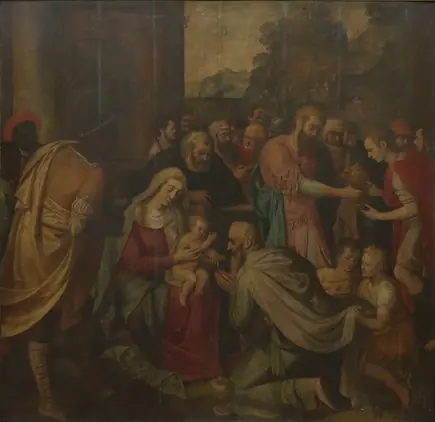 Triptych with the Adoration of the Magi
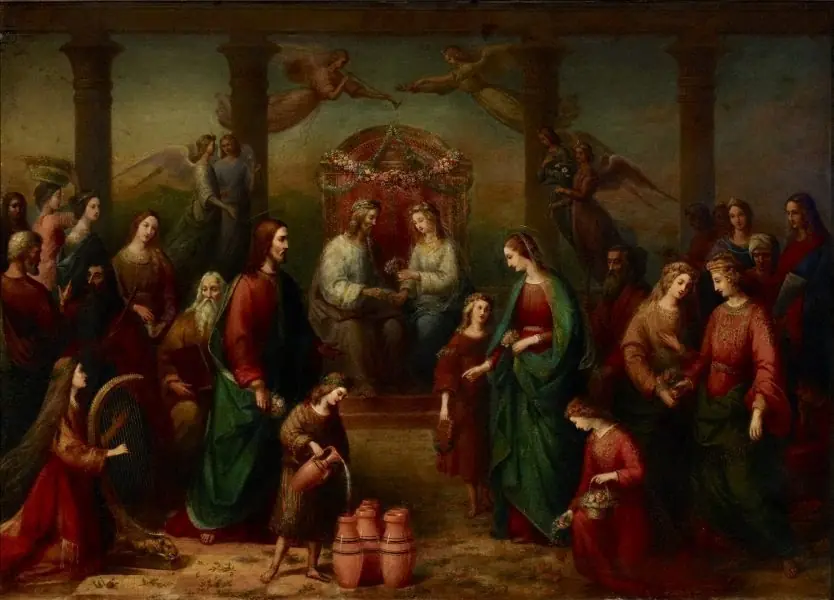 The Marriage at Cana of Galilee
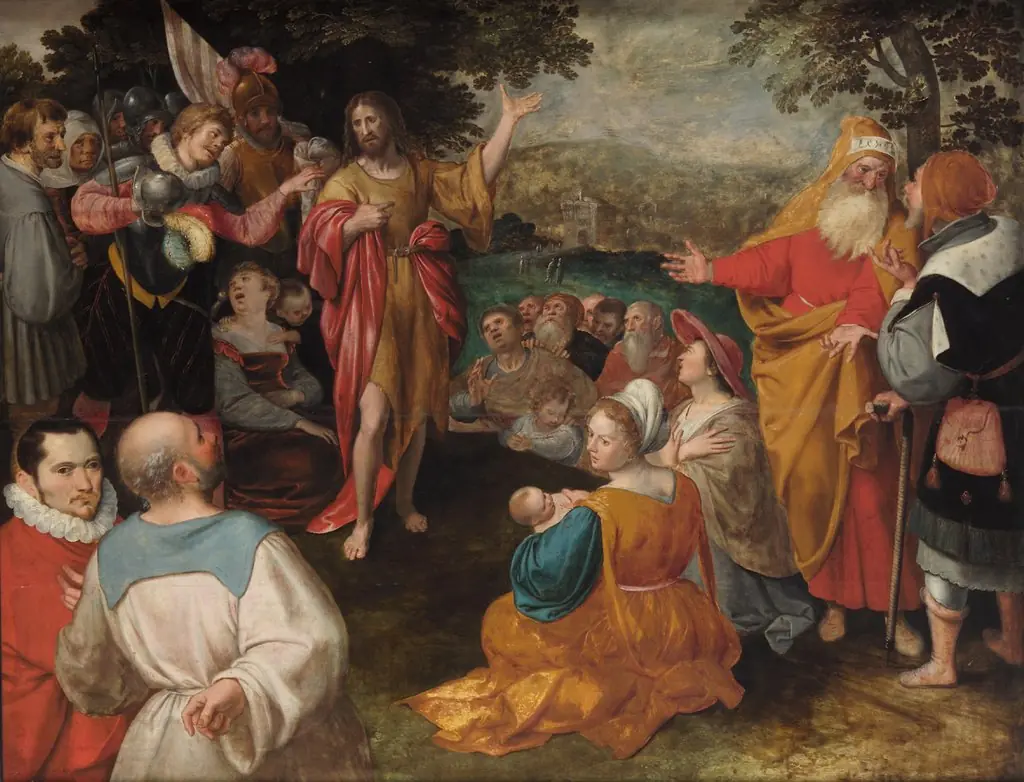 Predigt Johannes d. Täufers
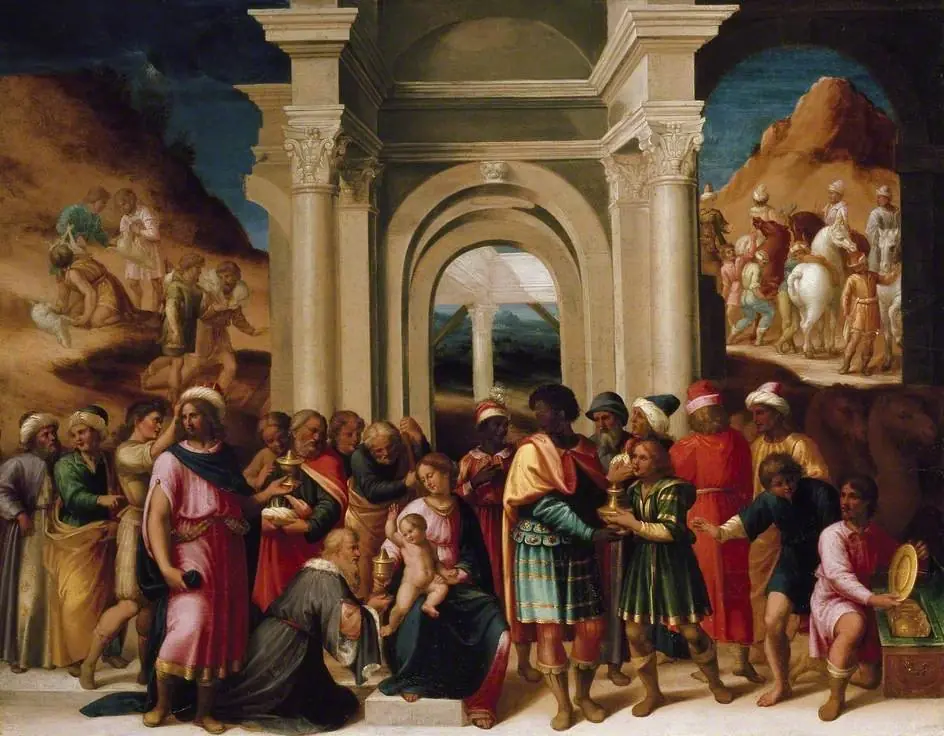 The Adoration of the Magi
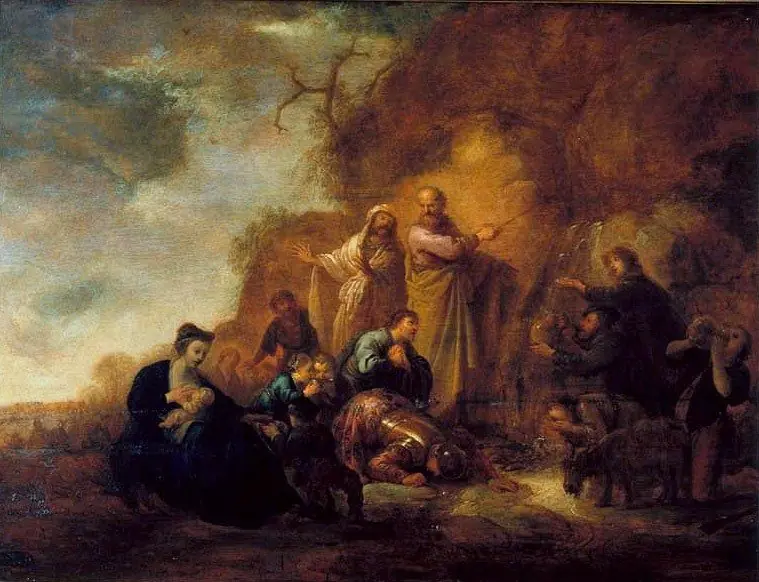 Moisés no Rochedo de Horeb
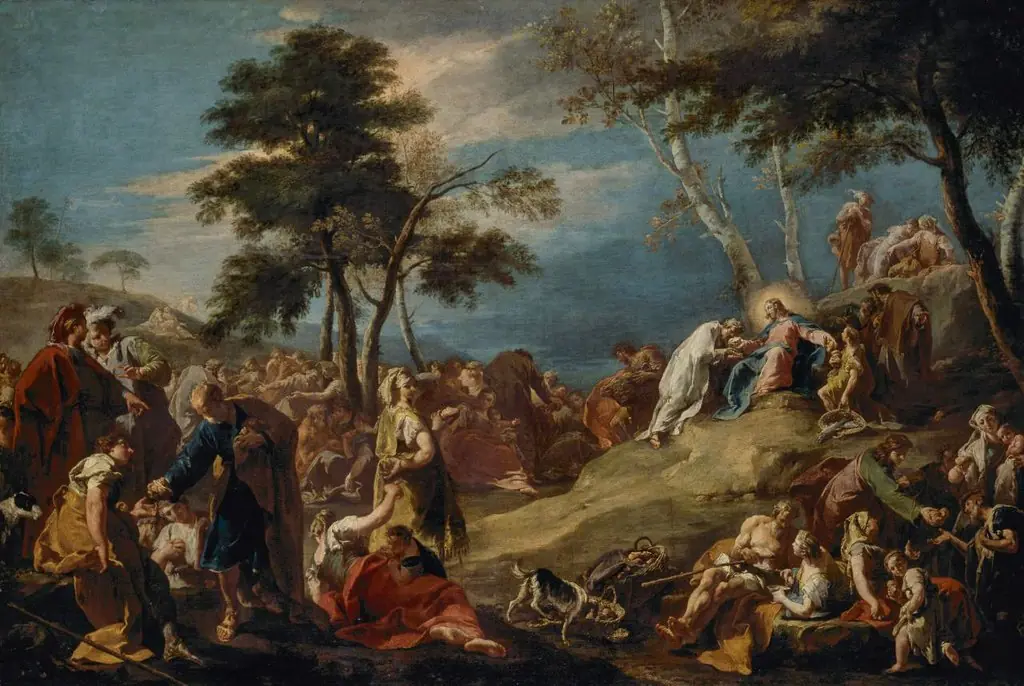 The miracle of the loaves and fishes
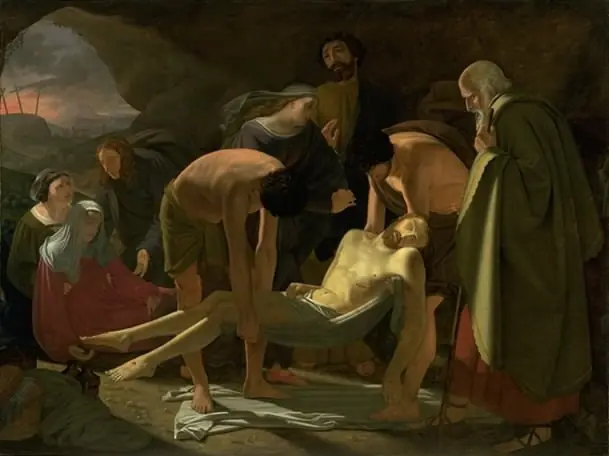 Kristi gravlæggelse
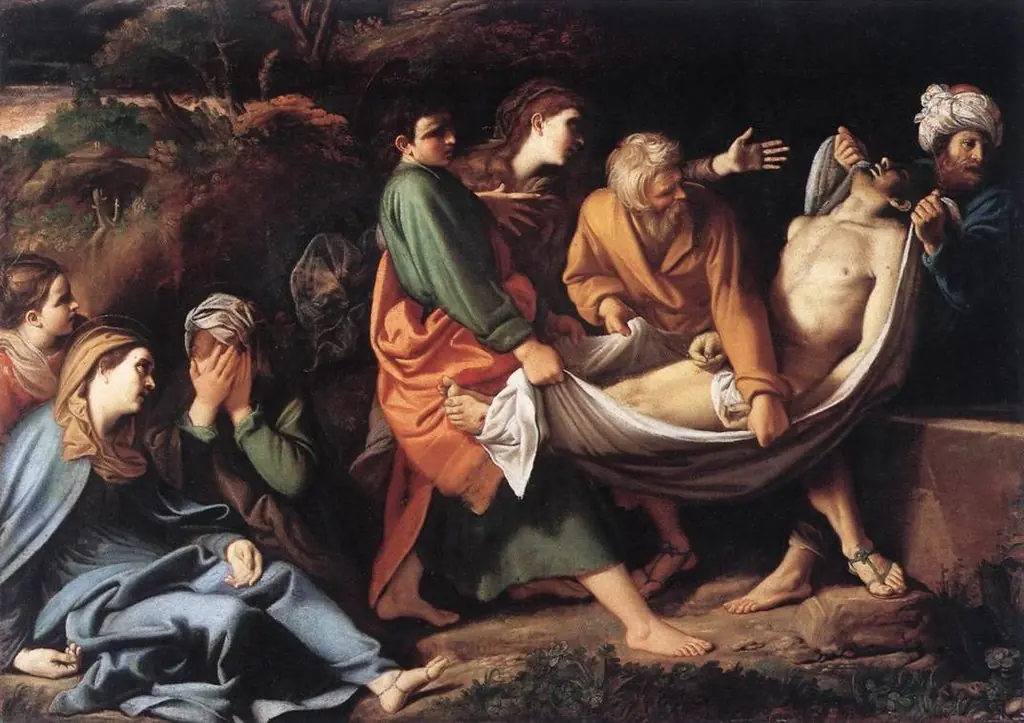 The Entombment of Christ