Artwork
Natalia Pushkina
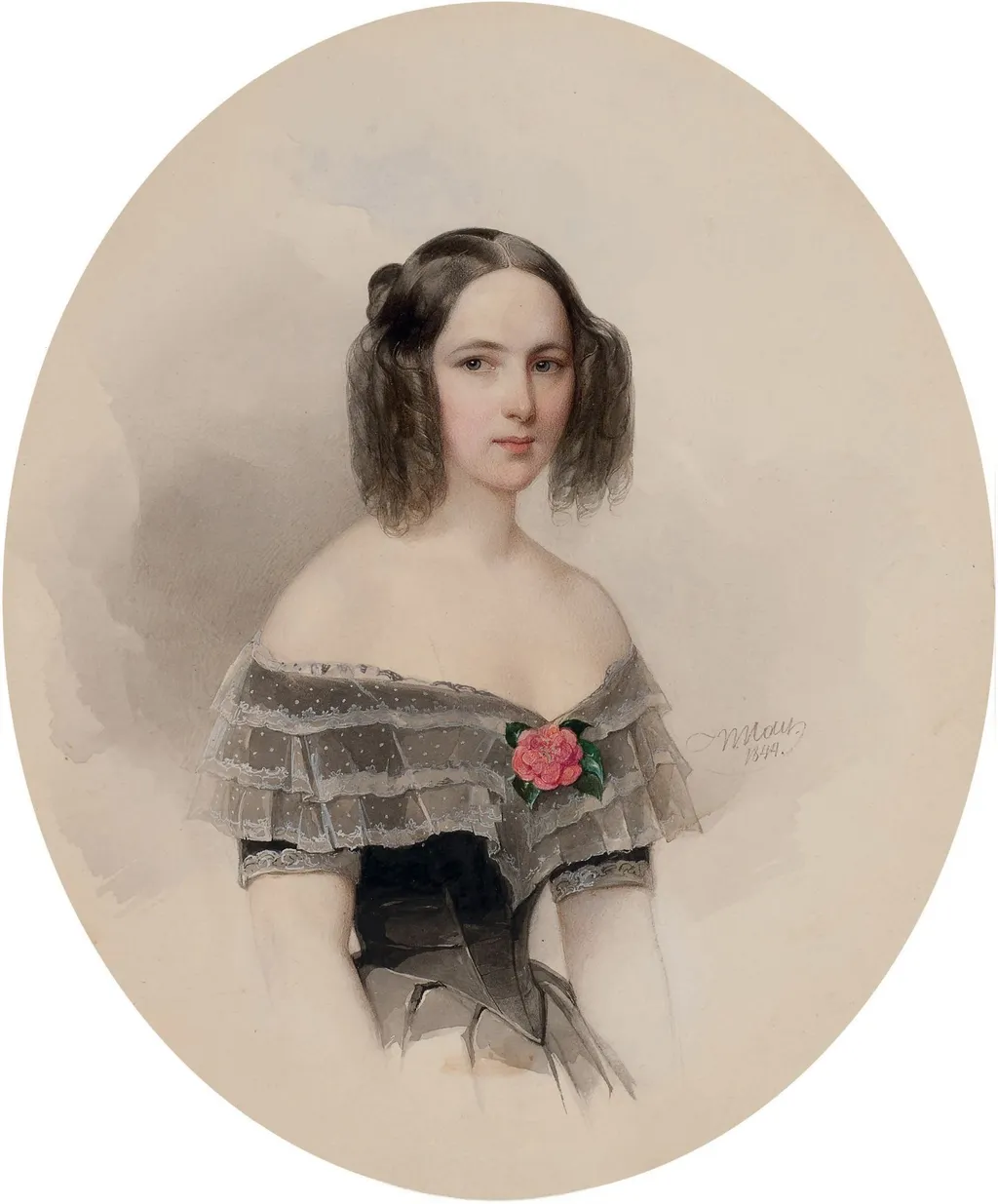
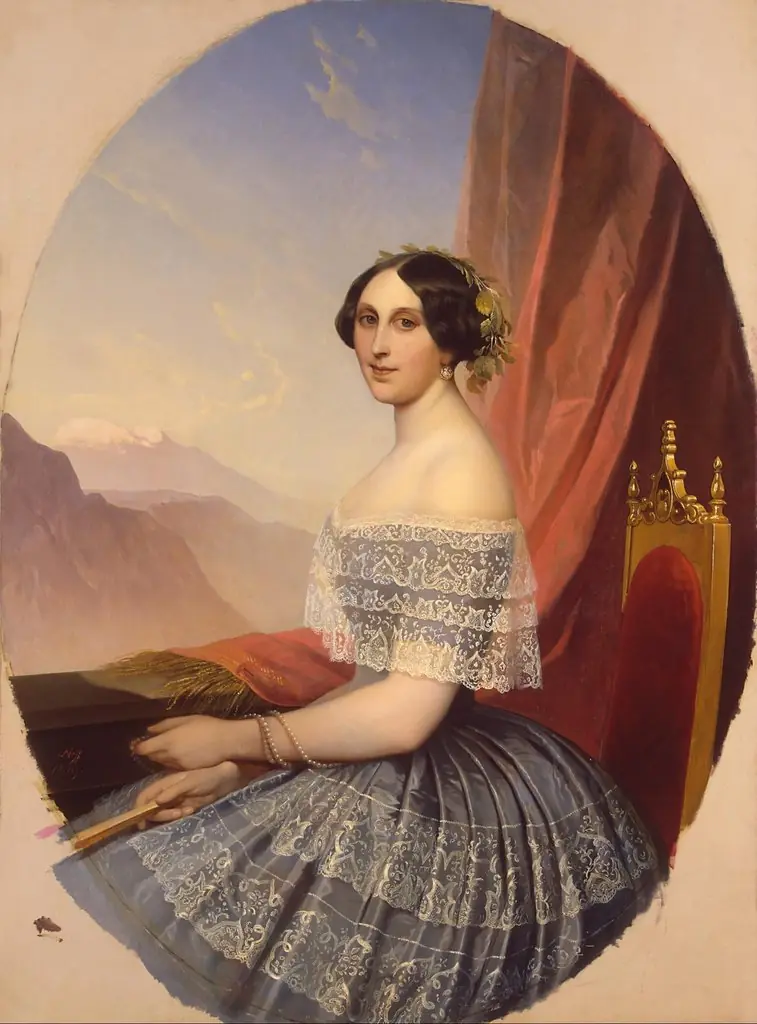
Natalia Pushkina is an unspecified painting by Woldemar Hau. It dates from 1844 and is held in the collection of the Hermitage Museum.
About this work
Overview
Created in 1844, the portrait titled *Natalia Pushkina* is a watercolor by Woldemar Hau, a Baltic‑German artist who worked in St. Petersburg during the reign of Tsar Nicholas I. The painting presents a single figure from the Russian aristocracy and is part of the State Hermitage Museum’s collection.
Subject & Meaning
The work portrays Natalia Pushkina, a member of the Russian nobility, rendered in a formal yet intimate pose typical of private portraiture. While the image offers no overt narrative, its focus on the sitter’s attire and demeanor reflects the social status and personal identity valued by the elite of the period.
Technique & Style
Hau employed watercolor on paper, a medium favored for its capacity to capture fine detail and subtle tonal variation. Executed in the Biedermeier aesthetic, the portrait emphasizes clarity, modest realism, and a restrained palette, aligning with the early‑to‑mid‑19th‑century taste for domestic, approachable representation.
History & Provenance
Woldemar Hau, known for his portraits of Russian aristocrats, produced the piece while active in the imperial capital. After its creation, the painting entered the holdings of the State Hermitage Museum, where it remains on display as part of the institution’s extensive collection of 19th‑century Russian art.
Artist & collection
Artist
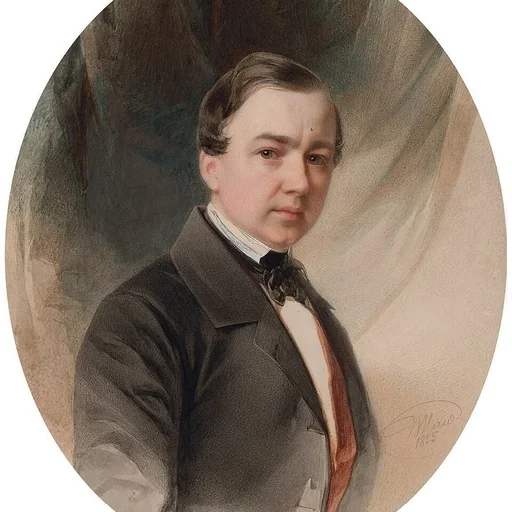
Woldemar Hau (Russian: Влади́мир Ива́нович Га́у, romanized: Vladimir Ivanovich Gau; 14 February 1816 – 23 March 1895) was a Baltic German painter, active in St.

 H Beard Print Collection
 Portret de femeie
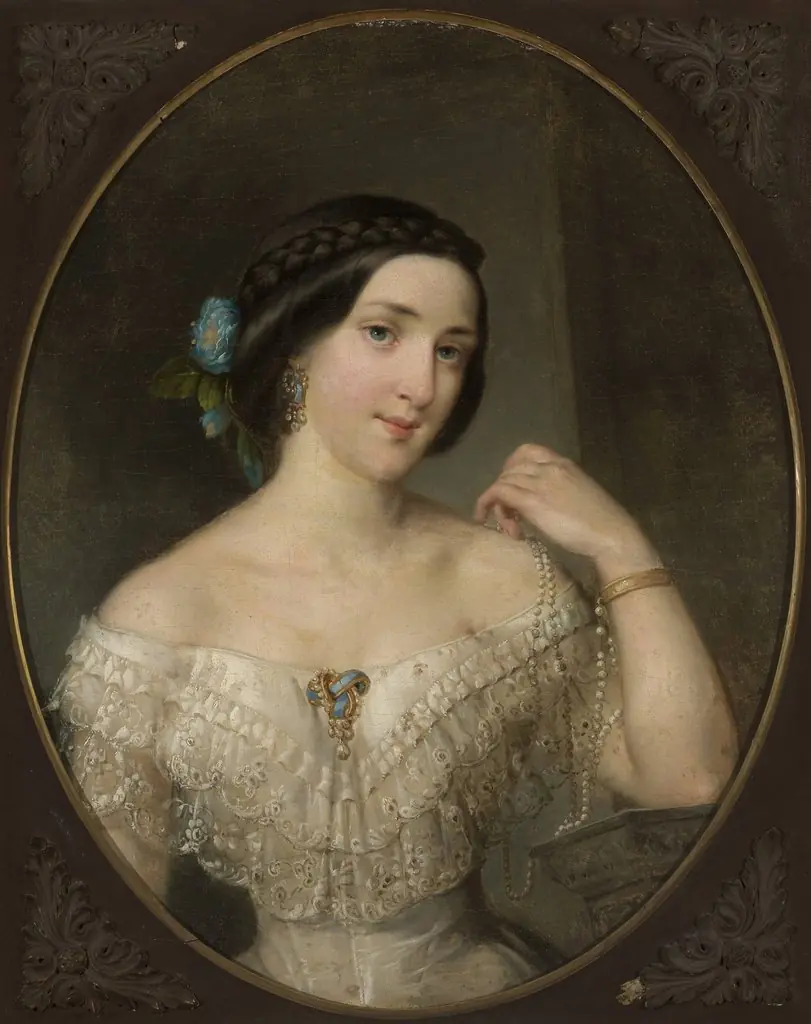 Portrait of Maria Ludwika Blumenfeld née Kobyłecka
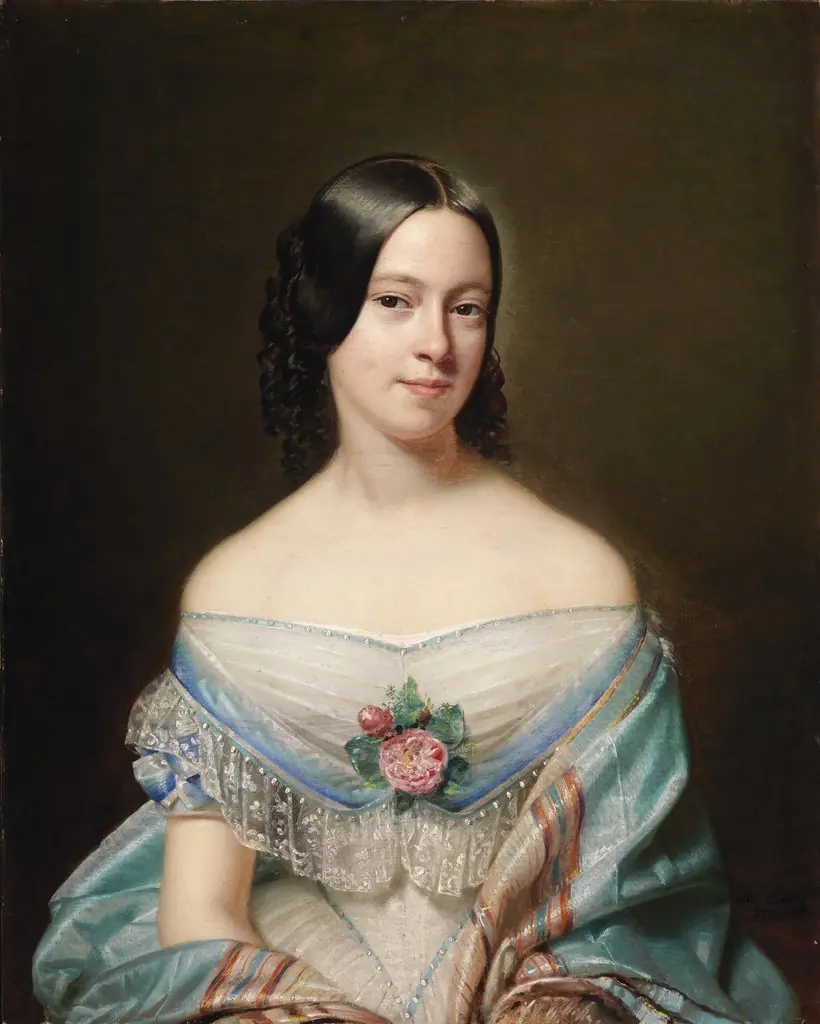 Portrait of Anna von Minarelli-Fitzgerald
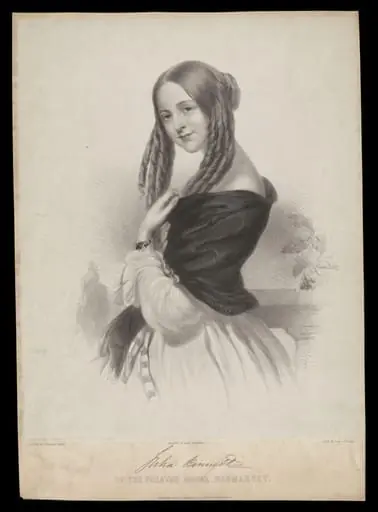 H Beard Print Collection
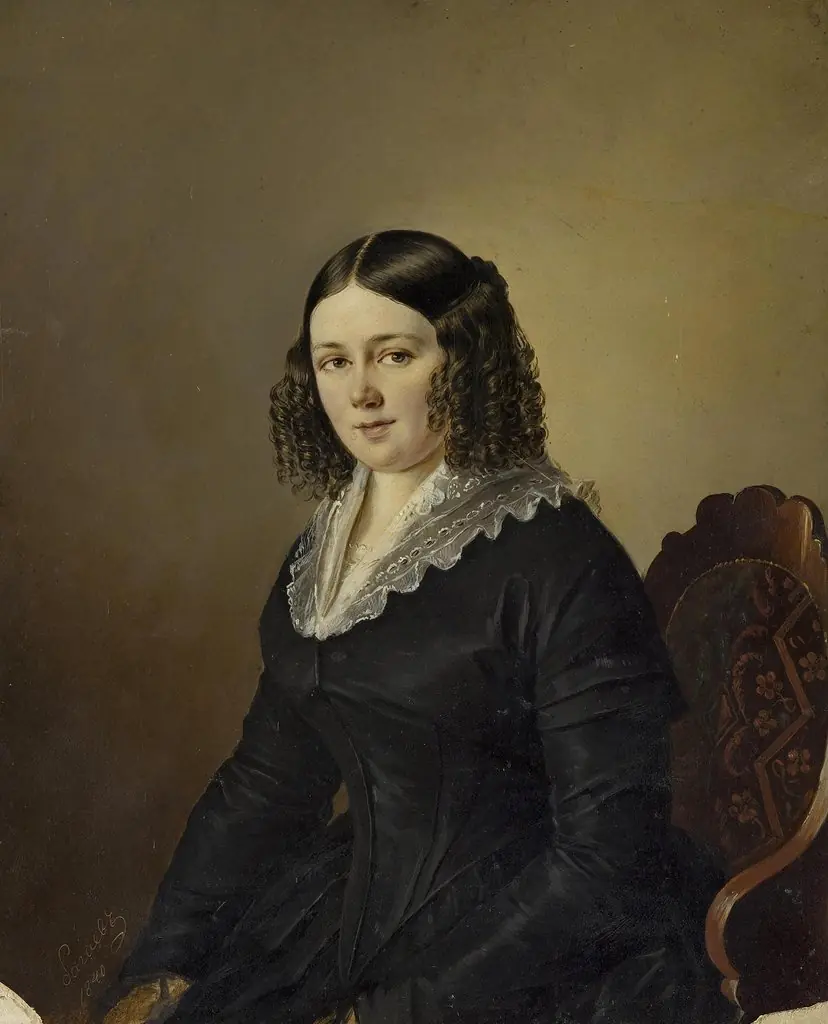 Portrait of A.I. Kolychiova
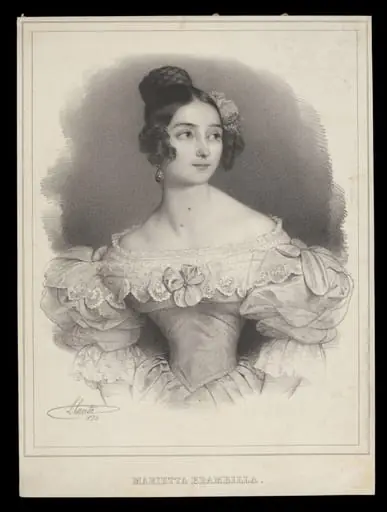 H Beard Print Collection
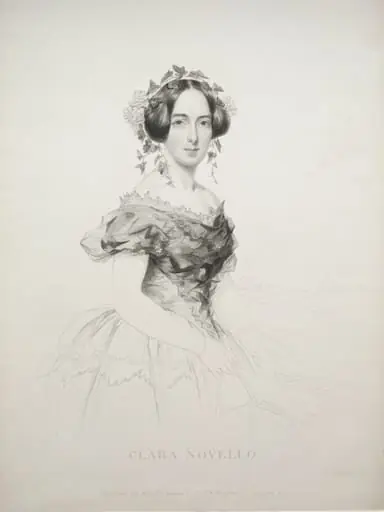 Clara Novello
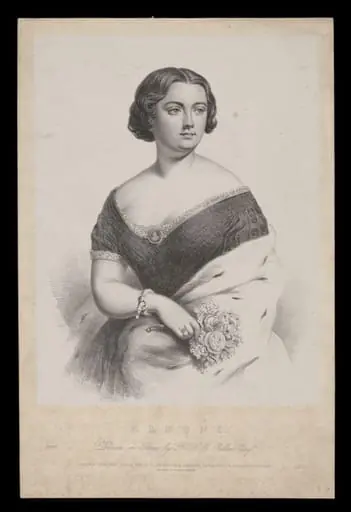 H Beard Print Collection
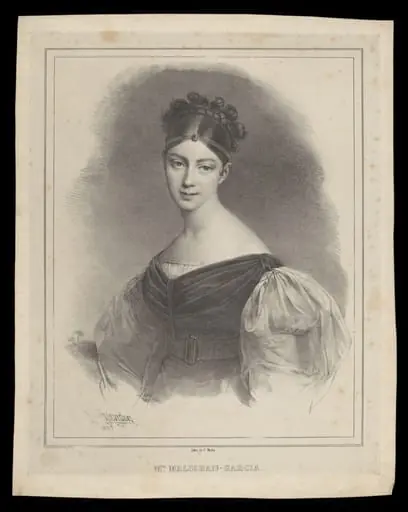 H Beard Print Collection
 Portrait of a Young Woman
 H Beard Print Collection