Artwork
Autoportret
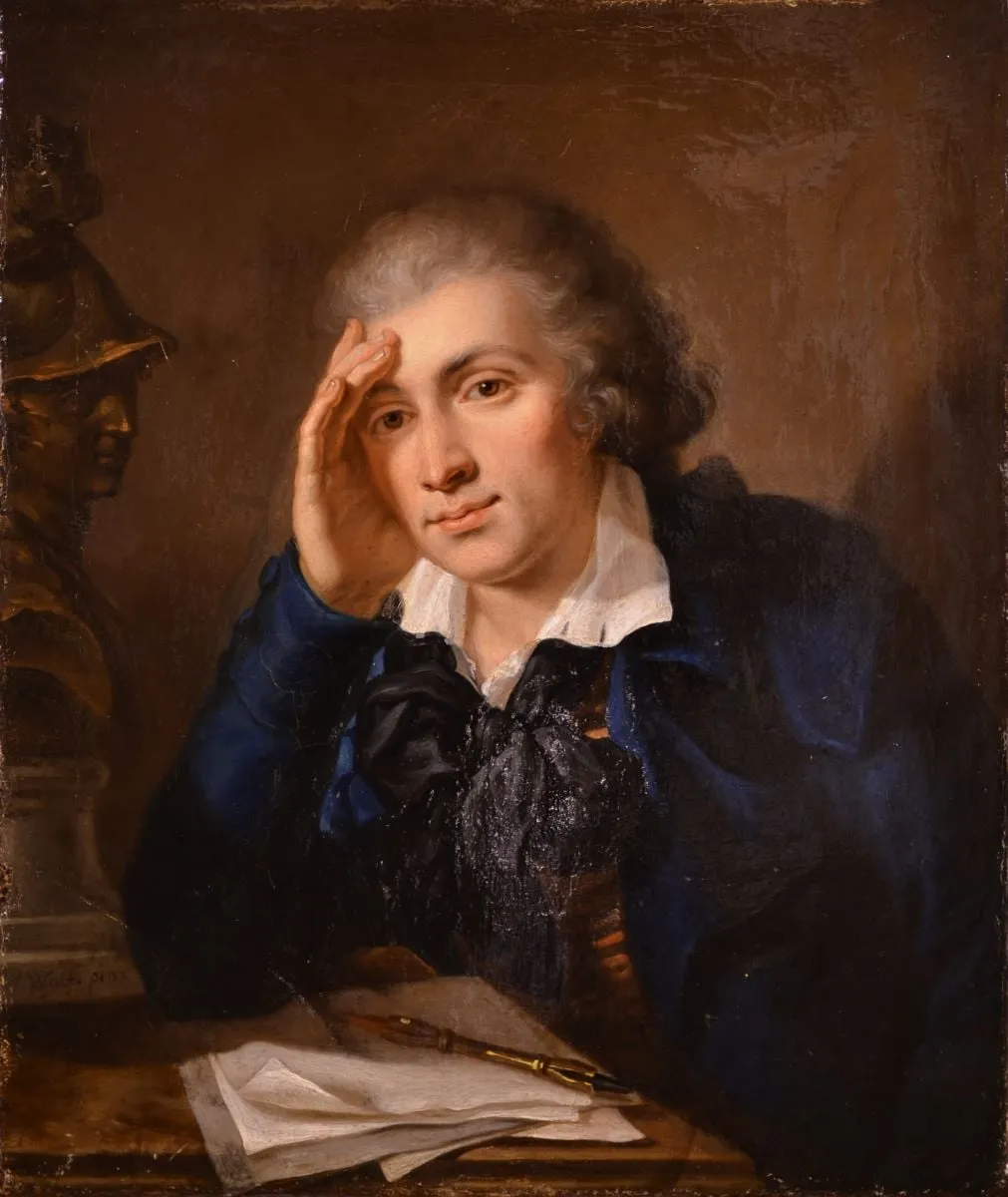
Autoportret is an unspecified painting by P. Wolf. It is held in the collection of the Brukenthal National Museum. This self-portrait depicts the artist seated at a wooden table, dressed in a dark blue jacket, white shirt, and black bow tie.
About this work
Overview
This self-portrait depicts the artist seated at a wooden table, dressed in a dark blue jacket, white shirt, and black bow tie. His right hand rests against his forehead, suggesting contemplation. A bronze bust with a hat is visible to his left, and a stack of papers and a pen lie on the table. The warm brown background and careful lighting emphasize the figure’s presence without distraction.
Subject & Meaning
The artist presents himself in a moment of quiet reflection, possibly engaged in intellectual work. The bust beside him may symbolize artistic lineage or classical influence, while the papers and pen suggest ongoing creative or scholarly activity. The gesture of hand to forehead implies introspection, aligning the portrait with themes of thought and self-examination rather than mere likeness.
Technique & Style
The painting employs chiaroscuro to model the figure with strong contrasts between light and shadow, enhancing volume and spatial depth. The brushwork is controlled, with attention to texture in fabric and the metallic surface of the bust. The warm, muted background recedes softly, focusing attention on the figure’s form and the objects arranged before him.
History & Provenance
The painting’s origin and early ownership are not documented in the provided details. It is identified as a self-portrait, suggesting it was created by the artist for personal or archival purposes. Its current location and acquisition history remain unspecified, though its preservation indicates recognition of its artistic value.
Context
The composition reflects a tradition of artist self-portraits that emerged in the Renaissance, often incorporating symbolic objects to convey identity or profession. The inclusion of a classical bust and writing materials aligns with 18th- and 19th-century conventions where artists positioned themselves as thinkers and heirs to cultural heritage.
Legacy
This portrait contributes to the broader genre of artist self-representation, emphasizing intellectual labor over theatrical display. Its restrained composition and use of light reflect a preference for psychological depth over ornamentation. While not widely known, it stands as a quiet testament to the artist’s self-perception and artistic discipline.
Artist & collection
Artist
This artist painted themselves so often they became a habit. They never left home without a mirror and a brush. One self-portrait shows them with a raised eyebrow, as if caught mid-question. You can see it next time…

 Portrait of Antoine-Denis Chaudet
 Young boy
 Portrait of Gaspar Melchor de Jovellanos
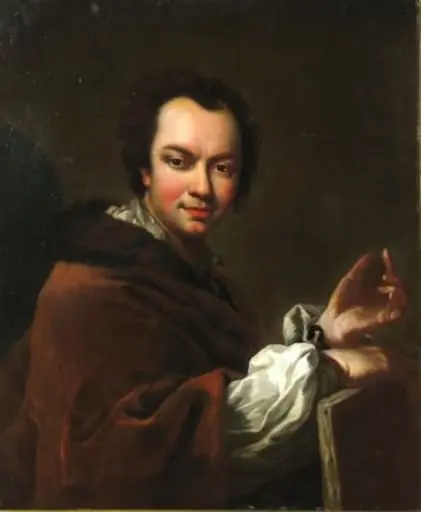 Autoportret
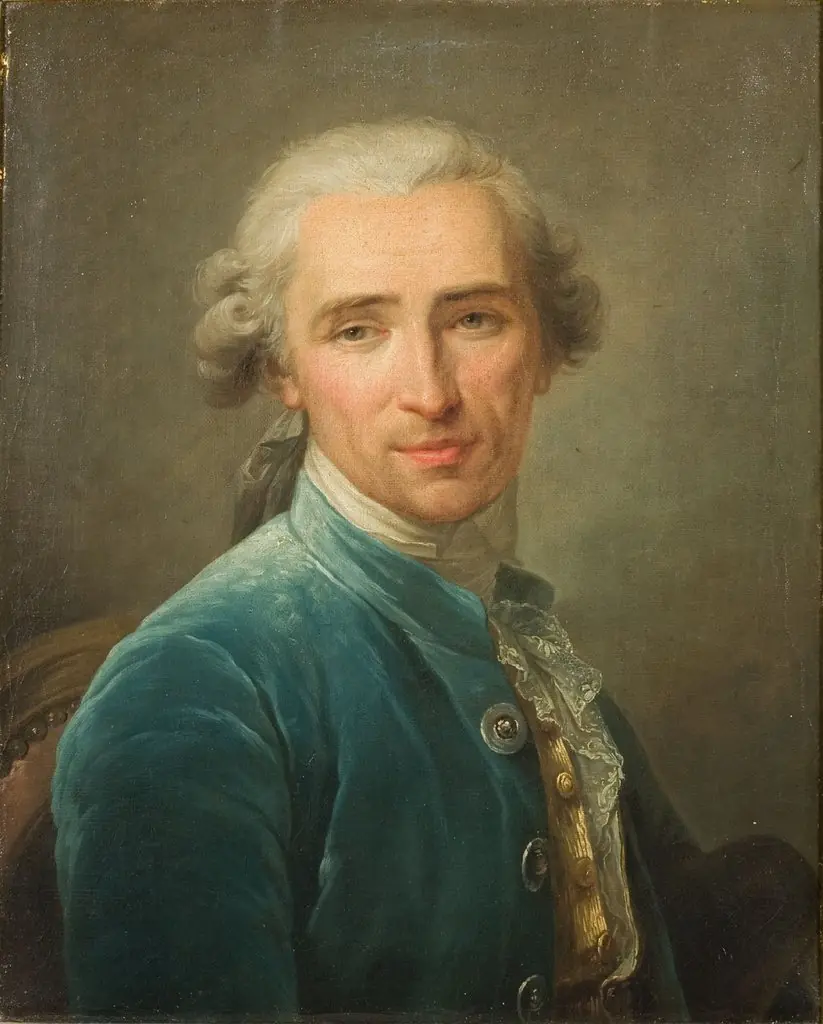 Portrait de Joseph Benoît Suvée
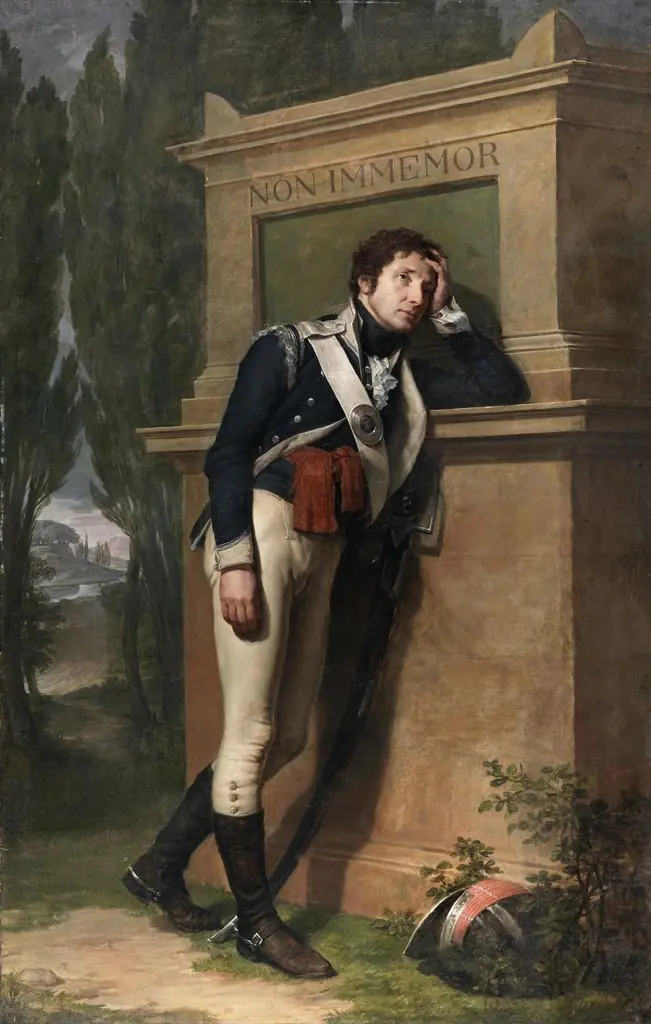 Portrait of Lieutenant Richard Mansergh Saint George (1756/9-1798)
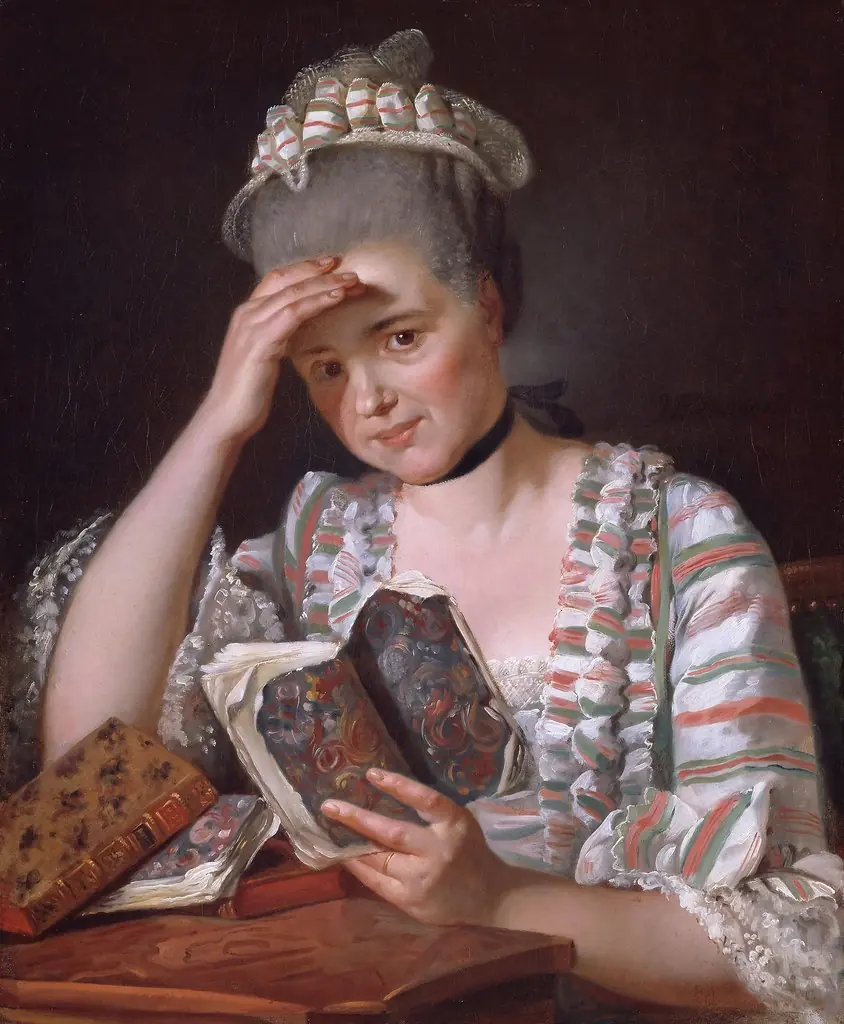 Madame François Buron
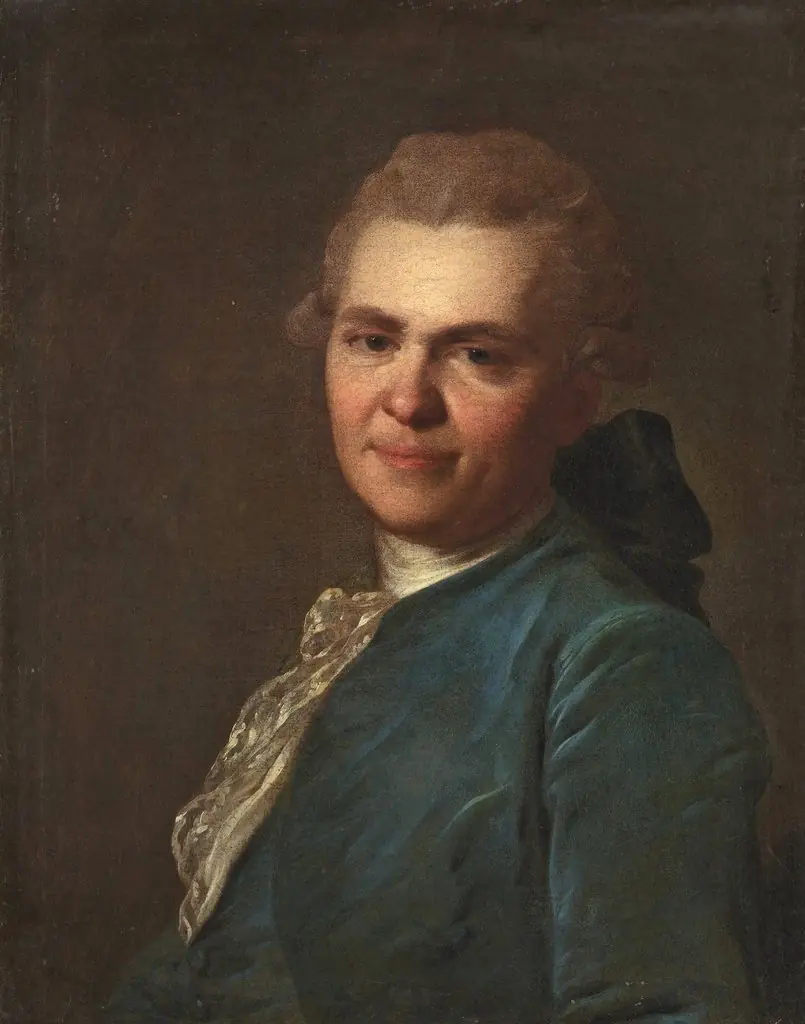 Портрет неизвестного в синем кафтане
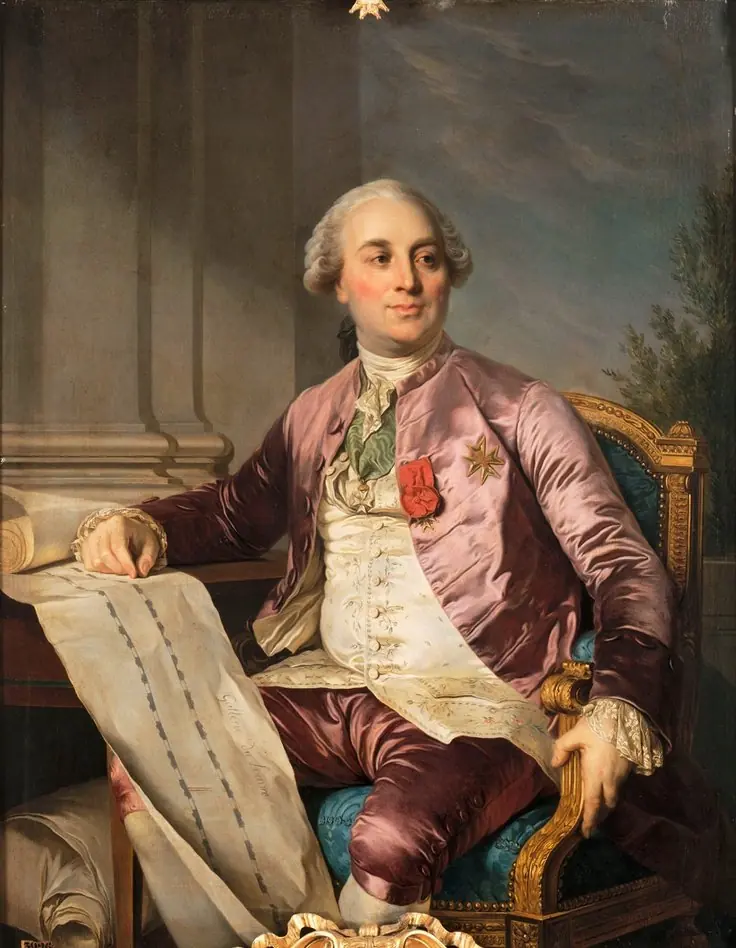 Charles-Claude Flahaut de la Billaderie
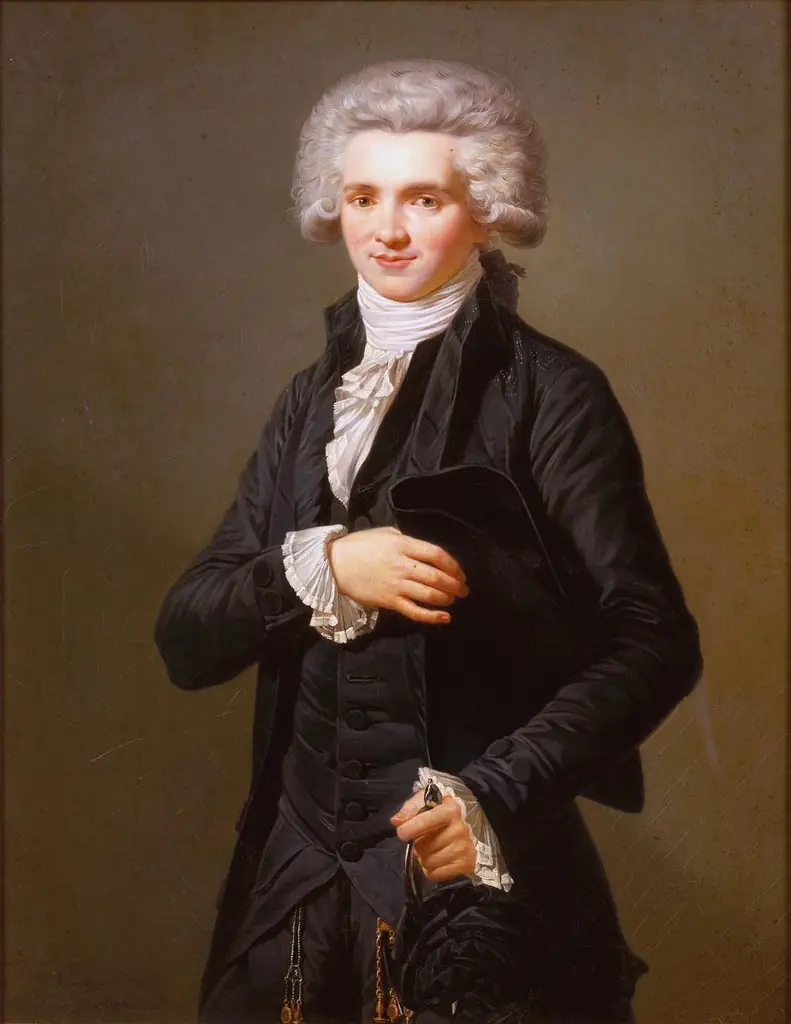 Maximilien de Robespierre dressed as deputy of the Third Estate
 Portrait of Arnoldus van Rijneveld
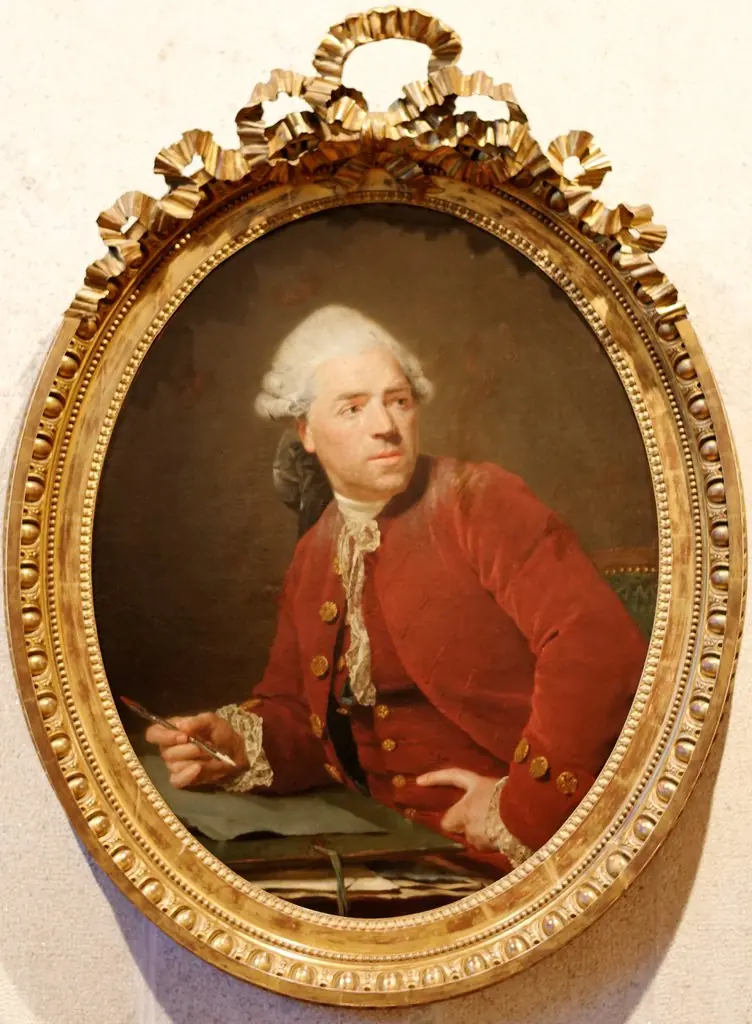 Self portrait