Artwork
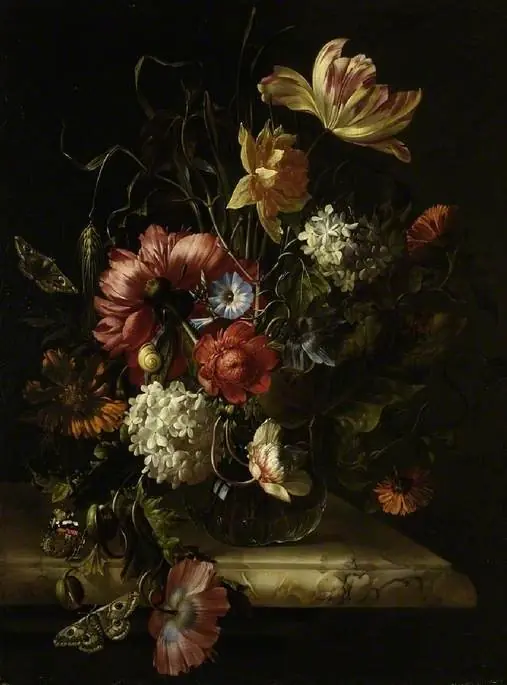
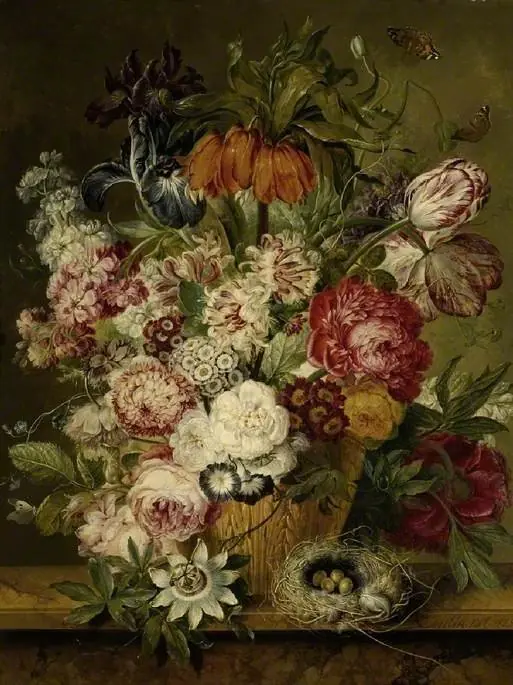
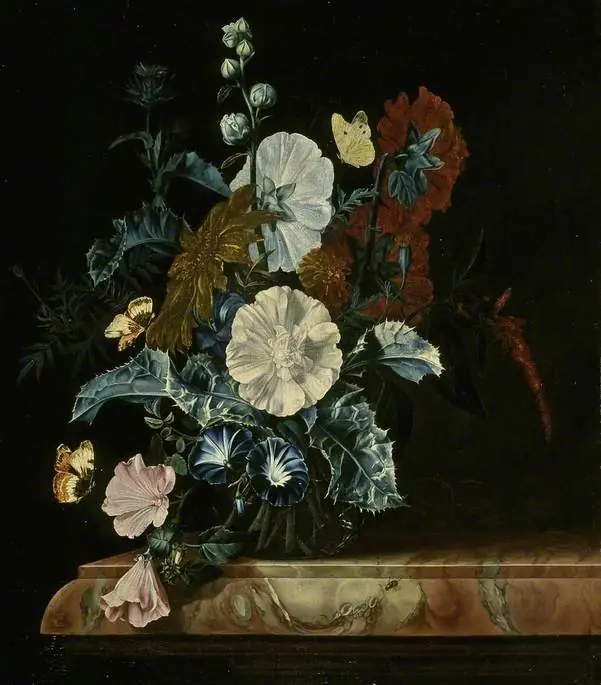
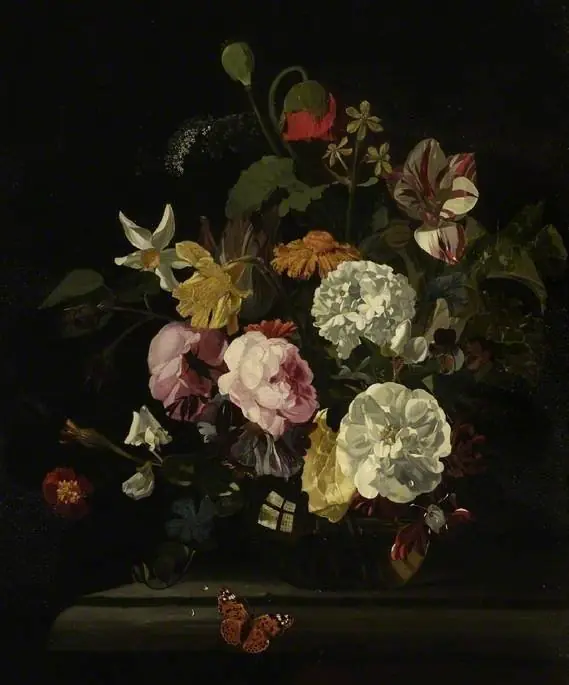
Vase of flowers
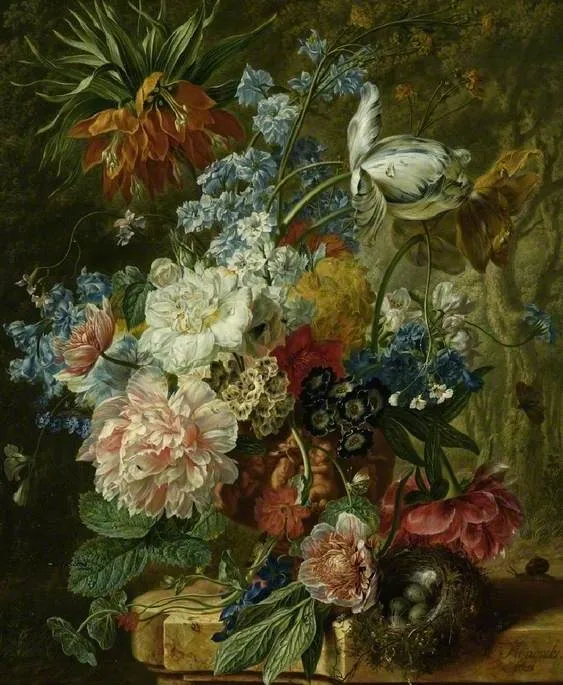
Vase of flowers is an oil painting by Wybrand Hendriks. It is held in the collection of the Fitzwilliam Museum.
About this work
Overview
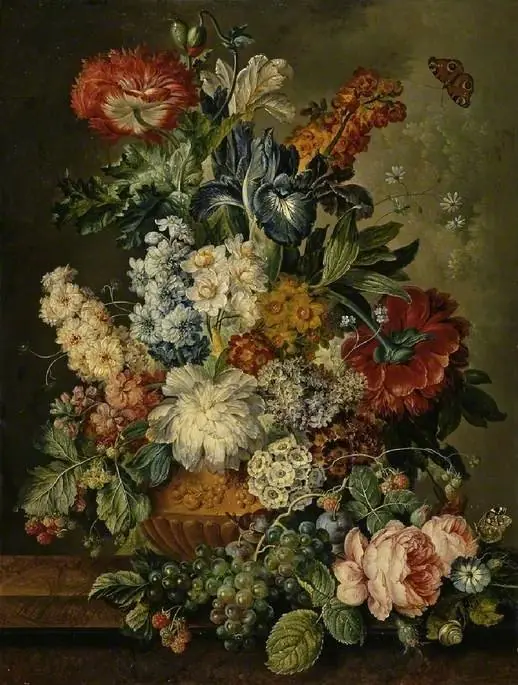
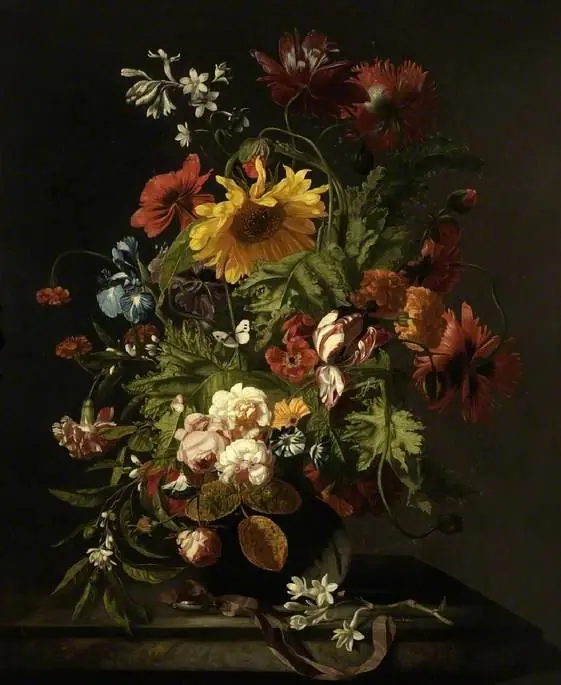
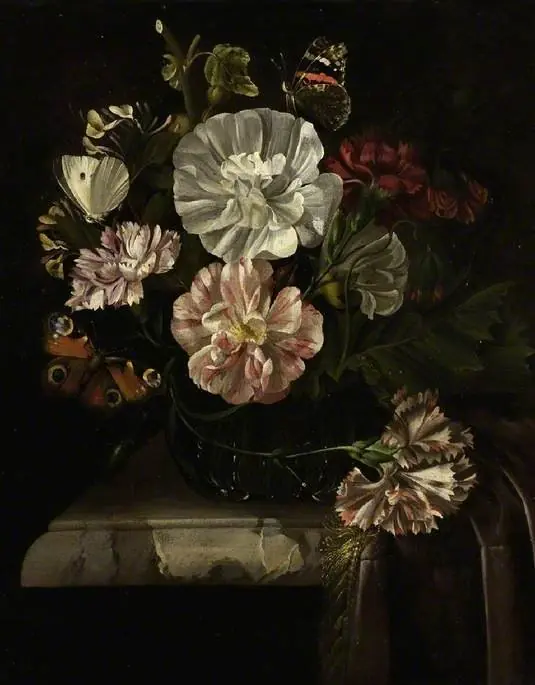
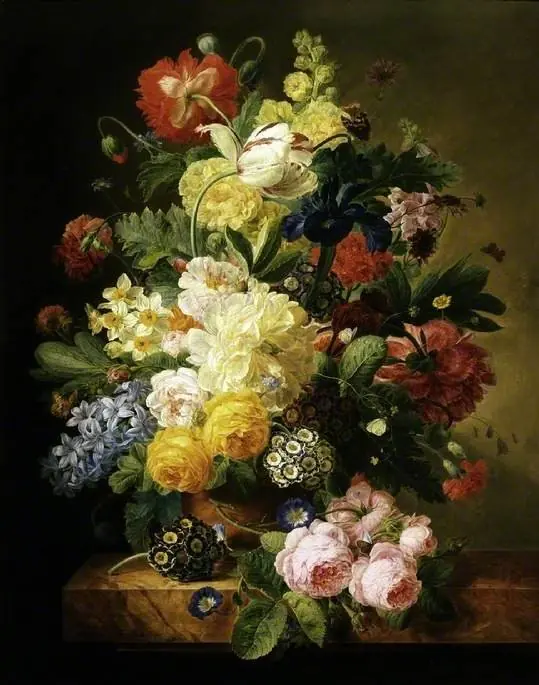
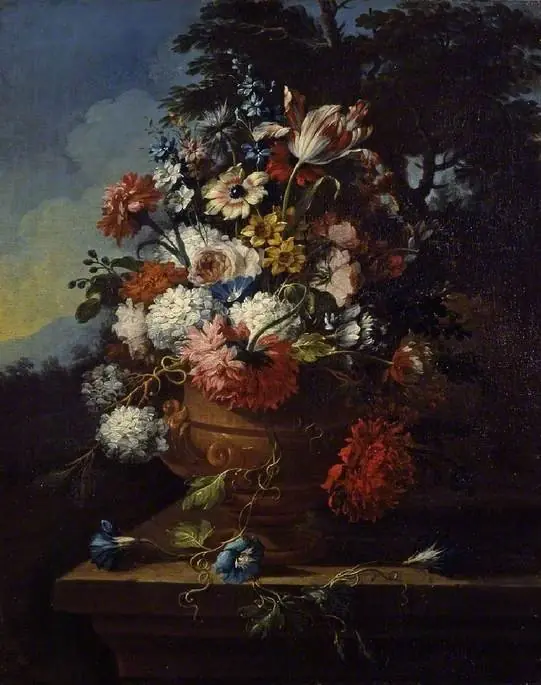
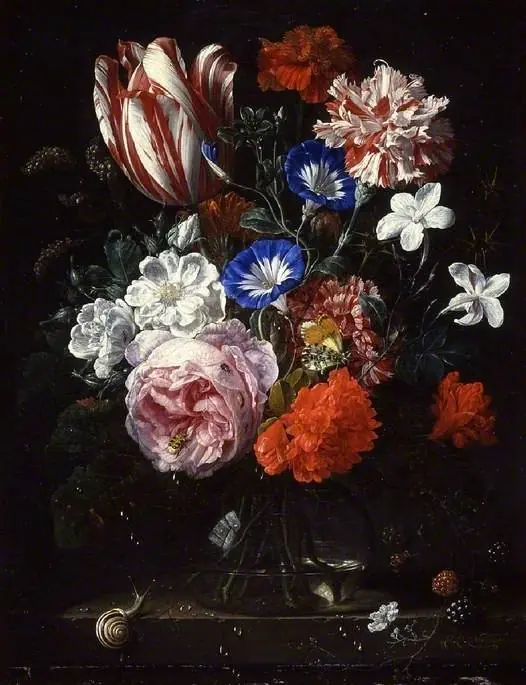
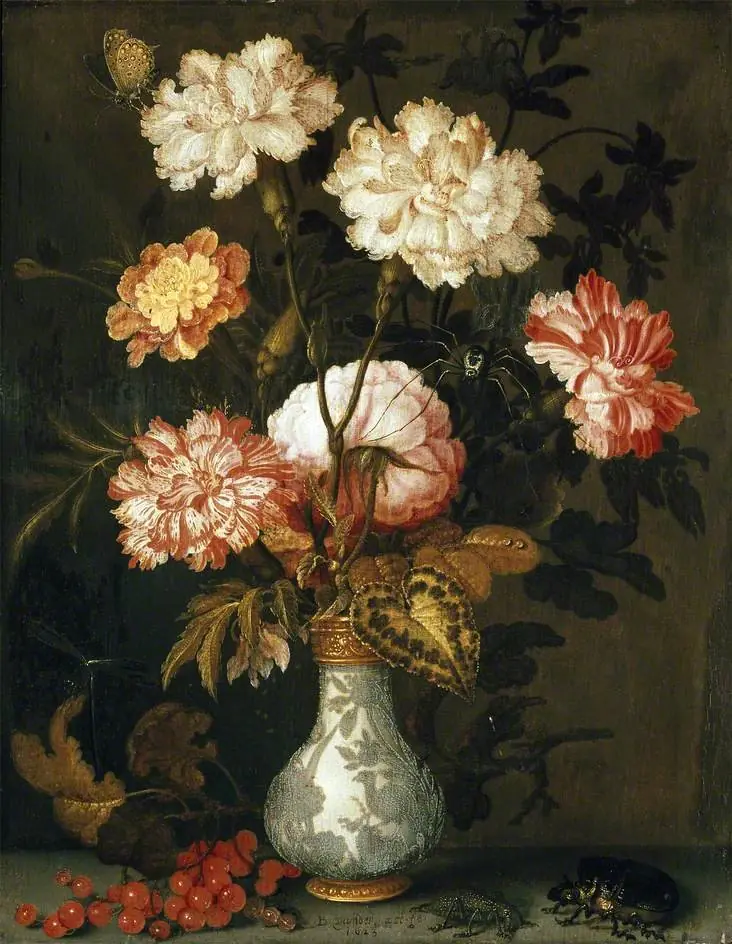
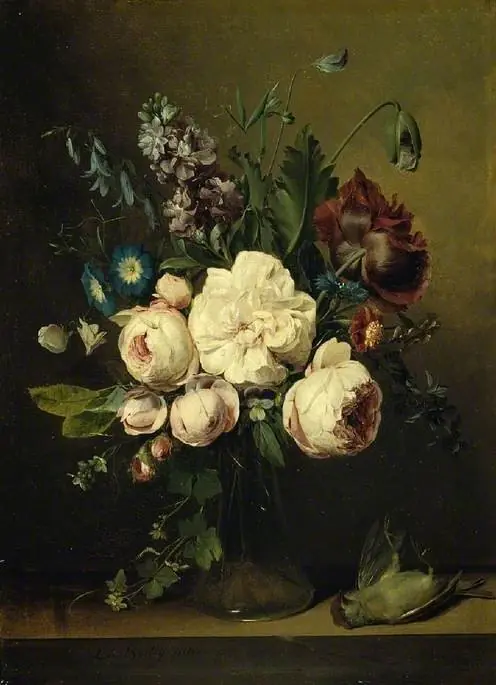
Wybrand Hendriks painted this still life in oil on canvas, depicting a dense arrangement of cut flowers in a ceramic vessel.
Wybrand Hendriks painted this still life in oil on canvas, depicting a dense arrangement of cut flowers in a ceramic vessel. Though primarily recognized for portraiture, Hendriks turned to floral subjects with quiet precision. The painting is part of the Fitzwilliam Museum’s collection, where it reflects the Dutch tradition of floral still lifes, rendered with restrained elegance rather than overt spectacle.
Subject & Meaning
The composition centers on a profusion of blossoms—pinks, whites, and blues—spilling from a partially obscured vase. The variety of blooms suggests seasonal abundance, a common theme in Dutch still life. No symbolic references to mortality or transience are evident; instead, the focus lies in the quiet celebration of natural form and color, emphasizing harmony and cultivated beauty.
Technique & Style
Hendriks employed soft, layered brushwork to capture the delicate textures of petals and leaves. Light is carefully modulated to highlight the translucency of flower surfaces, creating a gentle luminosity against a dark, neutral background. The absence of sharp outlines and the subtle gradations in tone contribute to a tactile, intimate realism, characteristic of late 18th-century Dutch still life practice.
History & Provenance
The painting entered the Fitzwilliam Museum’s collection through established channels of 19th-century British acquisitions. Its attribution to Hendriks is supported by stylistic analysis and archival records linking him to similar works. As a museum concierge in Haarlem, Hendriks had access to collections and likely encountered floral paintings that influenced his own, though this piece remains one of few surviving examples of his non-portrait work.
Context
In the late 1700s, Dutch artists continued the still life tradition established in the 17th century, though often with less emphasis on allegory. Hendriks’s work aligns with a quieter, more observational mode favored by provincial painters. His role at the Teylers Museum placed him among scientific and artistic circles, where botanical accuracy and aesthetic balance were valued, possibly shaping his approach to floral subjects.
Legacy
Though Hendriks is not widely known for still lifes, this painting contributes to understanding the breadth of his practice beyond portraiture. It exemplifies how regional Dutch artists sustained the floral genre into the 19th century, adapting it to personal sensibilities. The work remains a modest but thoughtful example of its type, appreciated for its calm composition and sensitive rendering rather than its rarity or scale.
Artist & collection
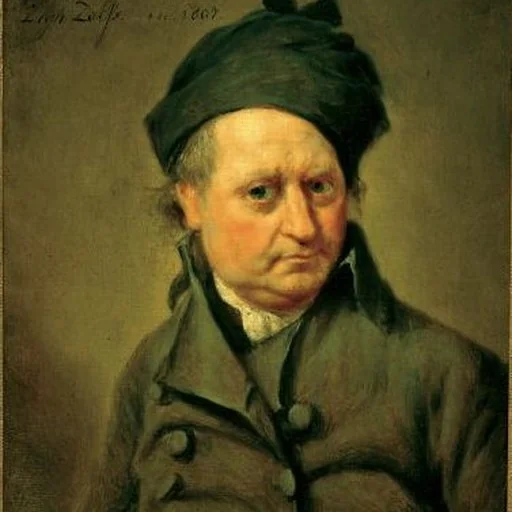
Artist
Wybrand Hendriks (June 24, 1744 – January 28, 1831) was a Dutch painter, primarily known for his portraits, and the concierge of the Teylers Museum.

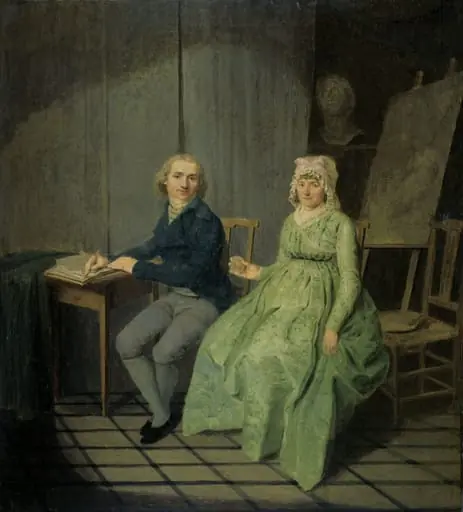 Untitled
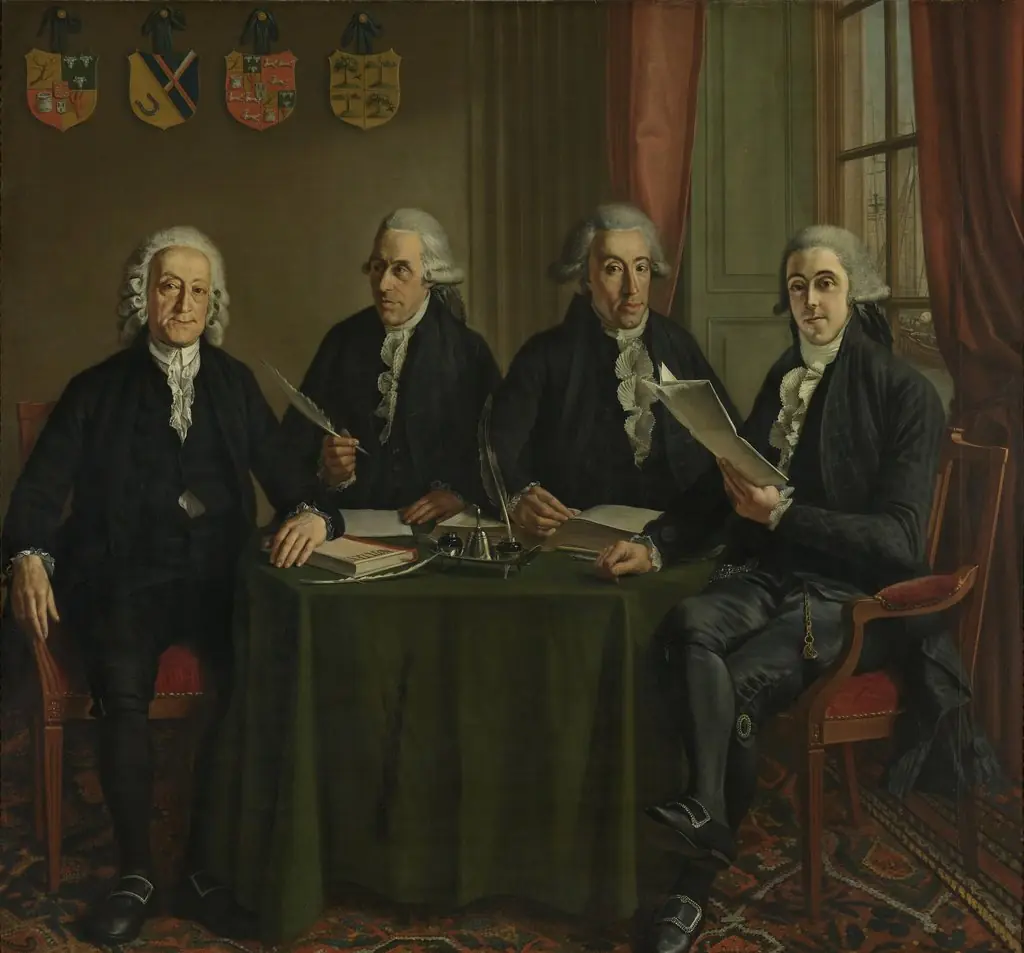 The Four Chief-Commissioners of the Harbors, Ramparts and Cranes of Amsterdam
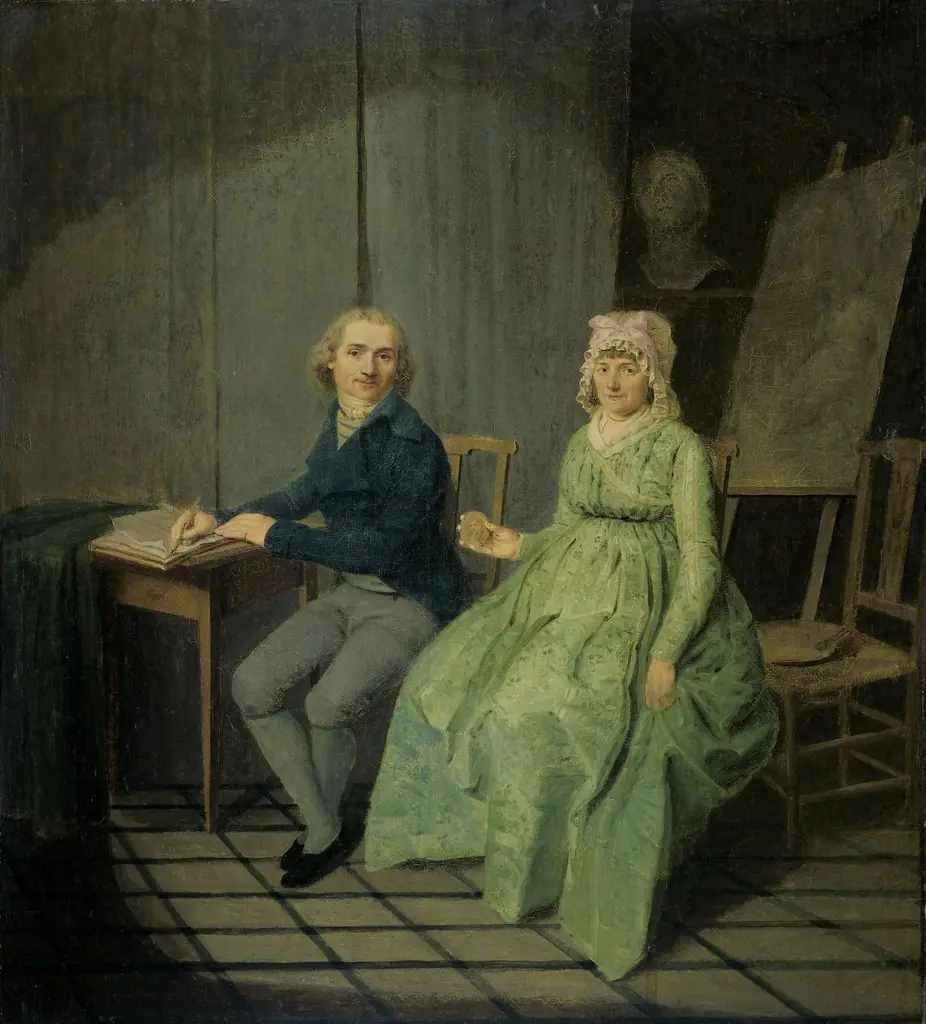 A Painter with his Wife
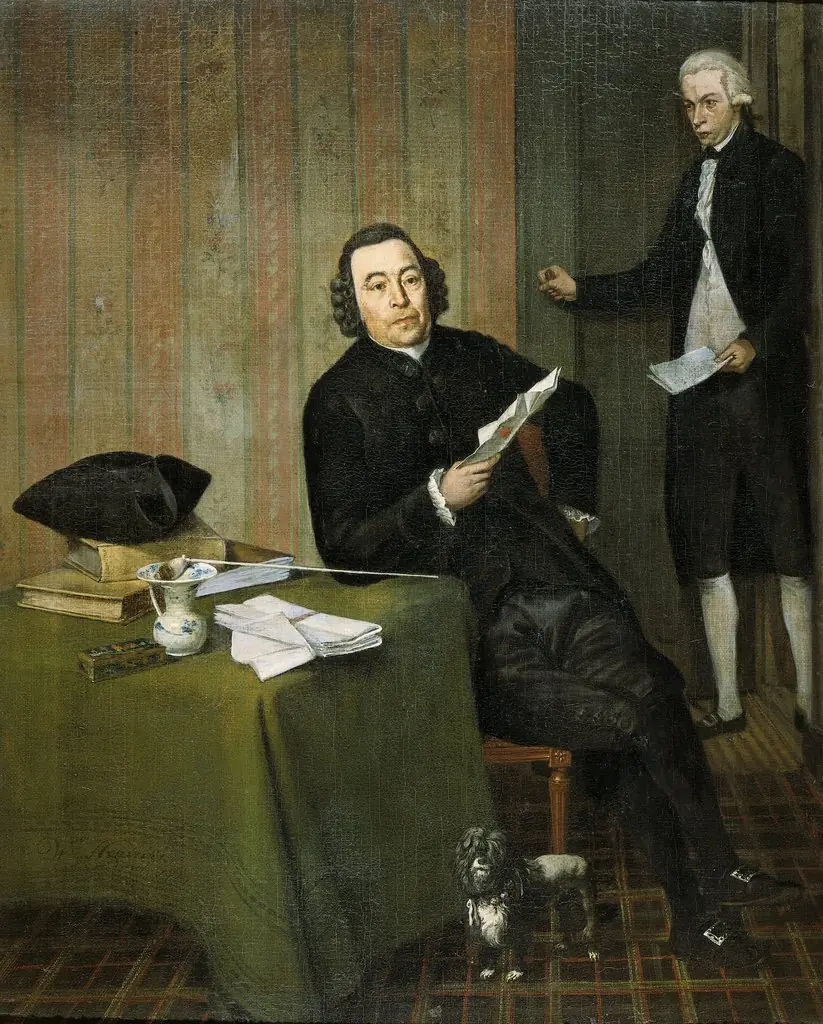 Portrait of the Haarlem Notary Wernerus Köhne with his Clerk Jan Bosch
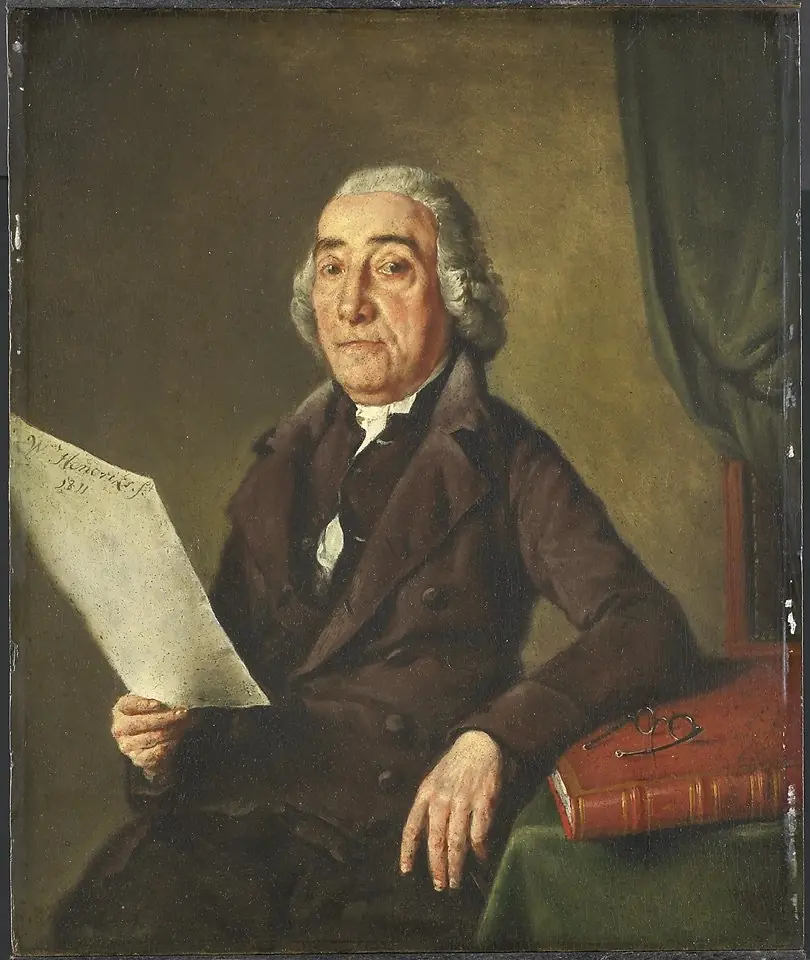 Portrait of the Amsterdam Art Collector Jacob de Vos Senior
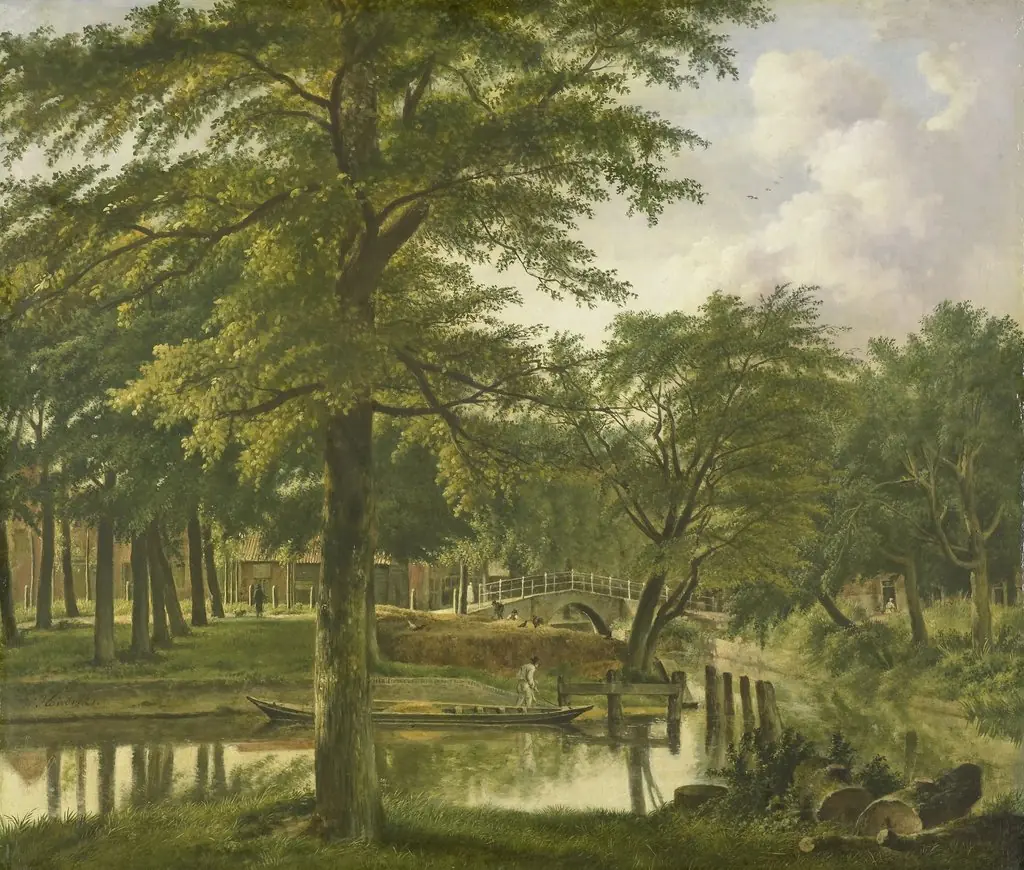 View of the Nieuwe Gracht near the Bolwerk, Haarlem
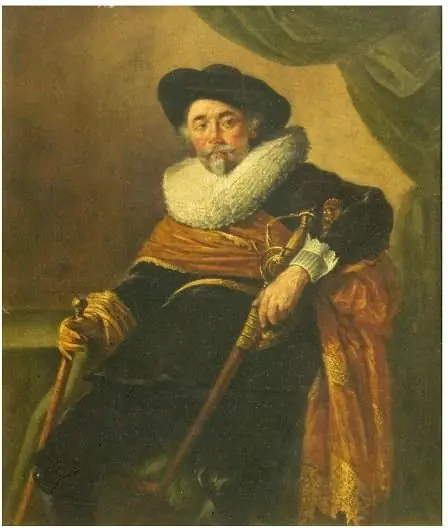 Self-portrait dressed as Colonel Cornelis Backer
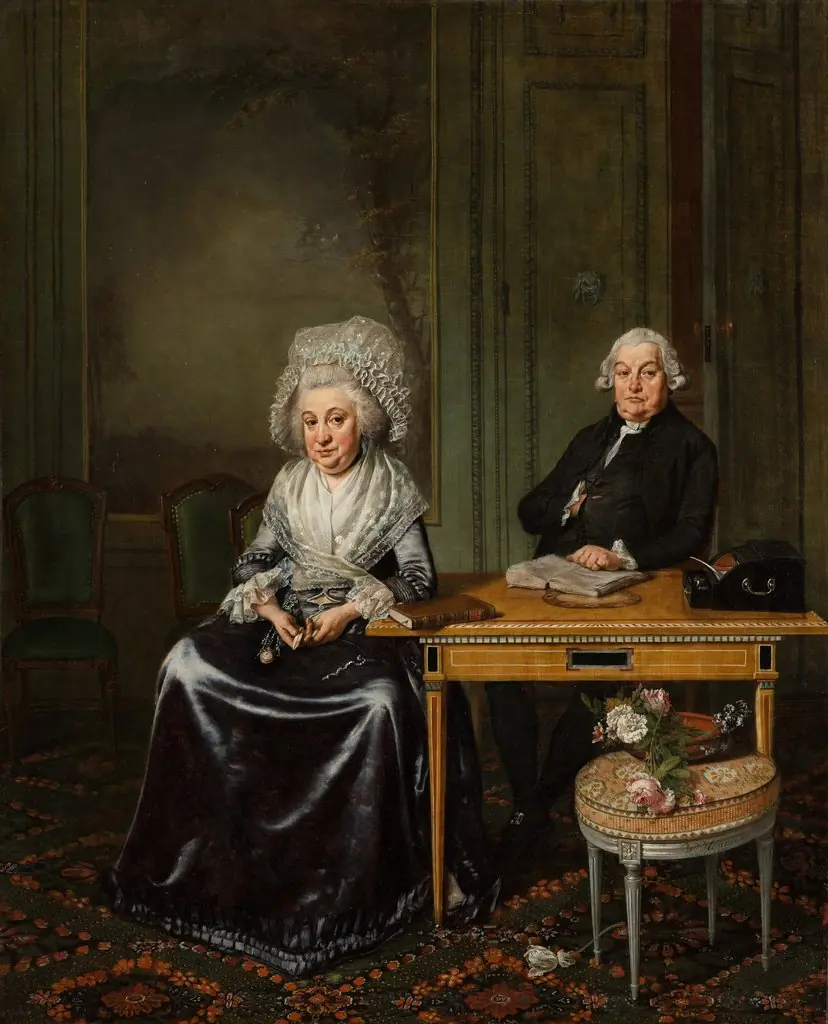 Portrait of Jacob Feitama (1726-1797) and his Wife, Elisabeth de Haan (1735-1800)