Artwork
Moara
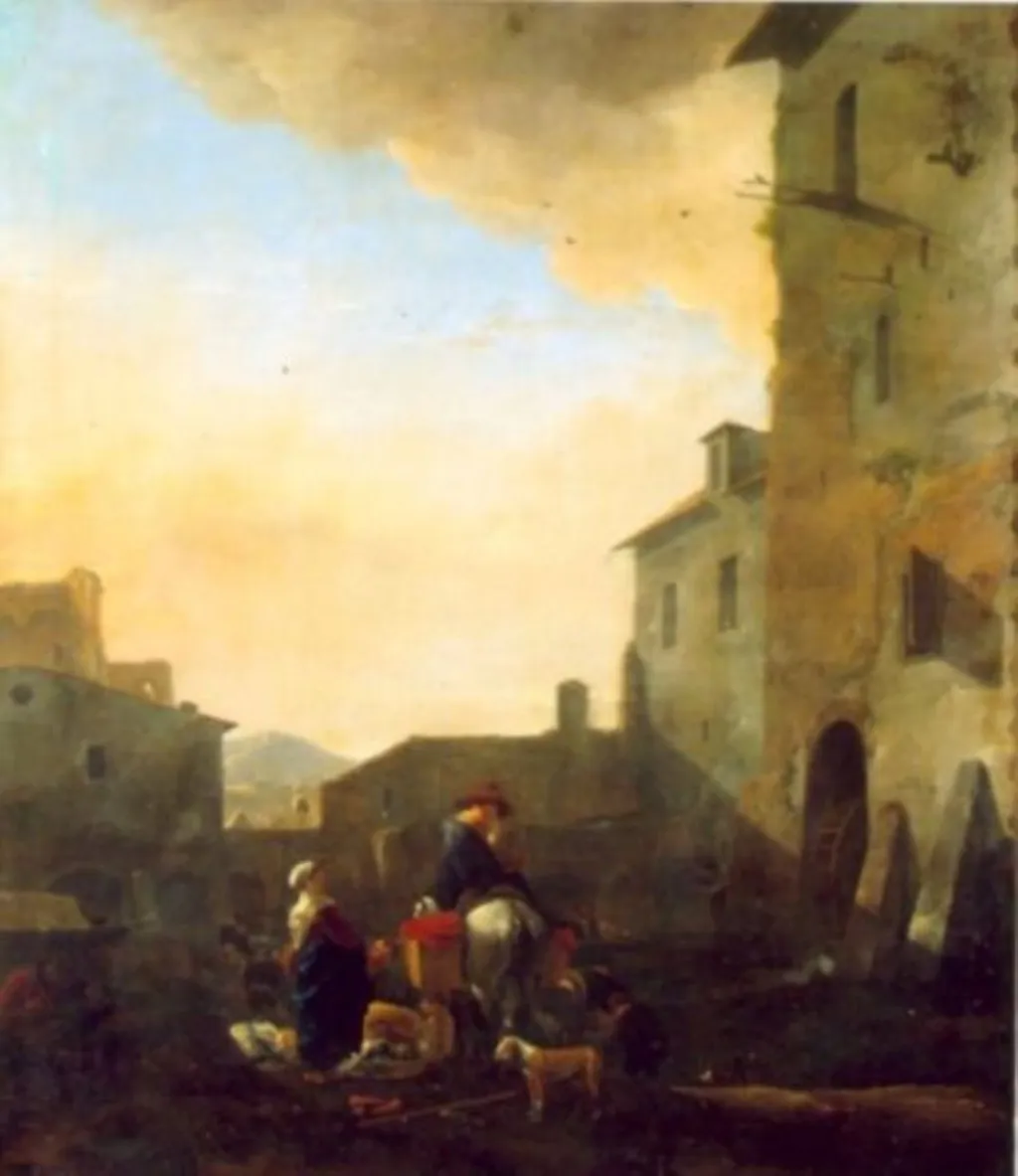
Moara is an unspecified painting by the Baroque artist Thomas Wyck. It dates from 1656 and is held in the collection of the Brukenthal National Museum.
About this work
Overview
The architecture is unadorned, with one structure leaning against a partially collapsed tower, suggesting the passage of time and the quiet decay of rural life.
Painted around 1656 by Thomas Wyck, Moara presents a tranquil rural moment at twilight. The scene unfolds in a modest Dutch village, where daily life unfolds without drama. A lone rider on horseback passes a small cluster of figures near a weathered stone wall. The architecture is unadorned, with one structure leaning against a partially collapsed tower, suggesting the passage of time and the quiet decay of rural life.
Subject & Meaning
The painting captures an unremarkable yet deliberate moment of transition—dusk settling over a village. The figures are engaged in quiet repose, their postures suggesting fatigue or contemplation. The rider, moving through the scene, introduces a subtle sense of motion against stillness. No narrative climax is offered; instead, the work invites reflection on the rhythm of ordinary life in the Dutch countryside.
Technique & Style
Wyck employs soft, diffused lighting to evoke the hazy atmosphere of evening. Chiaroscuro is used sparingly but effectively, defining the contours of faces and buildings without harsh contrast. The palette is restrained, dominated by earth tones and muted blues, with the horse’s red saddle acting as a quiet focal point. Brushwork is precise yet unobtrusive, favoring atmospheric cohesion over detailed ornamentation.
History & Provenance
Moara was created during Wyck’s mature period, when he specialized in genre scenes of Dutch rural life. It likely originated in Amsterdam, where Wyck was active, and remained within private collections in the Netherlands for much of its history. Its survival through centuries reflects its quiet appeal to collectors drawn to understated depictions of everyday existence.
Context
In mid-17th century Holland, genre painting flourished as a reflection of civic pride and domestic values. While many artists depicted bustling markets or interiors, Wyck turned to the outskirts—villages at day’s end—offering a contemplative counterpoint. Moara aligns with a broader trend of valuing quietude and naturalism, away from grand historical or religious themes.
Legacy
Though not widely known today, Moara exemplifies the restrained elegance of Dutch genre painting beyond its most famous practitioners. Its emphasis on atmosphere, subtle light, and unembellished life influenced later artists seeking to capture the poetry of the mundane. The work endures as a quiet testament to the dignity of ordinary moments in a changing world.
Artist & collection


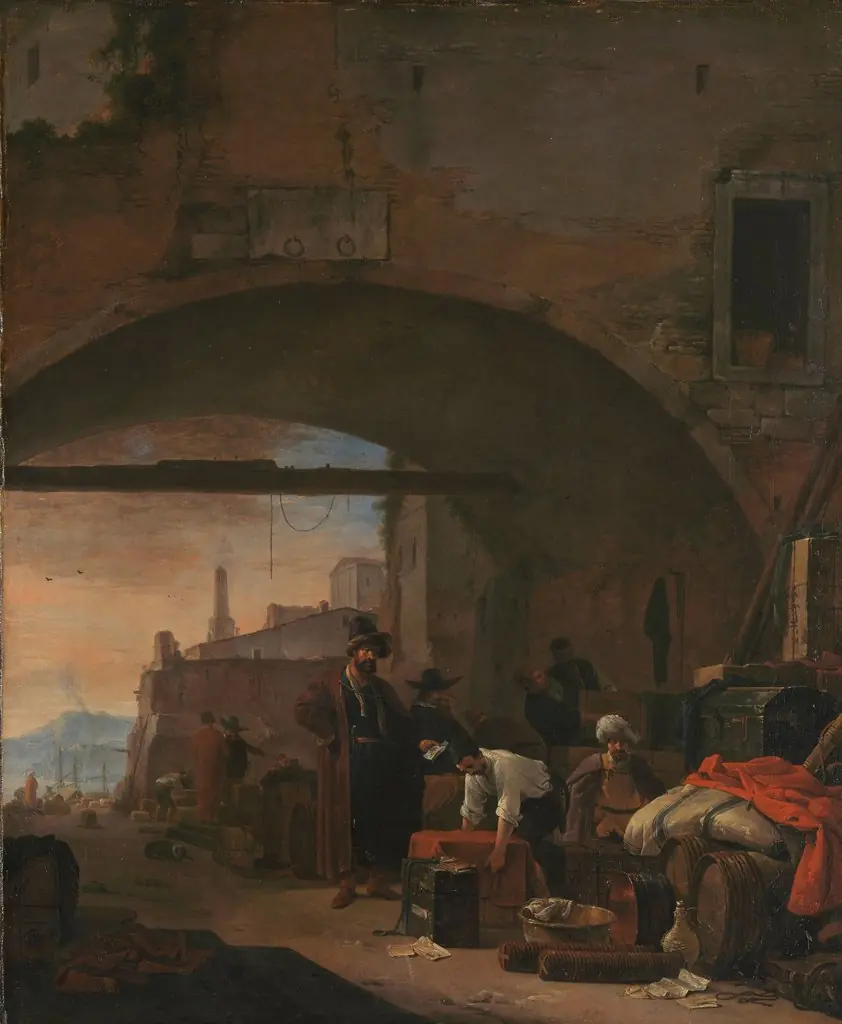 View of a Levantine port
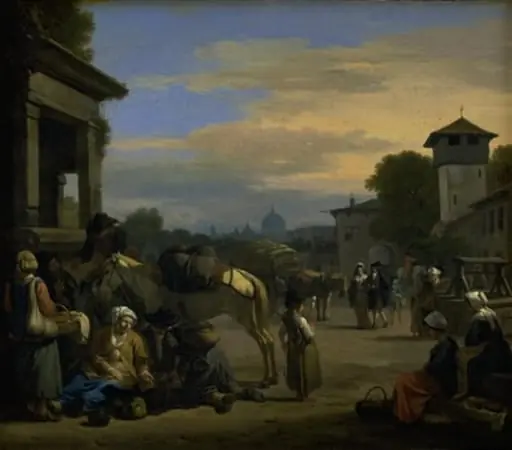 Street Scene in Rome
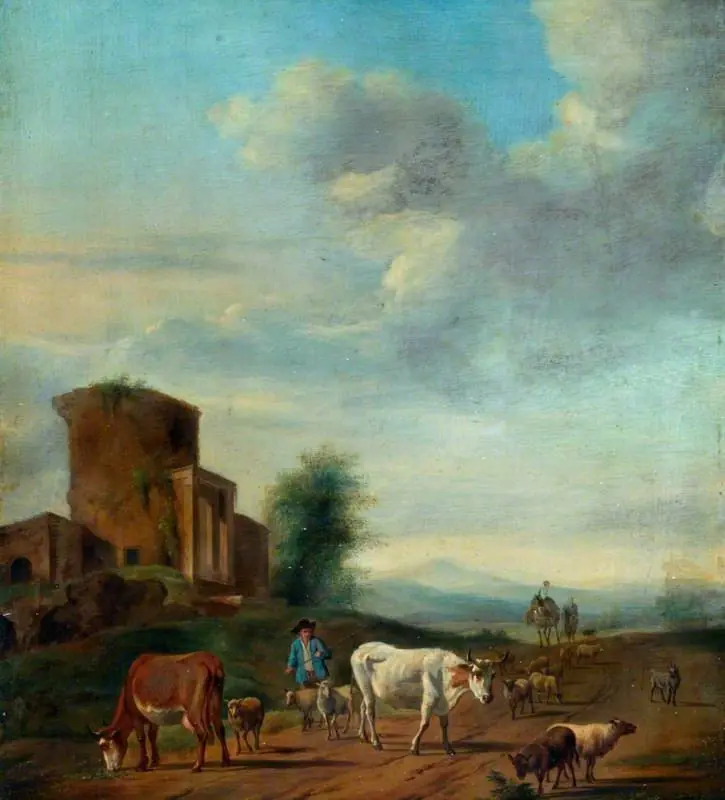 Landscape with Ruins and Figures
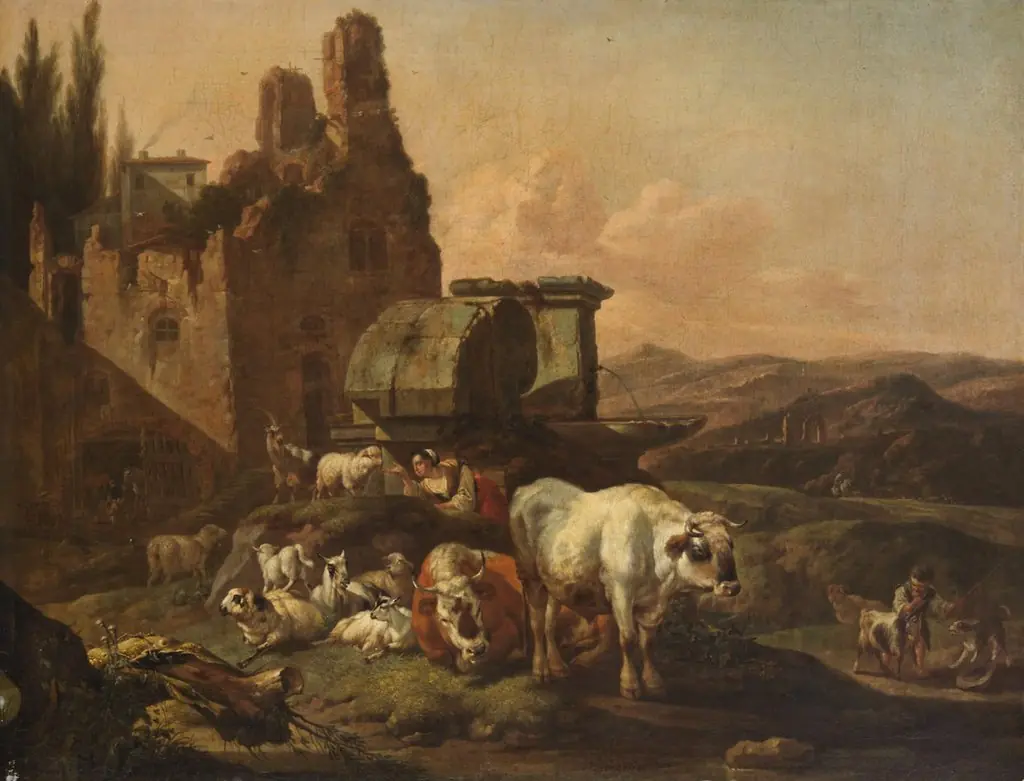 Landschaft mit Tieren an der Tränke
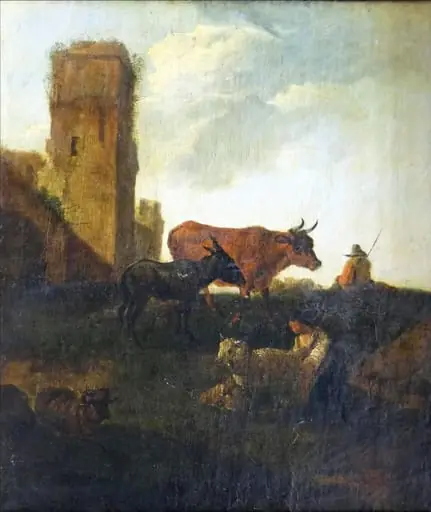 Peisaj cu personaje și animale
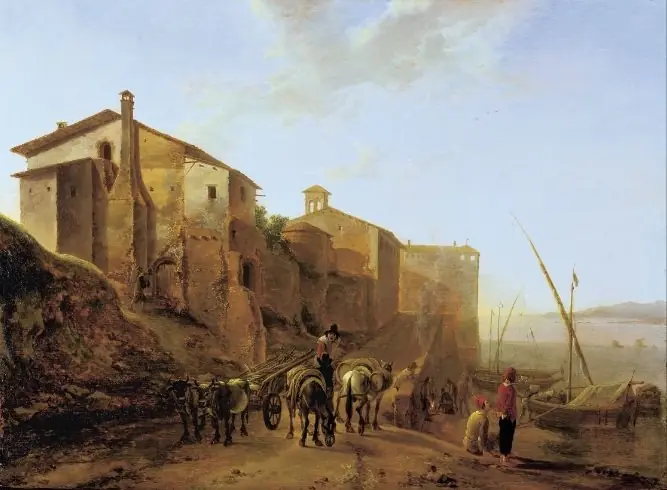 View of the Ripa Grande in Rome
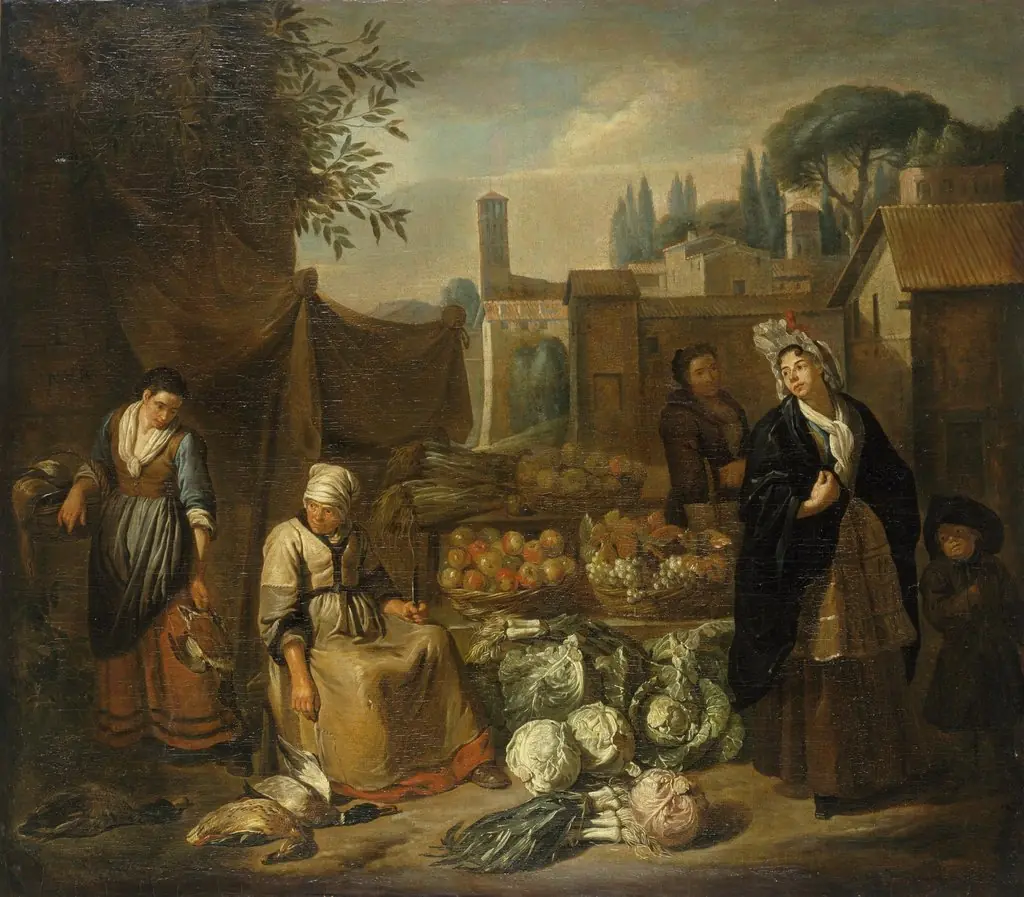 Genre Scene
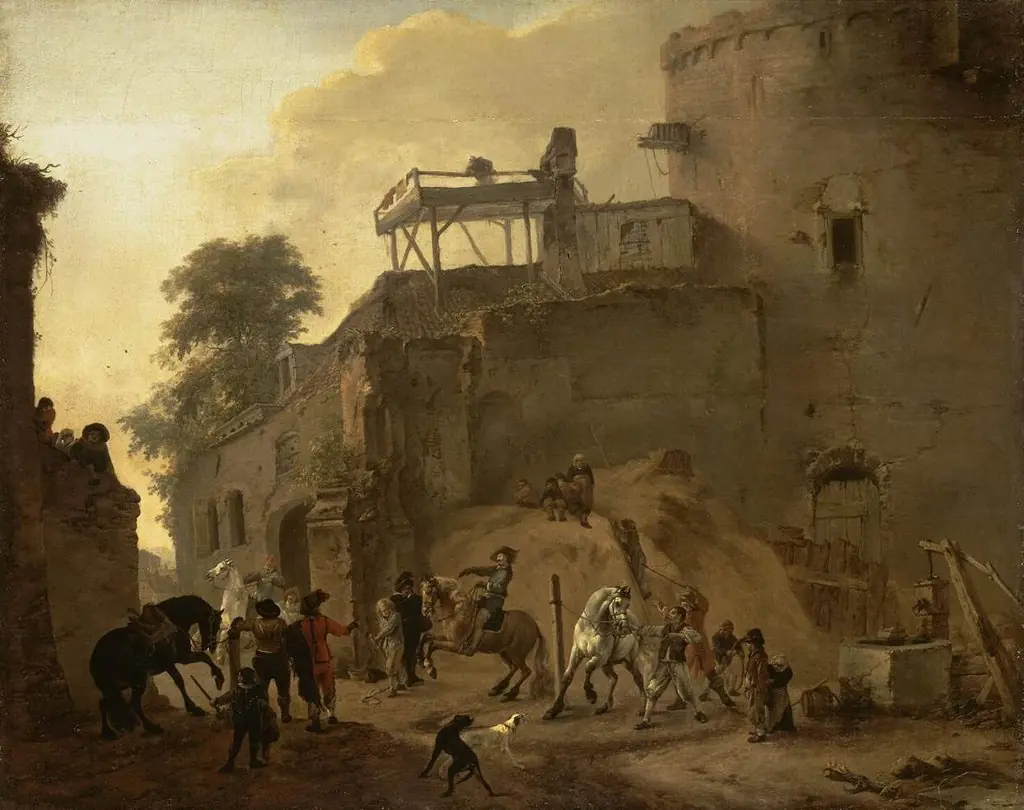 Manege Riding in the Open Air
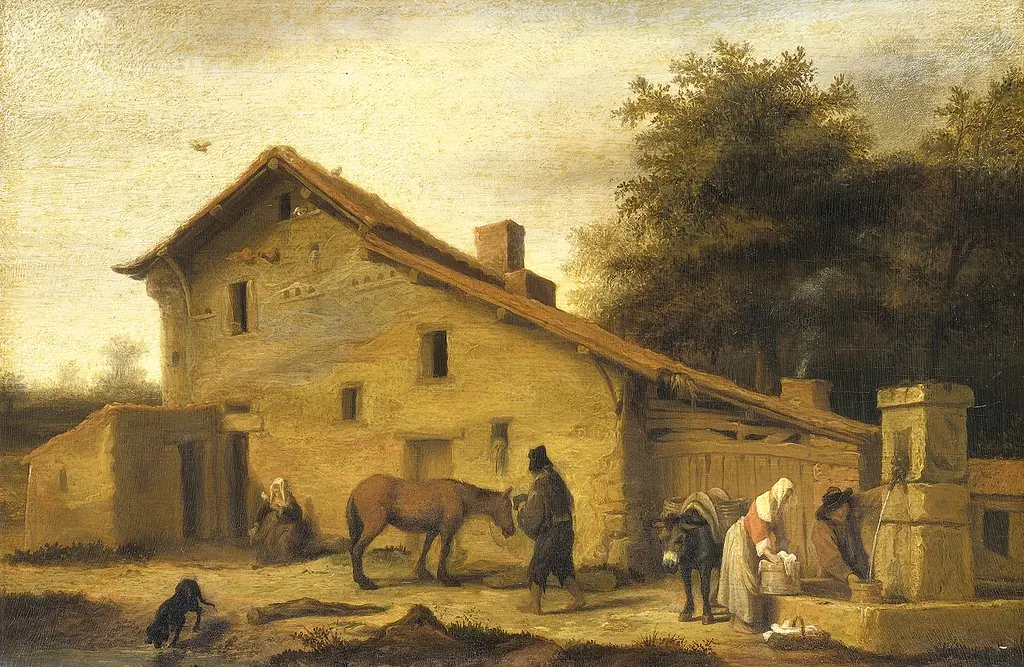 An inn in the neighborhood of Nantes
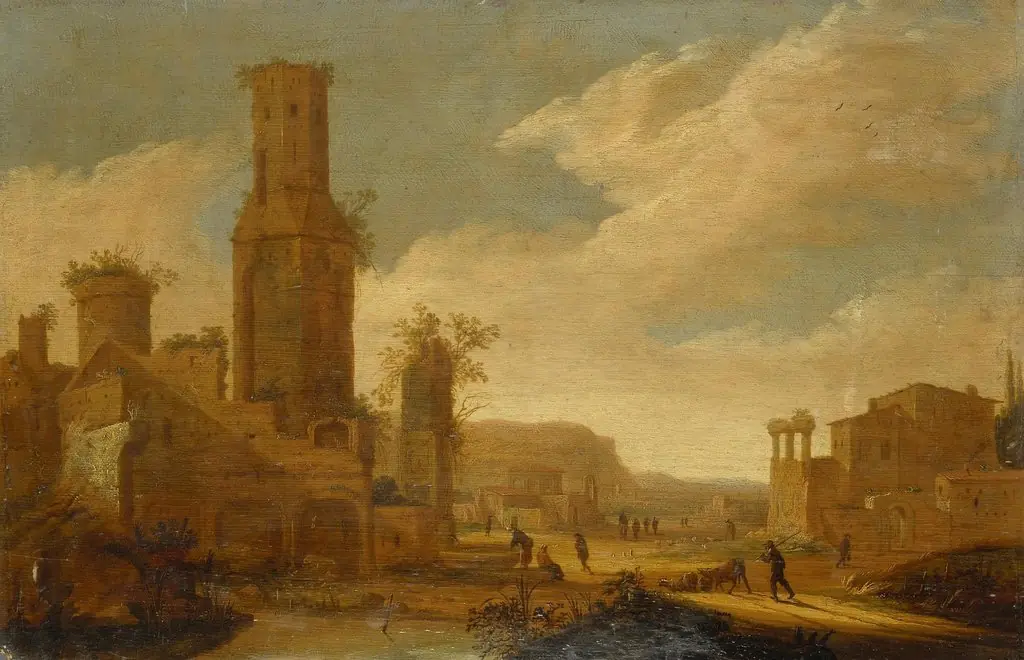 Landscape with Ruins
 Italienische Volksszene
 The Halt at the Inn