Artwork
Plum Blossoms and Bamboo
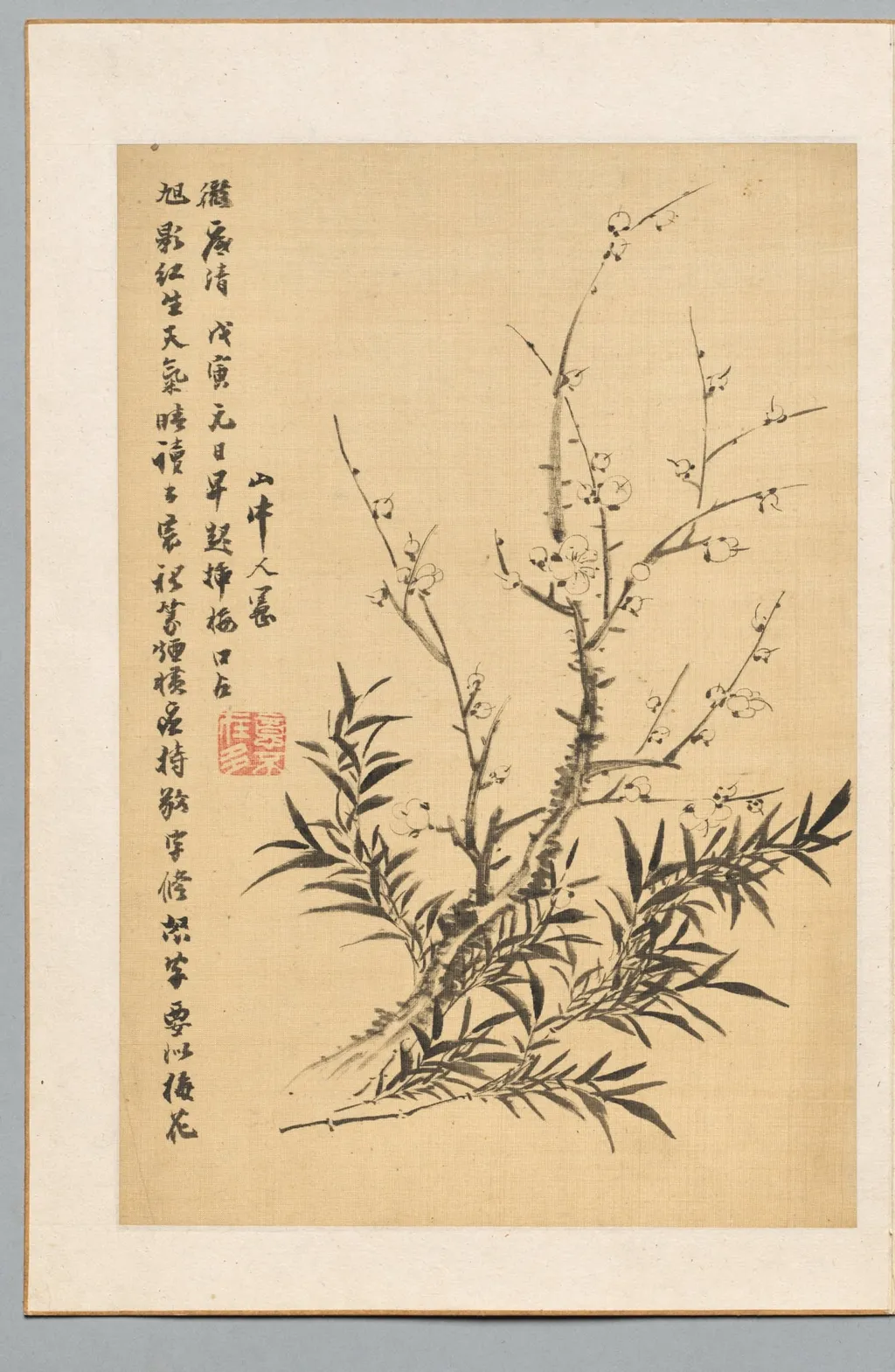
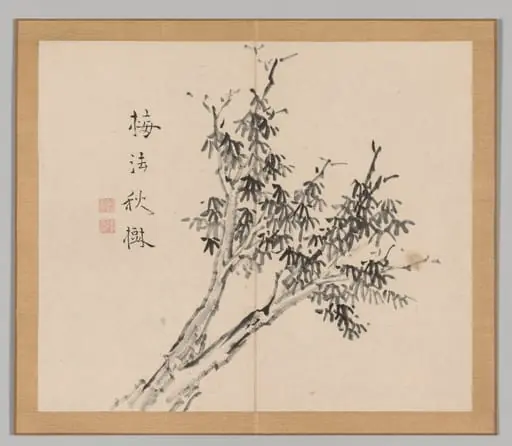
Plum Blossoms and Bamboo is a work on paper by the Romanticist artist Tanomura Chikuden. It dates from 1818 and is held in the collection of the Cleveland Museum of Art.
About this work
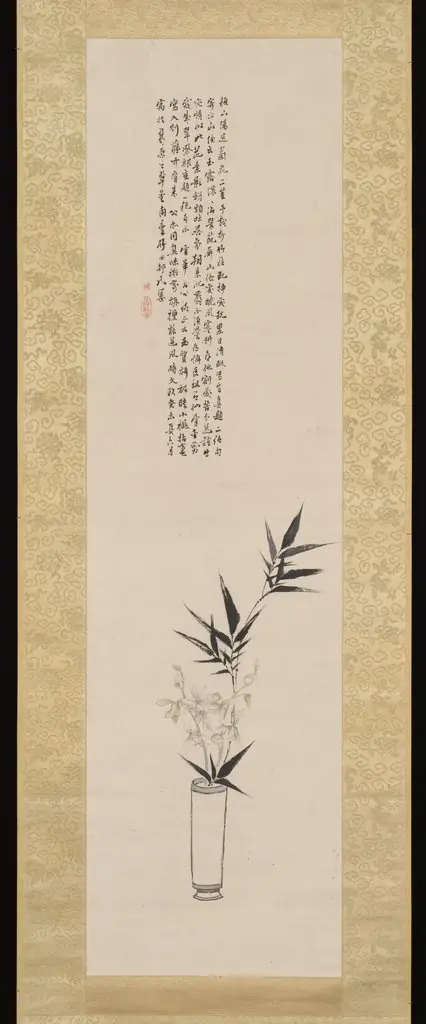
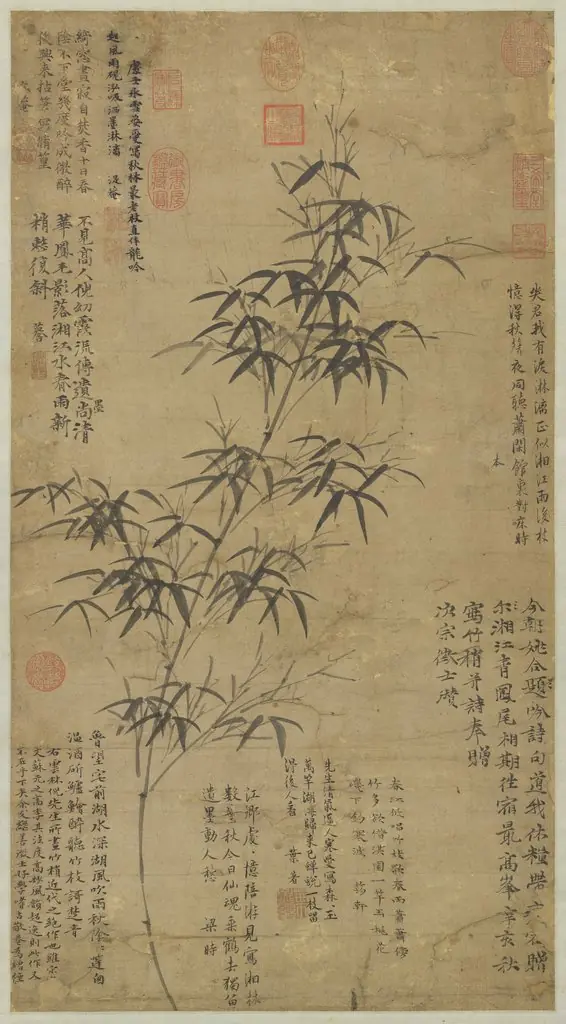
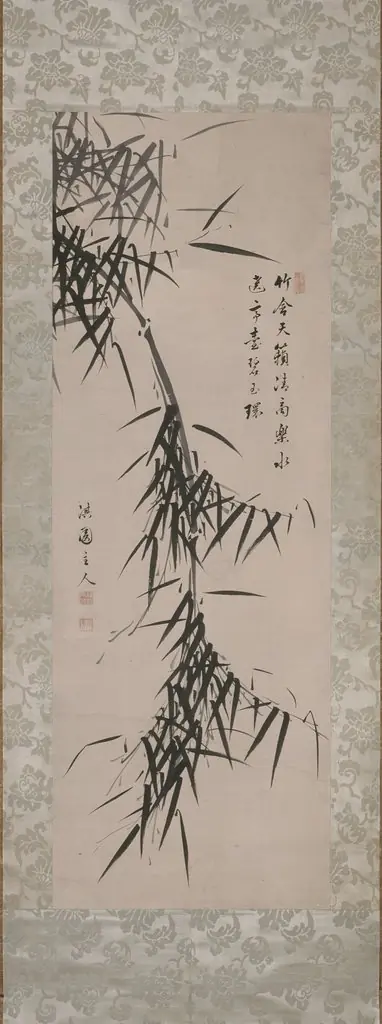
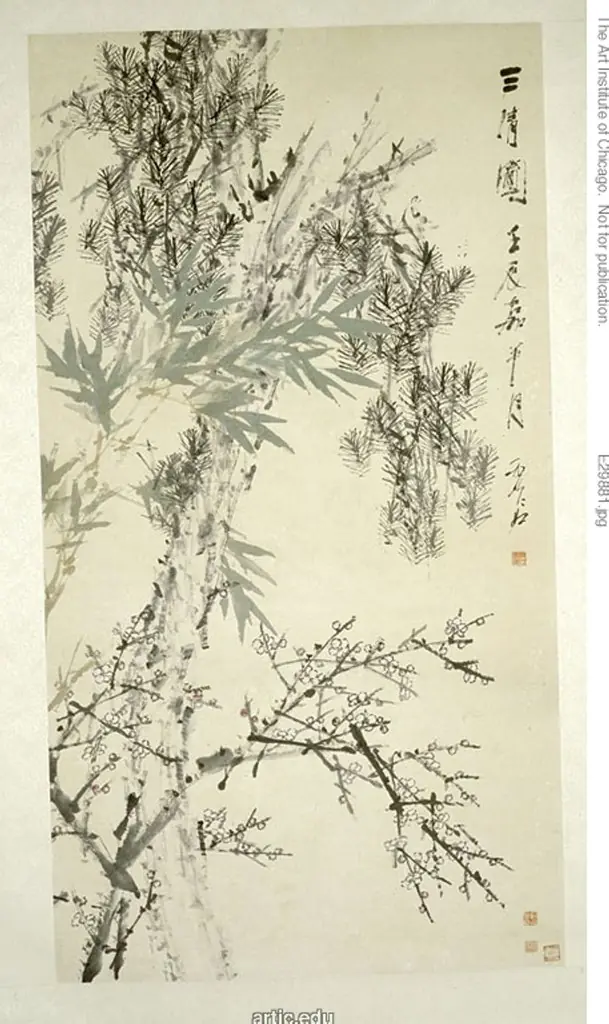
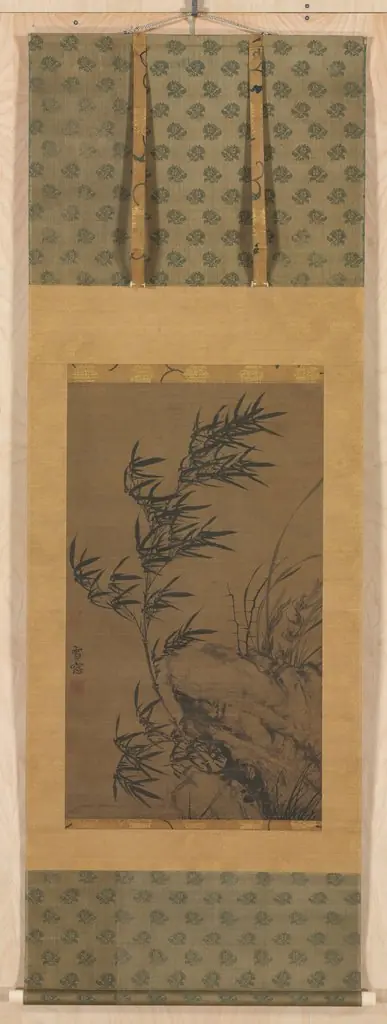
This painting shows dark bamboo stems with light pink plum blossoms against a plain background.
This painting shows dark bamboo stems with light pink plum blossoms against a plain background. The artist uses thin, delicate lines for the bamboo and soft washes of color for the flowers. It looks quiet and precise, like a careful study of nature.
Plum blossoms mean winter’s end in Japan. This work is from the Edo period, when artists often painted small, personal scenes like this. The artist was a doctor who painted for fun, not for money.
Look up Tanomura Chikuden (Japanese, 1777–1835) to see more of his work.
Overview
Created in 1818 by Tanomura Chikuden, this ink-and-color painting is part of a small portfolio celebrating seasonal flora. Executed with restrained elegance, it depicts bamboo and plum blossoms against an unadorned surface. The work reflects the intimate, contemplative spirit of Edo-period literati art, where natural subjects served as vehicles for personal expression rather than public display.
Subject & Meaning
The plum blossom, blooming in late winter, symbolizes endurance and the approach of spring in Japanese culture. Paired with bamboo, which remains green through cold seasons, the composition conveys resilience and quiet perseverance. These motifs were favored by scholar-artists as metaphors for moral integrity, aligning with Confucian and Daoist ideals valued in Edo intellectual circles.
Technique & Style
Chikuden employed fine, controlled brushwork for the bamboo stalks, emphasizing structural clarity with minimal ink tones. The plum blossoms are rendered in delicate washes of pale pink, suggesting fragility without ornamentation. The absence of background detail focuses attention on the plants’ forms, reflecting the literati preference for spontaneity tempered by disciplined technique.
History & Provenance
The painting originated in Chikuden’s personal collection, created during his later years as a physician and amateur artist. It remained within Japanese private hands until entering The Cleveland Museum of Art’s collection. Its modest scale and intimate nature suggest it was intended for private viewing, not commercial sale, consistent with the scholar-artist tradition.
Context
During the Edo period, many educated elites pursued painting as a cultivated pastime, separate from professional studios. Chikuden, trained in medicine and classical literature, joined this tradition, producing works that prioritized personal reflection over public acclaim. His subjects—bamboo, plum, orchid, chrysanthemum—were standard in literati circles, embodying scholarly virtues.
Legacy
Chikuden’s work exemplifies the quiet influence of literati painting beyond urban centers, demonstrating how regional intellectuals sustained classical aesthetics. Though not widely known during his lifetime, his portfolio pieces like this one later gained recognition for their restraint and poetic sensitivity, contributing to the broader appreciation of Edo-era amateur art.
Artist & collection