Artwork
Waterfall
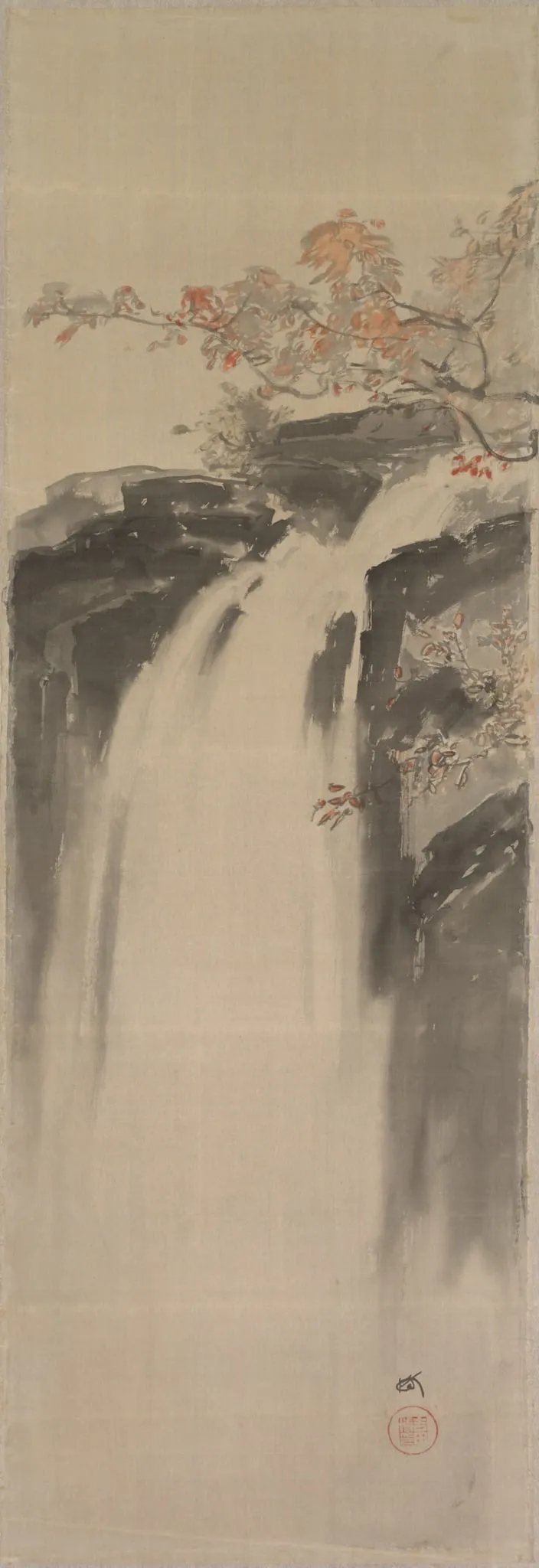
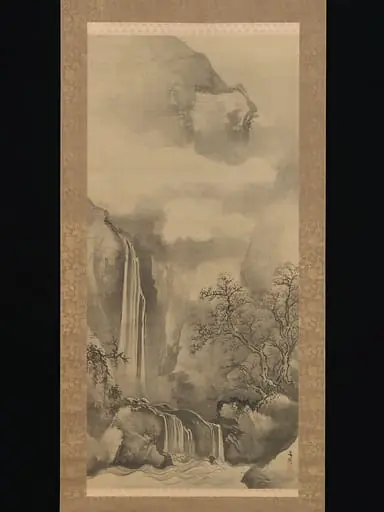
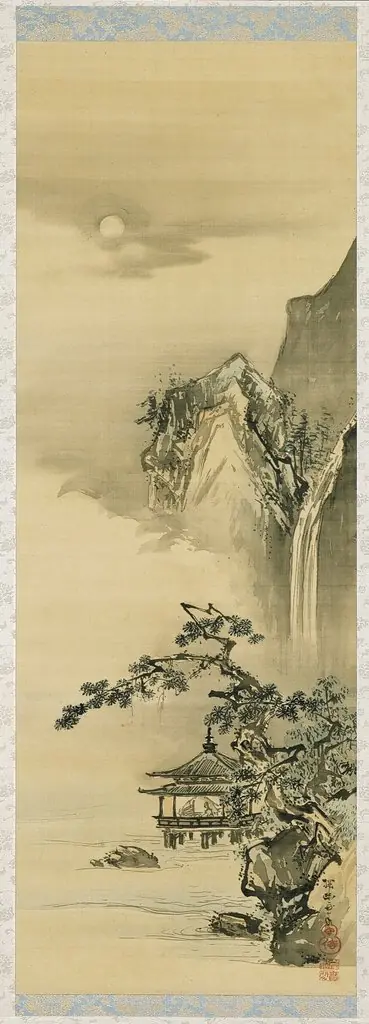
Waterfall is an unspecified painting by the Nihonga artist Hiroshi Yoshida. It dates from 1924 and is held in the collection of the Cleveland Museum of Art.
About this work
Overview
Created in 1924, *Waterfall* is a woodblock print by Yoshida Hiroshi that portrays a cascading stream descending a rugged cliff. The composition balances dark, almost black water with fleeting lighter splashes, while reddish‑orange foliage punctuates the muted rock face. The image exemplifies the artist’s capacity to capture natural drama within a compact, print‑based format.
Subject & Meaning
The work focuses on a single natural element—a waterfall—rendered with an emphasis on movement and contrast. The stark water against the subdued stone conveys a sense of force, while the bright leaves introduce a fleeting moment of color, suggesting the interplay of seasonal change and the enduring power of the landscape.
Technique & Style
Executed in the nihonga tradition, the print combines traditional Japanese woodblock methods with a looser, more spontaneous brushstroke approach characteristic of the shin‑hanga movement. The artist’s rapid, gestural marks give the water a dynamic texture, and the vivid foliage appears to glow against the overall subdued palette, highlighting a blend of precision and immediacy.
History & Provenance
The piece is part of the permanent collection of the Cleveland Museum of Art, where it remains accessible to the public.
Yoshida Hiroshi, a prominent figure in early 20th‑century Japanese printmaking, traveled widely to capture varied scenery, integrating both domestic and foreign vistas into his oeuvre. *Waterfall* reflects this practice, merging classic technique with contemporary subject matter. The piece is part of the permanent collection of the Cleveland Museum of Art, where it remains accessible to the public.
Artist & collection
Artist
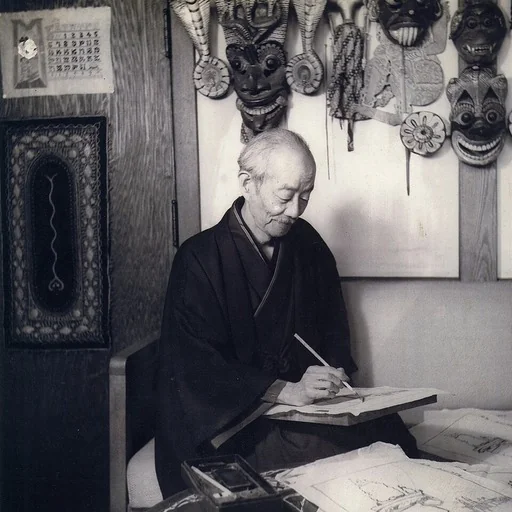
Hiroshi Yoshida (吉田 博, Yoshida Hiroshi; September 19, 1876 – April 5, 1950) was a 20th-century Japanese painter and woodblock printmaker.