Artwork
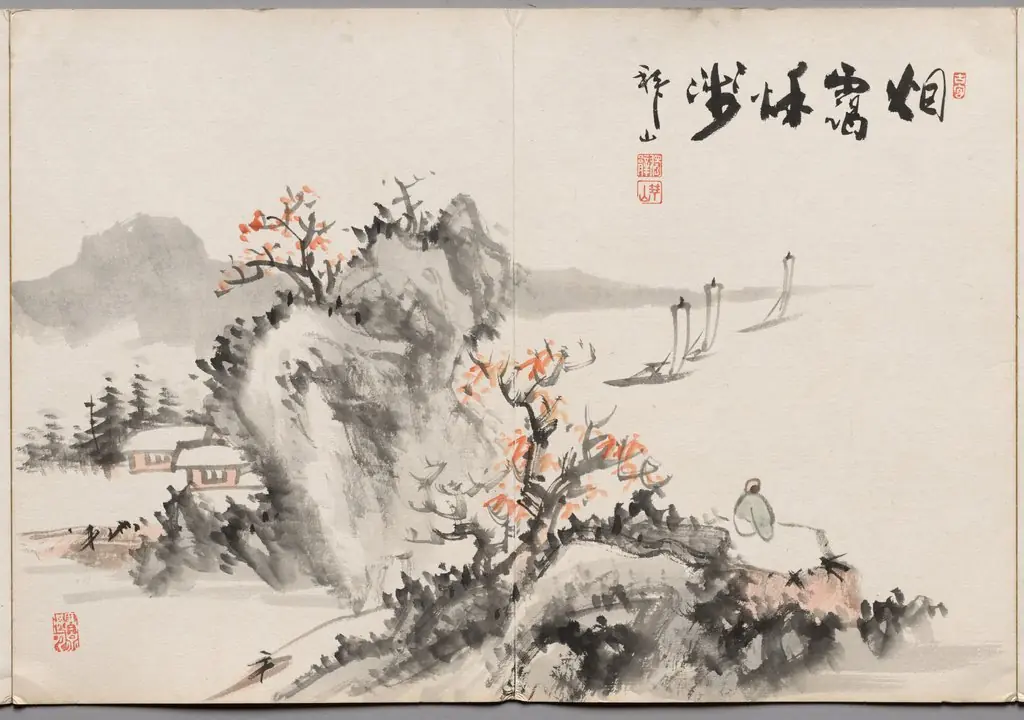
Painting Four from Album of Paintings by Haizan
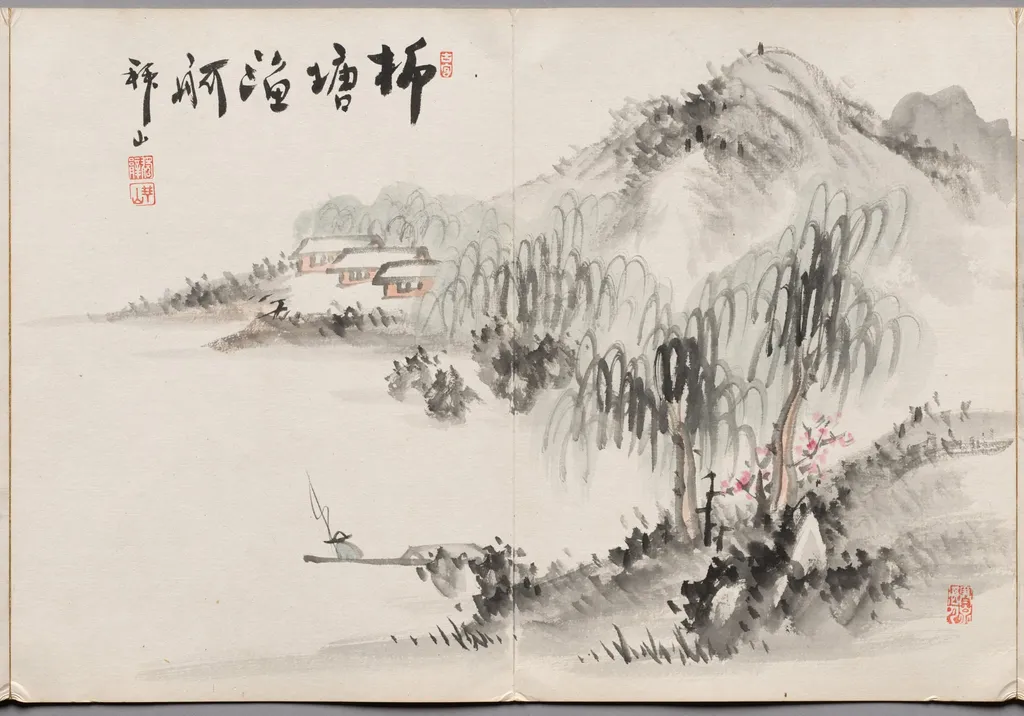
Painting Four from Album of Paintings by Haizan is an unspecified painting by the Impressionist artist Yoshitsugu Haizan. It dates from 1892 and is held in the collection of the Cleveland Museum of Art.
About this work
Overview
Created in 1892 by Yoshitsugu Haizan, this work is catalogued as the fourth piece in his Album of Paintings. It is part of the collection of the Cleveland Museum of Art, where it is displayed as an example of late‑19th‑century Japanese genre painting.
Subject & Meaning
The composition depicts a tranquil riverside scene: a modest dwelling rests beside a flowing stream, flanked by tall trees whose drooping branches frame the water. In the background, a mist‑shrouded mountain rises, while delicate pink blossoms punctuate the riverbank, suggesting a moment of quiet seasonal transition.
Technique & Style
Haizan employs a loose, gestural brushwork that resembles ink splashes, allowing forms to emerge from swift strokes. Large areas of untouched paper create negative space, inviting viewers to mentally complete the landscape. This approach reflects the aesthetic sensibilities of the Meiji to early Taishō periods, when Japanese artists blended traditional techniques with modern expressiveness.
History & Provenance
The painting entered the Cleveland Museum of Art’s holdings through acquisition in the early 20th century, though precise details of its previous owners remain undocumented. Its inclusion in the museum’s Japanese collection underscores the institution’s early interest in Meiji‑era works that illustrate everyday life.
Context
During the Meiji era, Japanese artists increasingly produced genre scenes that captured ordinary settings, aligning with broader cultural shifts toward modernization and domesticity. Haizan’s work exemplifies this trend, offering a visual record of rural architecture and natural scenery at a time when Japan was negotiating tradition and change.
Artist & collection

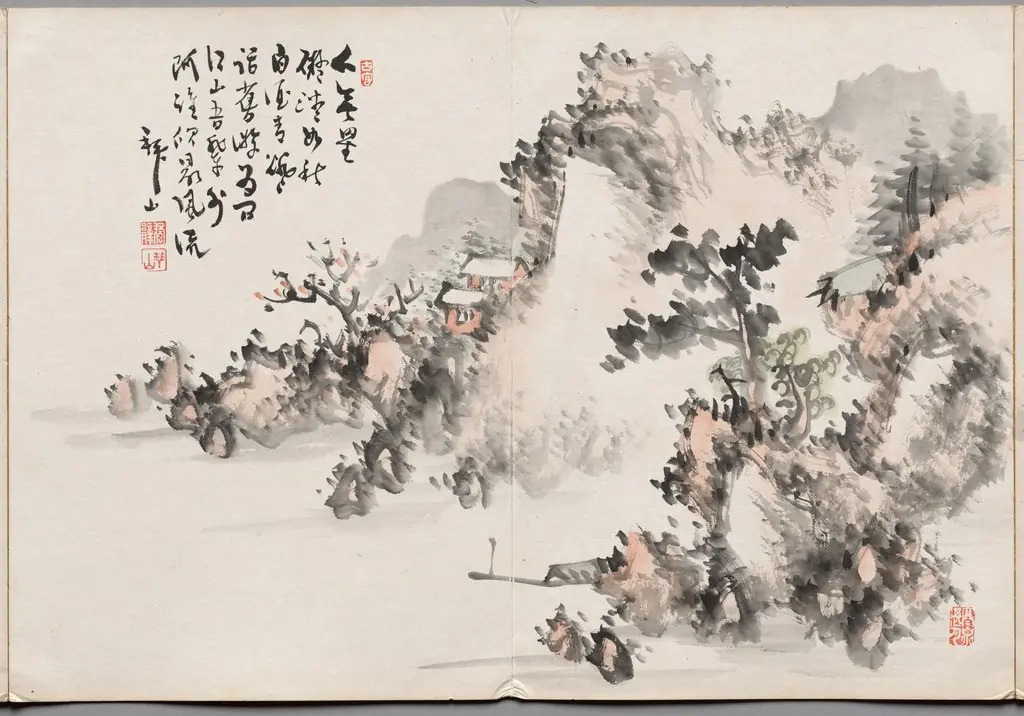 Painting Eight from Album of Paintings by Haizan
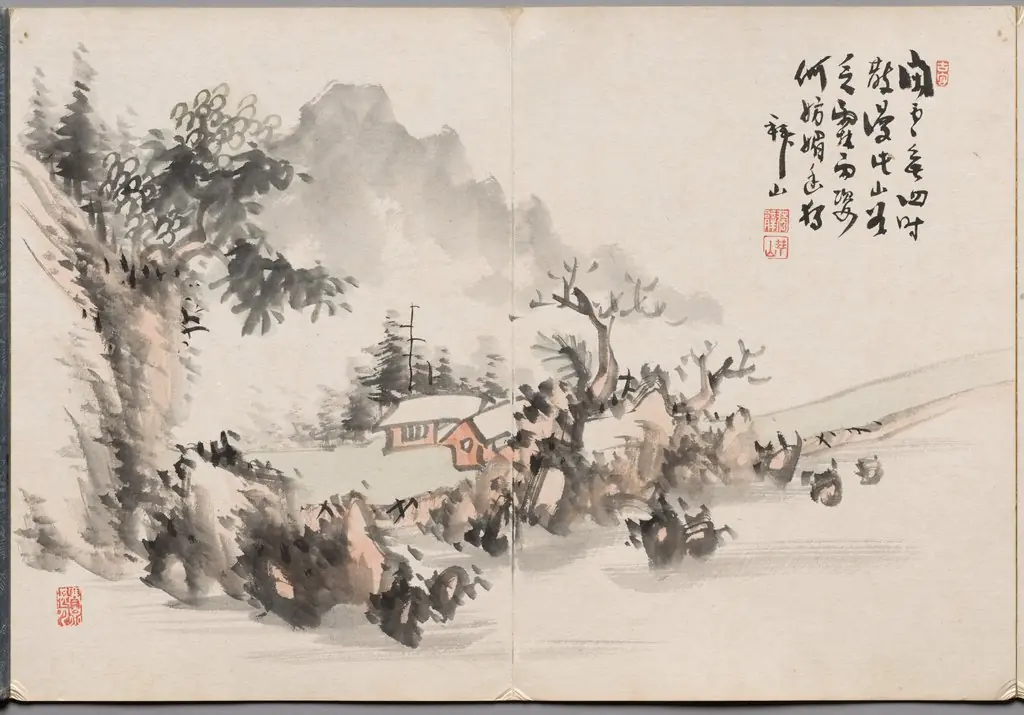 Painting Six from Album of Paintings by Haizan
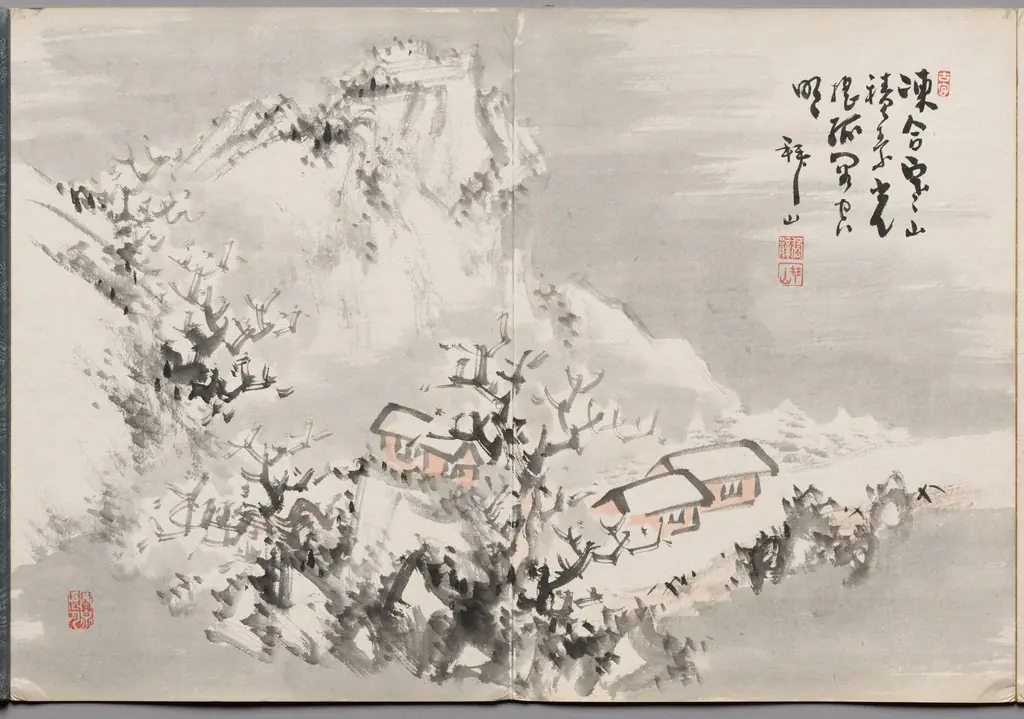 Painting Thirteen from Album of Paintings by Haizan
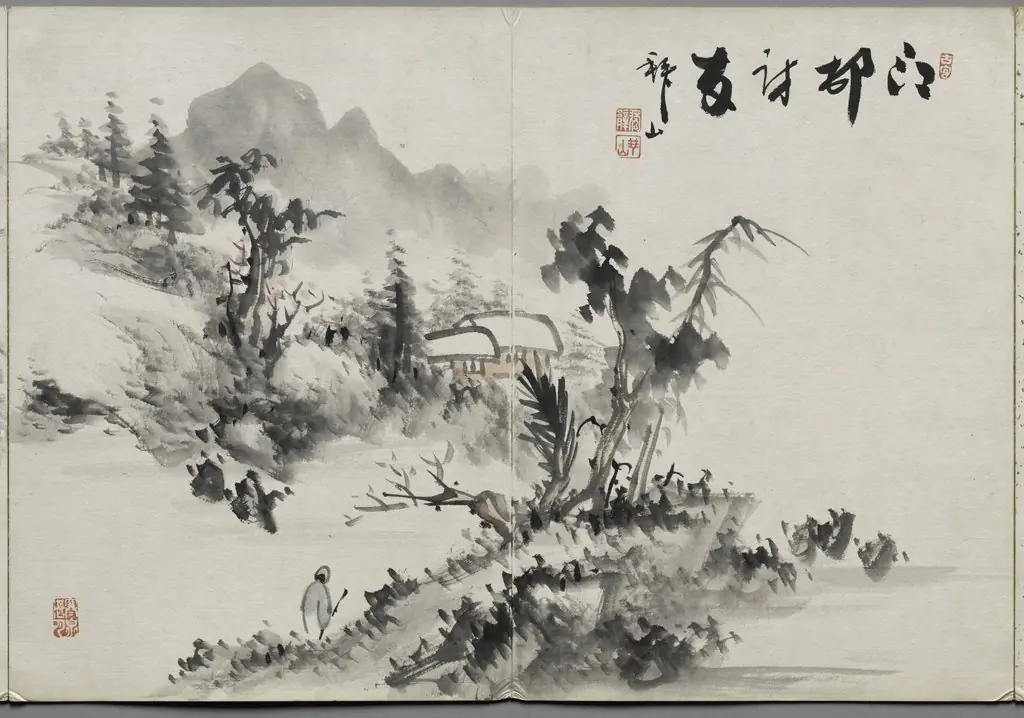 Painting Seven from Album of Paintings by Haizan
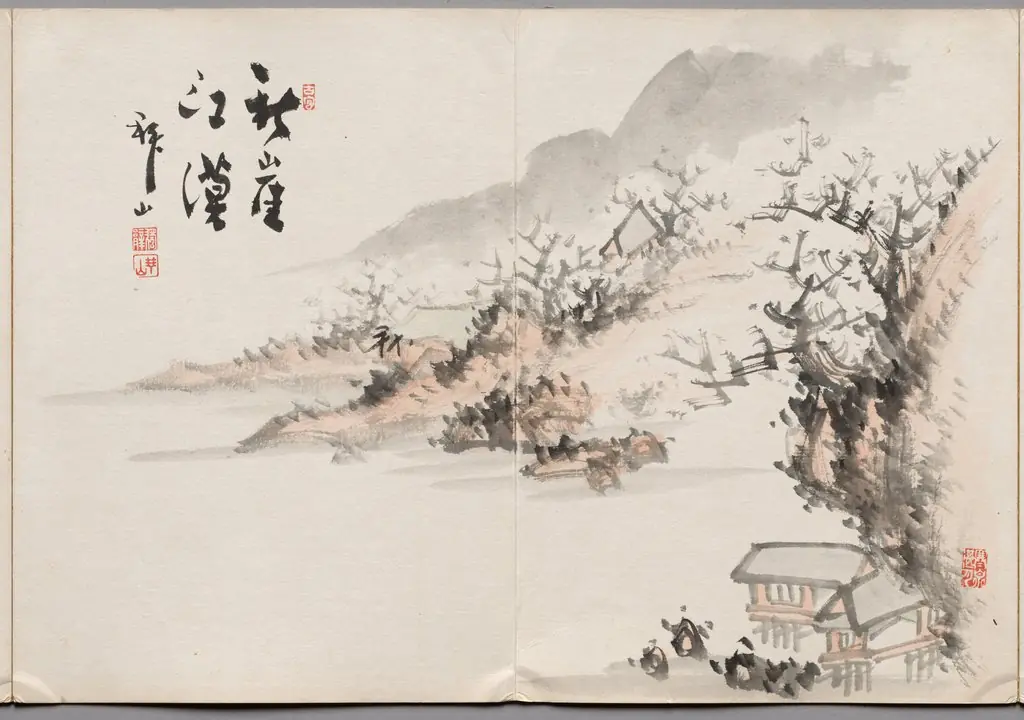 Painting Eleven from Album of Paintings by Haizan
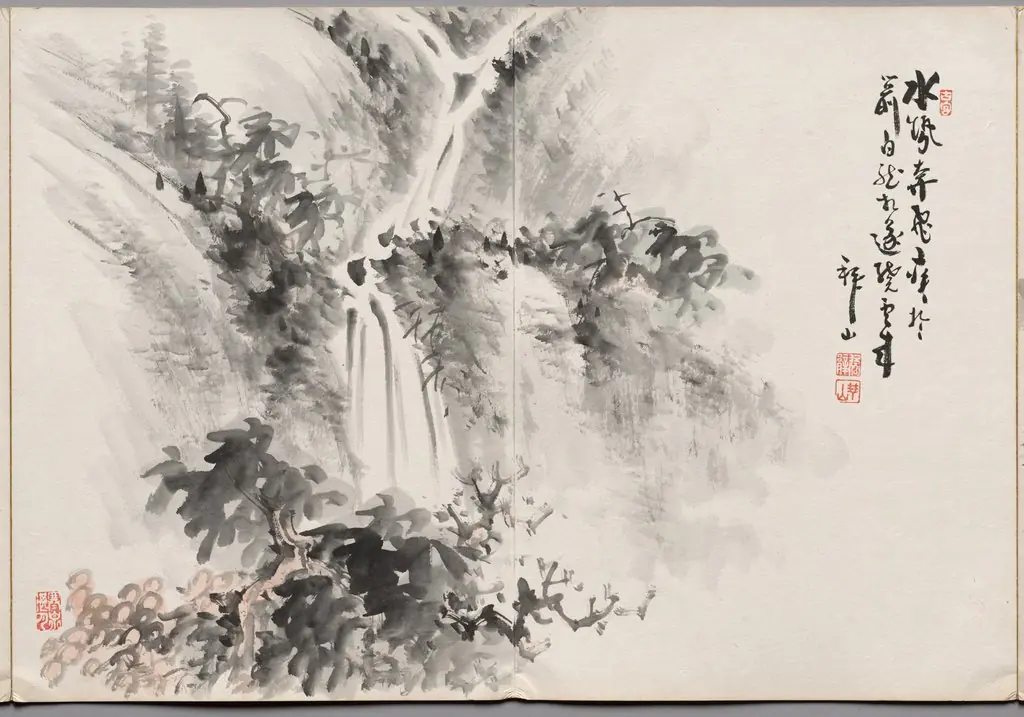 Painting Ten from Album of Paintings by Haizan
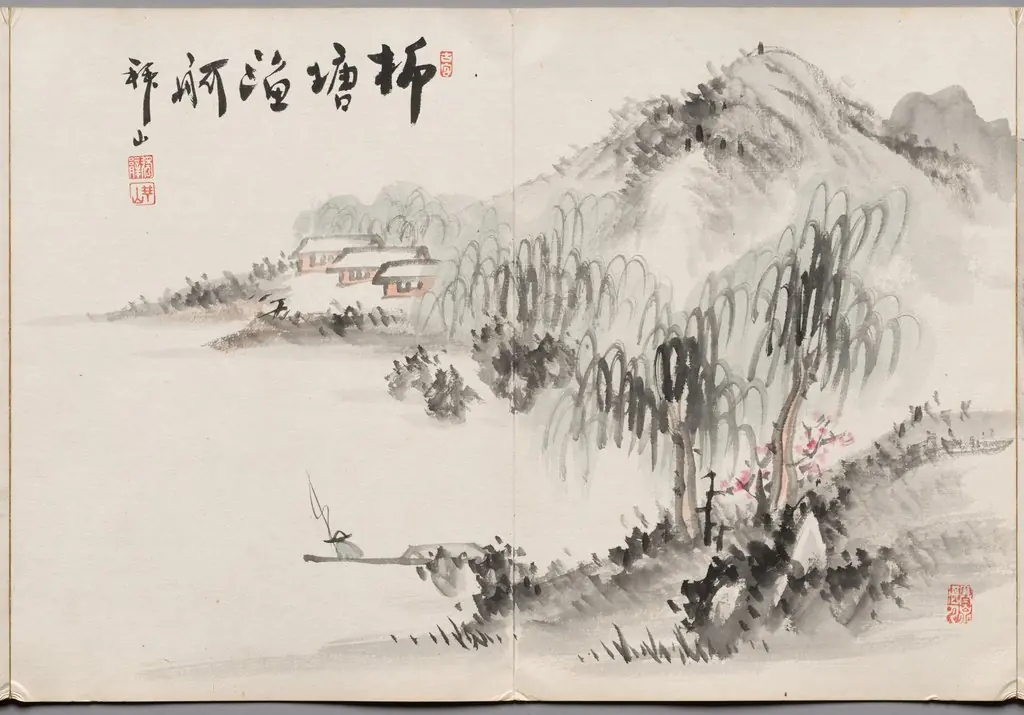 Painting Four from Album of Paintings by Haizan
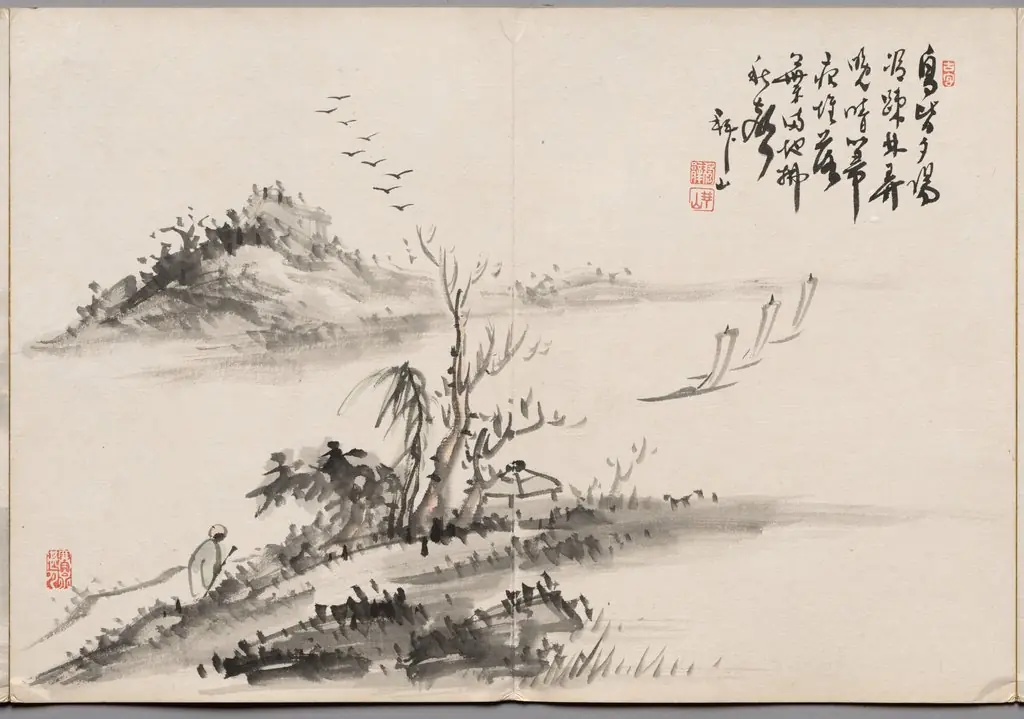 Painting Twelve from Album of Paintings by Haizan
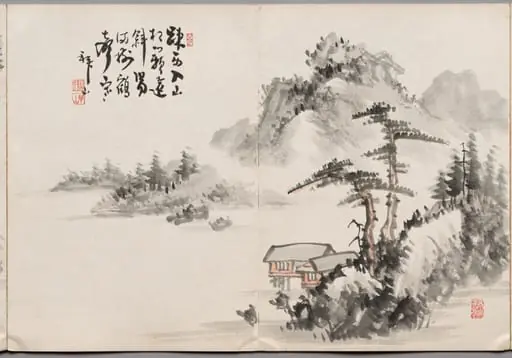 Painting One from Album of Paintings by Haizan
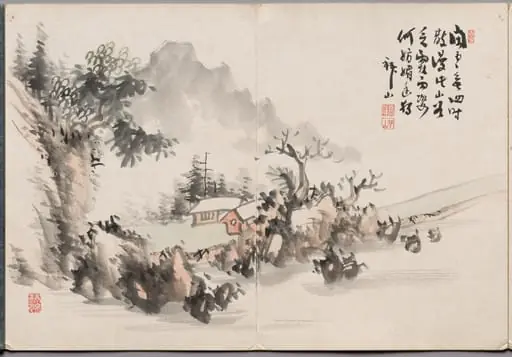 Painting Six from Album of Paintings by Haizan
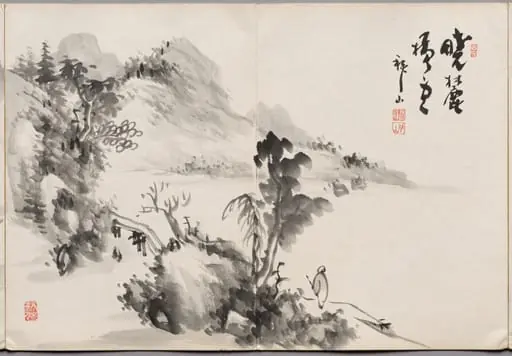 Painting Three from Album of Paintings by Haizan
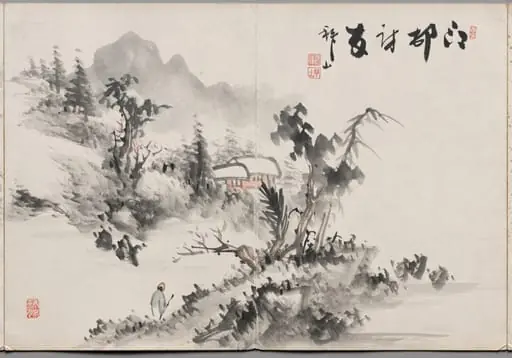 Painting Seven from Album of Paintings by Haizan
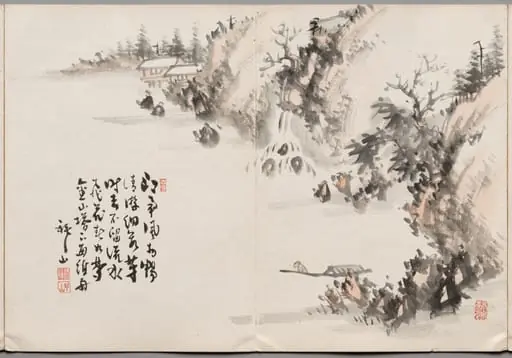 Painting Two from Album of Paintings by Haizan
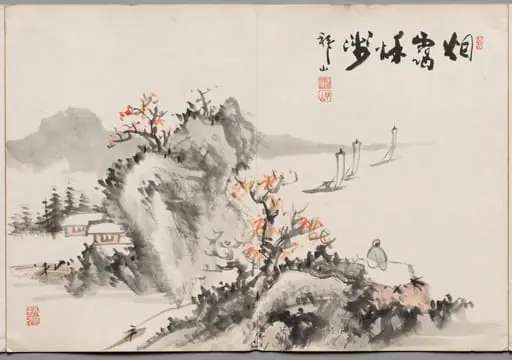 Painting Nine from Album of Paintings by Haizan
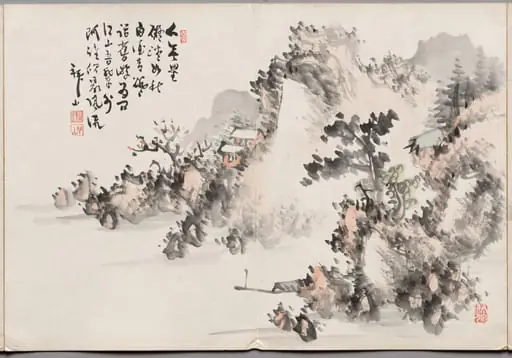 Painting Eight from Album of Paintings by Haizan
 Painting Nine from Album of Paintings by Haizan