Artwork
Painting Twelve from Album of Paintings by Haizan
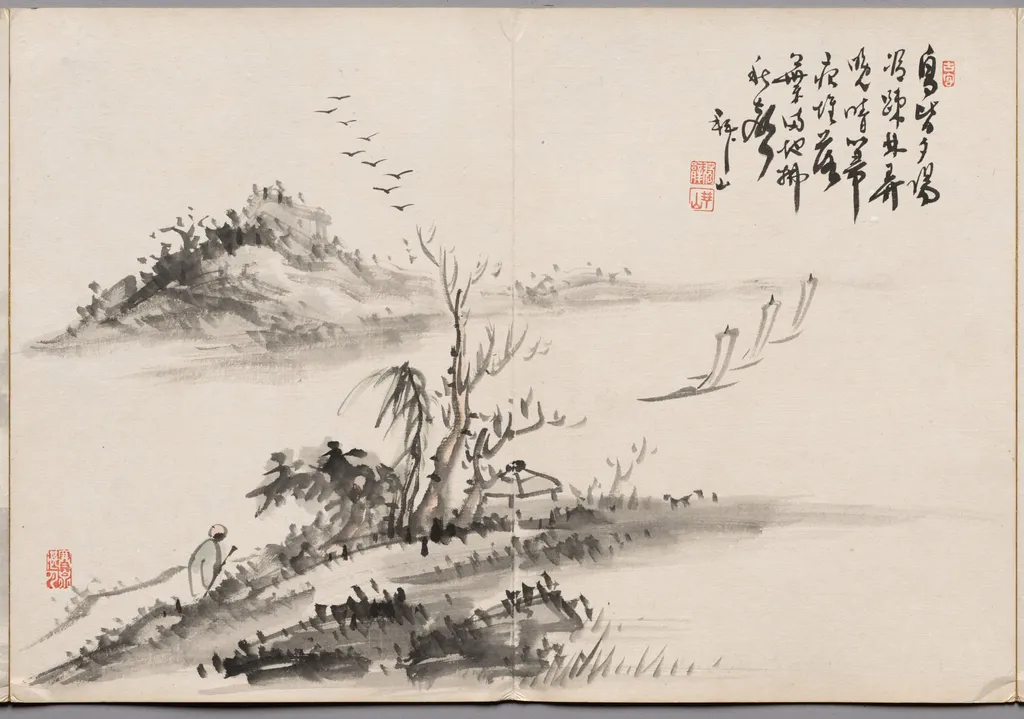
Painting Twelve from Album of Paintings by Haizan is an unspecified painting by the Impressionist artist Yoshitsugu Haizan. It dates from 1892 and is held in the collection of the Cleveland Museum of Art.
About this work
Overview
Painting Twelve from Haizan’s album, dated 1892, is one of a series of landscape works by Yoshitsugu Haizan. Executed in ink and color on paper, it belongs to a private album tradition common among Japanese literati artists. The piece is currently held in the collection of The Cleveland Museum of Art, where it represents Haizan’s quiet engagement with natural forms and spatial harmony.
Subject & Meaning
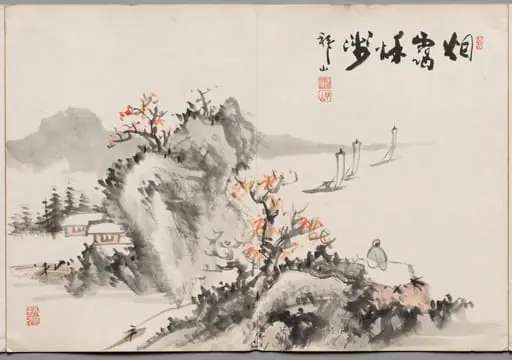
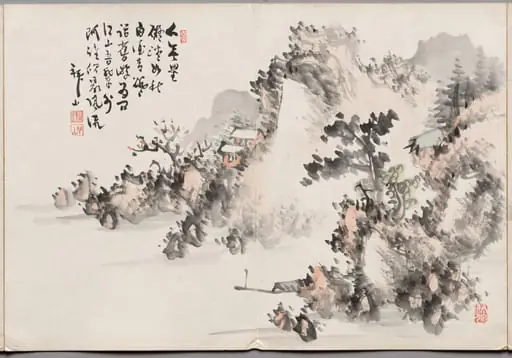
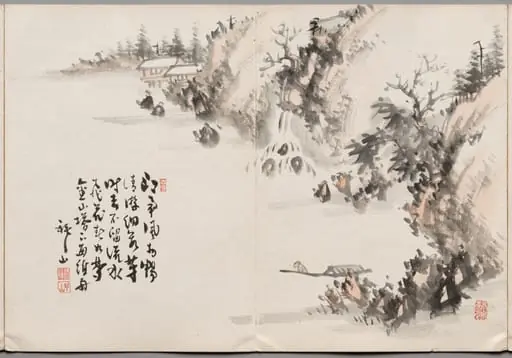
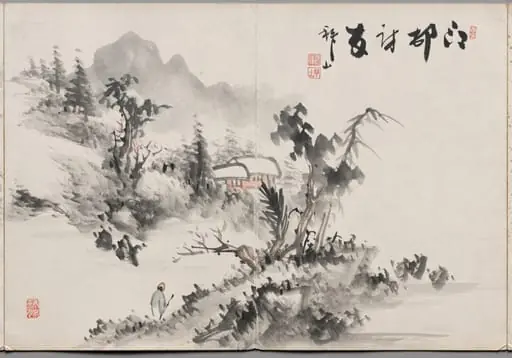
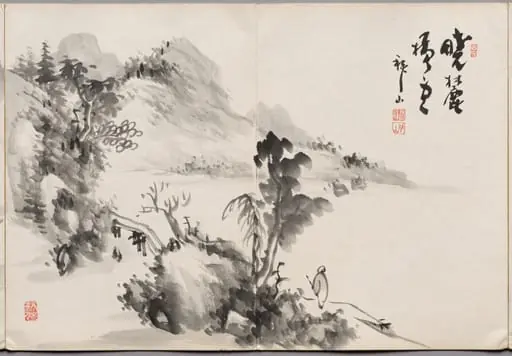
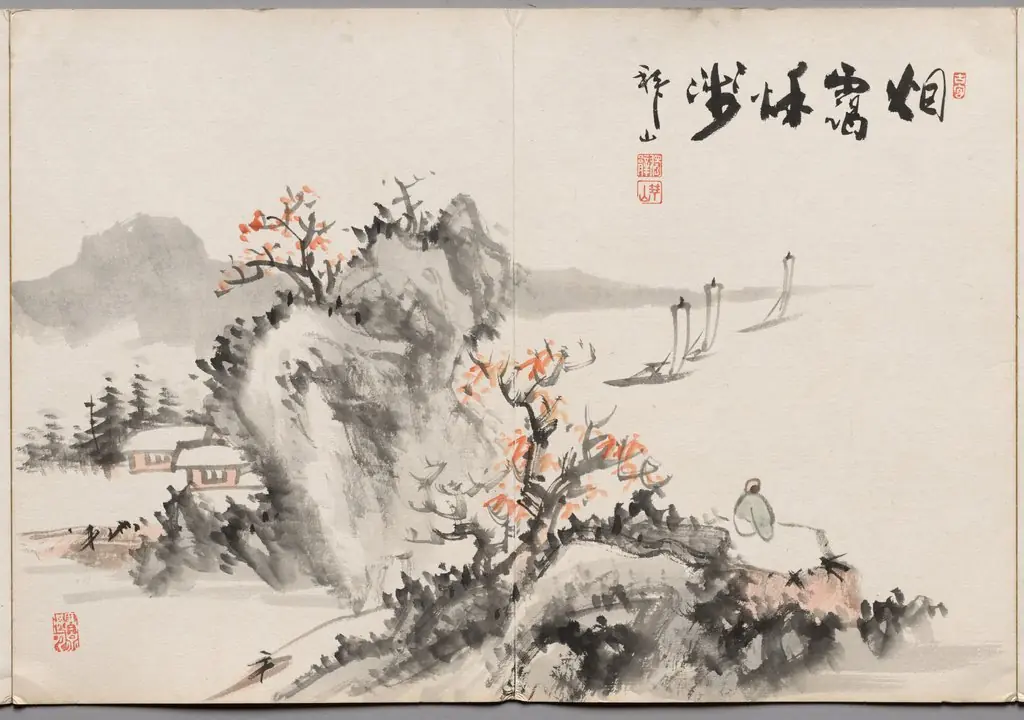
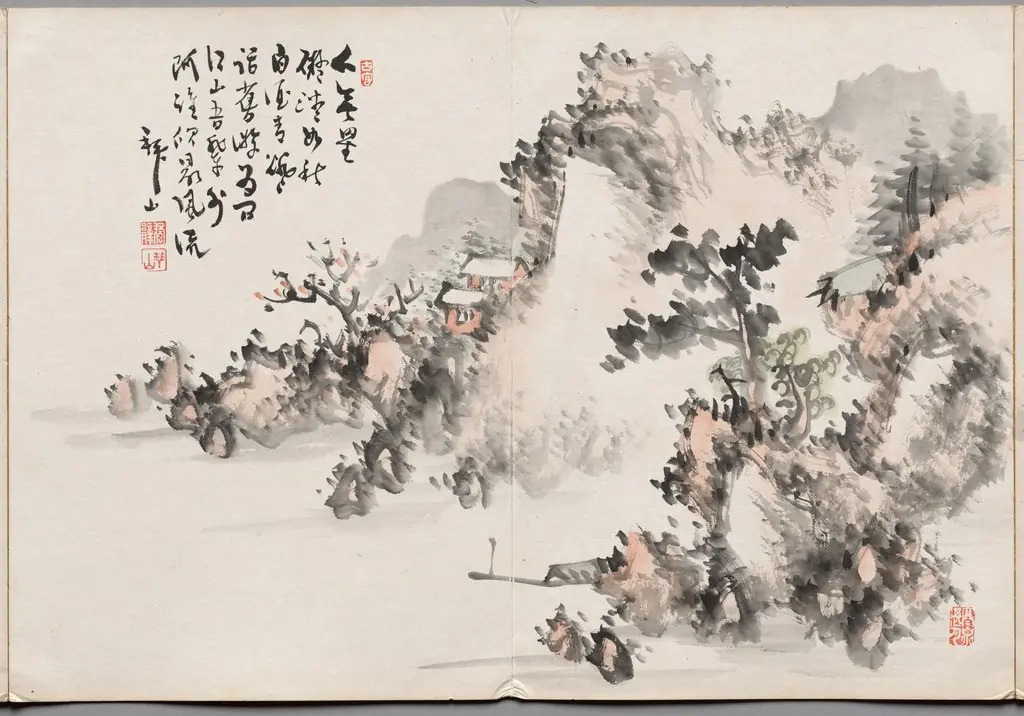
The composition presents a tranquil rural scene: foreground vegetation, rolling hills, and a distant expanse of water under a soft sky.
The composition presents a tranquil rural scene: foreground vegetation, rolling hills, and a distant expanse of water under a soft sky. A handful of birds in flight suggest movement without disruption, reinforcing the mood of stillness. The scene avoids narrative or symbolism, instead inviting contemplation through its balance of elements and restrained emotional tone, characteristic of late 19th-century Japanese ink painting.
Technique & Style
Haizan employs varied brushwork to differentiate planes: bold, angular strokes define the foreground shrubs, while softer, diluted washes model the hills and water. Light and shadow are suggested through gradations of ink rather than sharp contrast, creating subtle depth. The muted palette and deliberate lack of detail in the distance enhance spatial recession, aligning with literati ideals of suggestion over literalism.
History & Provenance
The painting was produced as part of a private album, likely intended for intimate viewing among scholars or patrons. Its journey to The Cleveland Museum of Art is not fully documented, but it entered the collection in the 20th century as part of a broader acquisition of Japanese works. The album’s original context remains partially obscured, though its survival reflects its enduring aesthetic value.
Context
Created during the Meiji era, the work reflects a tension between traditional ink painting and modernizing cultural forces. While Western techniques gained prominence, artists like Haizan continued the literati tradition, valuing personal expression and natural observation over academic realism. This piece stands as a quiet assertion of continuity within a rapidly changing artistic landscape.
Legacy
Haizan’s album paintings, including this one, are now recognized for their refined sensitivity to nature and composition. Though not widely known outside specialist circles, they contribute to the understanding of how Japanese artists sustained classical forms into the modern period. The work remains a quiet example of enduring aesthetic values in late 19th-century Japan.
Artist & collection

 Painting Eight from Album of Paintings by Haizan
 Painting Six from Album of Paintings by Haizan
 Painting Thirteen from Album of Paintings by Haizan
 Painting Seven from Album of Paintings by Haizan
 Painting Eleven from Album of Paintings by Haizan
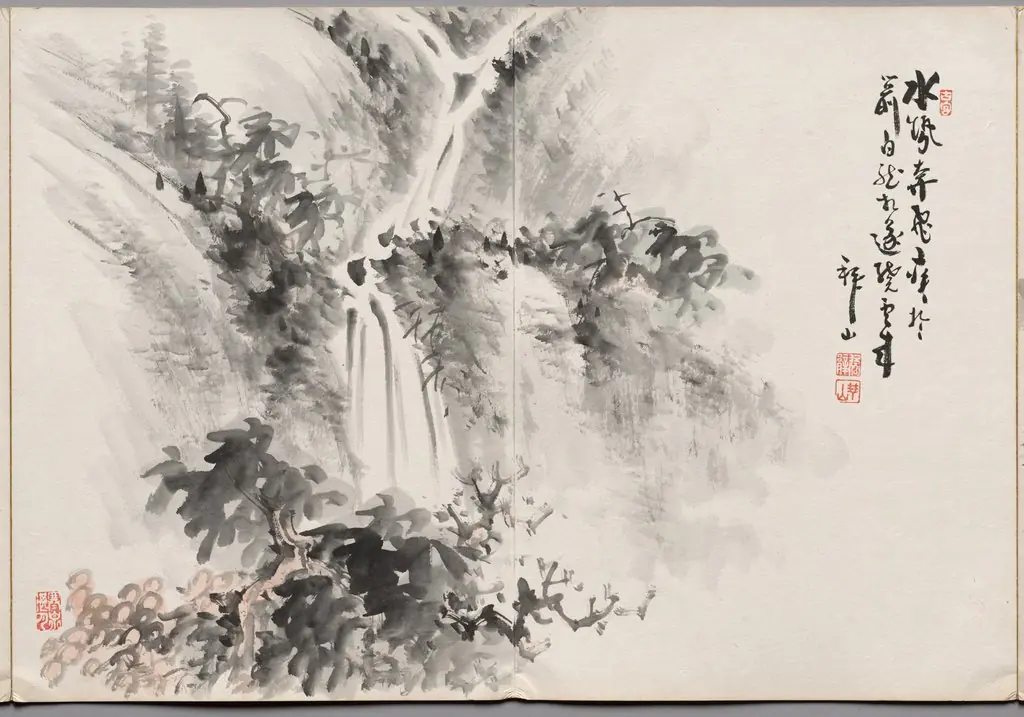 Painting Ten from Album of Paintings by Haizan
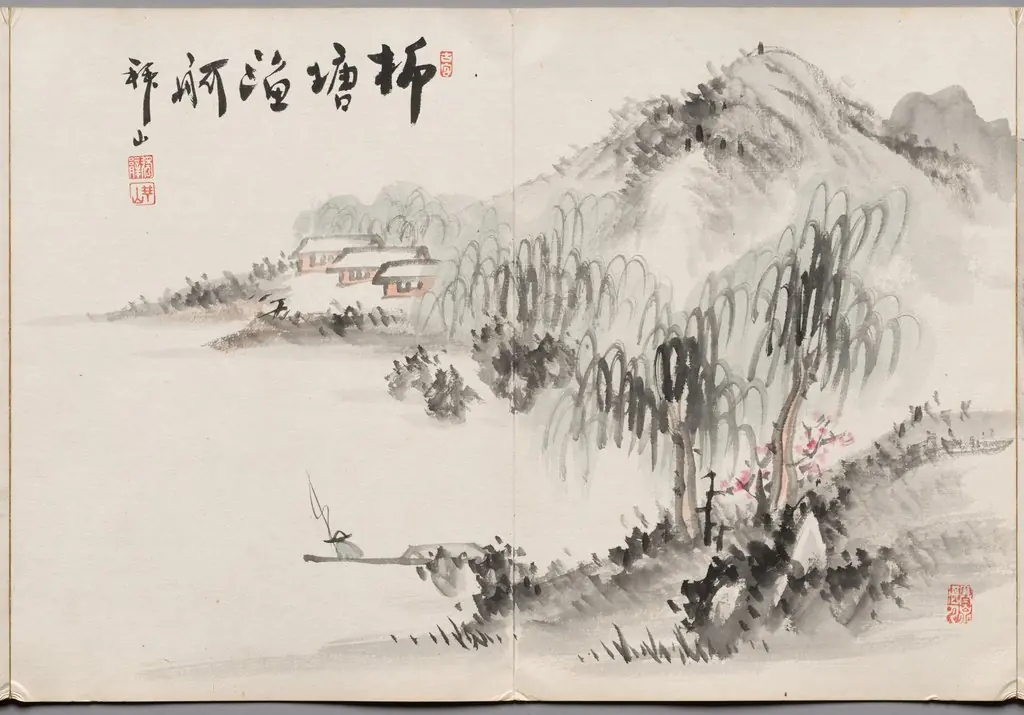 Painting Four from Album of Paintings by Haizan
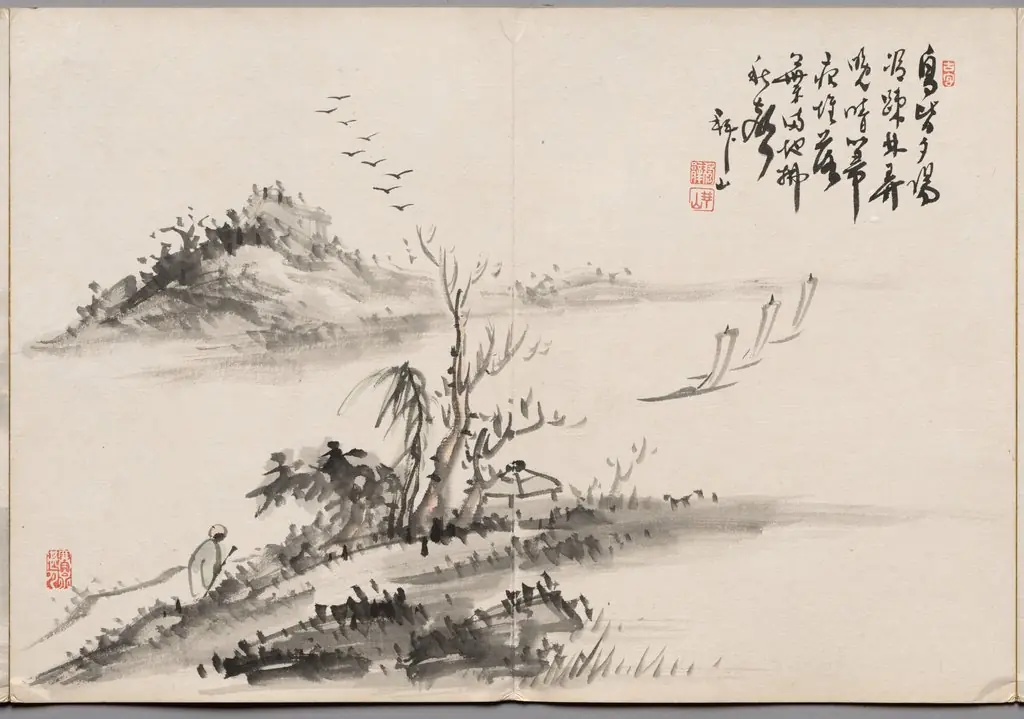 Painting Twelve from Album of Paintings by Haizan