Artwork
明 詹景鳳 草書千字文 卷|Thousand Character Classic
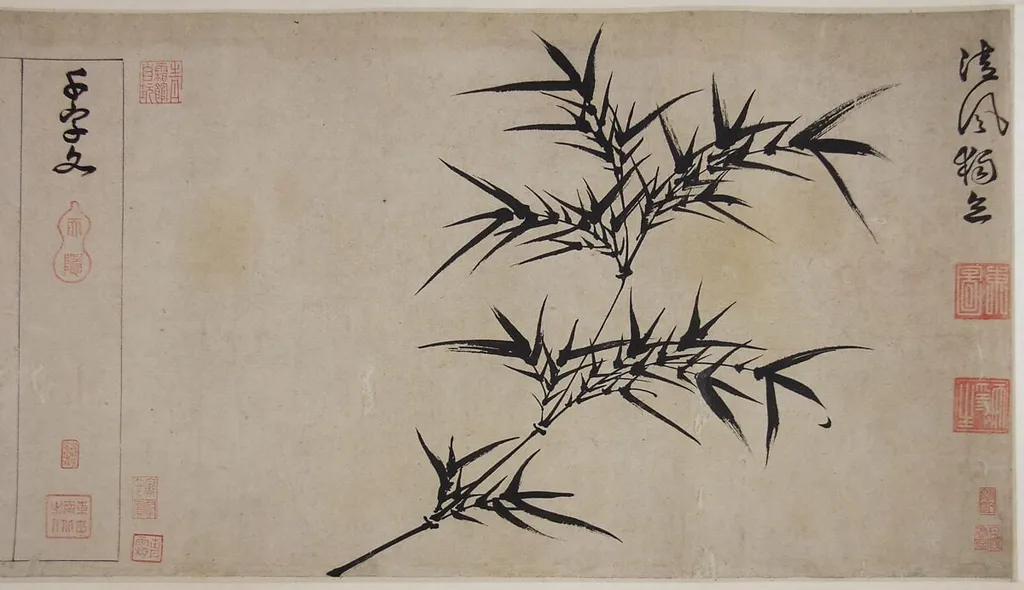
明 詹景鳳 草書千字文 卷|Thousand Character Classic is an ink painting by the Ming dynasty painting artist Zhan Jingfeng. It dates from 1599 and is held in the collection of the Metropolitan Museum of Art.
About this work
Overview
Created in 1599 during the Ming dynasty, this handscroll presents Zhan Jingfeng’s cursive rendition of the Thousand Character Classic. Executed on paper with black ink, the work consists solely of flowing Chinese characters that extend across the length of the scroll, offering a continuous visual experience of calligraphic line.
Subject & Meaning
The text of the scroll is the Thousand Character Classic, a traditional primer used for teaching literacy to children. By rendering the educational passage in an energetic cursive script, Zhan transforms a didactic work into a visual meditation on the rhythm and vitality of Chinese characters.
Technique & Style
Zhan employed a single‑brush, uninterrupted approach, completing each character in one continuous motion without correction. The resulting strokes display a swift, controlled hand, characteristic of the 草書 (cursive) style, where the ink flows like water and the forms merge into a dynamic, rhythmic composition.
History & Provenance
The scroll originates from the late 16th‑century Ming court milieu, a period when calligraphy was prized as both scholarly practice and artistic expression. It has remained in private collections before being catalogued as a representative example of Ming‑era cursive calligraphy.
Context
During the Ming era, the Thousand Character Classic was widely memorized, and calligraphers often used its text to demonstrate mastery of brush technique. Zhan Jingfeng’s version reflects this tradition, situating the work within a broader cultural emphasis on the integration of literary education and visual art.
Legacy
The piece exemplifies how calligraphy can transcend its instructional purpose, influencing later generations of artists who explore the expressive potential of script. It continues to be cited in studies of Ming calligraphic practice and the aesthetic possibilities of cursive writing.
Artist & collection