Artwork
明 張翀 花鳥圖 扇面|Bird on a flowering branch
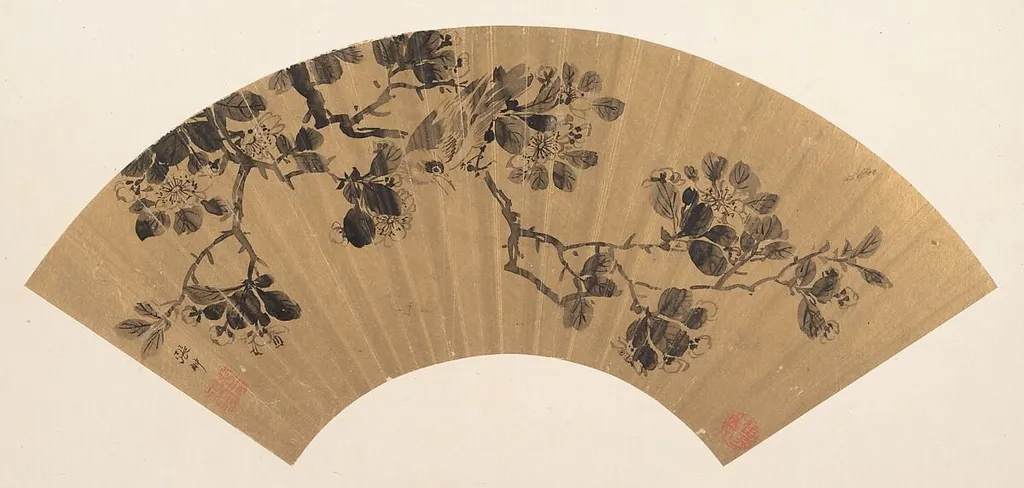
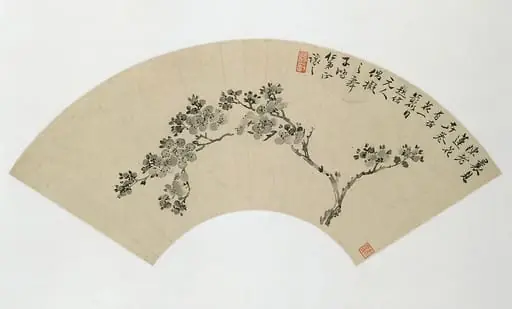
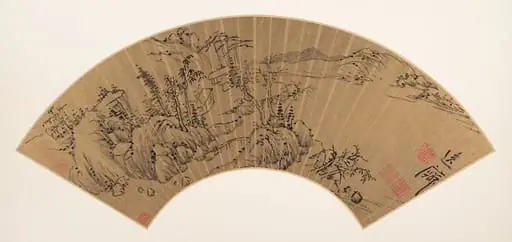
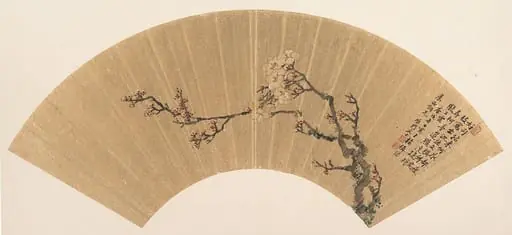
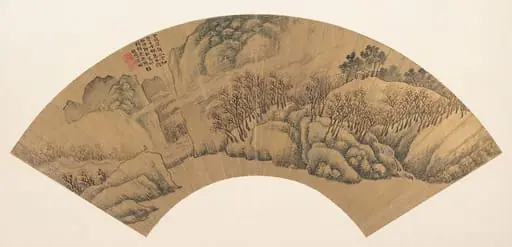
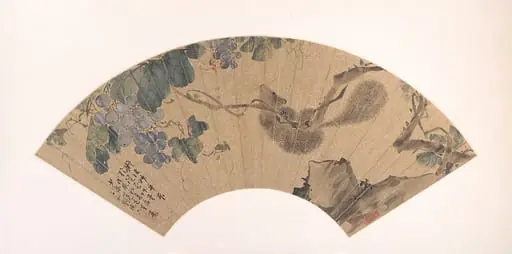
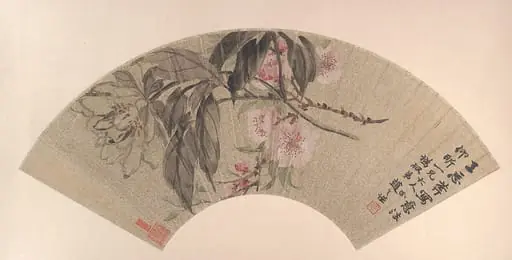
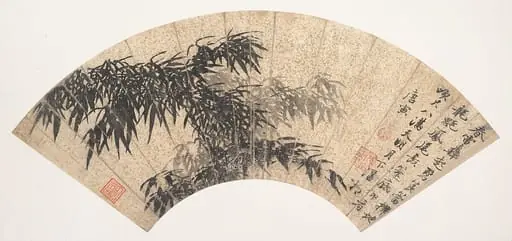
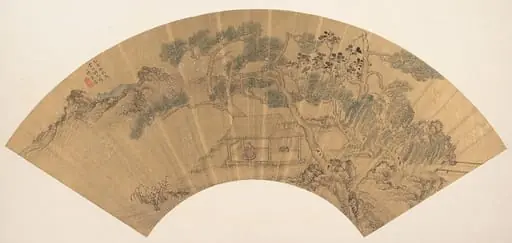
明 張翀 花鳥圖 扇面|Bird on a flowering branch is an ink painting by the Ming dynasty painting artist Zhang Chong. It dates from 1590 and is held in the collection of the Metropolitan Museum of Art.
About this work
Overview
The composition features a small bird perched delicately on a blossoming branch, rendered with precise brushwork against the shimmering background.
Zhang Chong's Bird on a Flowering Branch, created in 1590, is an ink painting on gold paper. Originally a folding fan, it has since been mounted as an album leaf, retaining its distinctive curved shape. The composition features a small bird perched delicately on a blossoming branch, rendered with precise brushwork against the shimmering background. This work exemplifies the artist's skill in depicting natural subjects within the intimate format of a fan painting.
Subject & Meaning
The artwork presents a solitary bird resting on a branch adorned with flowers. While seemingly a simple depiction of nature, the choice of a gold paper ground carried significant implications. During the Ming dynasty, such precious materials indicated the patron's affluence and status. These fan paintings were often exchanged as esteemed gifts among high-ranking officials, serving both as aesthetic objects and subtle markers of social connection and prestige.
Technique & Style
Zhang Chong utilized ink on a luminous gold paper surface, a material choice that provided a rich, reflective backdrop for the monochromatic imagery. The artist employed a refined cross-hatching technique to render the bird's feathers, building texture and volume through a network of fine, intersecting lines. This method allowed for a sense of three-dimensionality and detail without the use of color, while the original fan's curved edges subtly frame the composition.
Context
This artwork originated as a folding fan, a common format for paintings during the Ming dynasty. Such fans were not merely utilitarian objects but also significant cultural artifacts, frequently presented as gifts among the educated elite and government officials. The use of gold paper for the ground underscored the item's value and the patron's prosperity, making it a fitting token to be discreetly carried or exchanged within social circles.
Artist & collection