Artwork
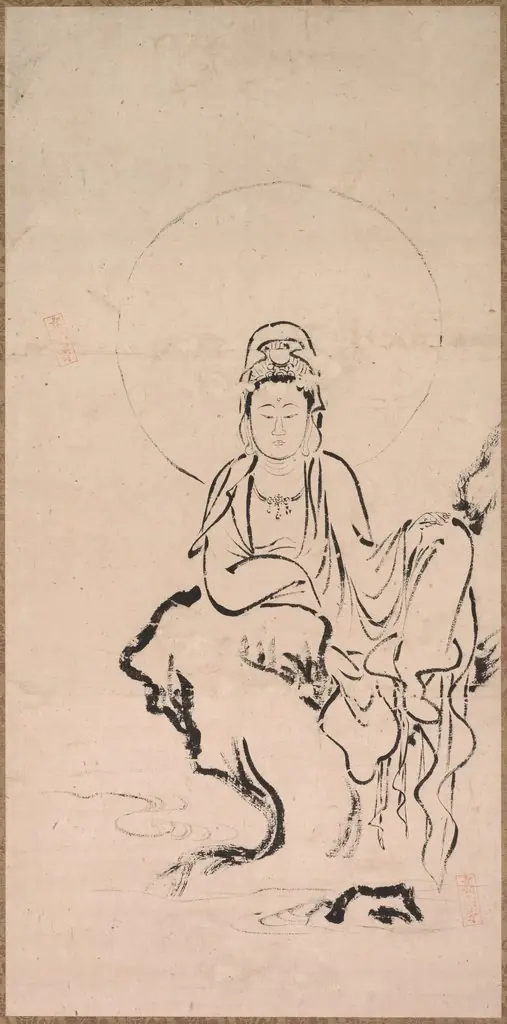
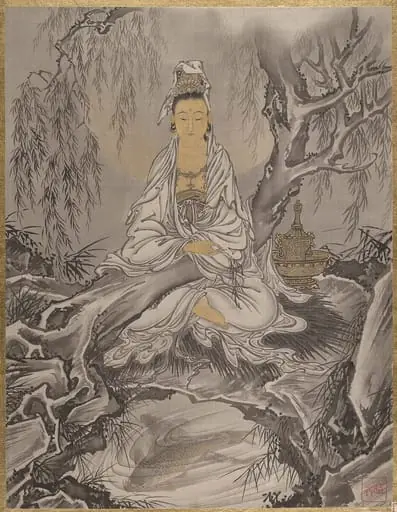
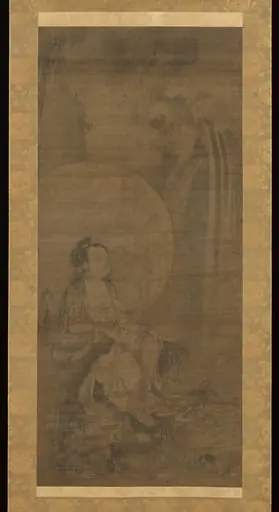
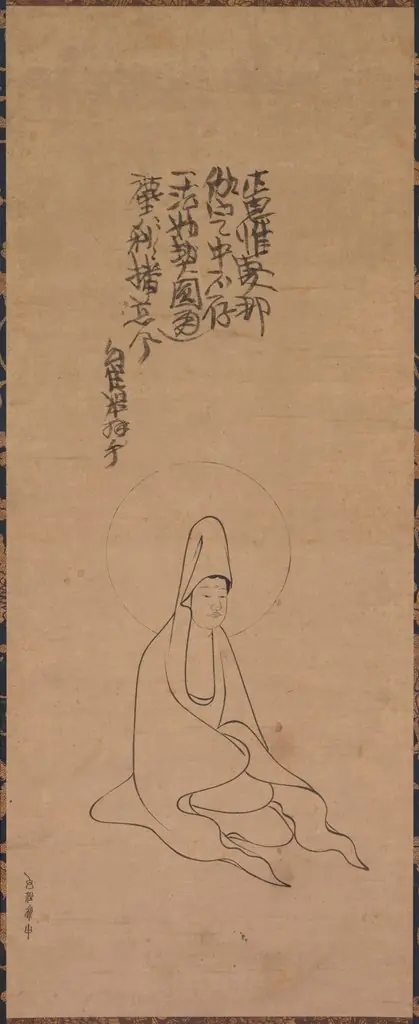
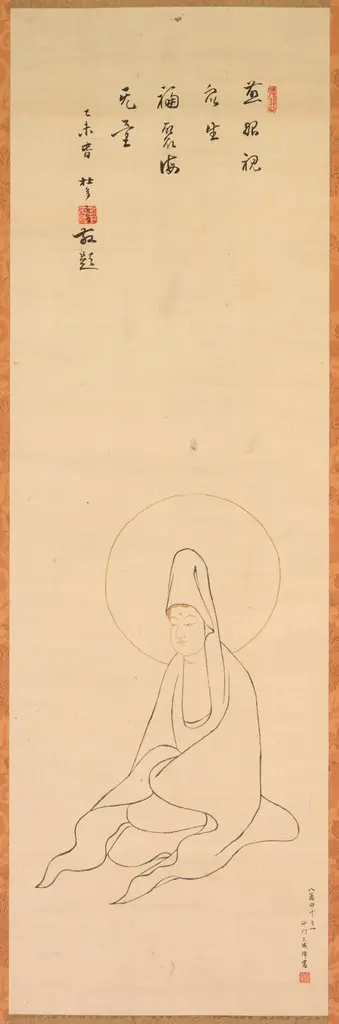
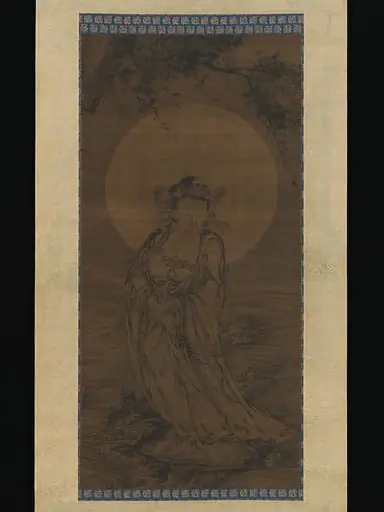
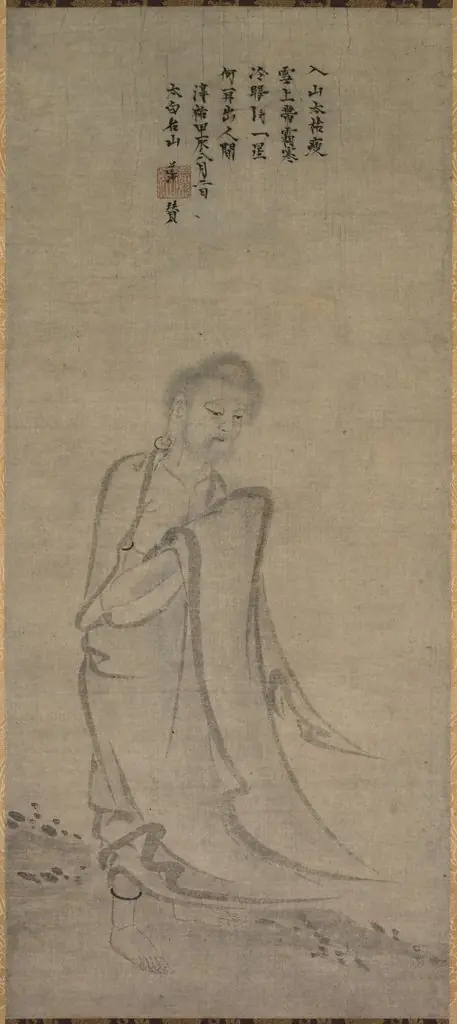
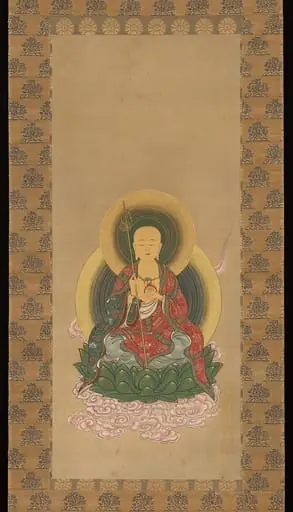
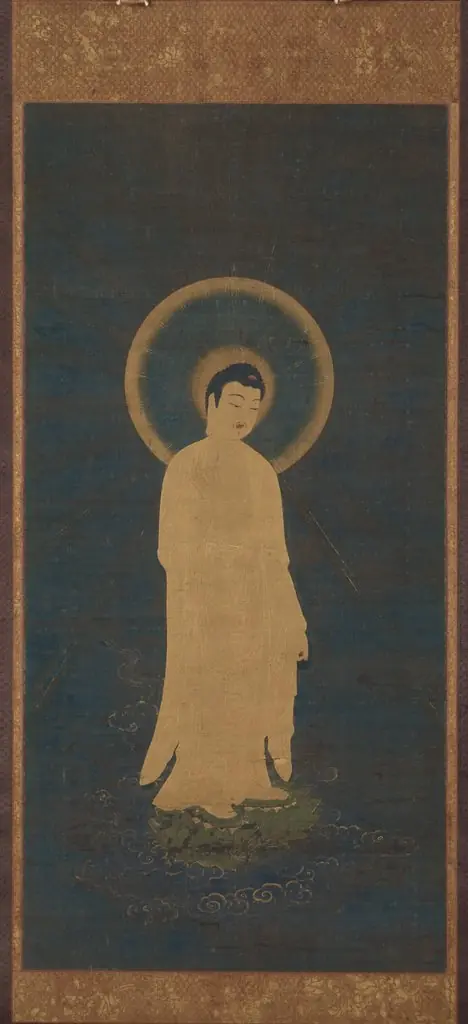
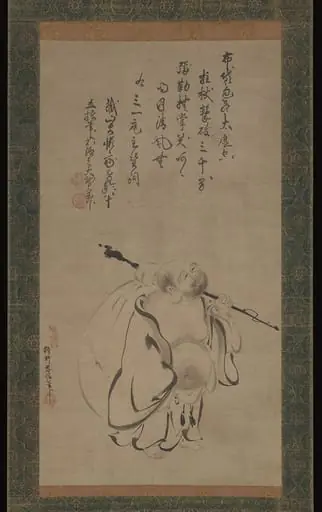
White-Robed Guanyin
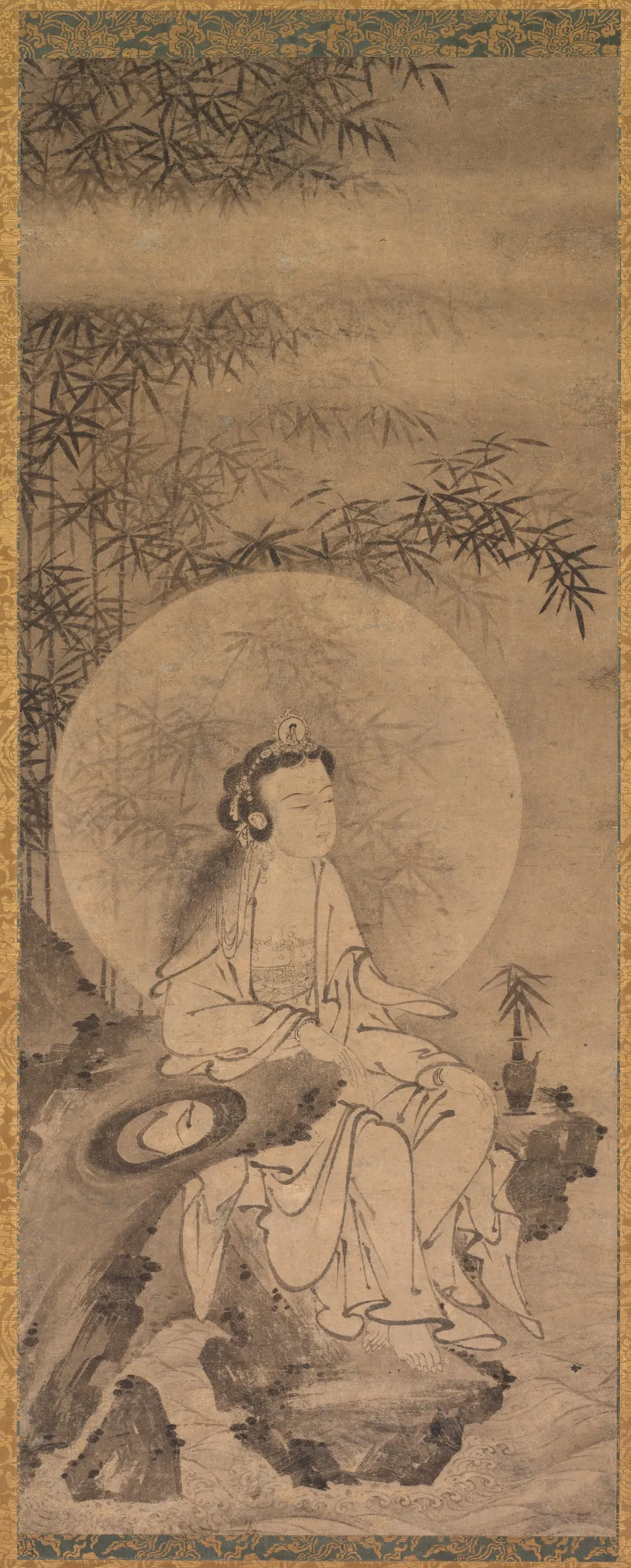
White-Robed Guanyin is an unspecified painting by the Ming dynasty painting artist Zhang Yuehu. It dates from 1294 and is held in the collection of the Cleveland Museum of Art.
About this work
Overview
This painting, titled White-Robed Guanyin, was created by the artist Zhang Yuehu in 1294. It depicts Guanyin, a significant figure in East Asian Buddhism, in a serene natural setting. The artwork is characterized by its contemplative mood and refined execution, offering a visual representation of spiritual tranquility. It is currently housed in The Cleveland Museum of Art.
Subject & Meaning
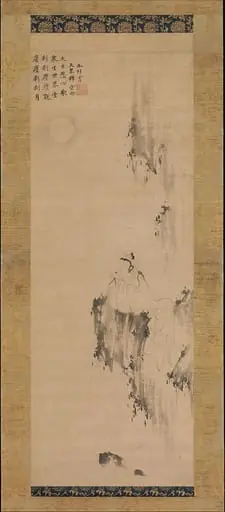
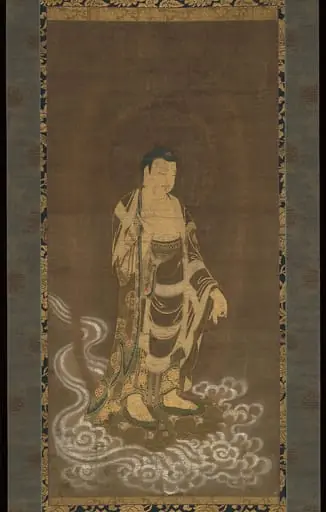
The central figure is Guanyin, the Bodhisattva of Compassion, shown seated on a rock beside a flowing stream. She wears a simple white robe, symbolizing purity, and holds a small vase, often associated with the elixir of life or divine nectar. The surrounding elements, such as the bamboo and the luminous moon, enhance the spiritual atmosphere, suggesting a connection to nature and enlightenment.
Technique & Style
Zhang Yuehu employed a delicate approach, utilizing soft, muted colors and gentle brushstrokes to evoke a sense of calm and introspection. The artist skillfully rendered the figure and landscape through subtle gradations of light and shadow, contributing to the painting's quiet, almost dreamlike quality. This technique emphasizes the spiritual and ethereal nature of the subject.
History & Provenance
Created in the late 13th century, White-Robed Guanyin represents a devotional artwork from a specific period of Chinese art history. While its early history is not detailed in the provided facts, the painting has since entered the collection of The Cleveland Museum of Art, where it is preserved and exhibited as an example of religious painting from the Yuan Dynasty.
Artist & collection