Artwork
H Beard Print Collection
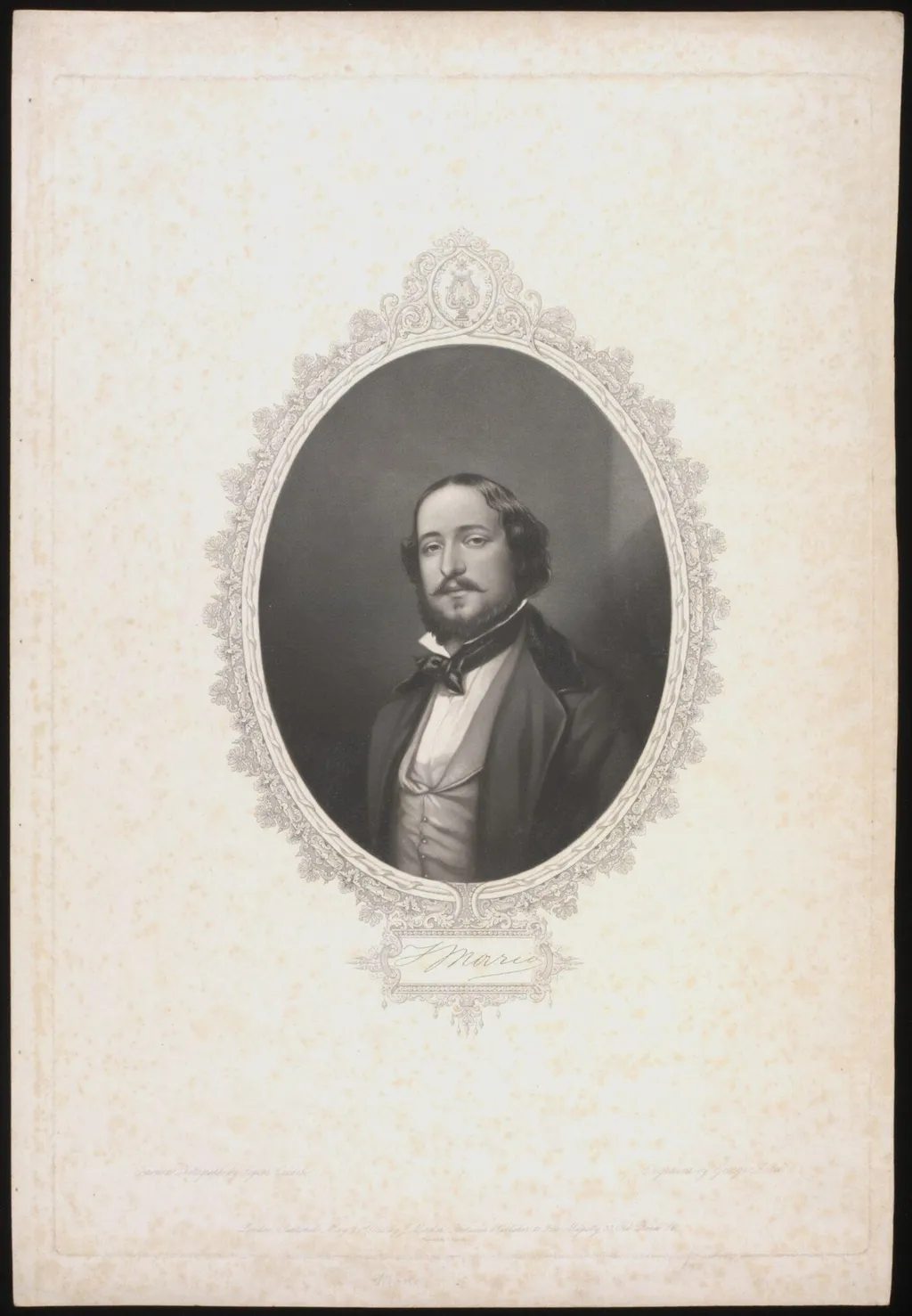
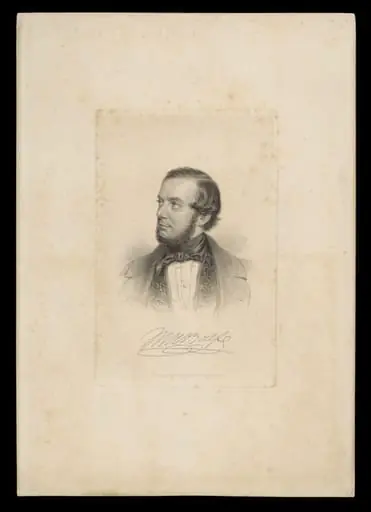
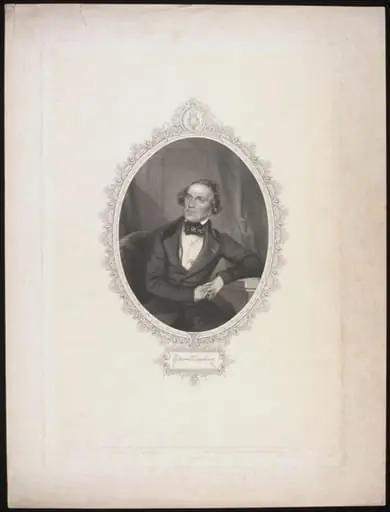
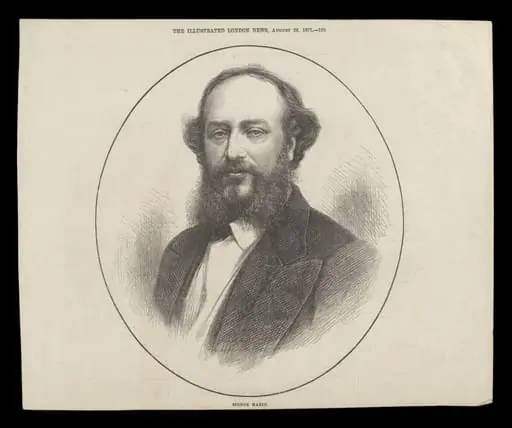
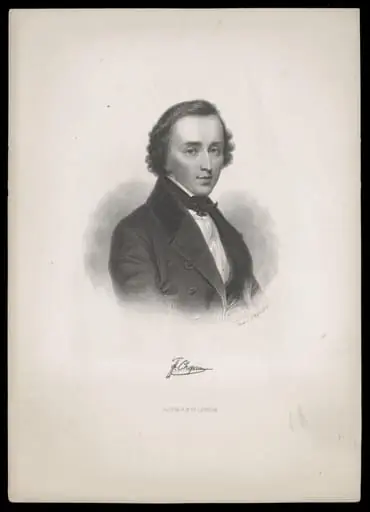
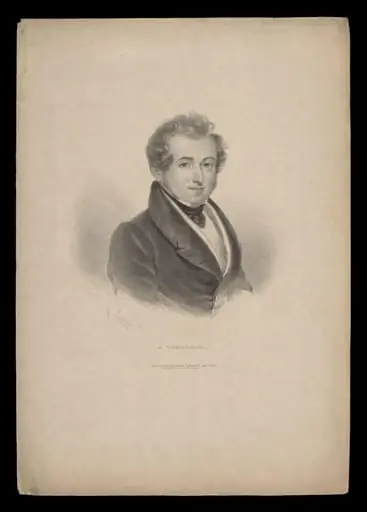
H Beard Print Collection is a print by the Impressionist artist G. Zobel. It dates from 21 and is held in the collection of the Victoria and Albert Museum. The work is a mid‑nineteenth‑century print executed by G.
About this work
The H Beard Print Collection is a print made by G. Zobel in 1855.
It's based on a photograph, which is an interesting fact.
The print was published in London and is now held at the Victoria and Albert Museum, which is a great place to learn about art and history, similar to the work of other artists in the Impressionism movement.
Overview
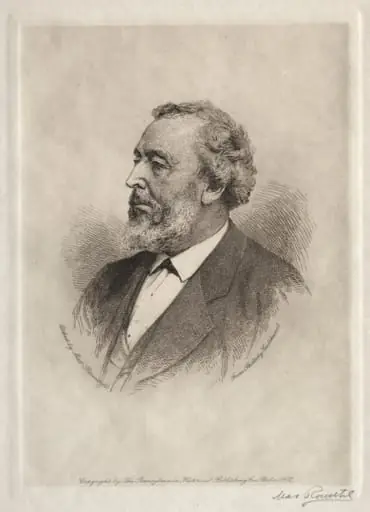
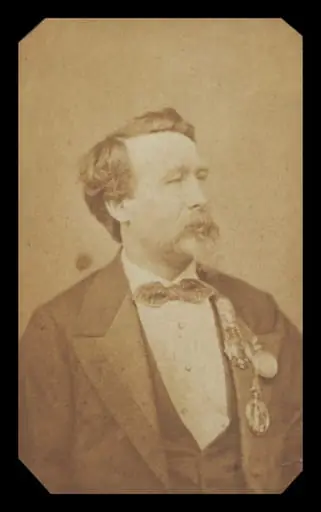
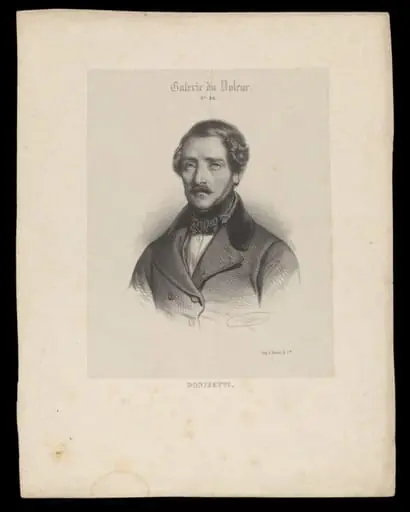
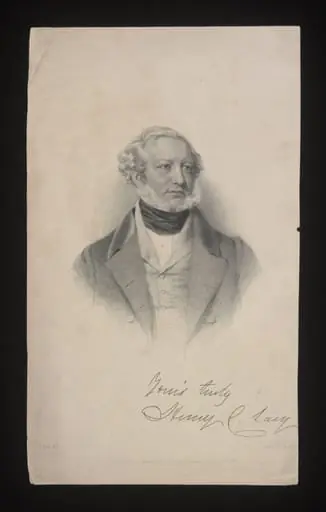
The work is a mid‑nineteenth‑century print executed by G. Zobel. It depicts a portrait of J. Mario and was issued on 21 May 1855 in London. The image forms part of the Harry Beard Print Collection and is presently conserved by the Victoria and Albert Museum.
Subject & Meaning
The portrait presents J. Mario, a figure whose identity is recorded only through the accompanying inscription. Rendered from a photographic source, the image reflects the period’s growing interest in translating photographic likenesses into reproducible graphic forms, offering a glimpse of personal representation in a commercial print context.
Technique & Style
Zobel’s print derives directly from a photograph taken by Signor Caldesi, illustrating an early example of photomechanical reproduction. The artist transferred the photographic image onto a printable matrix, preserving tonal contrasts while adapting them to the line‑based conventions of mid‑Victorian printmaking.
History & Provenance
Originally published in London in 1855, the print entered the private Harry Beard collection before being acquired by the Victoria and Albert Museum. Its documented provenance traces a clear line from its commercial release to its current status as a catalogued object within a major public institution.
Artist & collection
Artist
G. Zobel made prints in the 1800s, a time when artists often sketched everyday life and famous faces. In the H Beard Print Collection (21 May 1855), Zobel shows a scene with crisp lines and careful shading, typical of…