Artwork
River scene
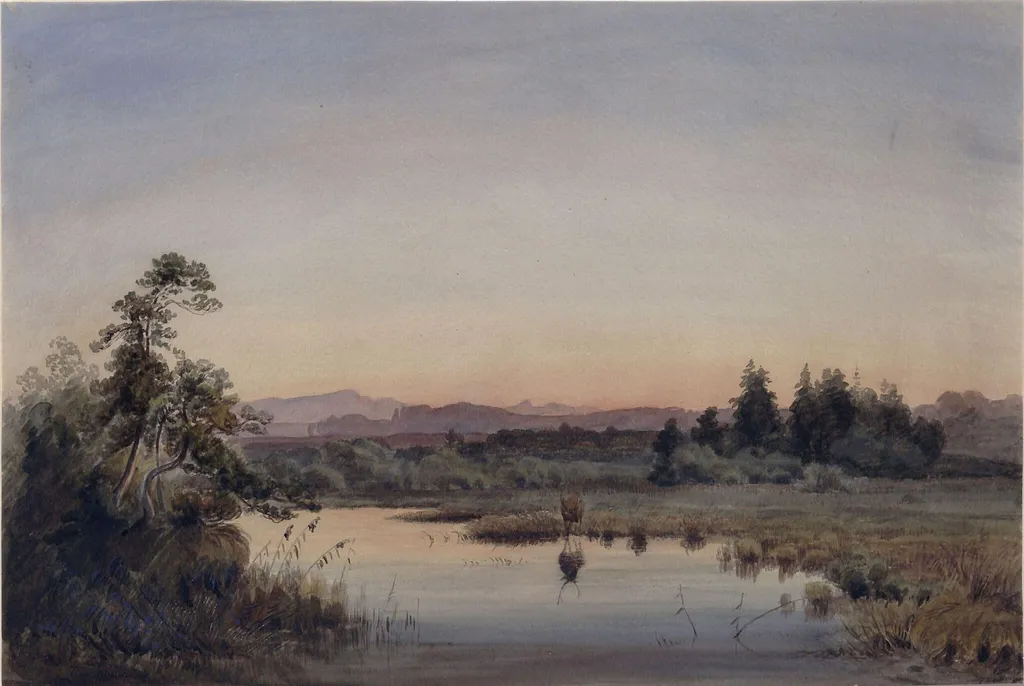
River scene is a watercolor work on paper by the Romanticist artist Anton Zwengauer. It dates from 1848 and is held in the collection of the Victoria and Albert Museum.
About this work
Overview
Distant hills rise softly against a sky washed with pale blue, pink, and yellow, suggesting late afternoon light.
Created in 1848, this watercolour by Anton Zwengauer captures a quiet riverside landscape. The composition follows a gentle curve of water moving from left to right, framed by vegetation on either bank. Distant hills rise softly against a sky washed with pale blue, pink, and yellow, suggesting late afternoon light. The work is signed by the artist and reflects a restrained, contemplative approach to natural scenery.
Subject & Meaning
The scene presents no human figures or architectural elements, emphasizing nature’s stillness. The river, trees, and hills form a harmonious sequence, evoking solitude and quiet observation. This absence of narrative or drama aligns with Romantic ideals that valued emotional resonance through landscape, inviting reflection rather than storytelling.
Technique & Style
Zwengauer employed delicate brushwork and translucent layers of watercolour to achieve subtle tonal transitions. Muted greens, soft browns, and pale grays dominate, with minimal contrast to preserve the scene’s calm. The sky is blended wet-on-wet, creating a hazy, atmospheric effect that enhances the sense of tranquility and temporal stillness.
History & Provenance
The painting is dated 1848, during Zwengauer’s active period in southern Germany. It bears his signature, consistent with his practice of marking works intended for private collections. No documented exhibition or ownership history beyond the artist’s circle is known, suggesting it was likely held privately after completion.
Context
Zwengauer worked within the tradition of German Romantic landscape painting, influenced by contemporaries who favored intimate, unidealized nature over grand vistas. This piece reflects a regional trend in mid-19th-century Bavaria, where artists turned to local rivers and hills as subjects of quiet reverence, distinct from the dramatic Alpine scenes popular elsewhere.
Legacy
Though not widely exhibited, the work exemplifies Zwengauer’s consistent focus on lyrical, understated landscapes. It contributes to the broader understanding of German watercolour practice in the Romantic era, where technical restraint and emotional subtlety were valued over spectacle. The painting remains a representative example of private, contemplative landscape art from the period.
Artist & collection

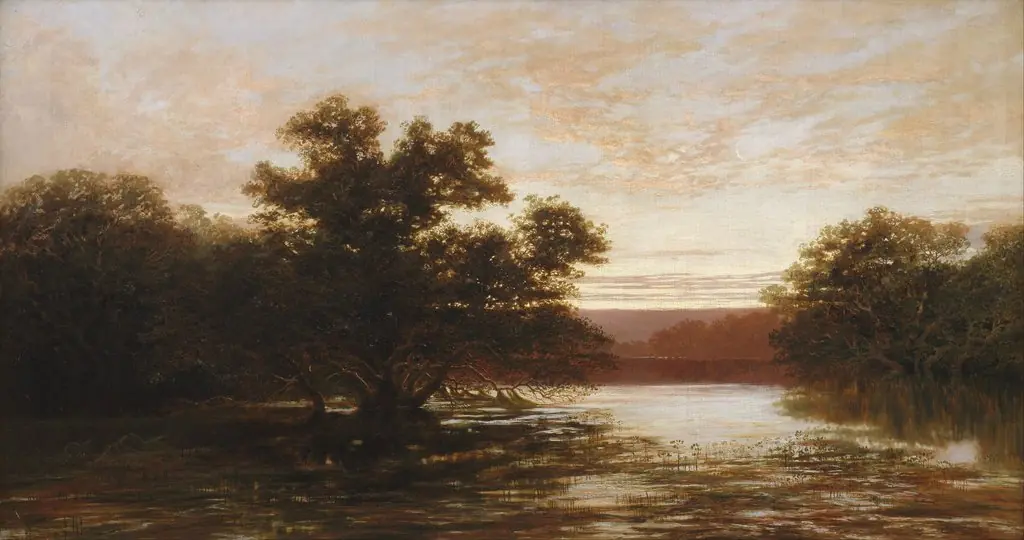 An Australian mangrove, ebb tide
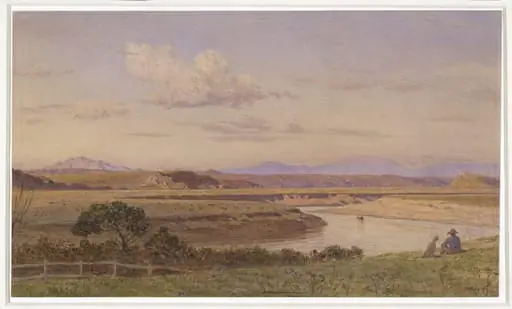 On the River Tiber, near Acquacetosa
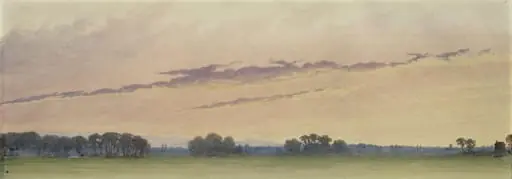 Study of Sky: Afternoon
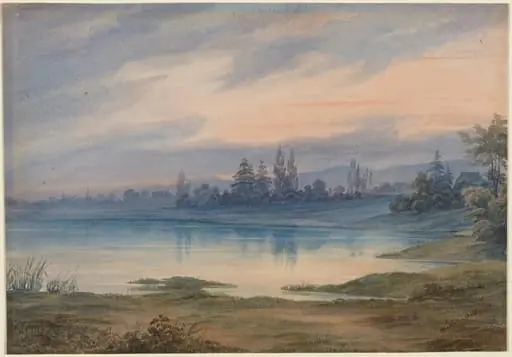 Landscape near Strasbourg Looking toward St. Gall
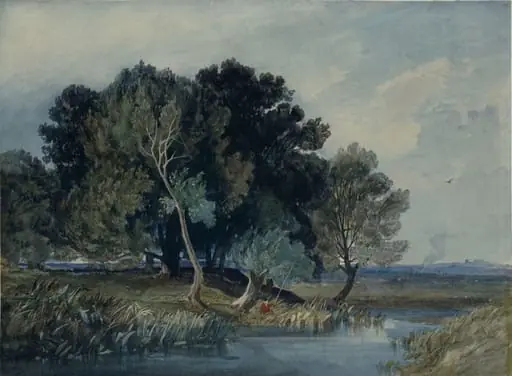 Gunton Park, Norfolk
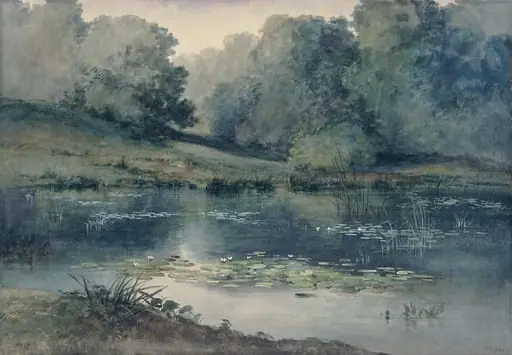 Pond with water lilies
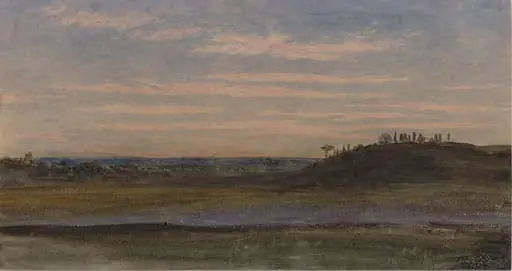 The Campagna, Rome, after sunset
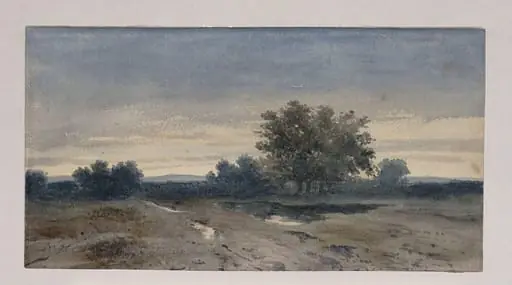 After the rain. Landscape with trees and a pond
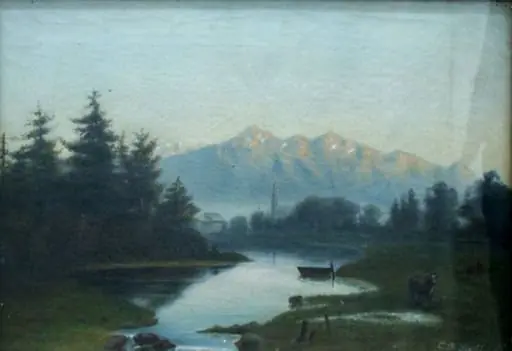 Valea Rinului
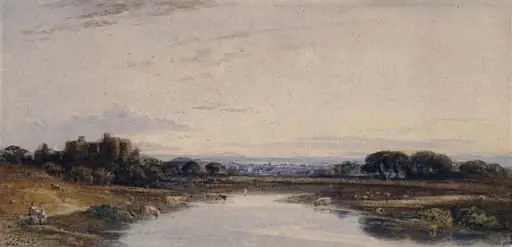 Landscape
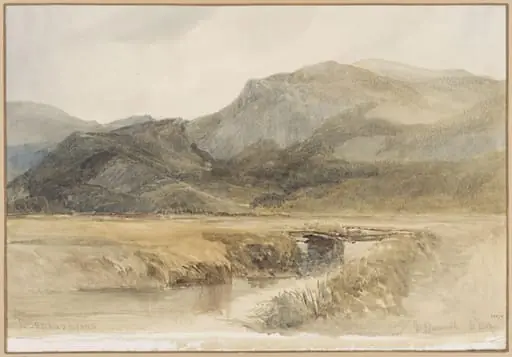 Meadows and Hills near Barmouth, North Wales