Museum
Baia Mare Artistic Centre County Art Museum
Baia Mare Artistic Centre County Art Museum is a museum.
About Baia Mare Artistic Centre County Art Museum
Overview & Identity
The County Art Museum 'Baia Mare Artistic Centre' is a unique cultural institution in Romania, distinguished as the only museum dedicated exclusively to collecting, preserving, and exhibiting works by artists associated with the Baia Mare Art Colony. Founded to honor a non-metropolitan painting school that operated from 1896 to the present, the museum serves as the primary repository for the legacy of this artistic movement. It provides a comprehensive overview of the colony's history, which attracted over 3,000 to 3,500 artists from Europe, North America, Australia, and India, establishing Baia Mare as a significant 'city of painters' and a hub for plein-air painting and revolutionary art movements.
History & Founding
The artistic movement's foundations were laid in May 1896 when Simon Hollósy, assisted by Károly Ferenczy, István Réti, János Thorma, and Béla Iványi-Grünwald, established a private painting school in Baia Mare. This initiative, known as the Hollósy School (1896–1901), offered an alternative to academic styles by promoting plein-air painting in a non-metropolitan setting. The school operated in Munich during winters and Baia Mare during summers, creating a cosmopolitan environment that influenced stylistic currents from plein-air realism to postmodernism. Following 1901, pedagogical activities continued under various names, ensuring the colony's uninterrupted operation for over a century.
Building & Architecture
The museum is housed in a historical monument of national importance located at 1 Mai Street, no. 8 in the Old Center of Baia Mare. The building was originally erected in 1748 during the Habsburg Empire to serve as a salt deposit and the headquarters of the Saline Office. Later, it functioned as a bank headquarters before being acquired and extended by lawyer Dr. Teofil Dragoș in the early 1900s. The interior features vaulted ceilings on the ground floor, Art Nouveau ornaments on the upper-level ceilings, and Rococo-style stoves. After Dragoș's death in 1934, the building was donated to the City Council and transferred to the Maramureș County Museum administration in 1954, becoming the dedicated Art Department in 2006.
Collection Highlights
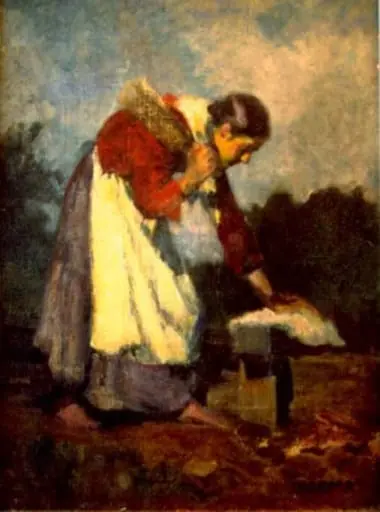
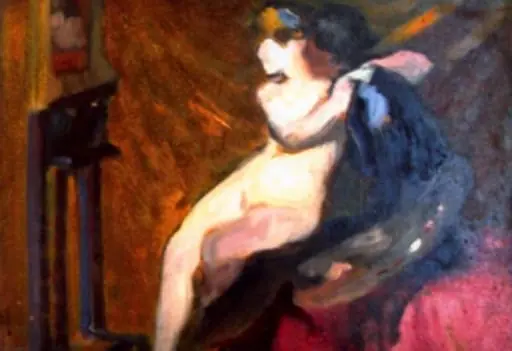
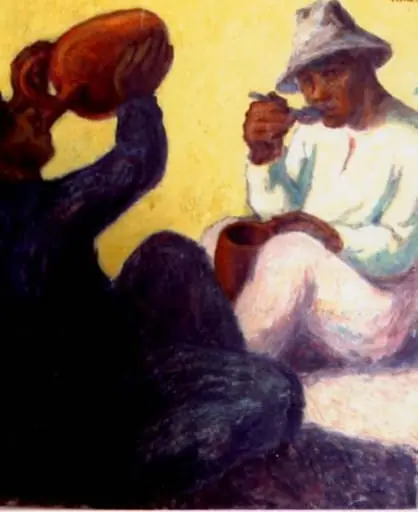
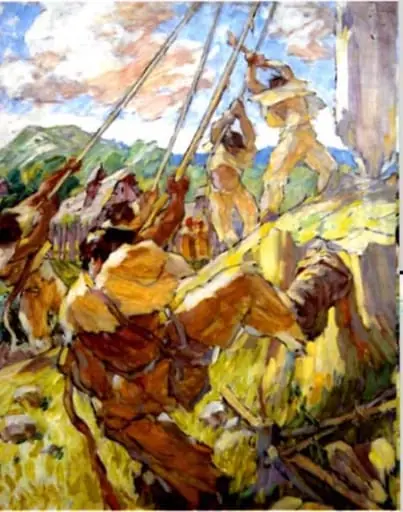
The museum's heritage comprises over 6,790 cultural goods, including painting, graphics, sculpture, decorative art, art photographs, and a documentary fund. The permanent exhibition features over 250 works by internationally recognized artists from the 18th to 20th centuries, showcasing the diverse styles of the Baia Mare school. Notable holdings include works by the colony's founders such as Simon Hollósy, Károly Ferenczy, István Réti, János Thorma, and Béla Iványi-Grünwald. The collection also honors later figures like sculptor Gheza Vida (1913–1980), whose works reflect Maramureș traditions and mythology, ensuring the preservation of both the colony's origins and its evolving artistic output.
Significance & Legacy
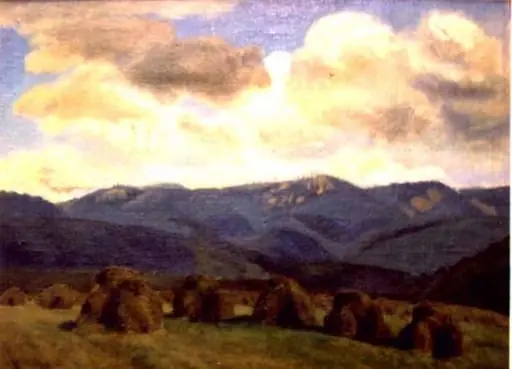
The Baia Mare Artistic Centre holds a unique position in European art history as one of the longest-lived and most famous art colonies, comparable to Barbizon, Pont-Aven, and Szolnok. Its significance lies in its role as a breeding ground for revolutionary movements and its ability to sustain a vibrant arts scene for over a century. The museum's exclusive focus on the Baia Mare school allows it to trace the development of a distinct regional style that blends academic training with the natural inspiration of the Maramureș landscape. By preserving the works of over 3,500 artists, the institution maintains a critical link to a transcultural artistic ideal that flourished in a non-metropolitan context.
What to see at Baia Mare Artistic Centre County Art Museum
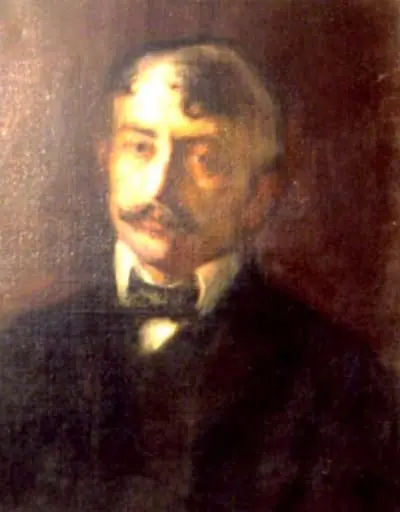
Start with Janos Thorma by István Réti.