Artwork
Butinarii
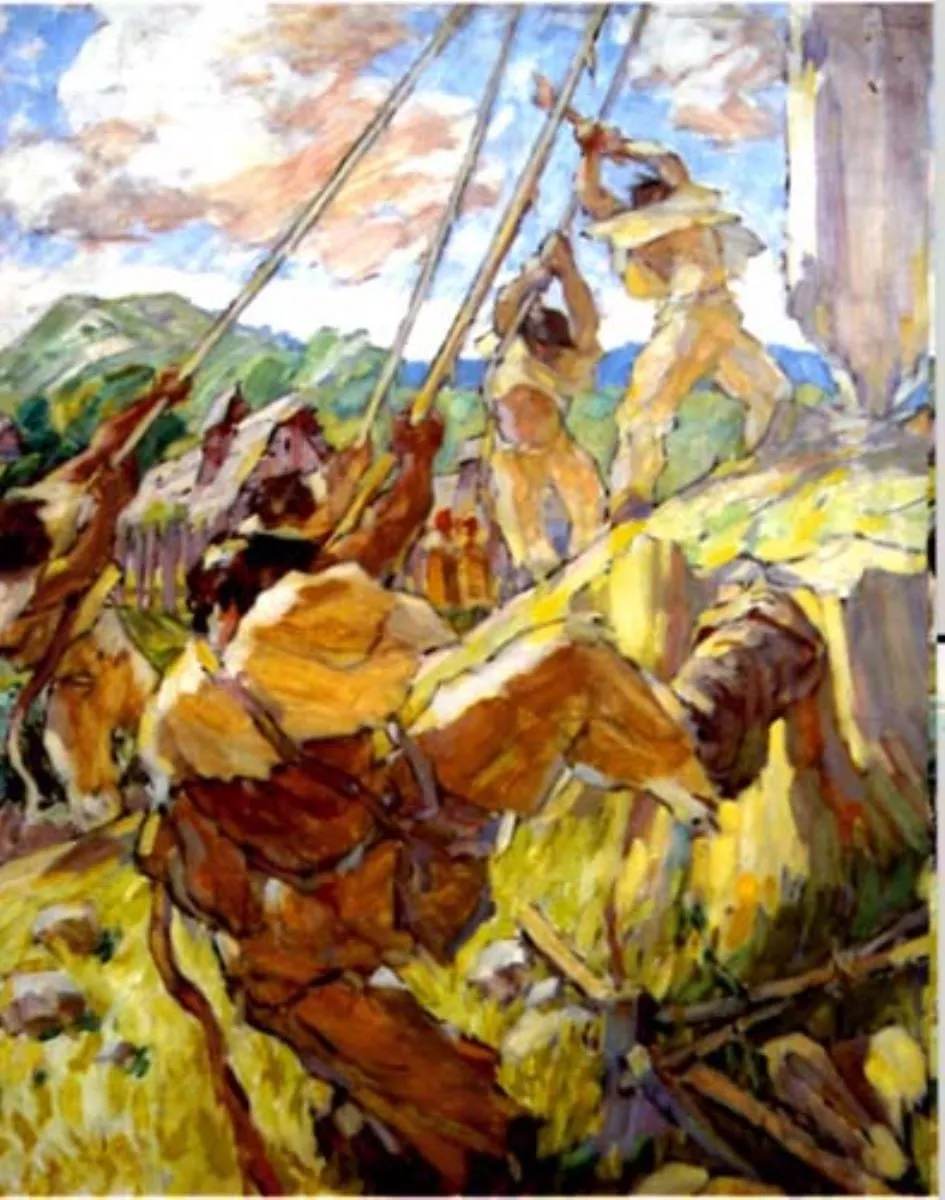
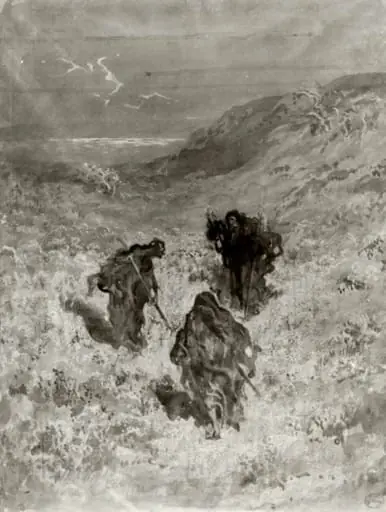
Butinarii is an unspecified painting by Aurel Popp. It dates from 1949 and is held in the collection of the Baia Mare Artistic Centre County Art Museum.
About this work
Overview
The work is held in the collection of the Museum of Ethnography and reflects a focus on manual labor in rural or traditional settings.
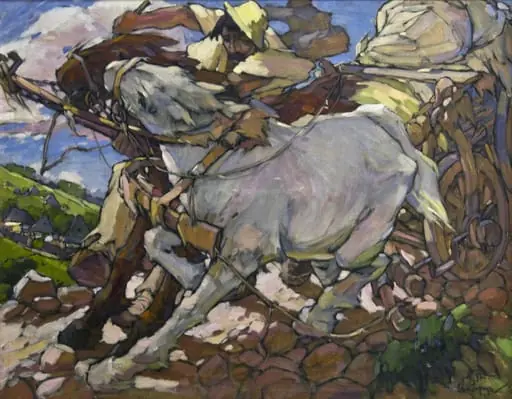
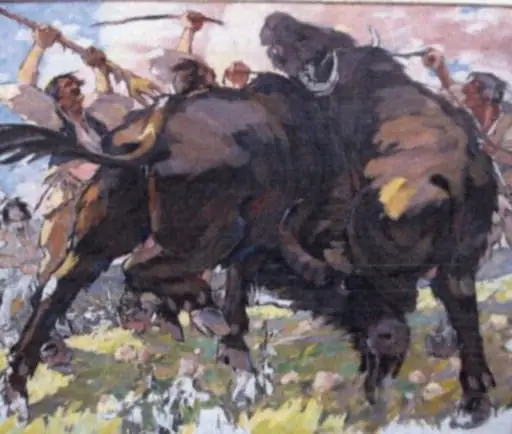
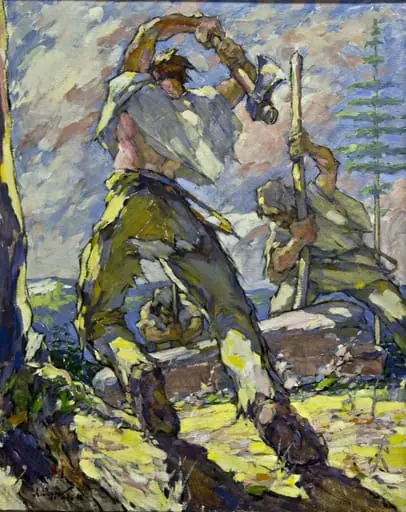
Butinarii, painted around 1949 by Aurel Popp, depicts a group of laborers transporting heavy baskets on their backs. The work is held in the collection of the Museum of Ethnography and reflects a focus on manual labor in rural or traditional settings. Popp’s approach emphasizes physical exertion over individual identity, using a textured surface and muted color harmony to convey the weight and rhythm of the workers' movement.
Subject & Meaning
The painting portrays a collective act of labor, with figures bent under the strain of their burdens. Faces are obscured or softened, directing attention to the baskets, ropes, and postures that signify endurance. The absence of individualized features suggests a broader commentary on anonymous labor, valuing the dignity of work over personal identity. The scene evokes a sense of communal effort, rooted in everyday rural life.
Technique & Style
Popp employed impasto to build thick, tactile layers of paint, creating a rough, physical surface that mirrors the weight of the baskets. Colors are limited to earthy yellows, browns, and greens, reinforcing the natural setting. Figures are rendered with loose, blurred strokes, allowing the forms of the loads and supporting ropes to dominate visually. This technique prioritizes texture and motion over detail, enhancing the sense of physical strain.
History & Provenance
Created in the late 1940s, Butinarii emerged during a period of postwar cultural reevaluation in Romania. The work entered the Museum of Ethnography’s collection shortly after its completion, likely chosen for its documentation of traditional labor practices. Its preservation reflects institutional interest in preserving visual records of rural life during a time of rapid social change.
Context
In postwar Romania, artists increasingly turned to depictions of labor and folk traditions as part of a broader cultural project to define national identity. Butinarii aligns with this trend, capturing a moment of everyday resilience before industrialization transformed rural economies. The painting does not idealize labor but presents it as a quiet, persistent force embedded in the landscape and social fabric.
Legacy
Butinarii remains a quiet but significant example of mid-20th-century Romanian figurative painting focused on labor. It contributes to a visual archive of pre-industrial work practices, valued for its unembellished observation. While not widely exhibited beyond its home institution, it continues to inform scholarly discussions on art, labor, and regional identity in Eastern Europe.
Artist & collection
Museum
Baia Mare Artistic Centre County Art Museum
Continue through works from the same source collection.