Museum
Bistrita-Năsăud Museum Complex
Bistrita-Năsăud Museum Complex is a museum.
About Bistrita-Năsăud Museum Complex
Overview
The Bistrița-Năsăud Museum Complex is a county-level museum institution located in Bistrița, Romania, dedicated to preserving and showcasing the cultural, historical, and natural heritage of the Bistrița-Năsăud County. The complex operates as a multi-site entity, encompassing the main museum building in Bistrița, the 'Silversmith's House', the 'George Coșbuc' Memorial House, and various open-air museum sites including wooden churches and traditional houses. It serves as the primary repository for the region's artifacts, ranging from prehistoric times to the modern era, and includes specialized sections for archaeology, history, ethnography, natural sciences, and art conservation.
History & Founding
The institution traces its origins to the establishment of the Rodna Regional Museum, which was initially housed in a wing of a former Minorites monastery. The museum's Natural Sciences section was formally organized in 1950 as part of this regional museum. In 1974, George Marinescu began managing the institution, a role he held until 1992. A significant reorganization occurred in 1976 when the Archaeology and History Department relocated to the 'Silversmith's House'. Further expansions followed, with the Ethnography and Folk Art Department moving to the old City Hall in 1984. Finally, in 1988, all collections were consolidated into their current location, the former barracks of the 63 Infantry Regiment.
Building & Architecture
The museum complex occupies several historically significant buildings. The main administrative and exhibition space is located in the former barracks of the 63 Infantry Regiment, a structure dating from 1898. A key component of the complex is the 'Silversmith's House' (Casa Argintarului), a 16th-century Renaissance-style building that was historically the residence of a master from the goldsmiths' guild and is considered one of the most beautiful patrician buildings of its era in Transylvania. The complex also includes the old City Hall, which once housed the Ethnography department, and various open-air structures such as the wooden church from Leurda (17th or 18th century) and traditional houses from Șanț and Archiud.
Collection Highlights & Notable Holdings
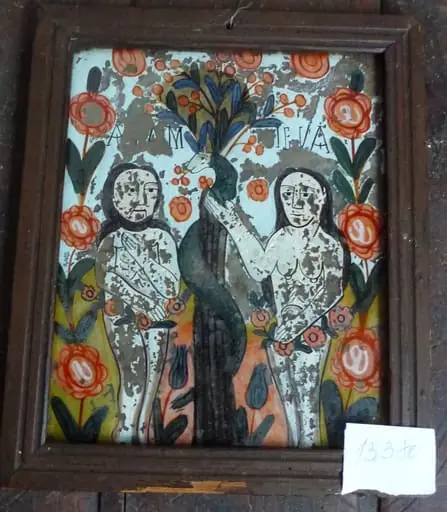
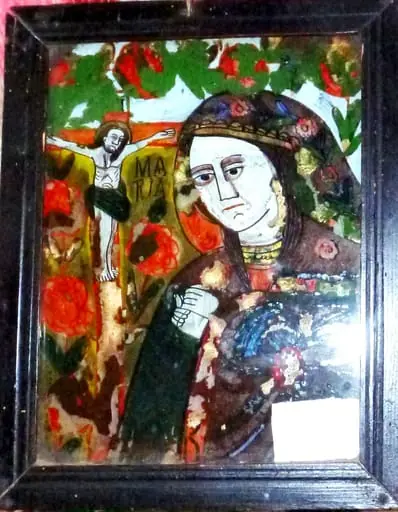
The museum's collections are extensive and diverse. The History and Archaeology section displays artifacts illustrating human evolution in the Someșul Mare basin from prehistoric times to the modern era, housed in six exhibition halls. The Ethnography and Folk Art department holds over 5,200 valuable pieces dating from 1740 to 1984, though only a fraction is currently on display. The Natural Sciences section, organized in 1976, contains over 8,000 items including birds, mammals, minerals, rocks, fossils, gems, and herbariums, presented in seven halls across geological and faunistic themes. The art collection comprises more than 700 pieces of painting, sculpture, and graphics acquired through purchases, donations, and transfers. The open-air museum features unique architectural specimens like the wooden church from Leurda and traditional houses from Șanț and Archiud.
Significance & Conservation
The Bistrița-Năsăud Museum Complex plays a critical role in the preservation of the region's cultural identity. It houses a specialized Patrimony, Restoration, and Conservation section dedicated to protecting, conserving, and valorizing cultural heritage assets through specialized inventory, restoration, and preventive conservation activities. The museum's open-air component is particularly significant for preserving traditional rural architecture, including the wooden church from Leurda, which exhibits archaic stylistic elements characteristic of the early 17th century, and the traditional house from Șanț, which retains historical features such as a traditional oven and photographs of the sociologist Dimitrie Gusti, who stayed there between 1935 and 1937.
What to see at Bistrita-Năsăud Museum Complex
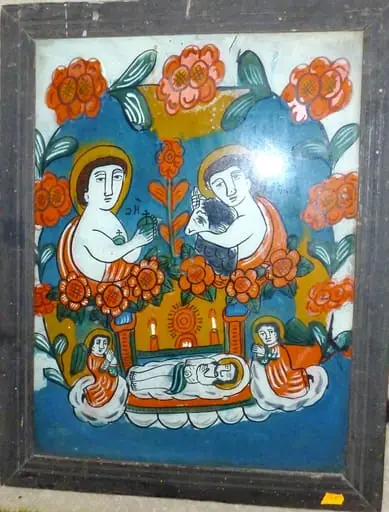
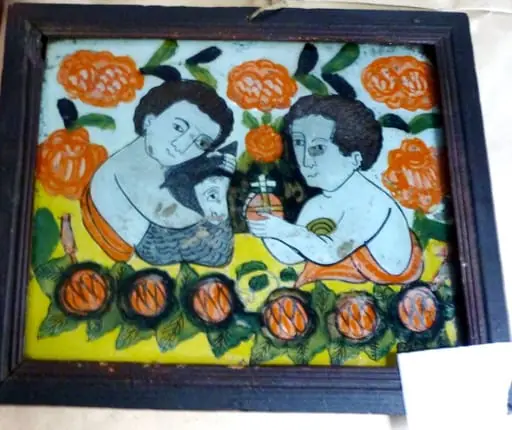
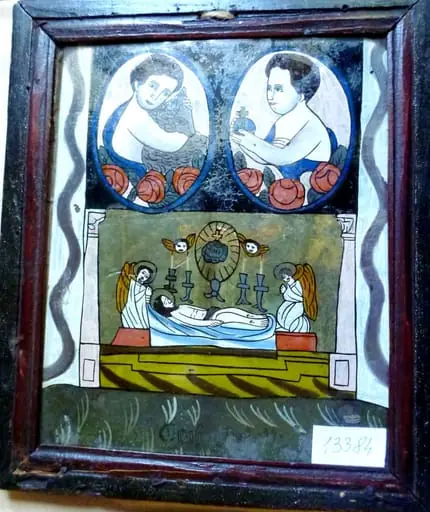
Start with Iisus și Ioan copii; Punerea în mormânt by 1850.