Art Museum
Capitoline Museums

Image: Wikimedia Commons.
Capitoline Museums is an art museum in Rome, Italy.
About Capitoline Museums
Overview & Identity
The Capitoline Museums (Musei Capitolini) constitute a complex of art galleries and archaeological museums located on the Capitoline Hill in Rome, Italy. Established as the world's oldest public museum, the institution traces its origins to 1471 when Pope Sixtus IV donated a collection of ancient bronze statues to the people of Rome. The museums are housed in the Palazzo dei Conservatori and the Palazzo Nuovo, which frame the Piazza del Campidoglio, a square designed by Michelangelo. The collection is intrinsically linked to the city of Rome, with the majority of exhibits originating from excavations within the city or donations from popes and civic authorities, serving as a testament to the continuity of Roman history from antiquity to the present.
History & Founding
The foundation of the museums is dated to 1471, when Pope Sixtus IV gifted a group of ancient bronze statues of significant symbolic value to the Roman populace. These works, previously kept elsewhere, were moved to the Capitoline Hill, then dominated by the Palazzo Senatorio. Over subsequent centuries, the collection was augmented by gifts from later popes, including Pius V, who donated thirty statues in 1566, and Clement XI, who added Egyptian statues in 1714. The museum was officially opened to the public in 1734 under Pope Clement XII, a pivotal moment that democratized access to art. In 1838, Pope Gregory XVI assigned the administration of the museums to the Roman city authorities, solidifying their status as civic institutions.
Building & Architecture
The museums occupy the Palazzo dei Conservatori and the Palazzo Nuovo, which face each other across the Piazza del Campidoglio. The square itself was designed by Michelangelo Buonarroti starting in 1536, featuring a trapezoidal layout and a star-patterned pavement, though the full realization of his plans occurred after his death. The Palazzo dei Conservatori, originally a 16th-century structure, was renovated under Michelangelo's guidance to include grand halls and a courtyard. The Palazzo Nuovo was constructed in the 17th century to mirror the Conservatori. Beneath the Palazzo Senatorio lies the ancient Tabularium, Rome's state archive, which now serves as part of the museum complex, offering views of the Roman Forum. A modern glass-enclosed wing, the Exedra of Marcus Aurelius, was inaugurated in 2005 to house the original equestrian statue.
Collection Highlights & Notable Holdings
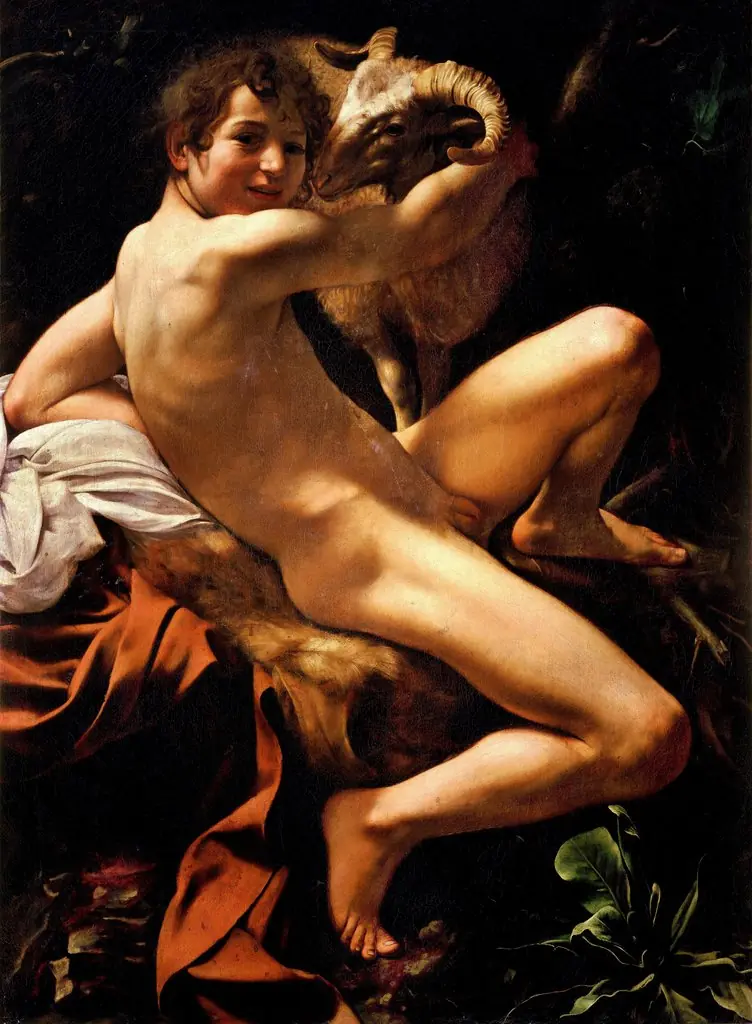
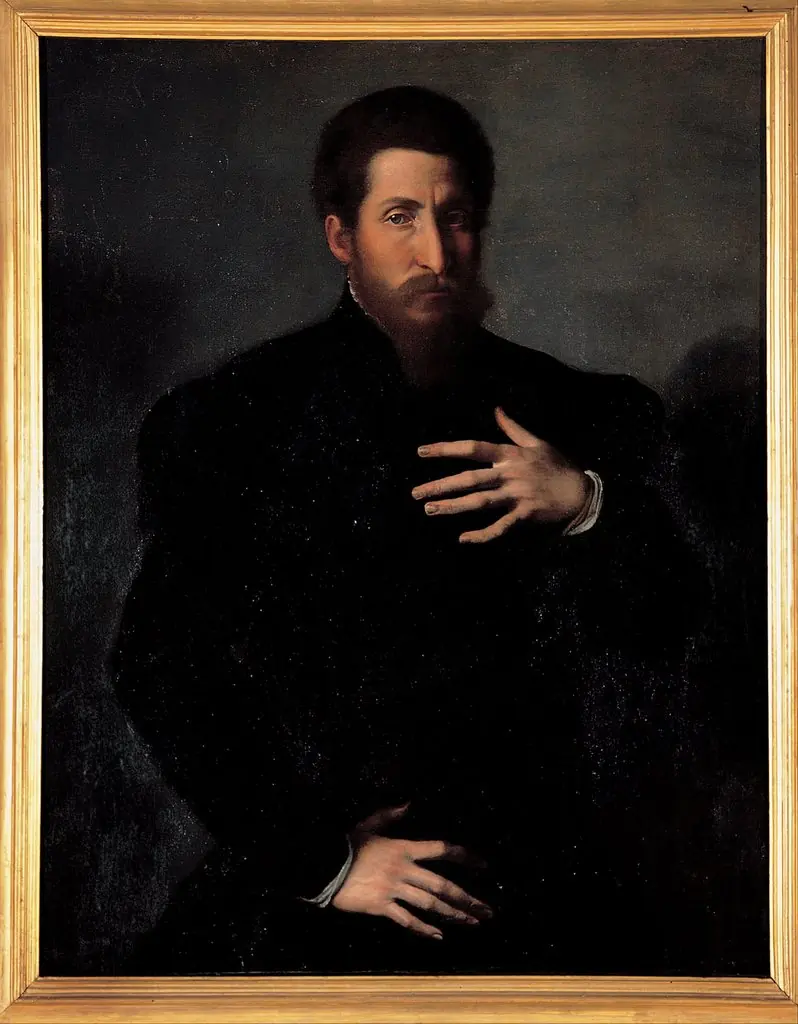
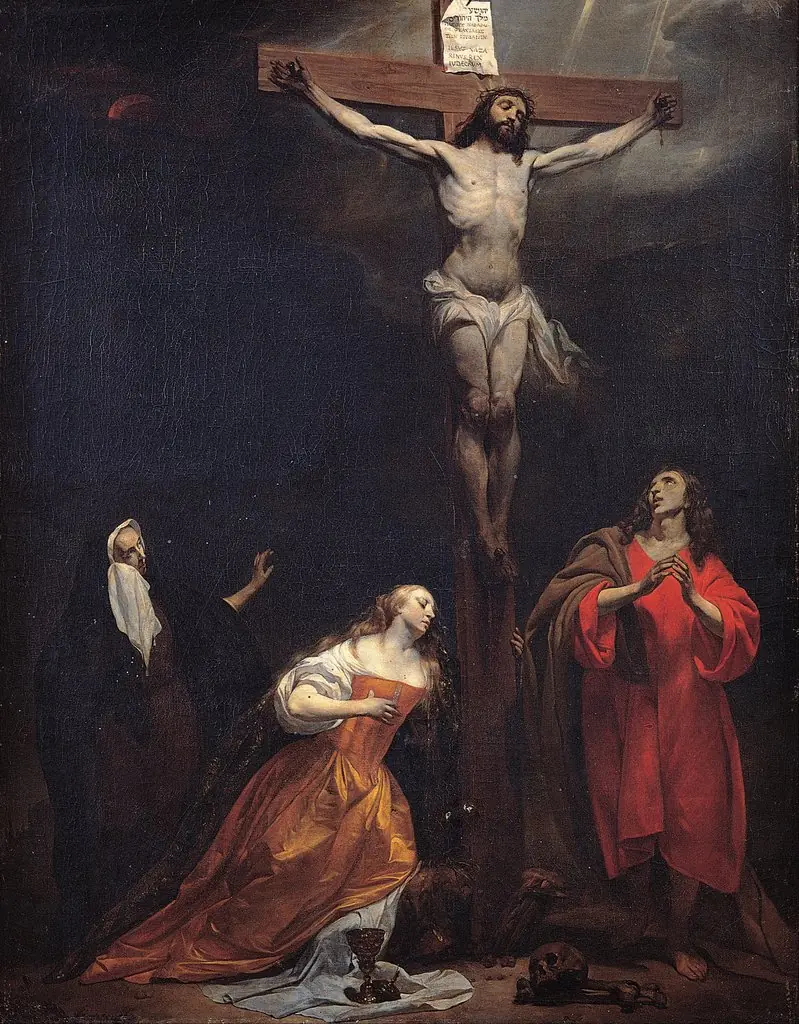
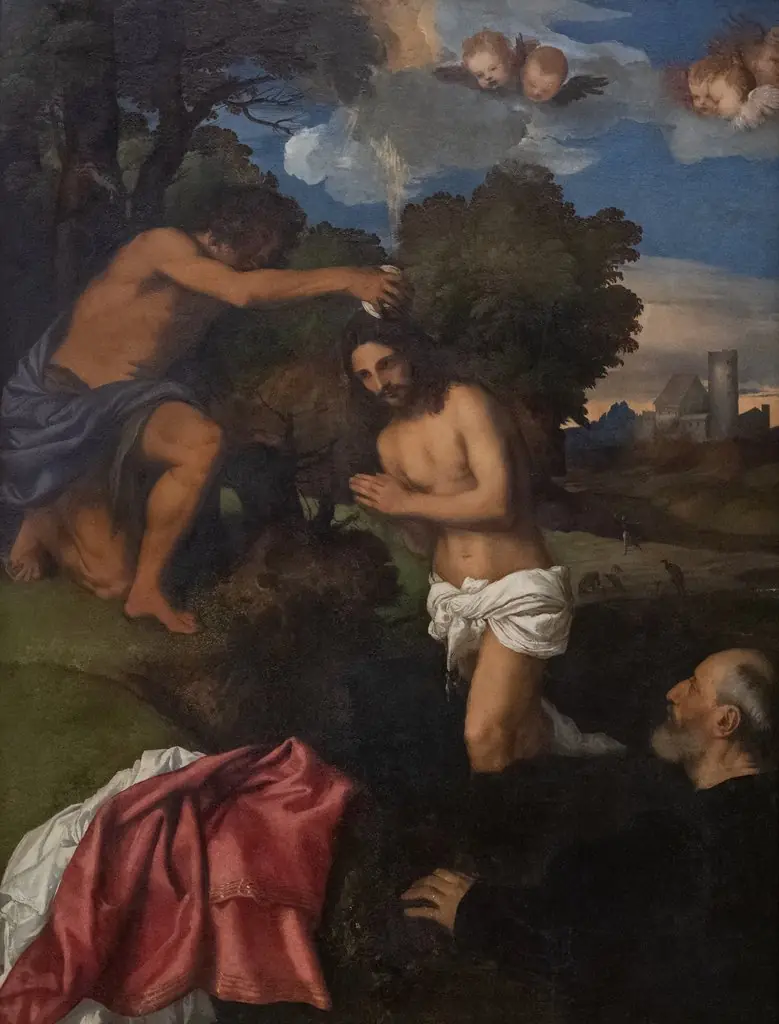
The collection features an unparalleled array of ancient sculptures, including the bronze Capitoline Wolf, a symbol of Rome depicting the she-wolf suckling Romulus and Remus, which is traditionally identified as Etruscan (c. 500–480 BC) though some research suggests medieval origins. Other masterpieces include the Dying Gaul (or Capitoline Gaul), the Capitoline Venus, and the colossal equestrian statue of Marcus Aurelius. The Pinacoteca Capitolina houses Renaissance and Baroque paintings by masters such as Caravaggio, Titian, and Rubens. The Galleria Lapidaria displays a vast collection of inscriptions, while the Medagliere Capitolino holds ancient coins and jewelry. The museum also contains the famous Bust of Medusa by Gian Lorenzo Bernini.
Significance & Legacy
As the world's oldest public museum, the Capitoline Museums represent a unique model where art is accessible to all citizens rather than remaining the exclusive property of the elite. The institution played a historic role in the formation of the European Union when the Treaties of Rome were signed in the Hall of the Horatii and Curiatii in 1957. The museums have expanded their reach through the opening of the Centrale Montemartini in 1997, a former thermoelectric plant repurposed to display classical sculptures, creating a striking fusion of industrial and classical archaeology. The collection continues to serve as a vital window into Roman civilization, preserving artifacts that span centuries of artistic and cultural achievement.
Modern Developments & Accessibility
In recent decades, the museums have embraced technology to enhance preservation and accessibility, including digital reconstructions and virtual tours. The complex covers an exhibition area of 12,997 square meters, connected by the underground Galleria di Concordo, which also functions as a lapidary gallery. The administration has undertaken significant restorations and reorganizations, such as the 1903 reorganization of the collections. The museum system continues to evolve, with initiatives like the MiC APPs and Google Arts & Culture partnerships allowing for broader engagement. The site remains a central cultural hub in Rome, offering guided tours and multimedia exhibits to visitors exploring the heart of the Eternal City.
What to see at Capitoline Museums
Start with Young Saint John the Baptist with ram by Caravaggio.


Plan your visit
Capitoline Museums
- Website
- museicapitolini.org
What's on
- @museiincomuneFrom 7 Apr 2023
- Blog MiCFrom 19 Sep 2023
- #DiscoverMiC MuseiCapitoliniFrom 21 May 2026
- Musei Capitolini - Palazzo ClementinoFrom 13 Apr 2022
- Musei Capitolini - giardino di Villa Caffarelli1 Jan 2026 – 31 Dec 2026
- Musei Capitolini - Pinacoteca15 Jan 2026 – 14 Jun 2026
- Musei Capitolini - Palazzo Caffarelli20 Mar 2026 – 19 Jul 2026
- Musei Capitolini - sale piano terra di Palazzo dei Conservatori13 May 2026 – 1 Nov 2026