Art Museum
Doge's Palace

Image: Wikimedia Commons.
Doge's Palace is an art museum in Venice, Italy.
About Doge's Palace
Overview & Identity
The Doge's Palace (Palazzo Ducale) stands in the heart of Venice on St. Mark's Square as the ancient seat of government and the residence of the Doge, the supreme leader of the Republic of Venice. It is widely recognized as the symbol of the Republic's power and a masterpiece of Venetian Gothic architecture. Since 1923, the building has been managed as a museum, and since 1996, it has been part of the Venetian museums network (MUVE) under the management of the municipality. The palace currently houses the Picture Gallery and offers special itineraries, including the 'Secret Itinerary' and 'The Doge's Hidden Treasures' tours.
History & Founding
The history of the site dates back to 814 when the first palace was built, though it was burned by the populace in 976 and subsequently reconstructed. The structure in its present form was begun in the early 14th century, with the Venetian Gothic-style completion undertaken in 1424. The palace suffered significant damage from fires, notably in 1483 which destroyed the Doge's Apartments, and a major fire in 1574 that destroyed rooms on the second floor. Following the fall of the Republic, the building showed signs of decay by the late 19th century, leading to a major restoration plan launched in 1876. In 1923, the Italian State entrusted the management to the Venetian municipality to operate it as a museum.
Building & Architecture
The palace is a defining example of Venetian Gothic architecture, featuring elaborate arched façades and a unique structural composition. The oldest part is the wing overlooking the lagoon, decorated with 14th-century sculptures. The main gateway, the Porta della Carta, was designed by Giovanni and Bartolomeo Bon and begun in 1438. The north side of the courtyard features the Foscari Arch, a ceremonial staircase built in 1485 with alternate bands of stone. The building's façades underwent significant restoration in the 19th century, where 42 capitals in a dilapidated state were replaced by copies, with the originals moved to the Museo dell'Opera. The structure also includes the famous Bridge of Sighs, a corridor connecting the palace to the prisons.
Collection Highlights & Notable Holdings
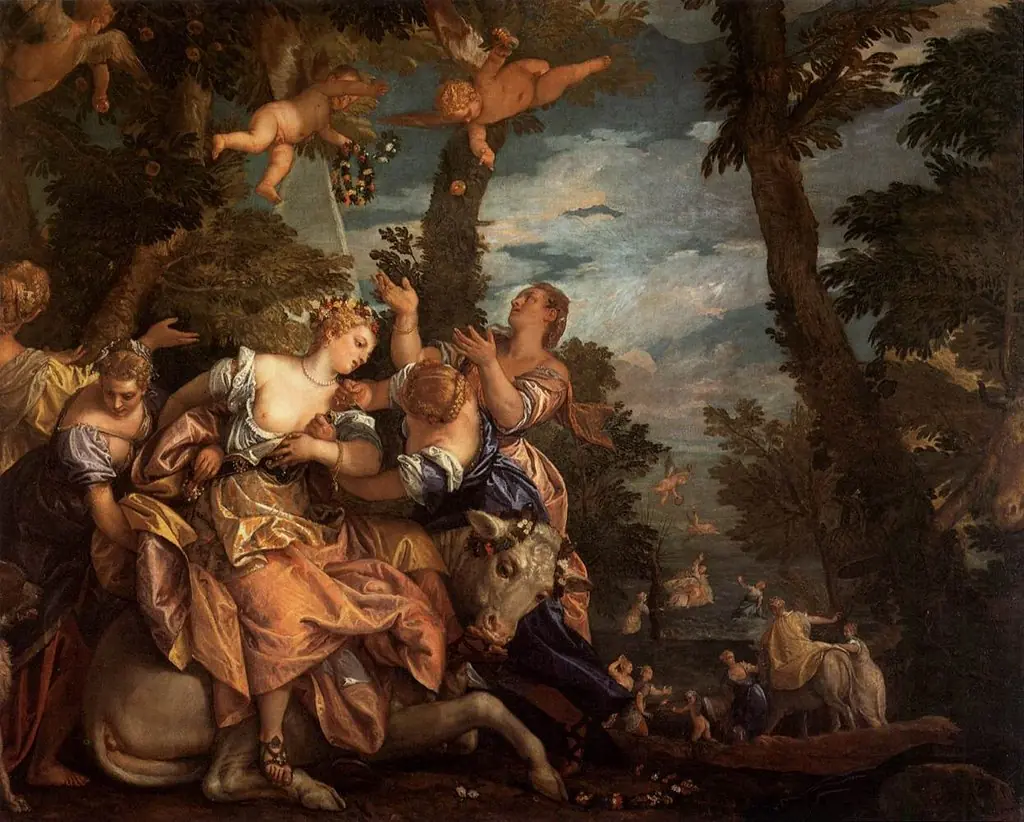
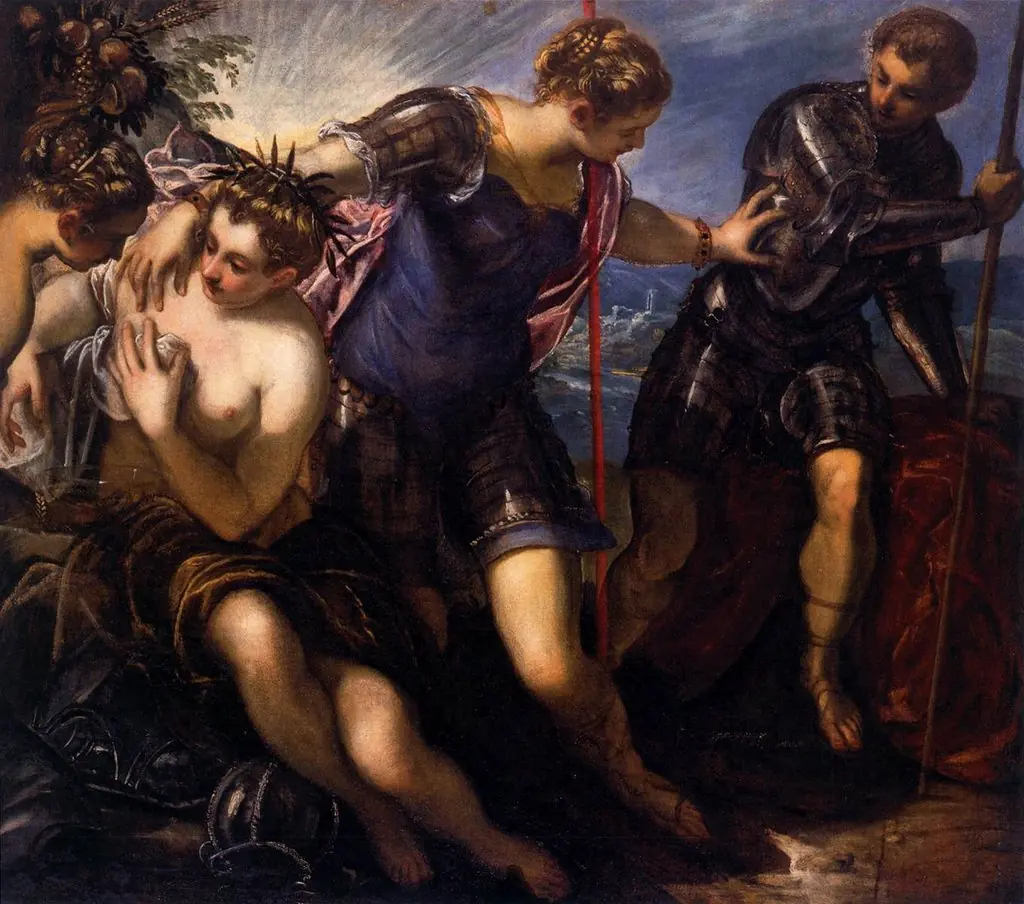
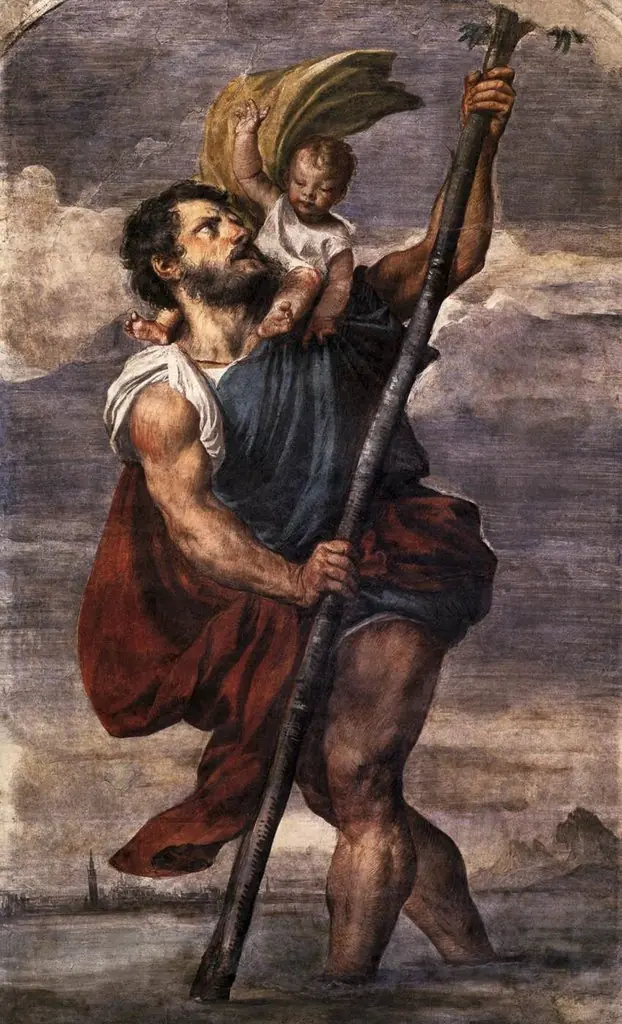
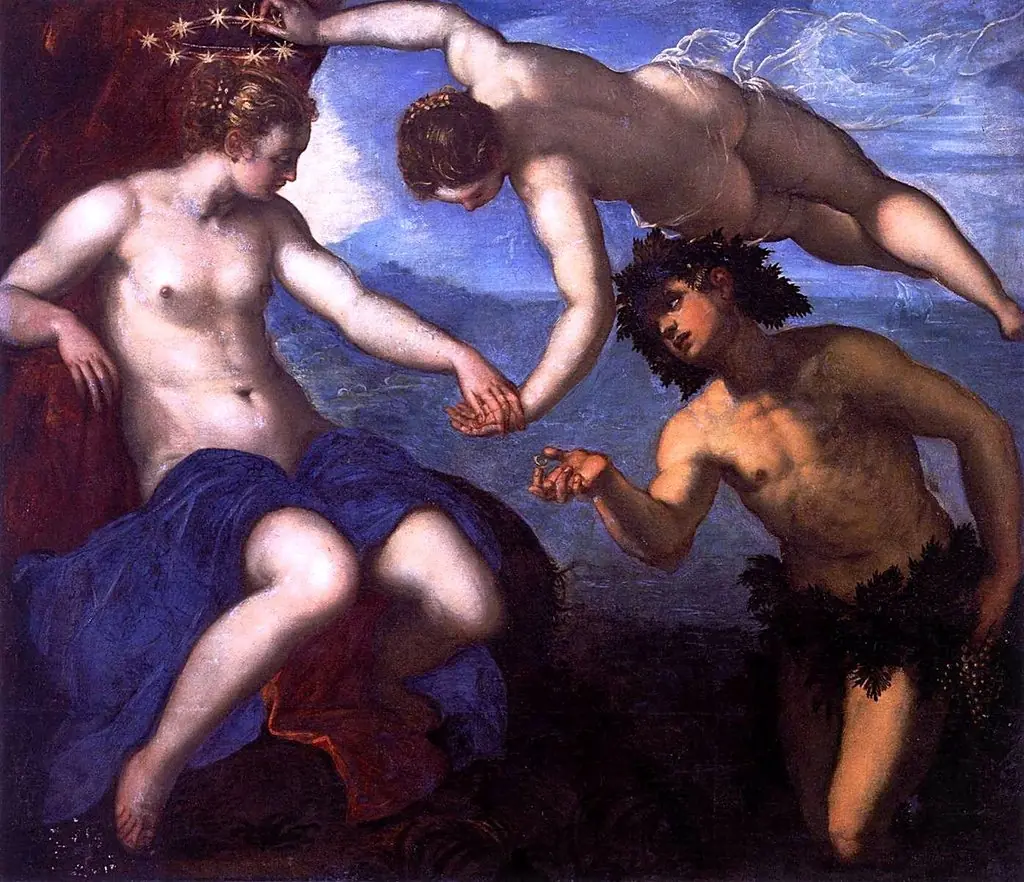
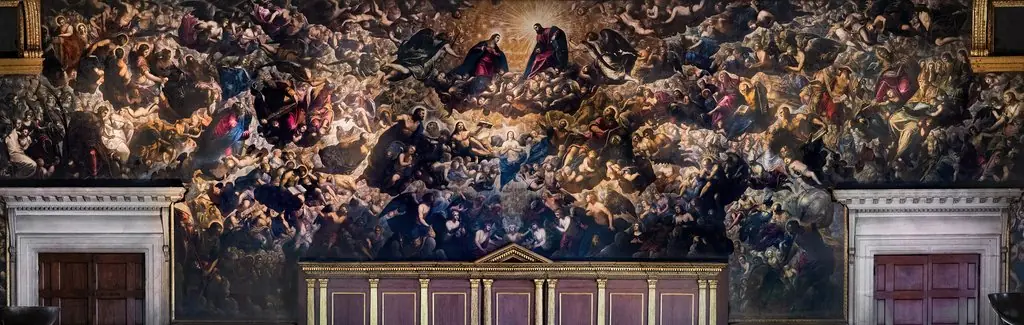
The palace houses a significant Picture Gallery, with masterpieces presented in a new and evocative display following restoration efforts. The Sala delle Quattro Porte, a key room in the palace, underwent restoration as part of a broader conservation plan that included its decorative elements. The collection includes works by major Venetian artists, though specific titles are best viewed in the gallery. The building itself serves as a repository for the history of the Republic, with the Museo dell'Opera housing the original 14th and 15th-century capitals and sculptures removed from the façades during the 1876 restoration, alongside fragments of statues and architectural works.
Prisons & the Bridge of Sighs
The palace complex includes the historic prisons, which evolved over centuries. Initially, holding cells existed within the palace prior to the 12th century, but by the 13th and 14th centuries, prison spaces occupied the entire ground floor of the southern wing. Around 1540, a new compound was built in the ground floor of the eastern wing. These cells, known as the Pozzi (the Wells), were characterized by their dark, damp, and isolated qualities. A corridor leads from the interrogation rooms over the canal to the prisons, famously known as the Bridge of Sighs. The name dates from the 19th century, reflecting the sighs of prisoners crossing the bridge to their cells.
Significance & Legacy
The Doge's Palace is of immense historical and artistic significance as the political center of the Republic of Venice until its fall. It represents the pinnacle of Venetian Gothic style and has influenced architecture globally, with imitations found in various locations including the Hall of Doges in other venues. The building has been digitally recreated in modern media, such as the 2009 video game Assassin's Creed II. Its survival through centuries of fires, structural decay, and political change underscores its resilience. The 1876 restoration plan was critical to saving the structure, and its current status as a major museum ensures the preservation of its artistic and architectural heritage for public education and enjoyment.
What to see at Doge's Palace
Start with The abduction of Europa by Paolo Veronese.

Plan your visit
Doge's Palace
- Website
- palazzoducale.visitmuve.it
What's on
- Upcoming 20266 Mar 2026 – 29 Sep 2026