Artwork
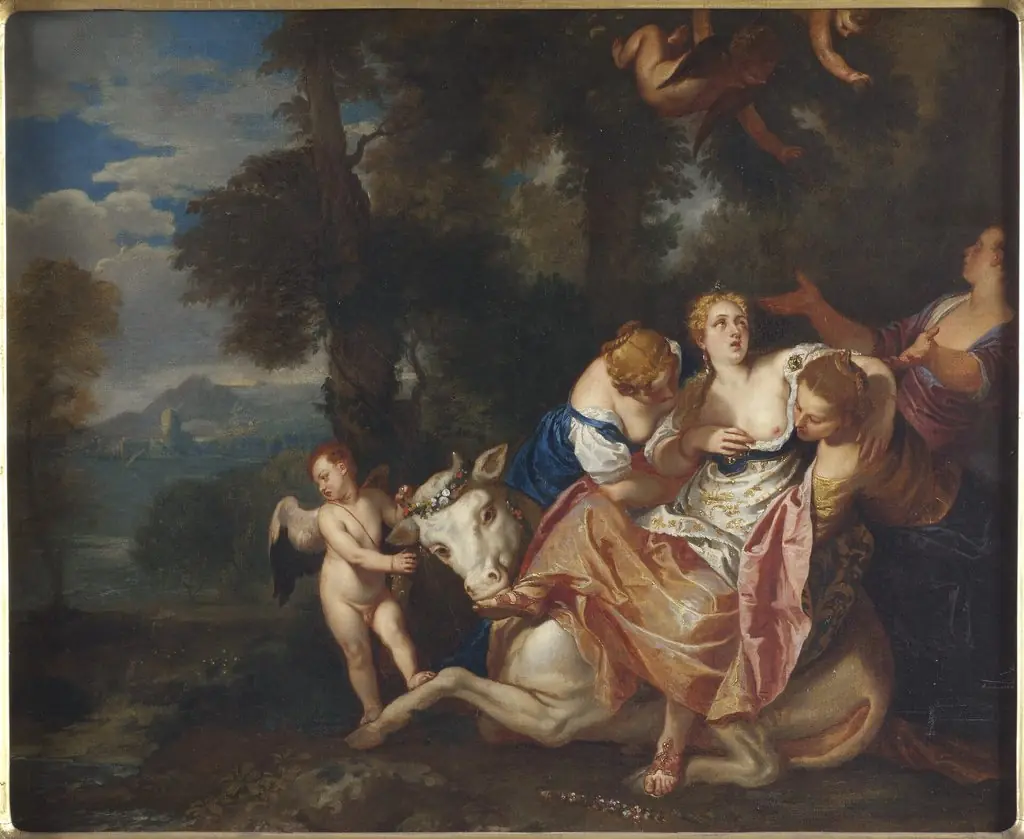
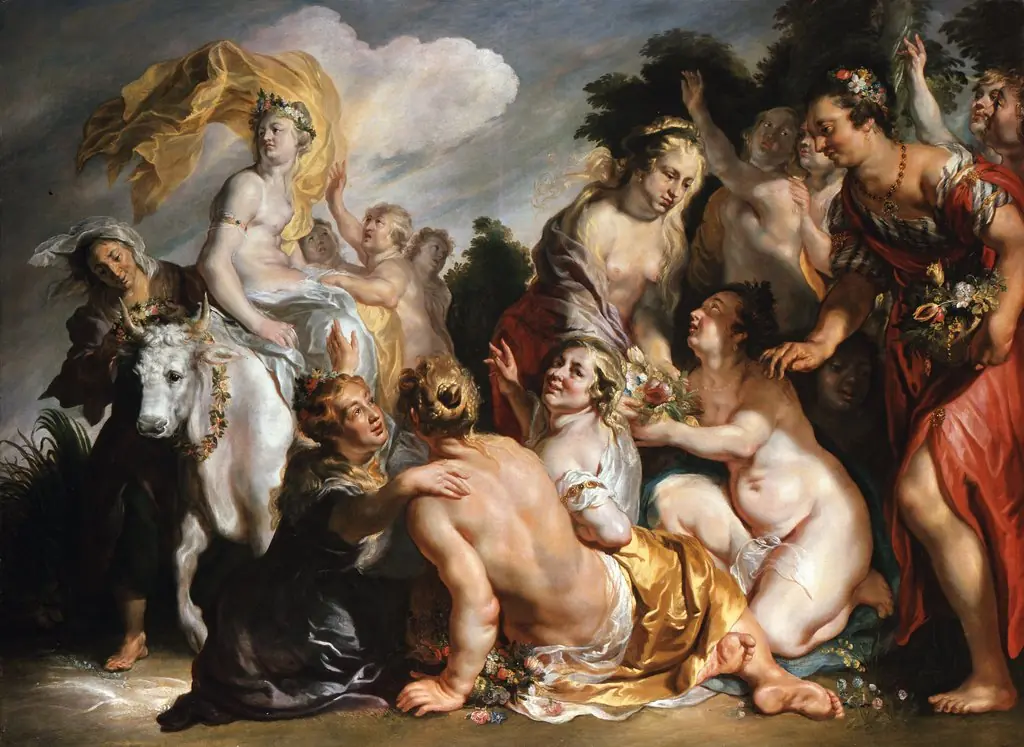
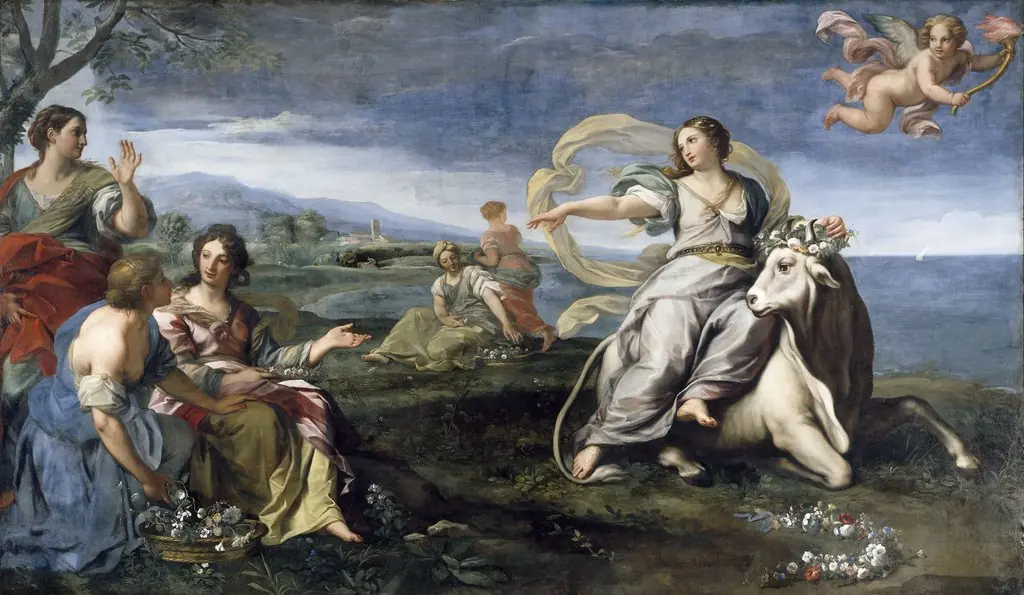
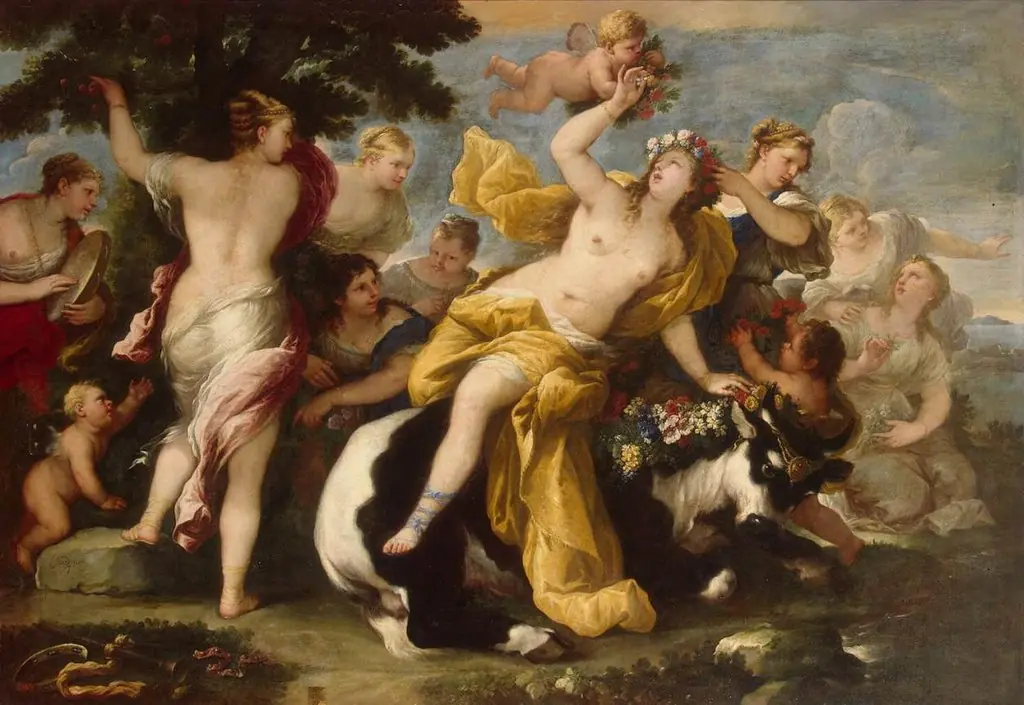
The abduction of Europa
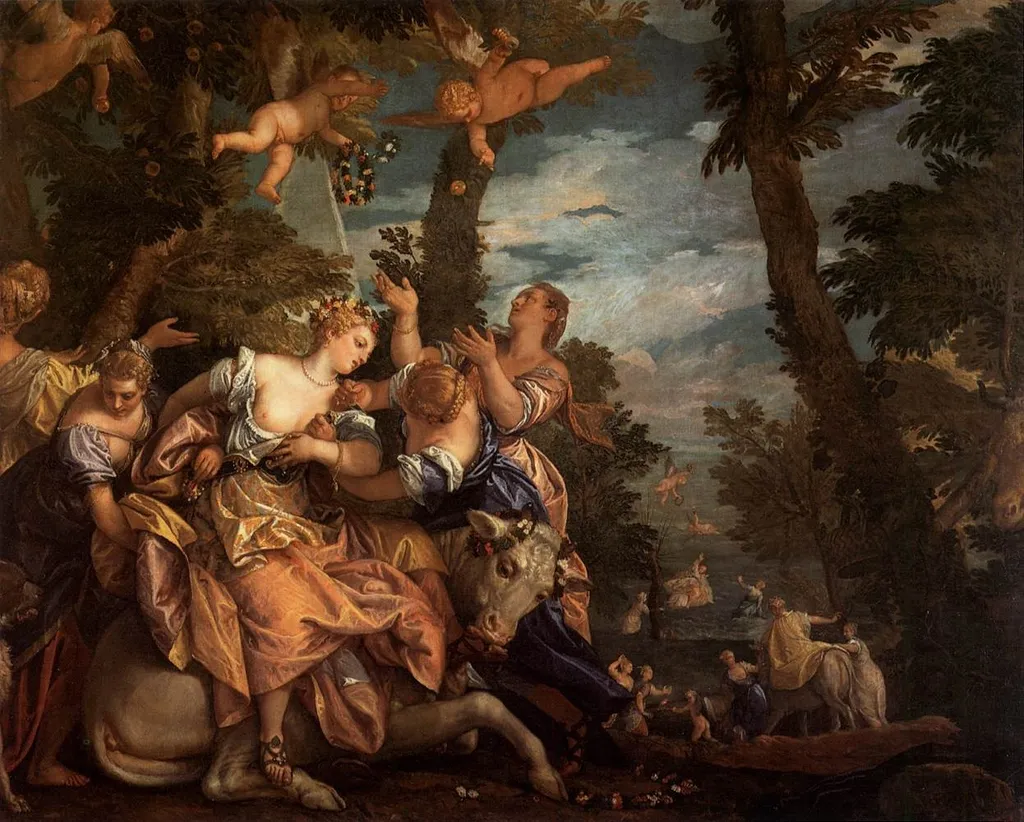
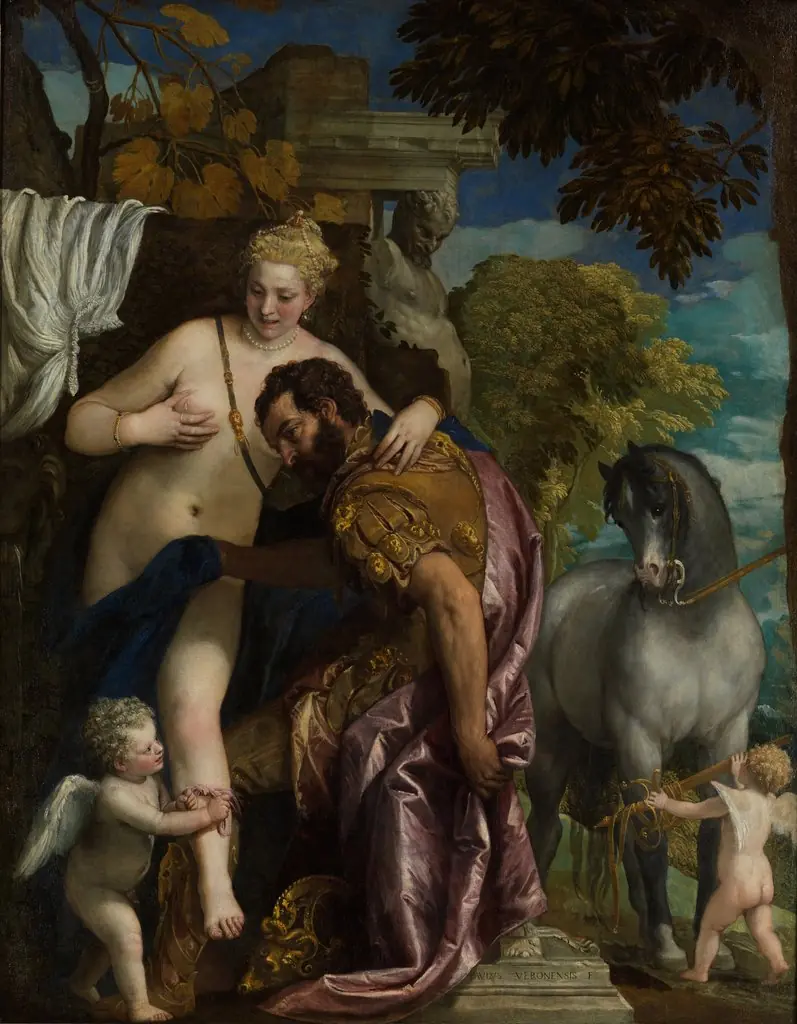
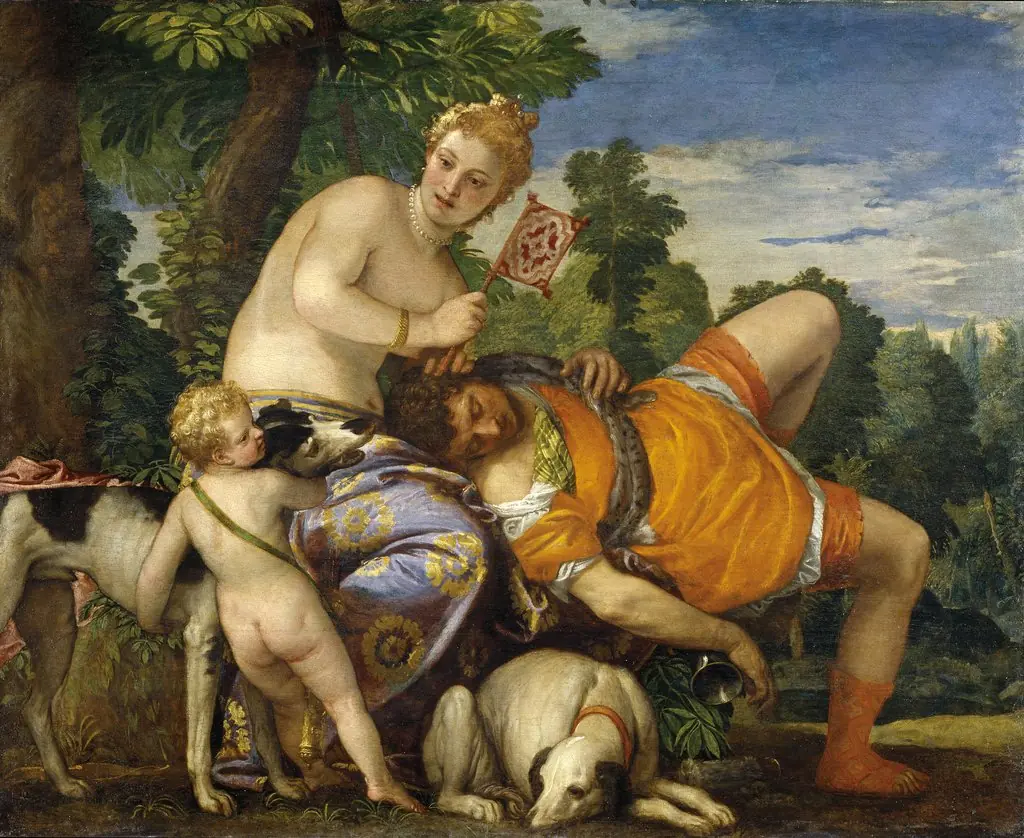
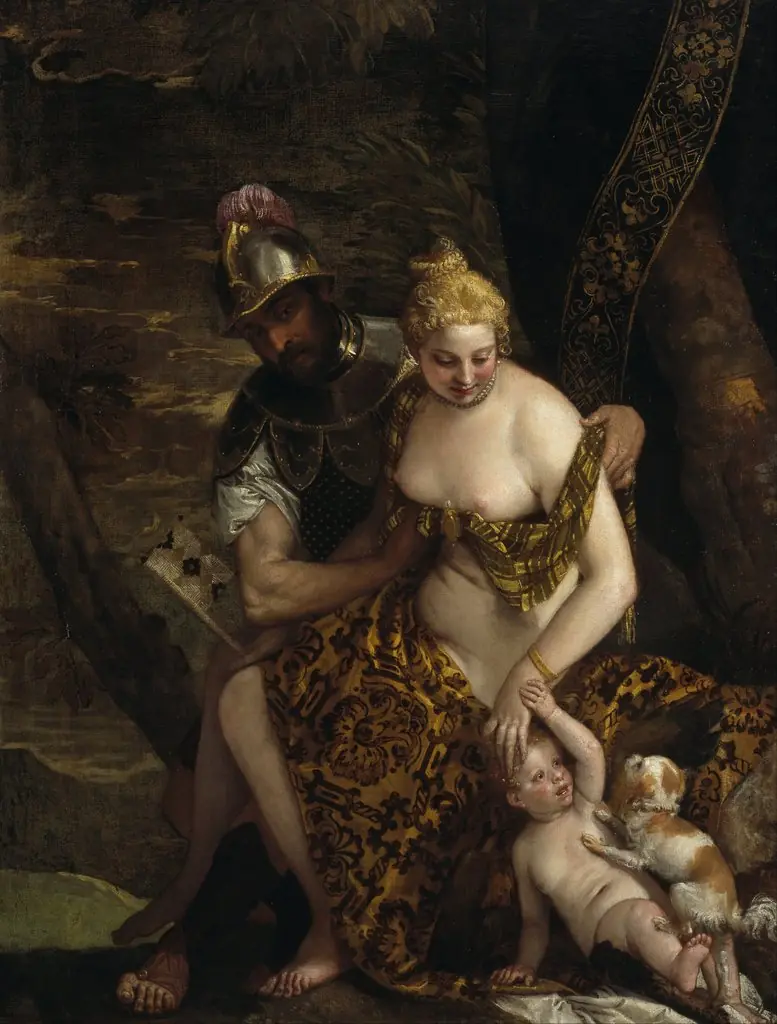
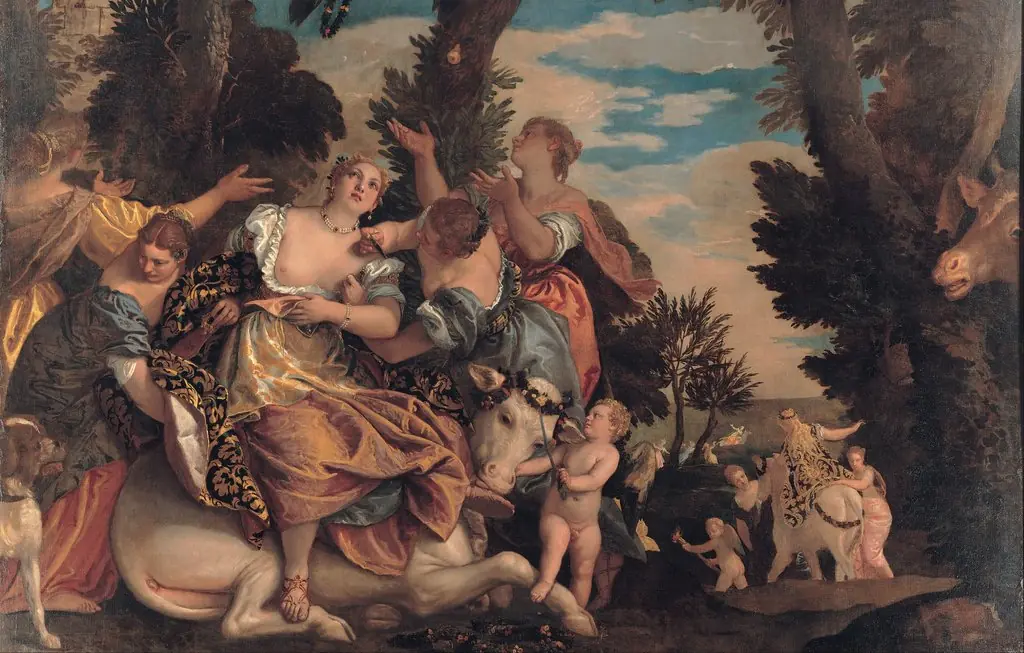
The abduction of Europa is an oil painting by the Mannerist artist Paolo Veronese. It dates from 1590 and is held in the collection of the Doge's Palace.
About this work
Overview
Painted in 1590 by Paolo Veronese, this oil-on-canvas work illustrates the myth of Europa’s abduction by Zeus, who had taken the form of a bull.
Painted in 1590 by Paolo Veronese, this oil-on-canvas work illustrates the myth of Europa’s abduction by Zeus, who had taken the form of a bull. Executed in the late Renaissance period, the painting reflects Veronese’s mastery of large-scale narrative composition. It resides in the Doge’s Palace in Venice, among other works commissioned for the republic’s civic spaces. The scene captures a moment of tension between myth and human vulnerability.
Subject & Meaning
The painting depicts Europa, a Phoenician princess, being seized by a bull—Zeus in disguise—as she clutches at the air in distress. Figures on the shore, possibly her attendants, gesture helplessly, emphasizing the inevitability of divine intervention. The narrative draws from Ovid’s Metamorphoses, symbolizing the capricious power of the gods over mortals. Veronese avoids glorification, instead highlighting the fragility of human agency in the face of supernatural force.
Technique & Style
Veronese employed chiaroscuro to model forms with dramatic contrasts between light and shadow, lending volume to the figures and enhancing emotional intensity. The palette favors earthy greens and browns, subdued yet rich, avoiding the brilliance typical of earlier Venetian colorism. Brushwork is controlled but expressive, particularly in the rendering of fabric and muscle tension. The composition directs the eye along the diagonal of Europa’s struggle, anchoring the scene in naturalistic landscape.
History & Provenance
Commissioned during Veronese’s mature period, the painting entered the Doge’s Palace collection in the late 16th century, likely as part of a broader decorative program celebrating Venetian cultural identity through classical myth. Its presence among state portraits and civic allegories suggests it was valued for its moral and literary resonance. The work remained in situ through centuries of political change, preserving its original context within Venetian institutional architecture.
Context
Veronese worked alongside Titian and Tintoretto in a Venice where mythological subjects were favored for public spaces, blending humanist ideals with classical storytelling. While contemporaries often emphasized grandeur, Veronese’s approach here is more intimate and psychologically nuanced. The painting reflects a shift from High Renaissance harmony toward Mannerist complexity, where emotion and movement take precedence over idealized balance.
Legacy
Though less celebrated than Veronese’s religious works, this painting exemplifies his skill in translating myth into emotionally resonant scenes. Its presence in the Doge’s Palace ensured continued visibility among elites and artists. Later painters studied its handling of light and narrative tension, contributing to the evolution of Baroque drama. It remains a quiet but significant example of Venetian Mannerism’s capacity for psychological depth.
Artist & collection
Artist
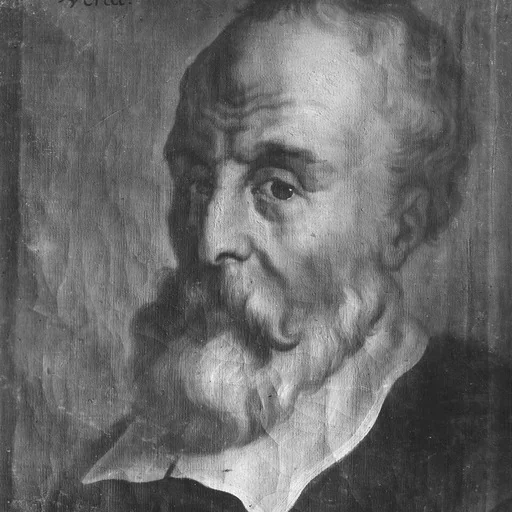
Paolo Caliari (1528 – 19 April 1588), known as Paolo Veronese ( VERR-ə-NAY-zay, -zee, US also -see; Italian: ), was an Italian Renaissance painter based in Venice, known for extremely large history paintings of…