Artwork
Adoration of the Magi
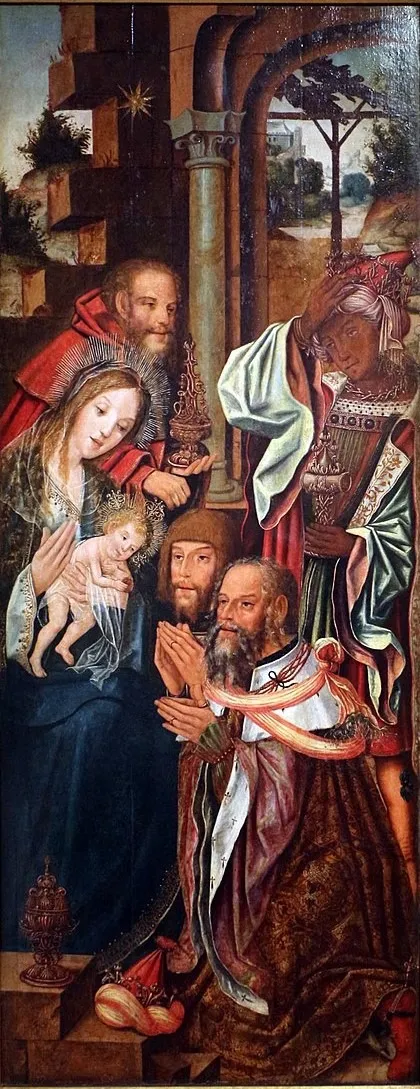
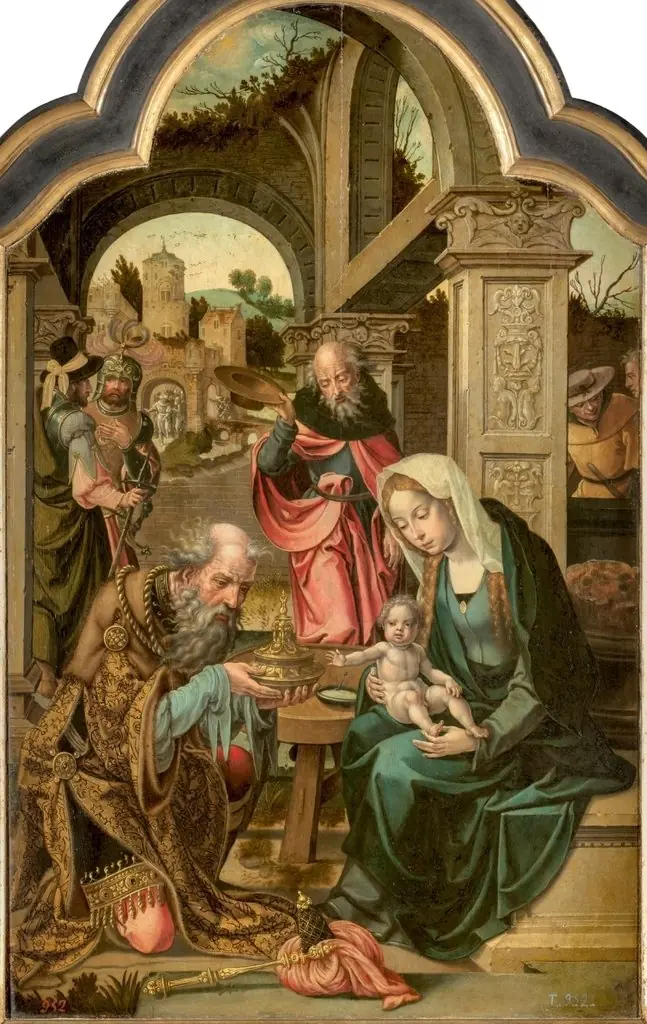
Adoration of the Magi is an oil painting by the Northern Renaissance artist Vicente Gil. It dates from 1513 and is held in the collection of the National Museum of Ancient Art.
About this work
Overview
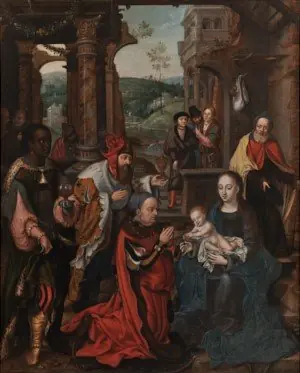
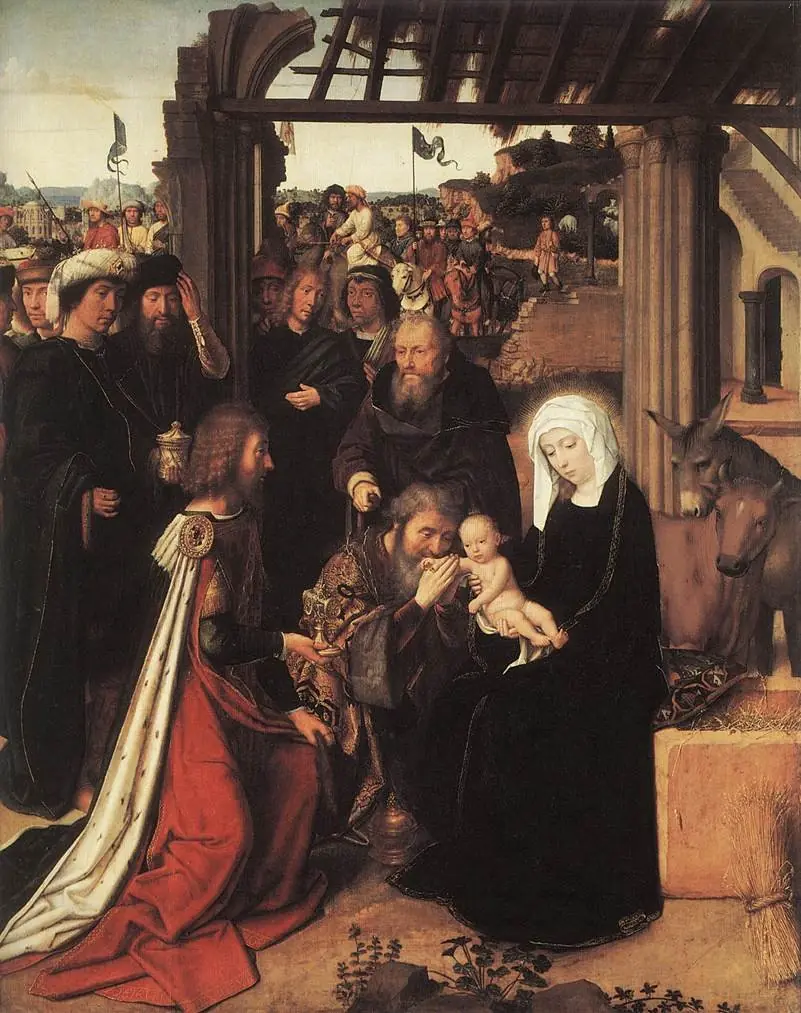
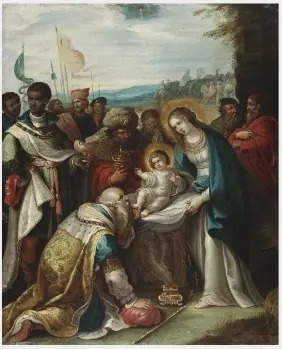
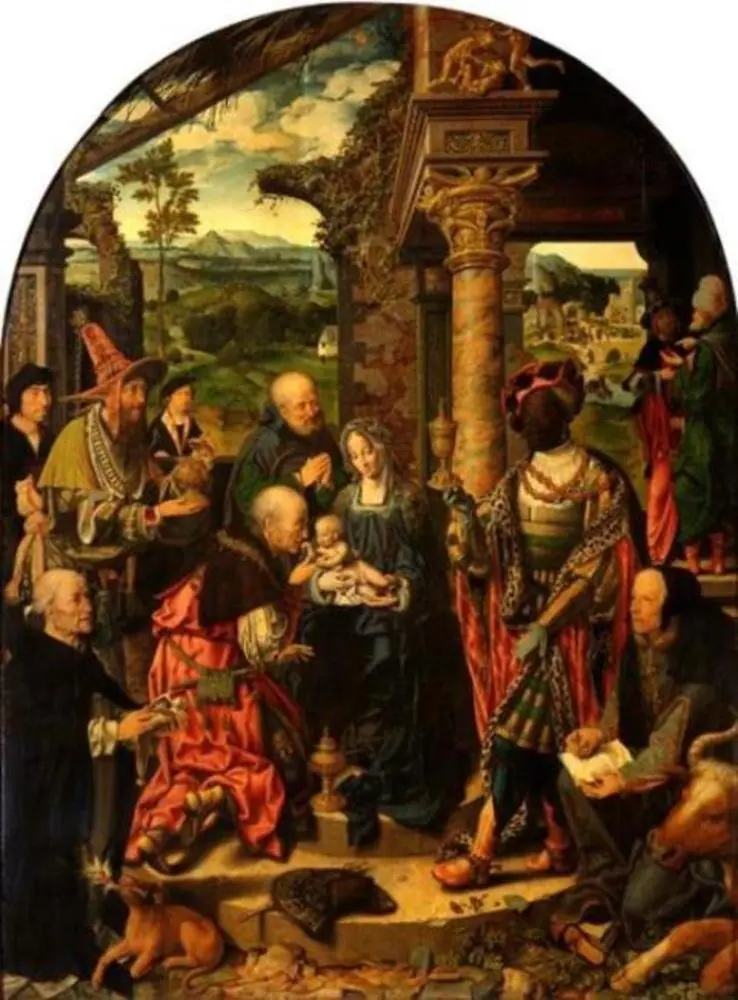
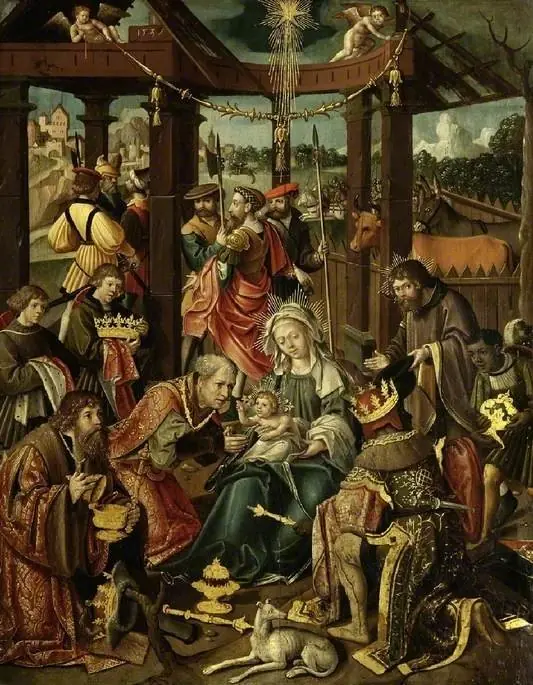
Vicente Gil’s oil painting titled *Adoration of the Magi* was completed in 1513. The work presents a quiet devotional tableau centered on the Virgin Mary and the infant Jesus, surrounded by the three biblical Magi and a figure in red robes, likely Saint Joseph. It is part of the collection of the National Museum of Ancient Art.
Subject & Meaning
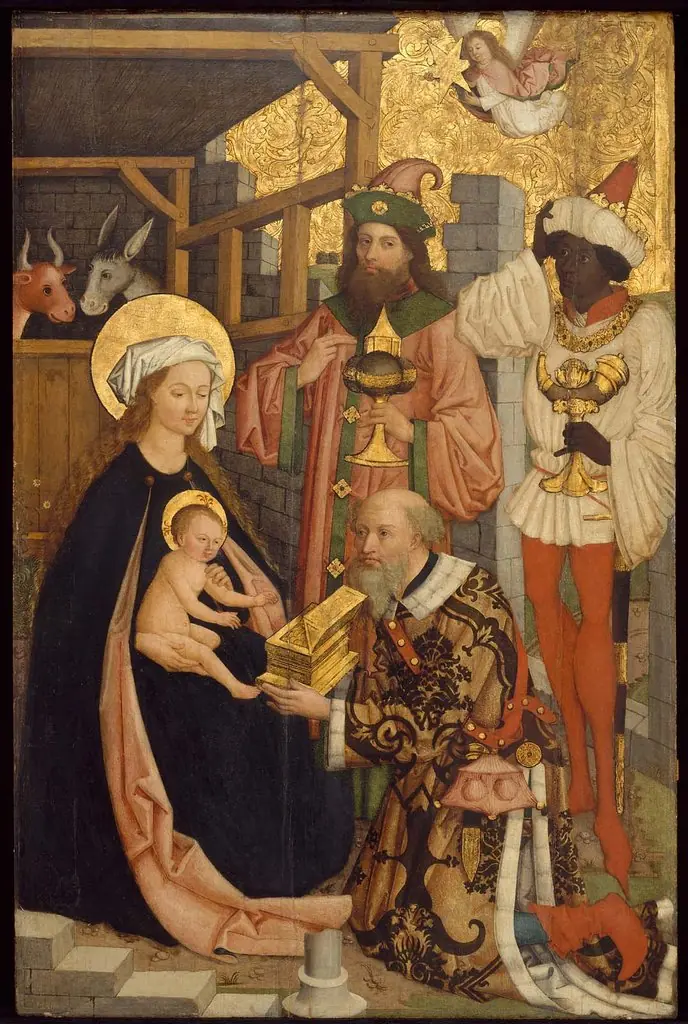
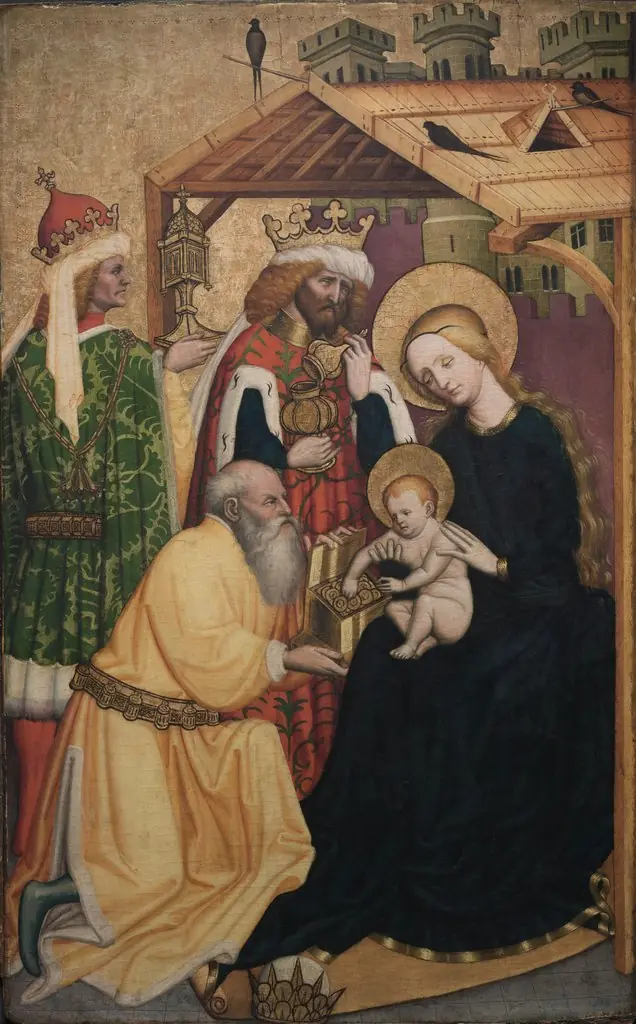
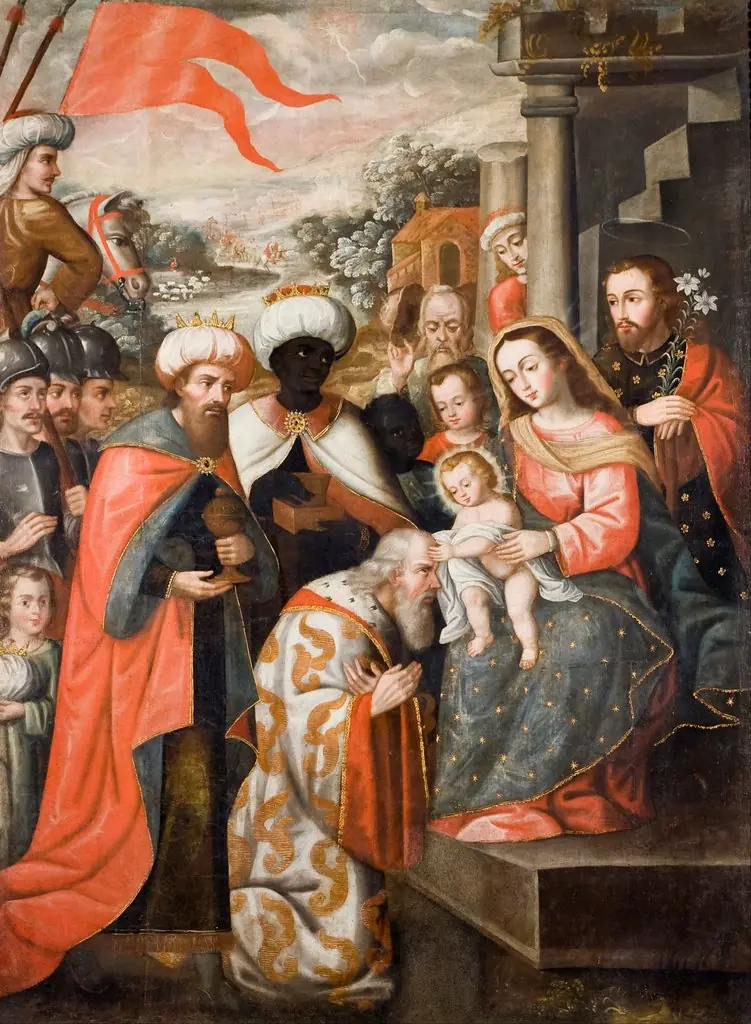
The composition illustrates the traditional narrative of the Magi’s homage to the newborn Christ. Mary, clothed in blue, cradles the child while the three wise men—identified by their sumptuous garments—offer gifts. One kneels with clasped hands, emphasizing reverence, and the figure in red stands as a possible paternal guardian, reinforcing themes of piety and familial protection.
Technique & Style
Gil employs chiaroscuro to model forms, allowing light to fall on the central figures and recede into the shadowed background. The contrast creates a sense of volume and spatial depth, while the delicate rendering of fabrics and the stone archway demonstrates a careful handling of oil pigments typical of early 16th‑century Iberian painting.
Context
Created during the early Renaissance in Spain, the painting reflects the period’s growing interest in naturalistic representation and narrative clarity. The inclusion of an architectural archway opening onto a landscape aligns with contemporary efforts to situate sacred events within a recognizable, earthly setting.
History & Provenance
Since its creation, the work has remained in Portugal, eventually entering the holdings of the National Museum of Ancient Art, where it is displayed as part of the museum’s early modern European collection.
Artist & collection
Artist
This Portuguese painter worked in the early 1500s, blending Renaissance techniques with religious scenes.