Artwork
The Adoration of the Magi
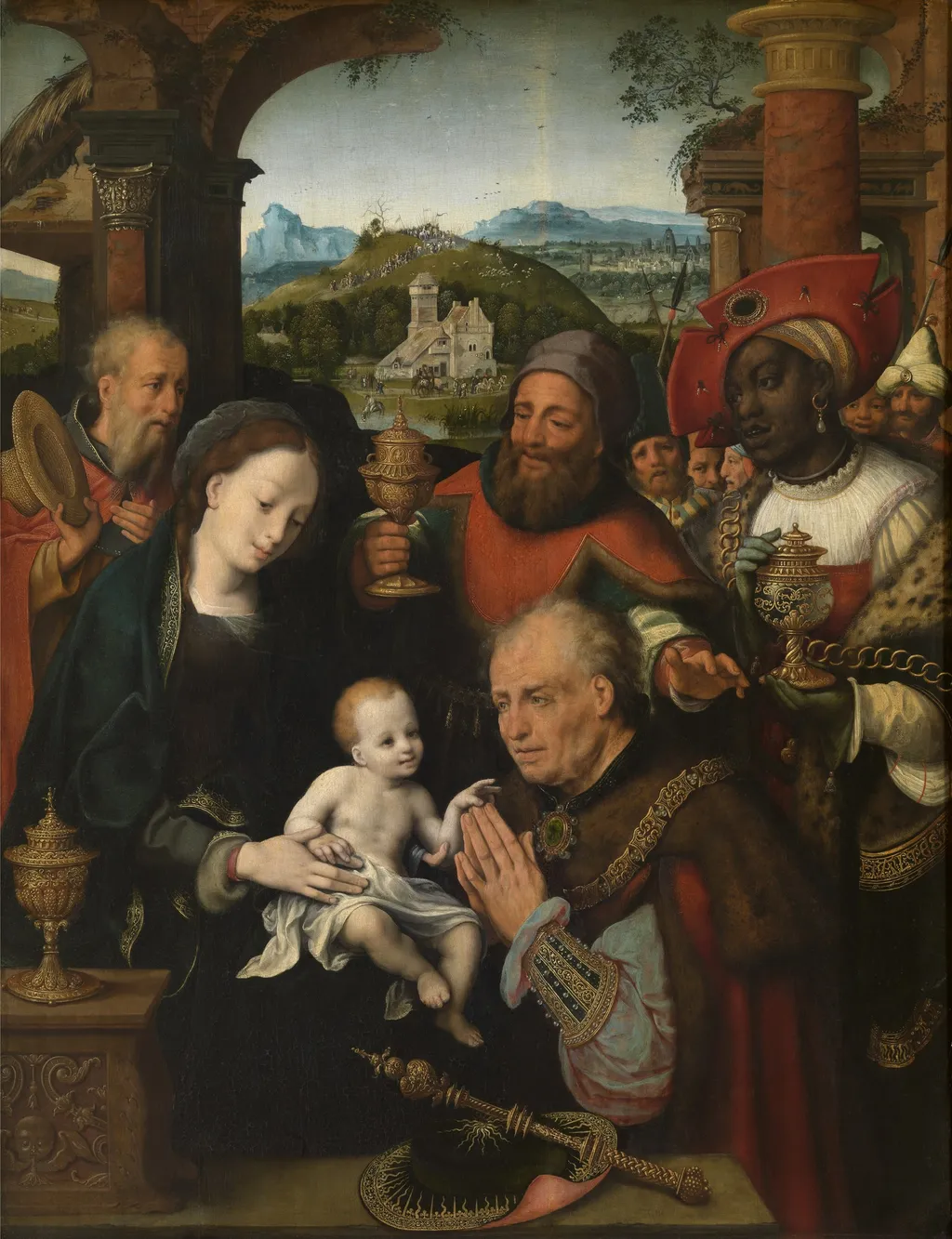
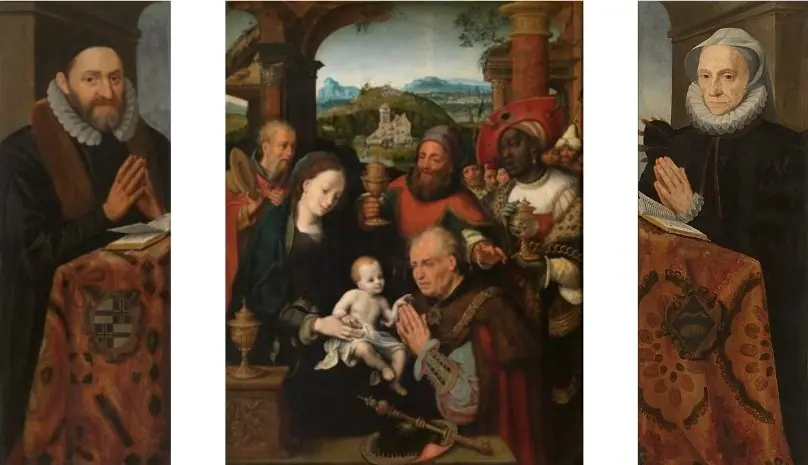
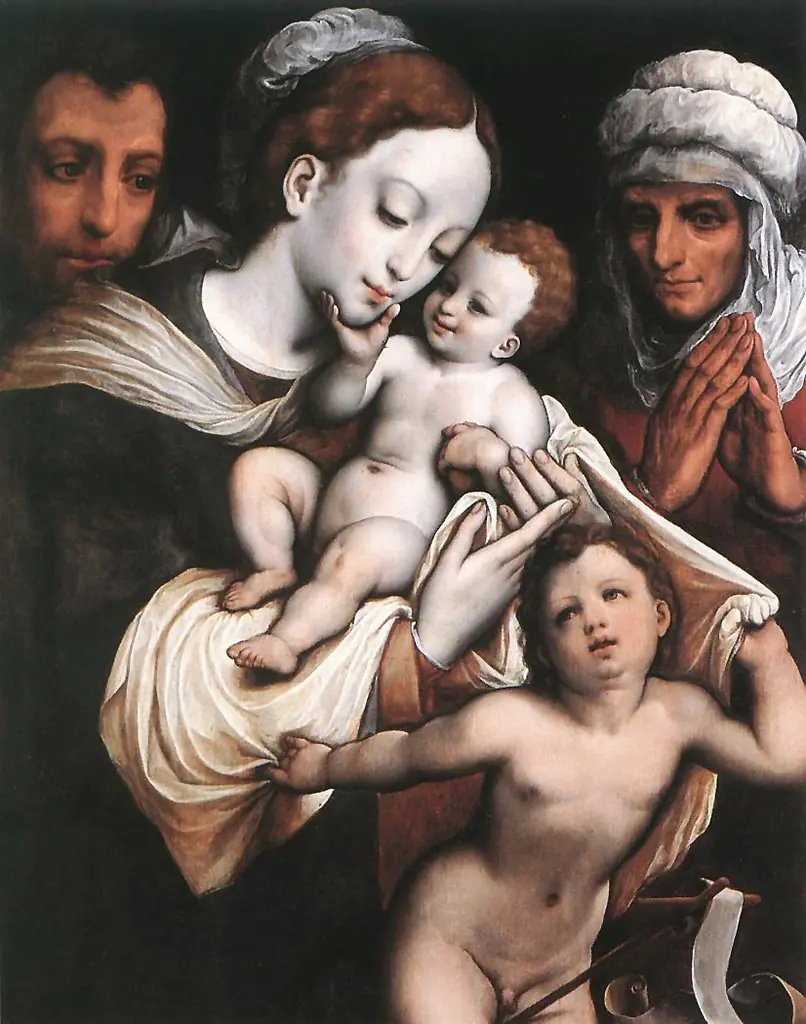
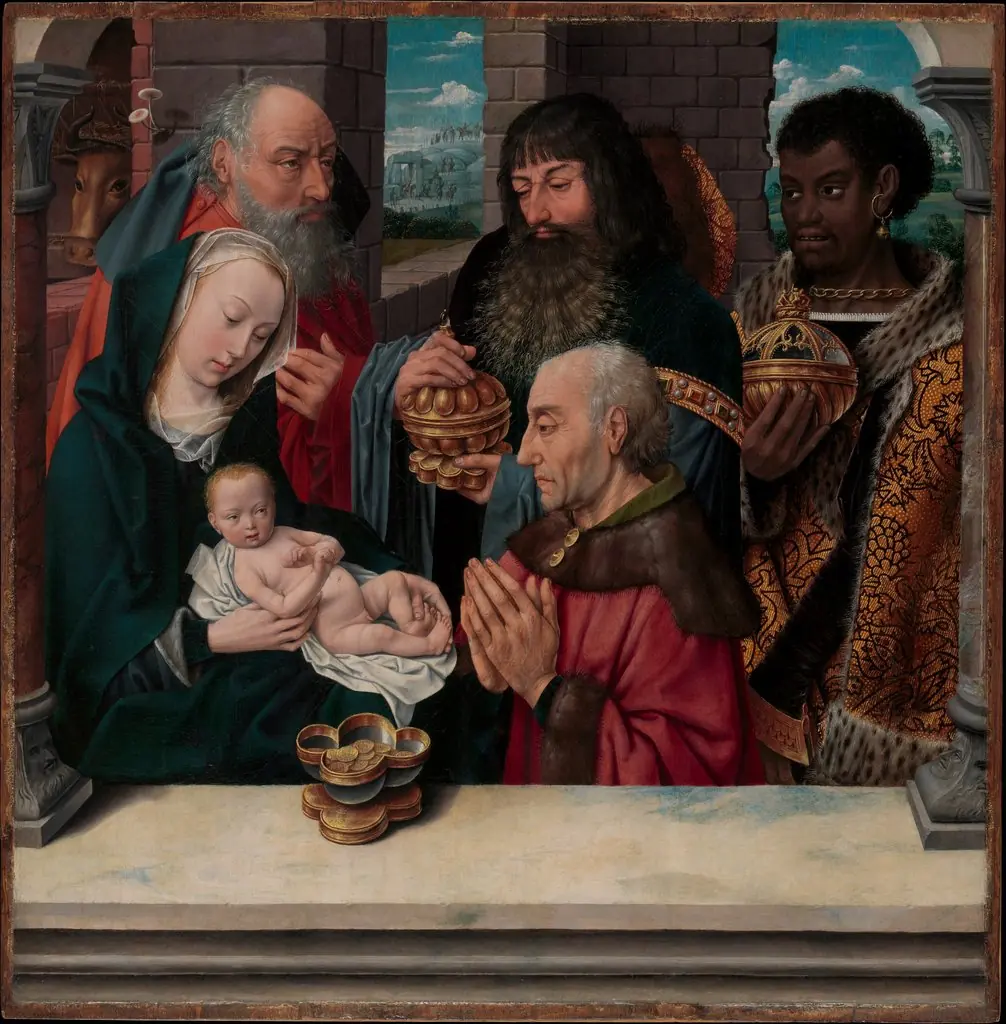
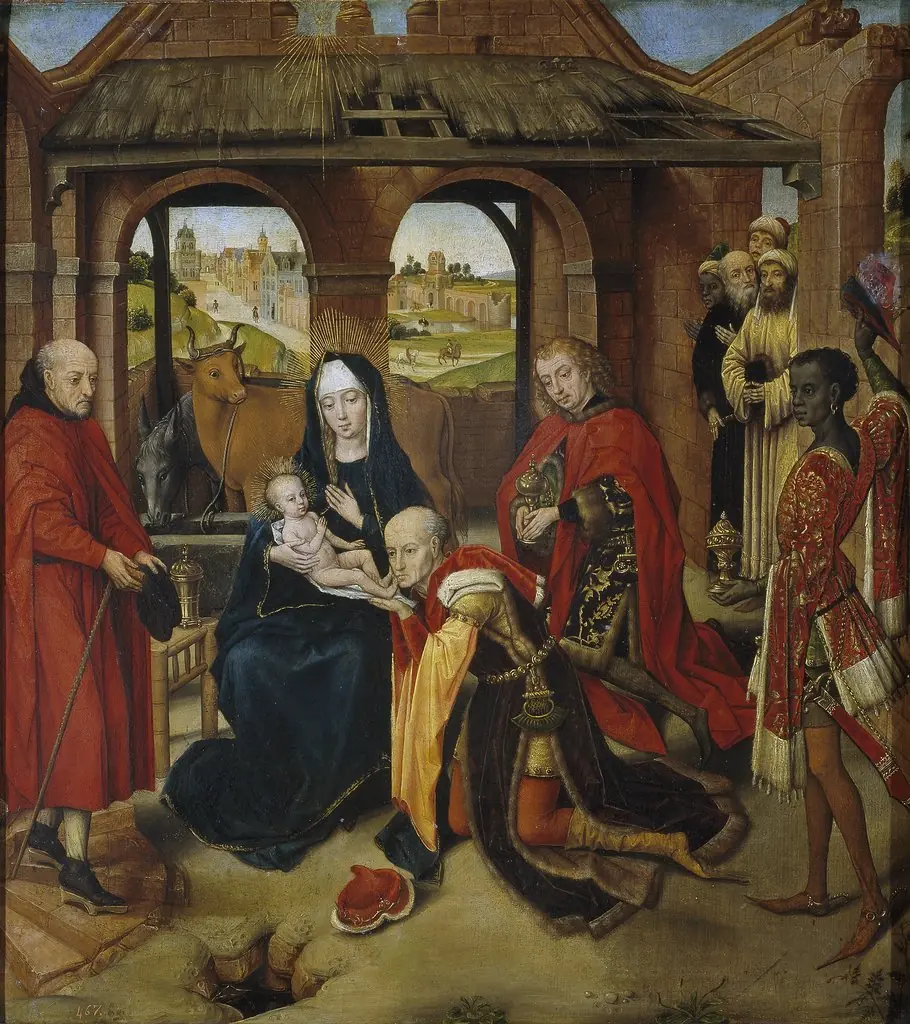
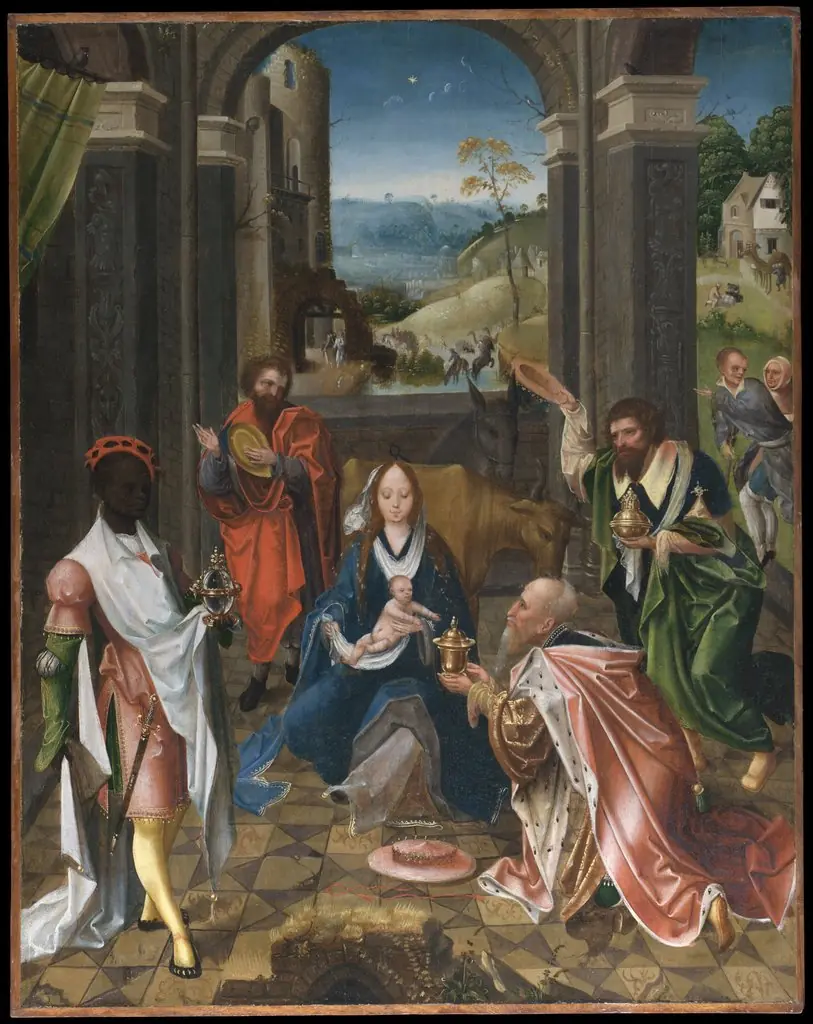
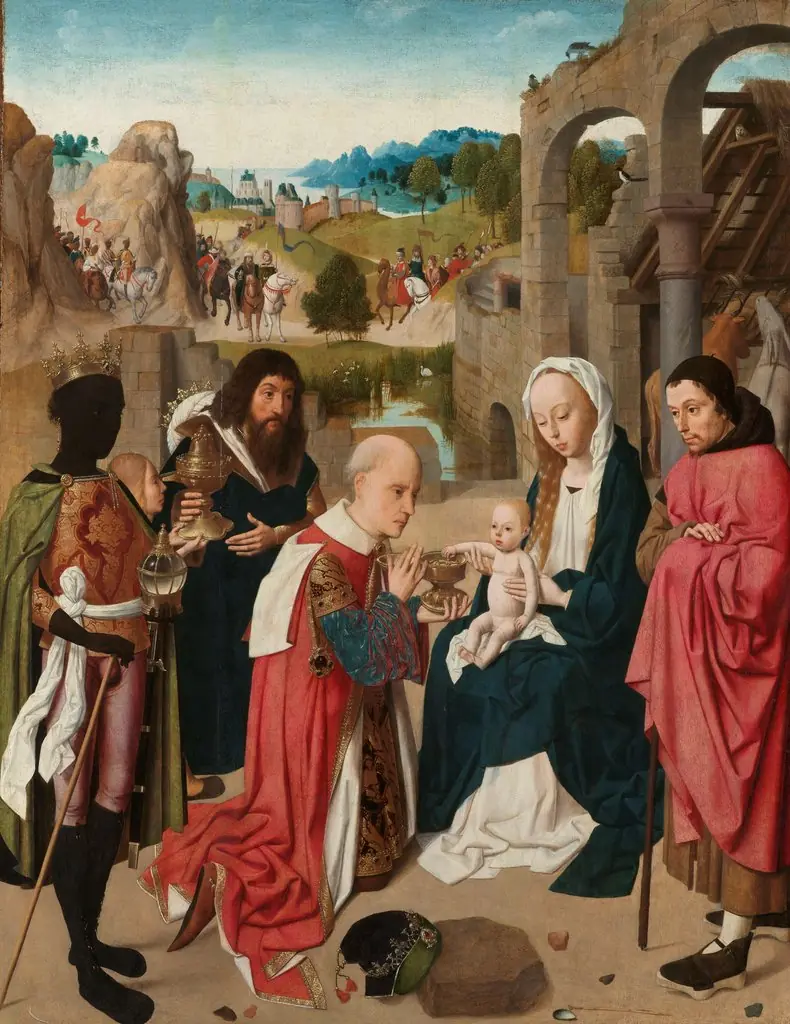
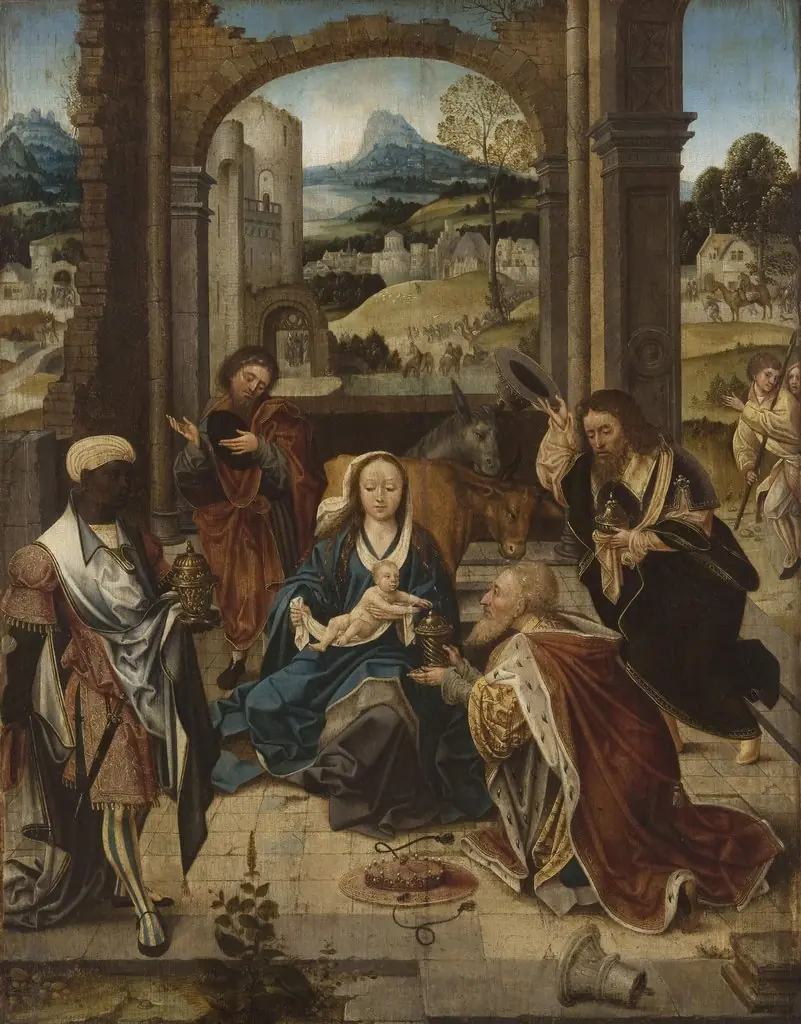
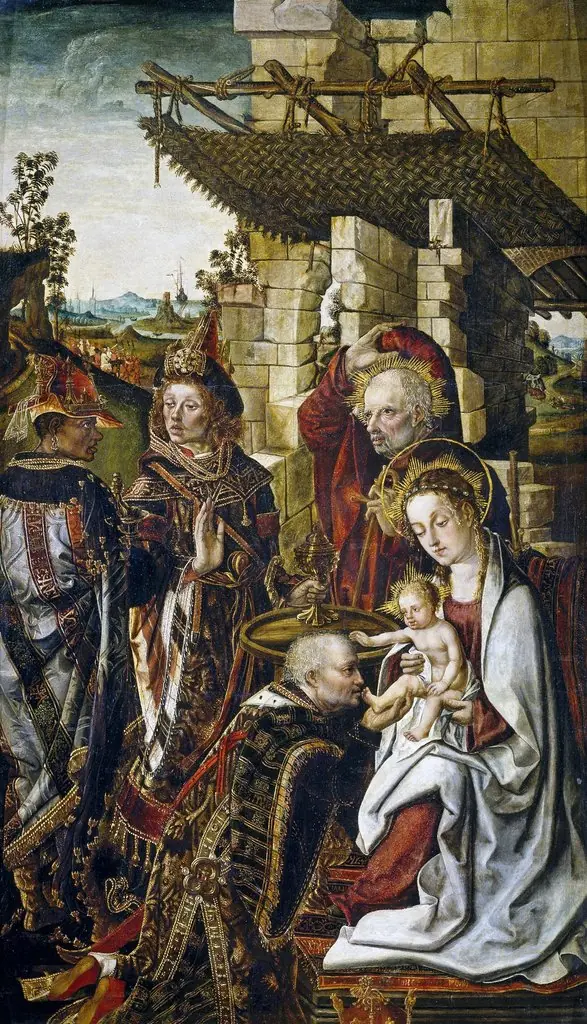
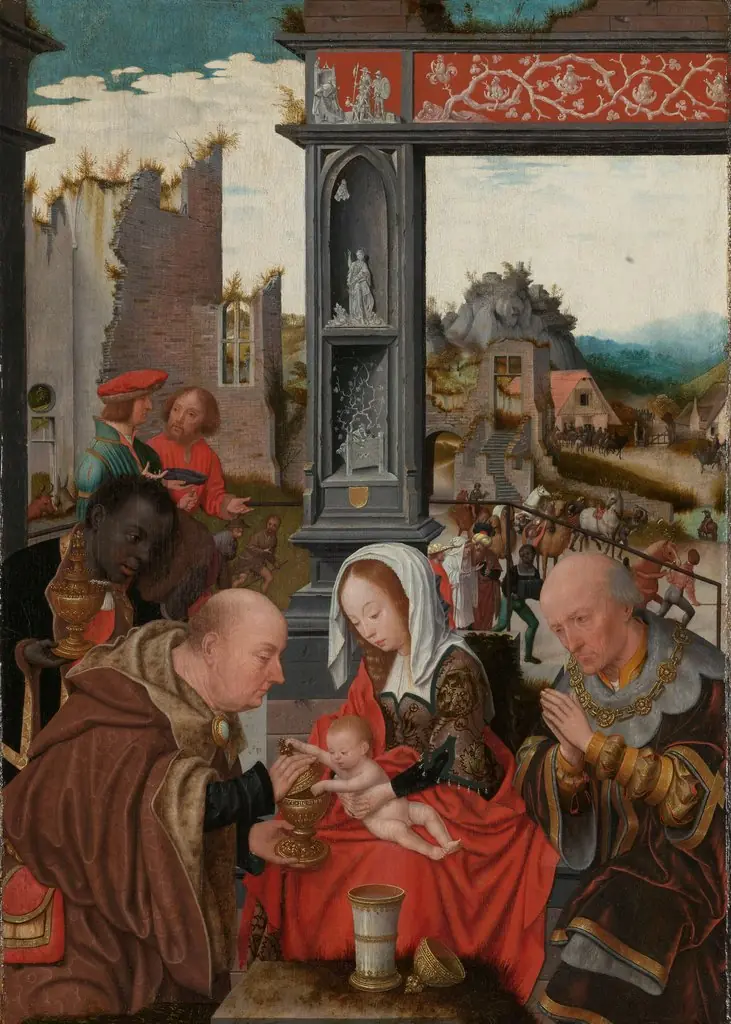
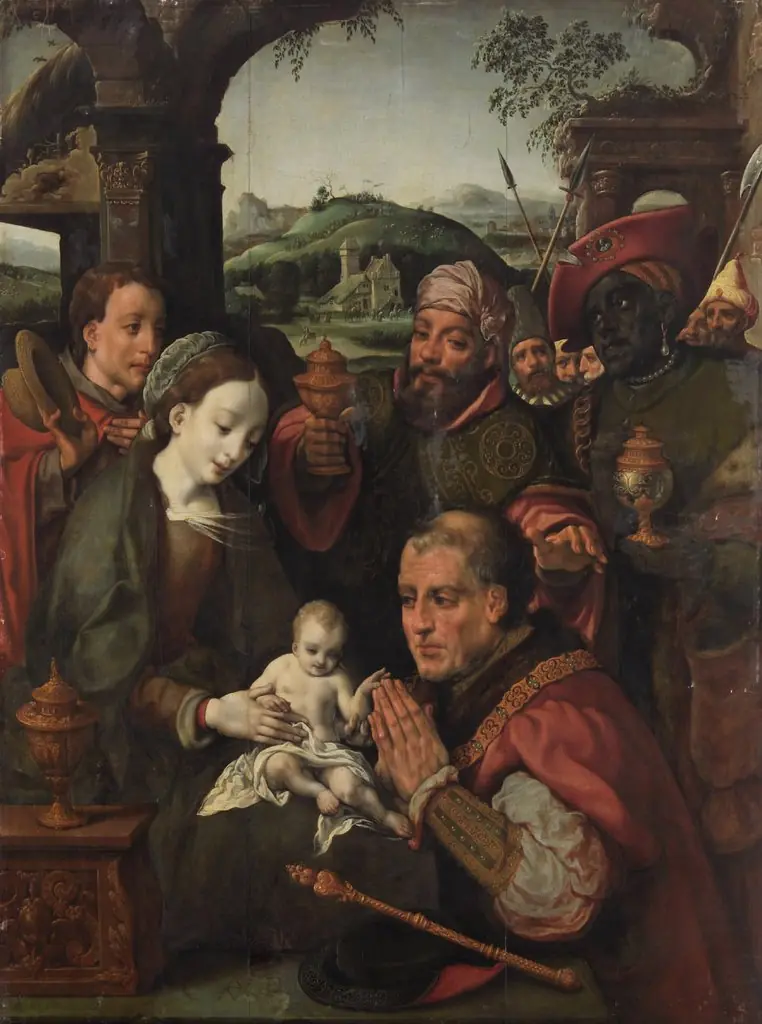
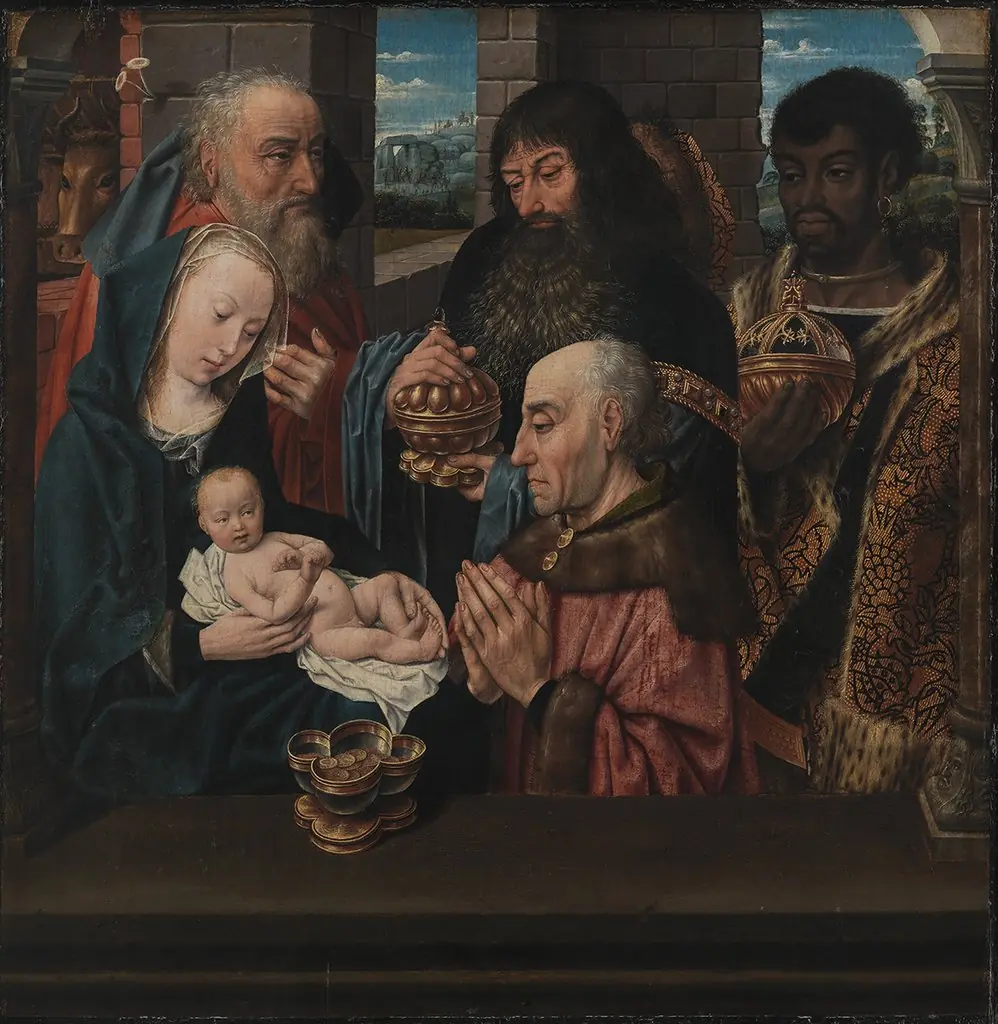
The Adoration of the Magi is an oil painting by the Northern Renaissance artist Cornelis van Cleve. It dates from 1564 and is held in the collection of the Onze-Lieve-Vrouwekathedraal.
About this work
Overview
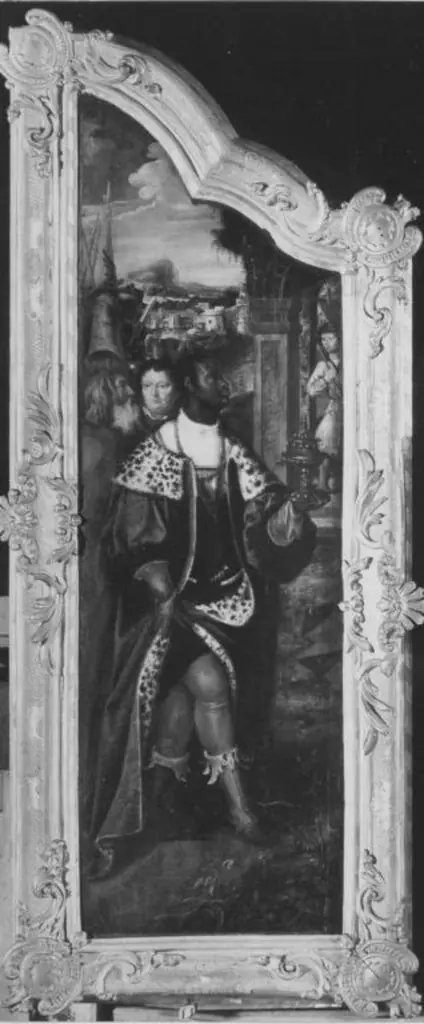
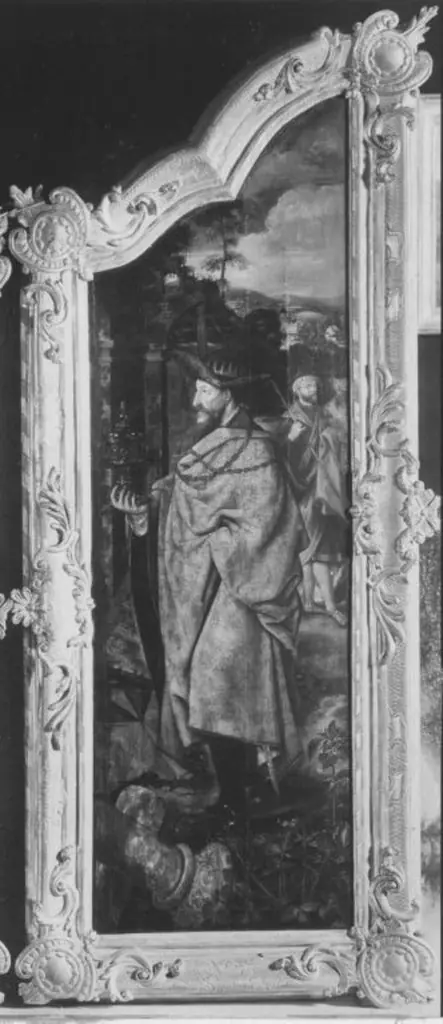
Cornelis van Cleve’s *Adoration of the Magi* (1564) is an oil painting executed in the Flemish Renaissance style. The work portrays the infant Jesus surrounded by the three wise men and attendant figures, rendered with meticulous attention to costume and material. It is part of the collection of the Royal Museum of Fine Arts in Antwerp and exemplifies the artist’s focus on religious narrative.
Subject & Meaning
The older bearded figure, likely the Virgin Mary, holds the child, while the richly dressed visitors display a mixture of reverence and curiosity.
The composition centers on the newborn Christ receiving gifts from the Magi, a traditional episode symbolising the recognition of Christ’s divinity by the Gentile world. The older bearded figure, likely the Virgin Mary, holds the child, while the richly dressed visitors display a mixture of reverence and curiosity. Minor details such as gold cups and sumptuous fabrics underscore the theme of offering and wealth.
Technique & Style
Van Cleve employs oil’s capacity for fine glazing to achieve a luminous surface, especially in the reflective metal objects and saturated textiles. Light falls across the scene, creating a subtle chiaroscuro that models the figures and gives depth to the interior space. The painter’s handling of texture—fur, silk, and metal—reflects the Northern Renaissance’s interest in realistic detail.
History & Provenance
Born into the workshop of his father Joos van Cleve, Cornelis trained in Antwerp before a brief period working in London. He completed the *Adoration* in 1564, after establishing his reputation for devotional subjects. The painting entered the Royal Museum of Fine Arts Antwerp’s holdings in the 19th century, where it remains on display as part of the museum’s Flemish collection.
Context
The work belongs to the later phase of the Northern Renaissance, when Flemish artists combined detailed observation with elaborate iconography. Antwerp’s thriving commercial environment supplied the luxurious fabrics and exotic objects depicted, while the subject reflects the Counter‑Reformation’s emphasis on the humanity and universal significance of Christ.
Own this work as a print
Artist & collection
Artist
Cornelis van Cleve, Cornelis van Cleef or Cornelis van der Beke, nickname Sotte Cleve ('Mad Cleve') (1520 in Antwerp – 1567/1614) was a Flemish Renaissance painter active in Antwerp who is known for his religious compositions and portraits.