Artwork
The Battle of the Nile
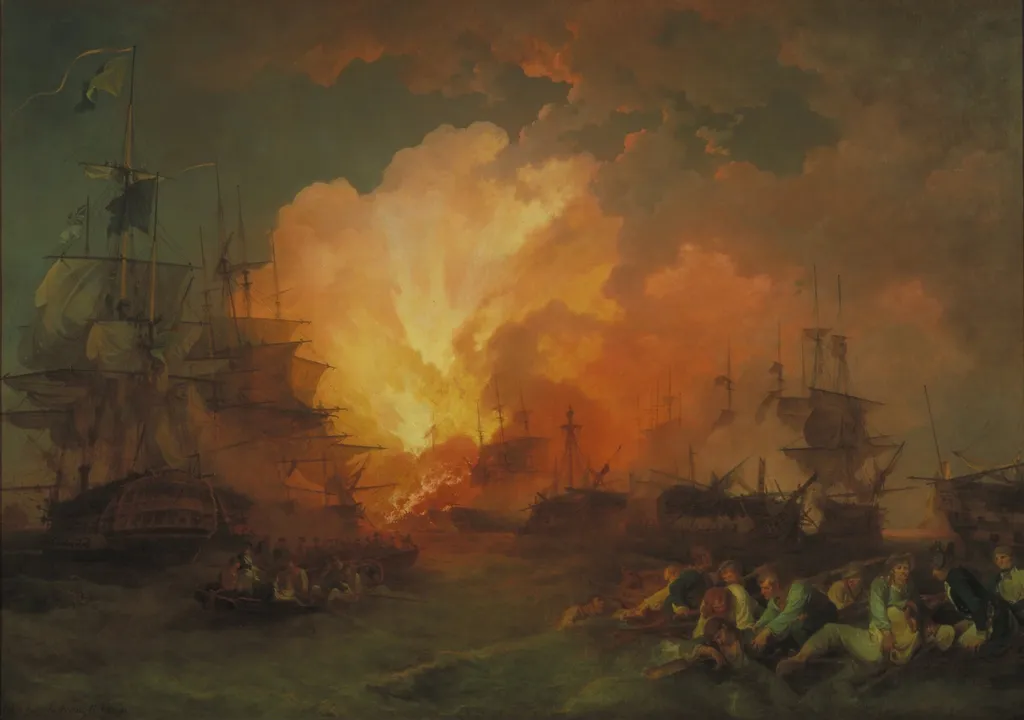
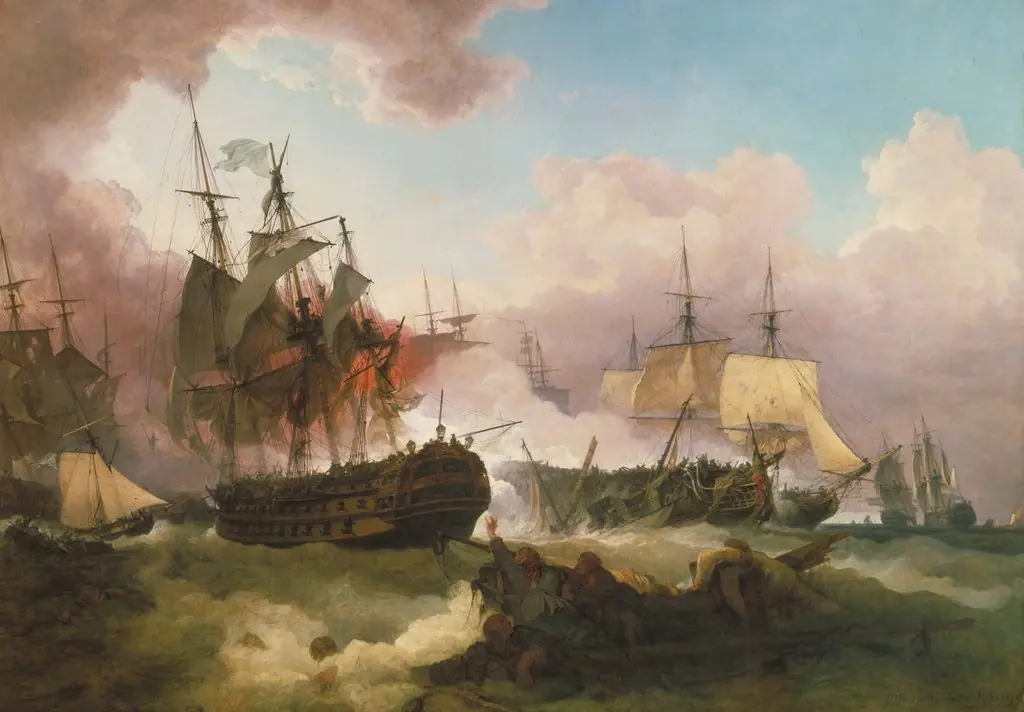
The Battle of the Nile is an oil painting by Philip James de Loutherbourg. It dates from 1800 and is held in the collection of the Tate Britain.
About this work
This work shows the famous naval clash between the French and British fleets, a key moment in the Napoleonic wars.
The Battle of the Nile is an oil on canvas history painting by Philip James de Loutherbourg, dated 1800. This work shows the famous naval clash between the French and British fleets, a key moment in the Napoleonic wars. It’s part of the collection at Tate Britain, where visitors can see it alongside other works from the same era. If you’re curious about the artist’s broader output, check out the entry for Philip James de Loutherbourg.
Overview
Painted in 1800, The Battle of the Nile is an oil on canvas work by Philip James de Loutherbourg, a French-born artist who settled in Britain. It depicts the 1798 naval engagement between British and French forces off the Egyptian coast, a decisive moment in the Napoleonic Wars. The painting is held in the collection of Tate Britain, where it is displayed among other early 19th-century British historical works.
Subject & Meaning
The painting captures the climax of the Battle of the Nile, where Admiral Nelson’s fleet destroyed or captured most of Napoleon’s navy anchored in Aboukir Bay. De Loutherbourg emphasizes chaos and destruction—burning ships, exploding munitions, and swirling smoke—to convey the scale of British victory and the collapse of French ambitions in the Mediterranean.
Technique & Style
De Loutherbourg employed dramatic lighting and layered brushwork to heighten the intensity of the scene. Dark, turbulent seas contrast with the fiery glow of burning vessels, while precise details in rigging and hulls ground the spectacle in observed reality. His background in theatrical design informs the composition’s staged grandeur, balancing realism with emotional impact.
History & Provenance
Commissioned shortly after the battle, the painting was likely intended to celebrate British naval supremacy and honor Nelson’s leadership. It entered the Tate Britain collection in the 19th century, where it has remained as part of the national heritage of maritime art. Its early acquisition reflects its contemporary significance in British public memory.
Context
Created during a period of intense national pride following Britain’s naval victories, the painting aligns with a broader trend of historical imagery used to reinforce imperial identity. De Loutherbourg’s work responds to public fascination with the Napoleonic conflicts and the growing role of visual culture in shaping perceptions of war and heroism.
Legacy
Though less widely known today than some contemporary battle scenes, the painting remains a significant example of early Romantic naval art. It illustrates how artists translated recent military events into visual narratives, influencing later depictions of naval warfare and preserving the memory of a turning point in British maritime history.
Own this work as a print
Artist & collection
Artist
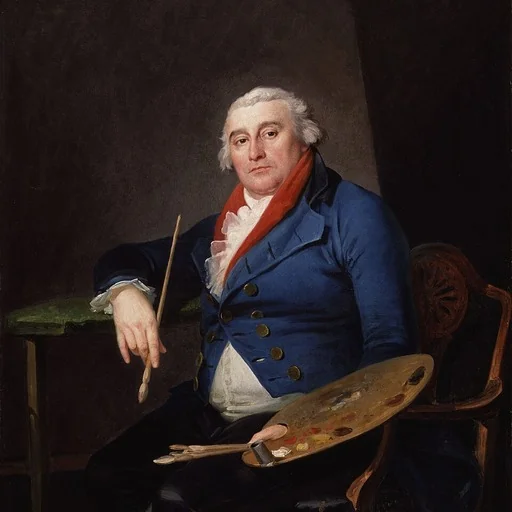
Philip James de Loutherbourg, RA (born Philippe Jacques de Loutherbourg; 31 October 1740 – 11 March 1812) was a French-born British painter who became known for his large naval works, his elaborate set designs for…


 The Battle of Camperdown
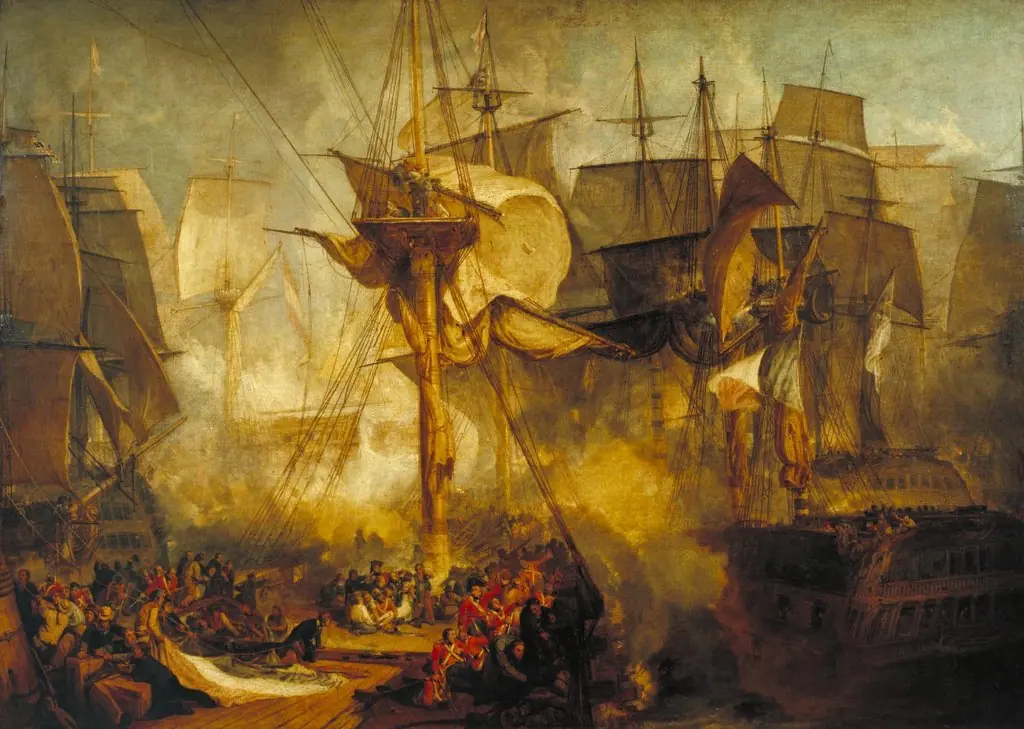 The Battle of Trafalgar (1806)
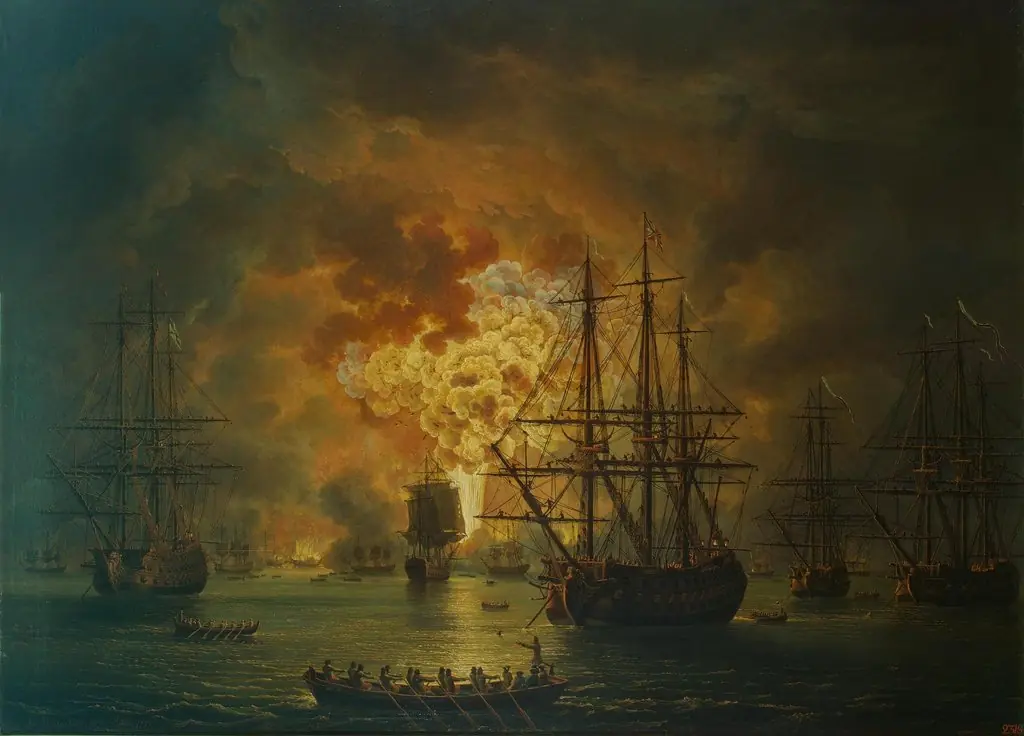 Destruction of the Turkish Fleet in the Bay of Chesme
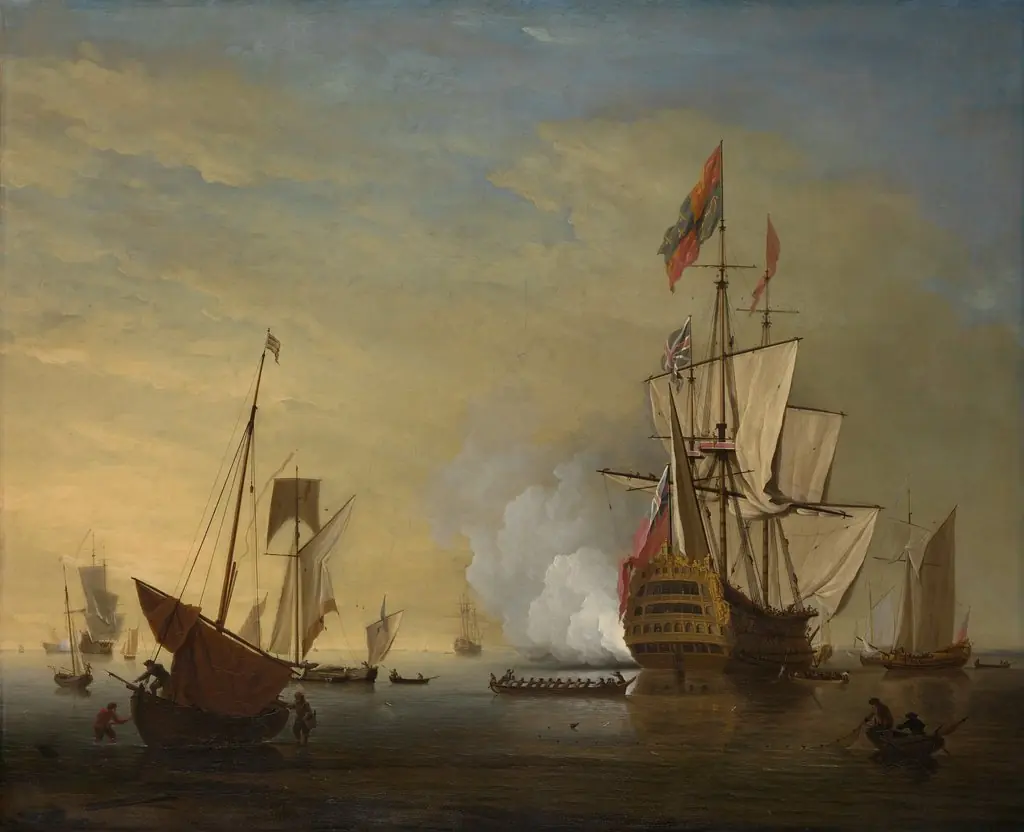 Harbor Scene: An English Ship with Sails Loosened Firing a Gun
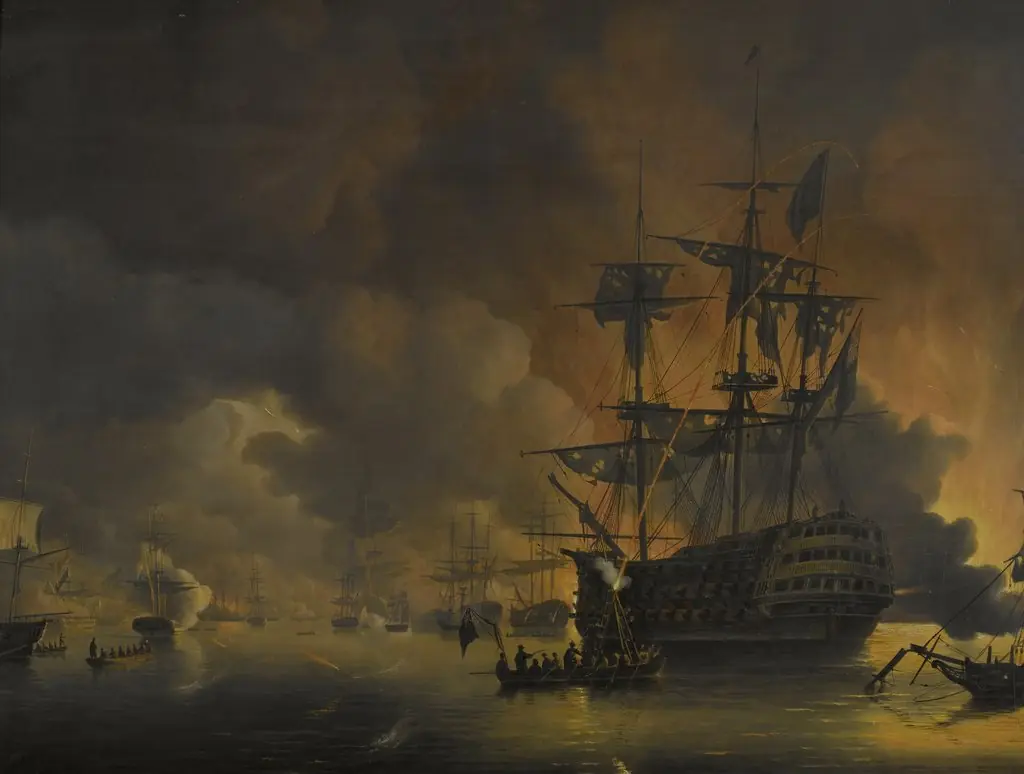 The fire on the Wharves of Algiers, shortly after the commencement of the Bombardment by the Anglo-Dutch Fleet, 27 August 1816
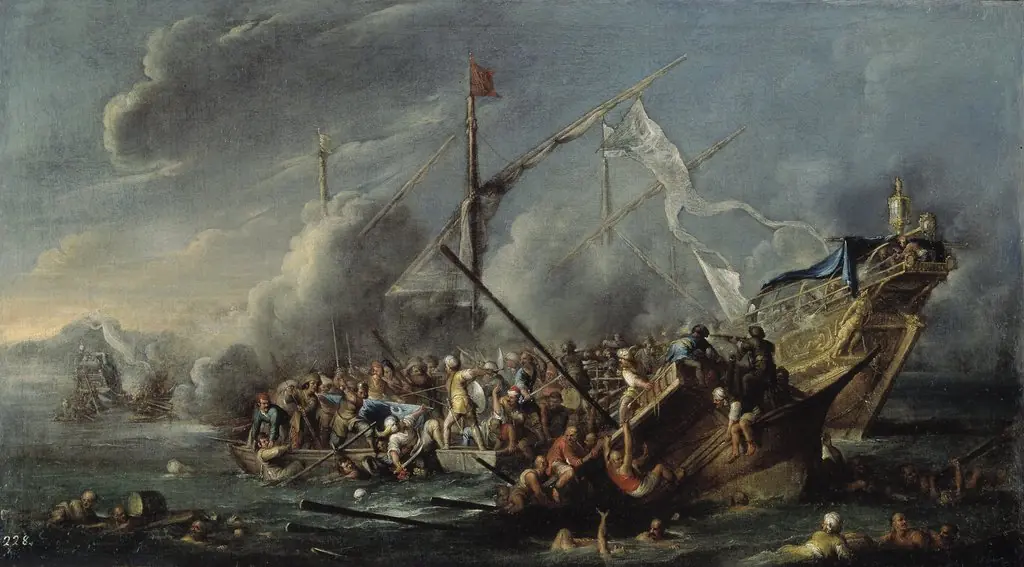 Combate naval entre españoles y turcos
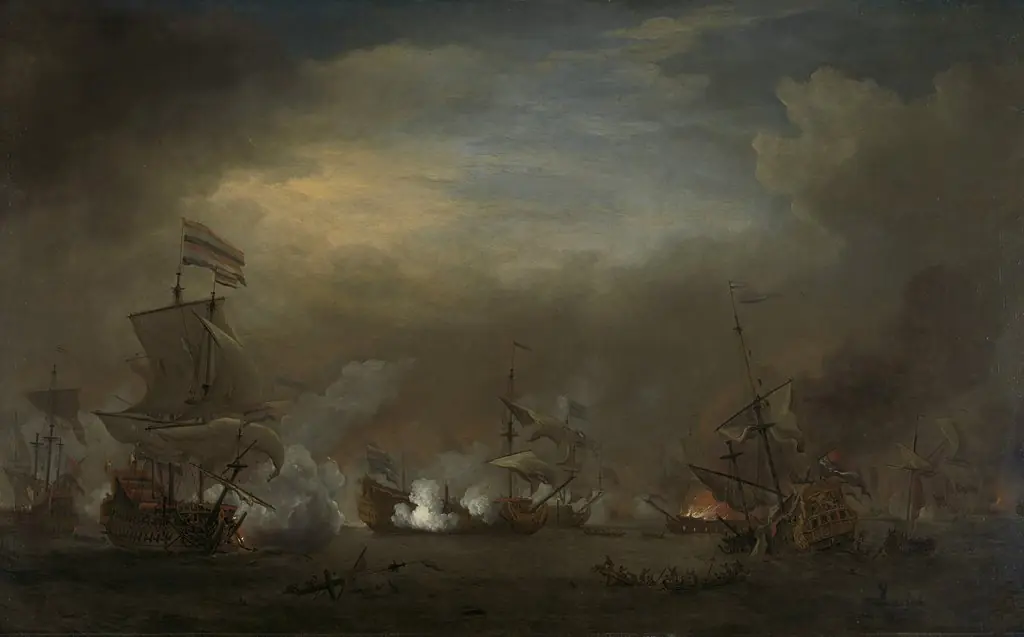 Encounter during the Battle of Kijkduin
 The skirmish of Michiel Adriaensz de Ruyter against the duke of York, commanding the 'Royal Prince'during the Battle of Solebay, 7 June 1672: episode from the Third Anglo-Dutch War (1672-74)
 The Battle of La Hogue
 En episode af søslaget i Køge Bugt 1677