Artwork
An Avalanche in the Alps
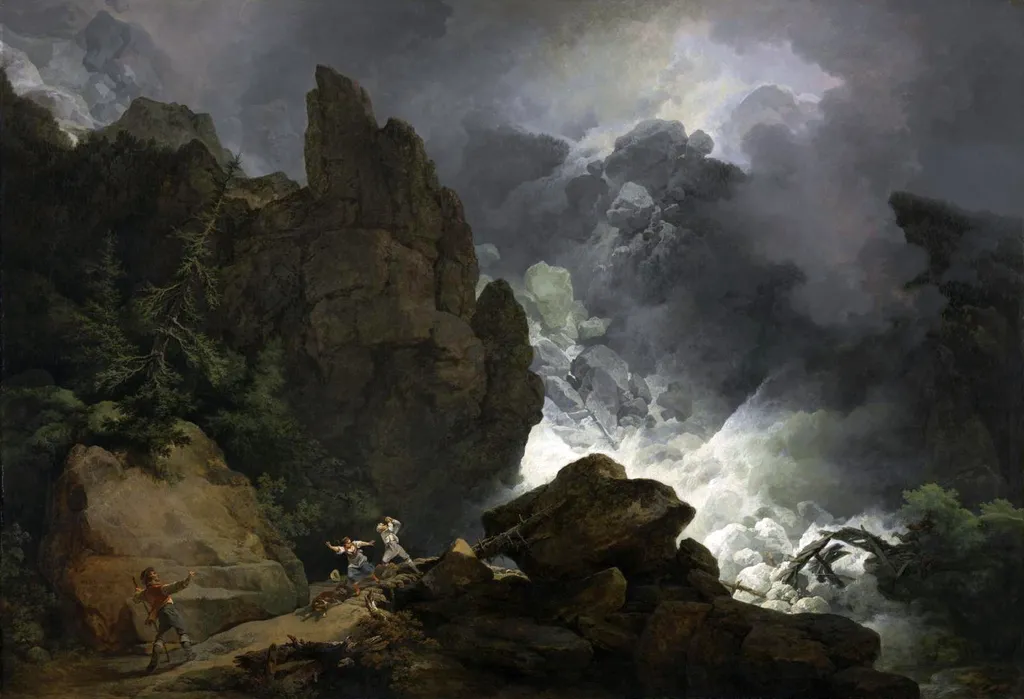
An Avalanche in the Alps is an oil painting by Philip James de Loutherbourg. It dates from 1803 and is held in the collection of the Tate Britain.
About this work
Overview
The piece belongs to a small group of storm-themed compositions Loutherbourg produced in his later years, reflecting his enduring interest in nature’s power.
Painted in 1803, An Avalanche in the Alps is an oil-on-canvas work by Philip James de Loutherbourg, a French-born artist active in Britain. It captures a violent natural event in the Alpine range, rendered with heightened emotional intensity. The piece belongs to a small group of storm-themed compositions Loutherbourg produced in his later years, reflecting his enduring interest in nature’s power.
Subject & Meaning
The scene centers on three figures and a dog caught in the path of an approaching avalanche. Their small scale against the overwhelming mountain forces underscores human vulnerability. The figures’ gestures suggest sudden terror, transforming the landscape into a narrative of impending doom. The painting does not idealize nature but presents it as an indifferent, overwhelming force.
Technique & Style
Loutherbourg employs chiaroscuro to heighten the drama, contrasting the dark, swirling sky with patches of cold light on snow and rock. Brushwork is vigorous in the upper regions, where debris clouds churn, while the foreground is more defined, grounding the chaos in tangible detail. The composition directs the viewer’s eye from the fragile humans to the looming mountain mass.
History & Provenance
The painting was exhibited at the Royal Academy’s 1804 Summer Exhibition and acquired shortly after by the collector John Leicester. It remained in private hands for over a century before entering the Tate Britain’s collection in 1965. Loutherbourg produced another avalanche scene around this time, suggesting a deliberate thematic focus during this phase of his career.
Context
Created during the rise of Romanticism, the work aligns with contemporary interests in sublime nature and emotional response to the wild. Unlike earlier landscape traditions that emphasized harmony, Loutherbourg’s painting embraces disruption and awe. His background in stage design likely influenced his dramatic staging of natural catastrophe.
Legacy
Though not widely known today, the painting exemplifies early 19th-century British Romanticism’s engagement with natural violence. Loutherbourg’s fusion of theatrical composition and geological realism contributed to evolving landscape conventions. The work remains a quiet but forceful statement on humanity’s precarious place within the natural world.
Artist & collection
Artist
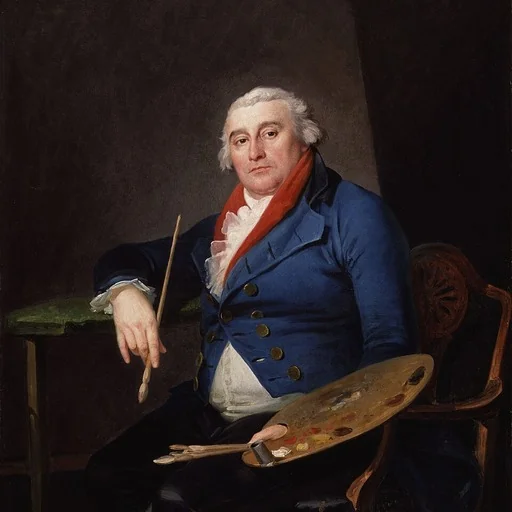
Philip James de Loutherbourg, RA (born Philippe Jacques de Loutherbourg; 31 October 1740 – 11 March 1812) was a French-born British painter who became known for his large naval works, his elaborate set designs for…

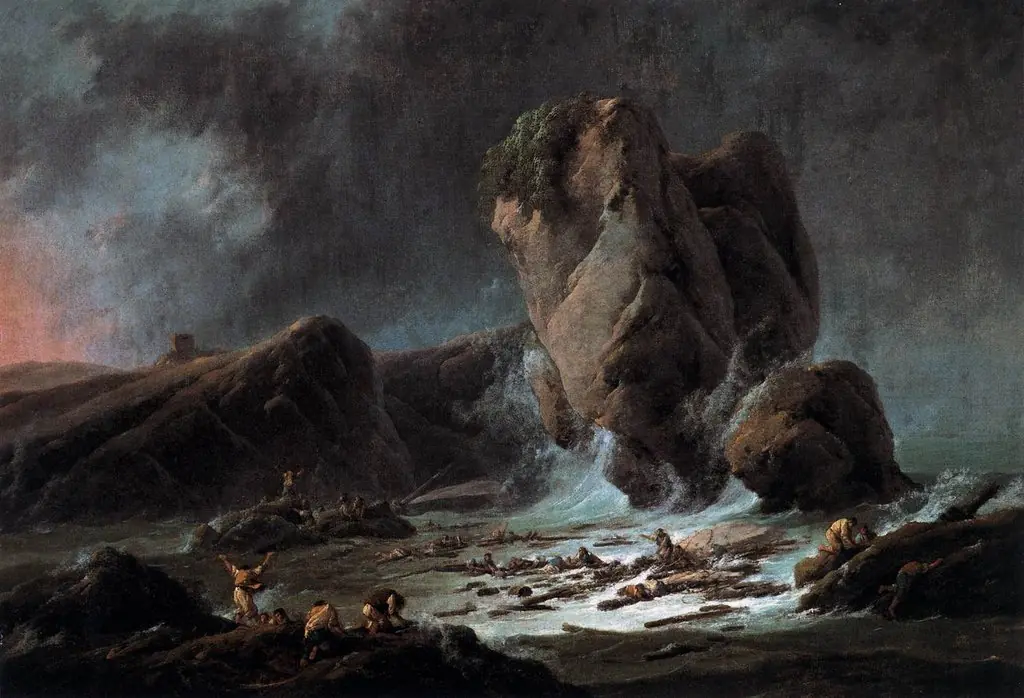 Shipwreck Survivors reaching the Coast
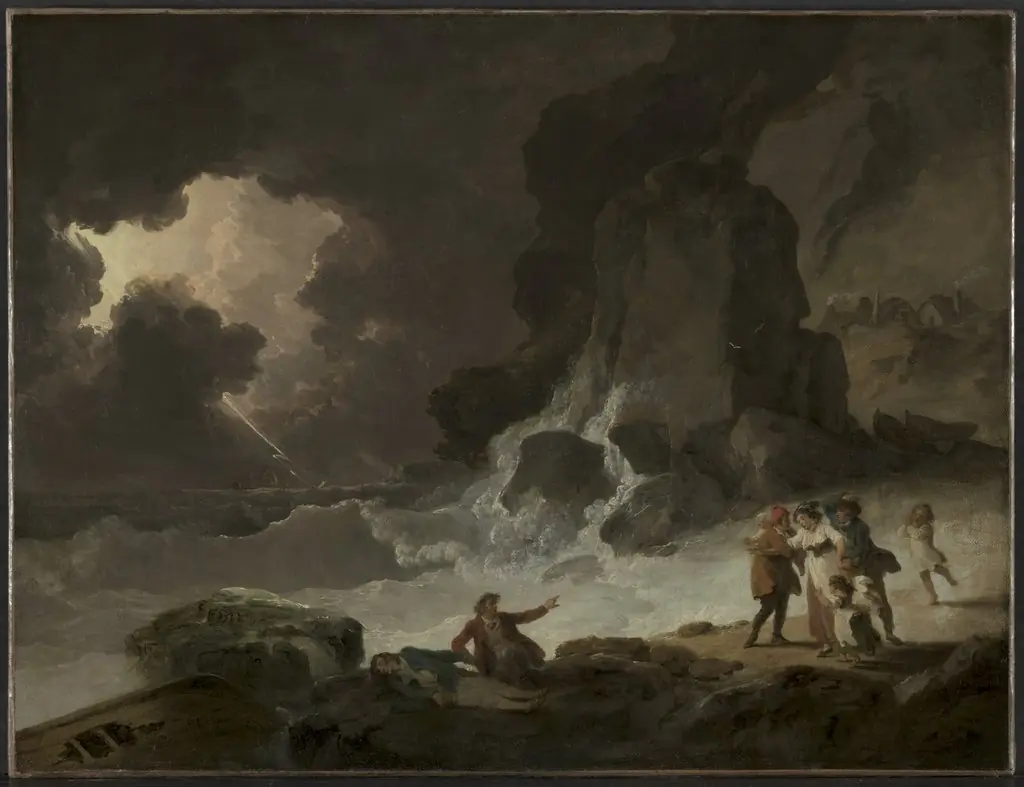 A Storm Behind the Isle of Wight
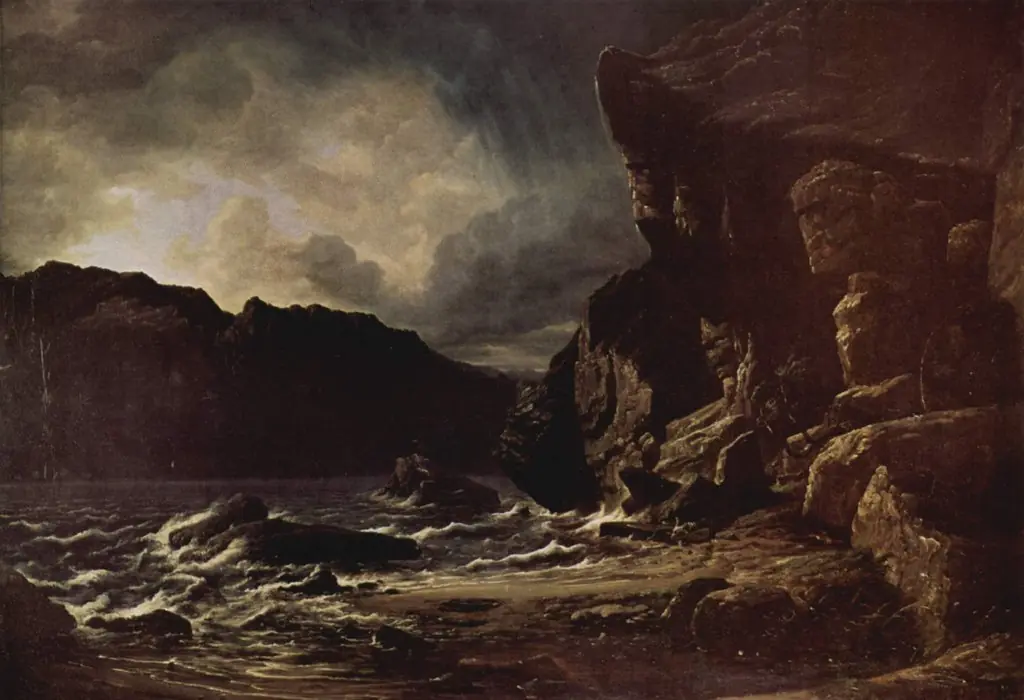 Norwegian Sea
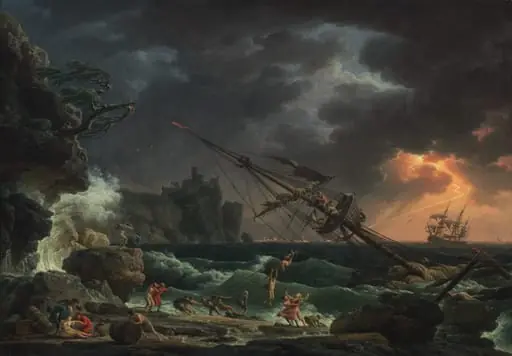 The Shipwreck
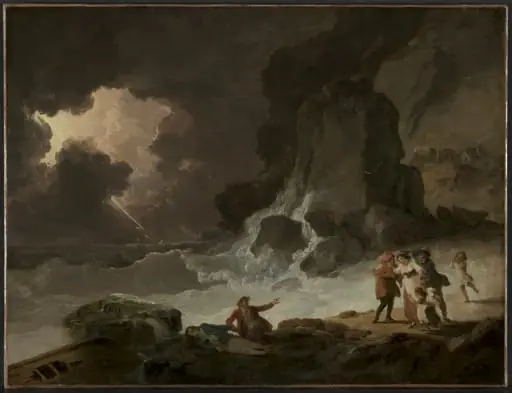 A Storm Behind the Isle of Wight
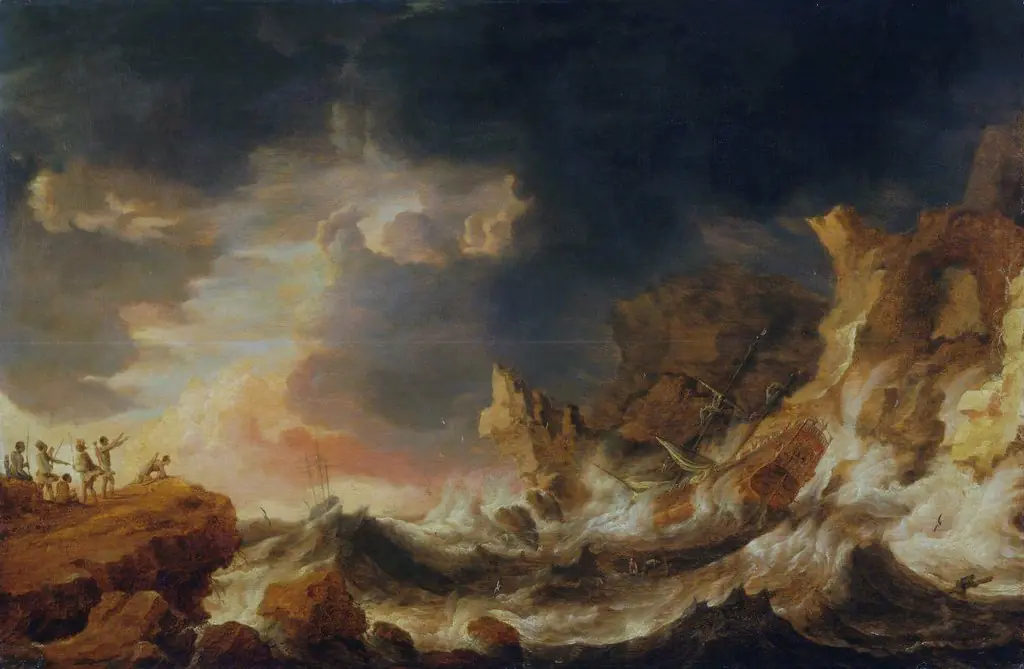 Shipwreck on a Rocky Coast
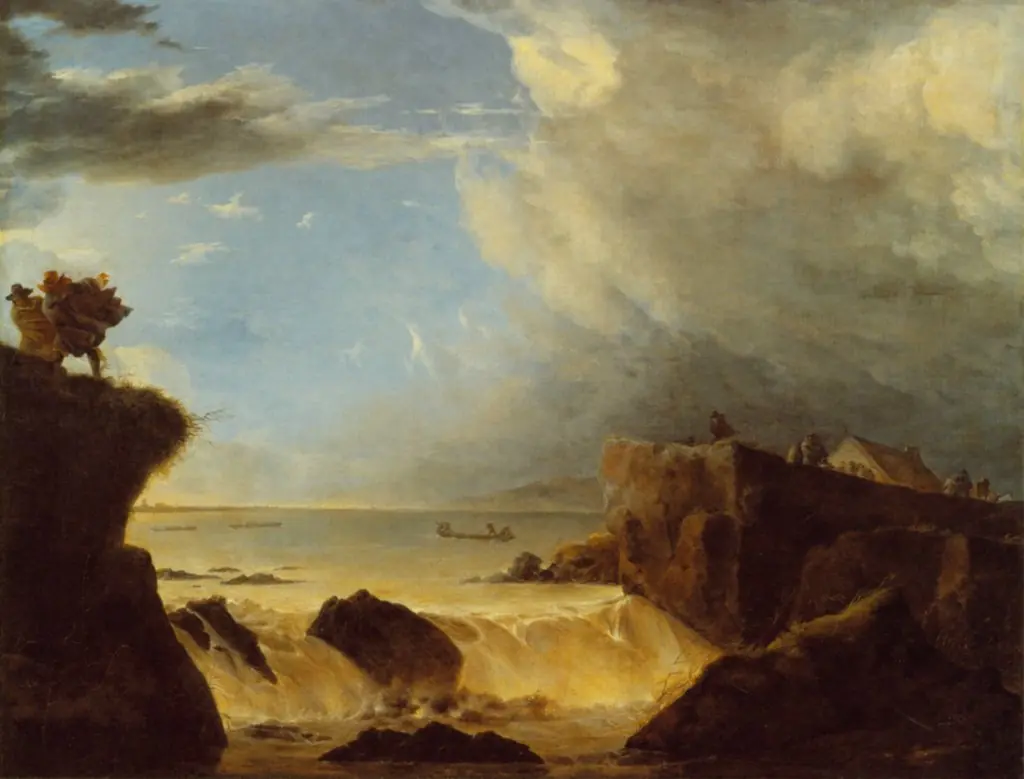 Breach of a Dyke by Storm Surge on March 5 1651
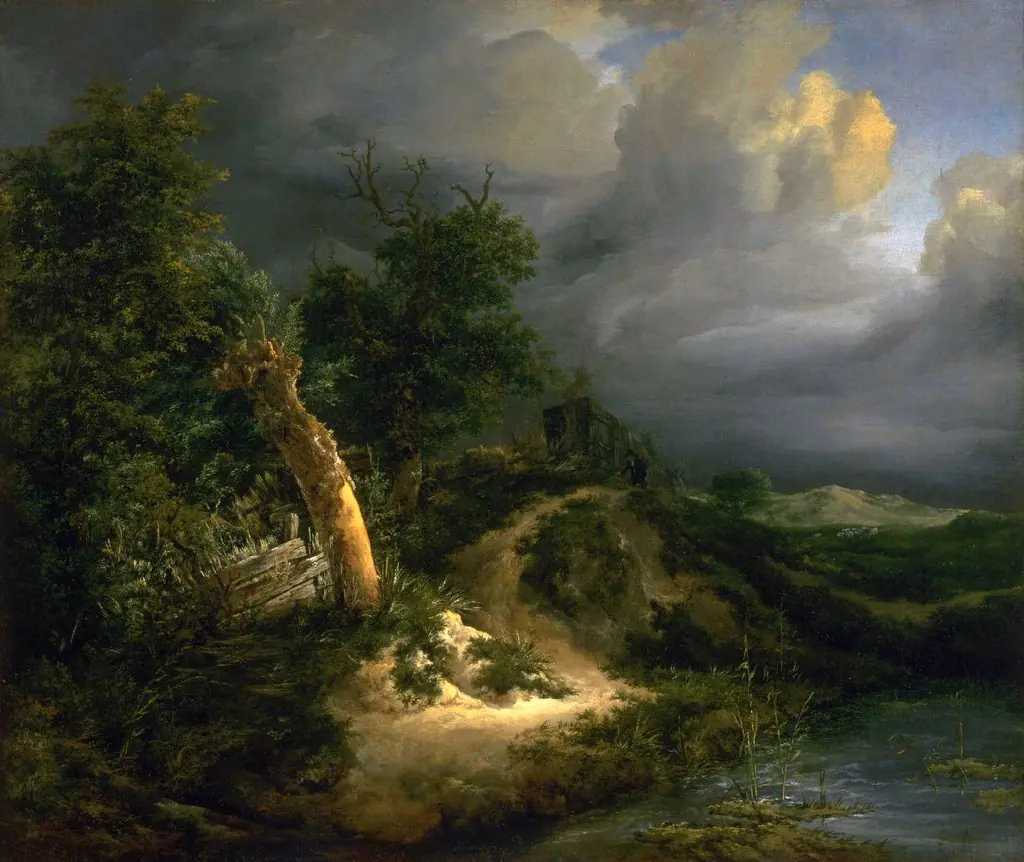 Storm on the Dunes
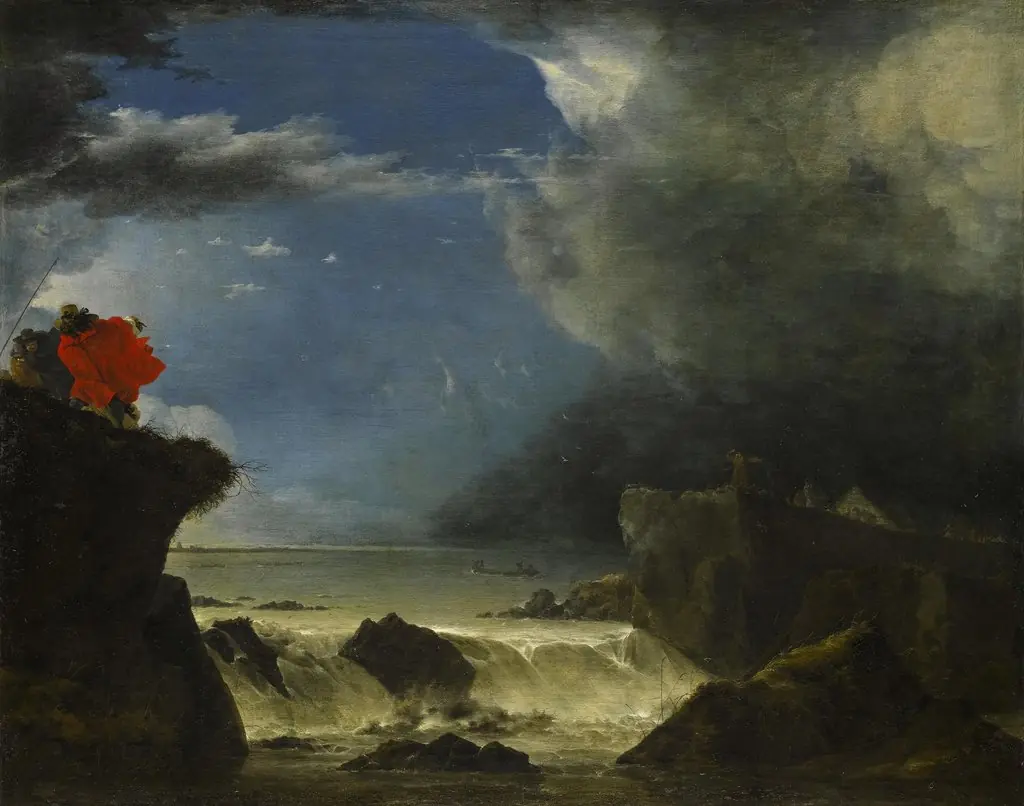 The Breach of the Sint Anthonisdijk on the Night of 5–6 March 1651
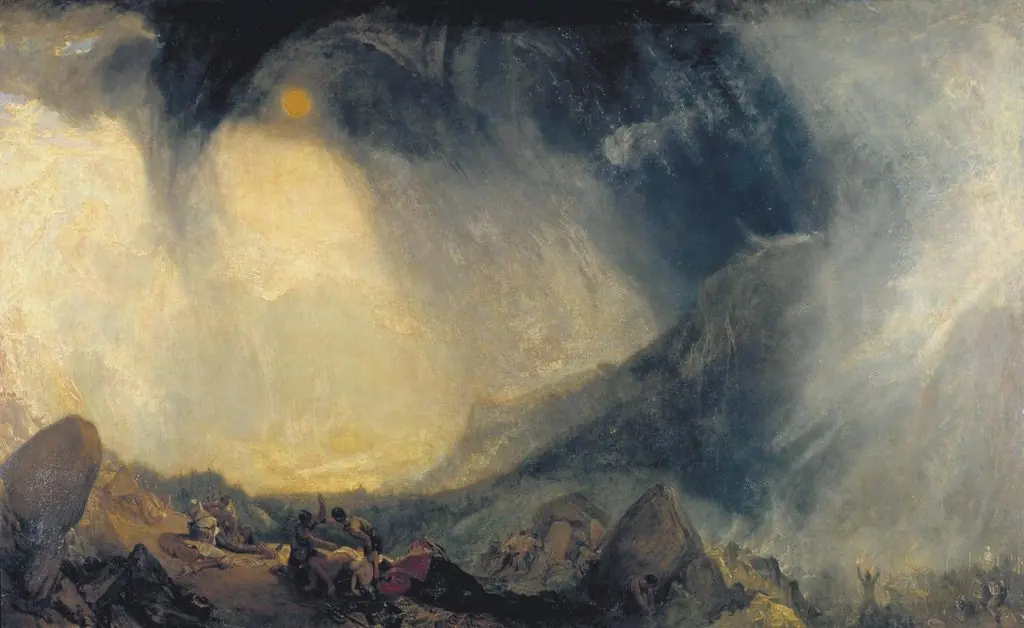 Snow Storm: Hannibal and his Army Crossing the Alps
 Storm at Sea and in the Air
 View from the Coast of Norway