Artwork
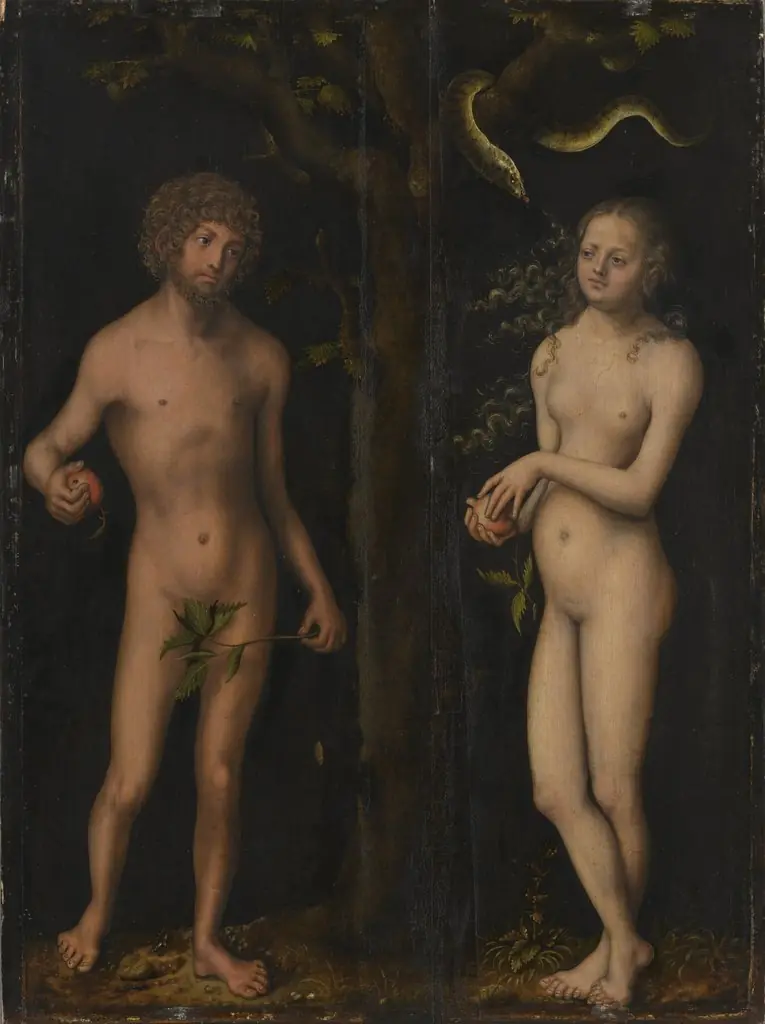
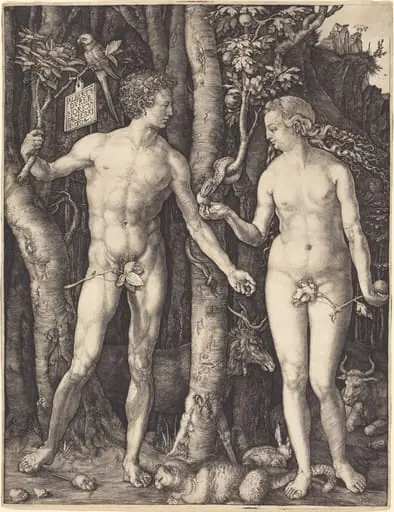
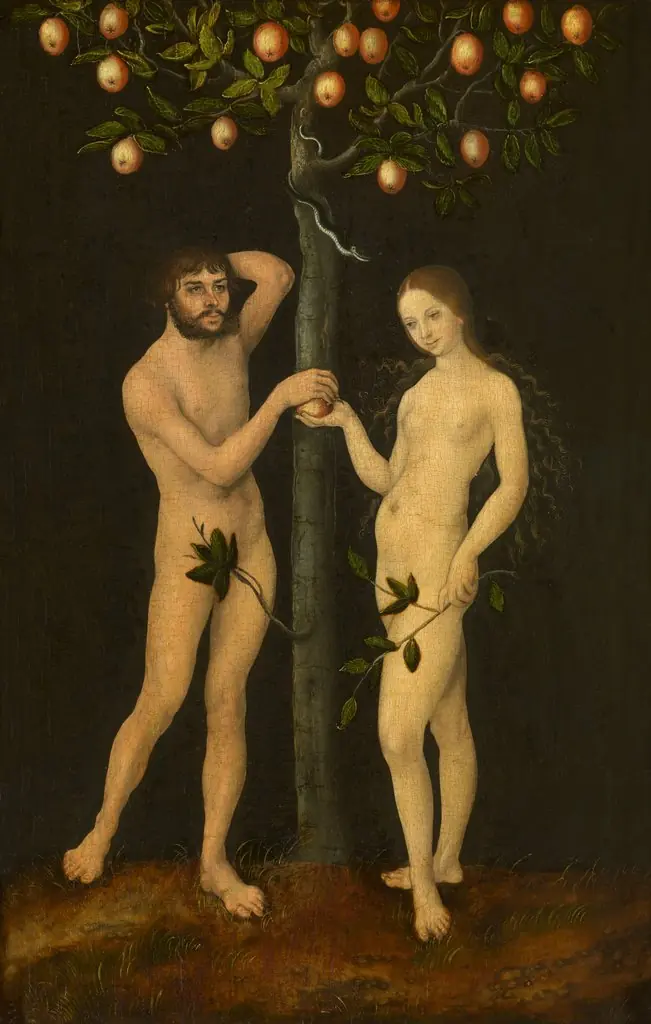
Adam and Eve
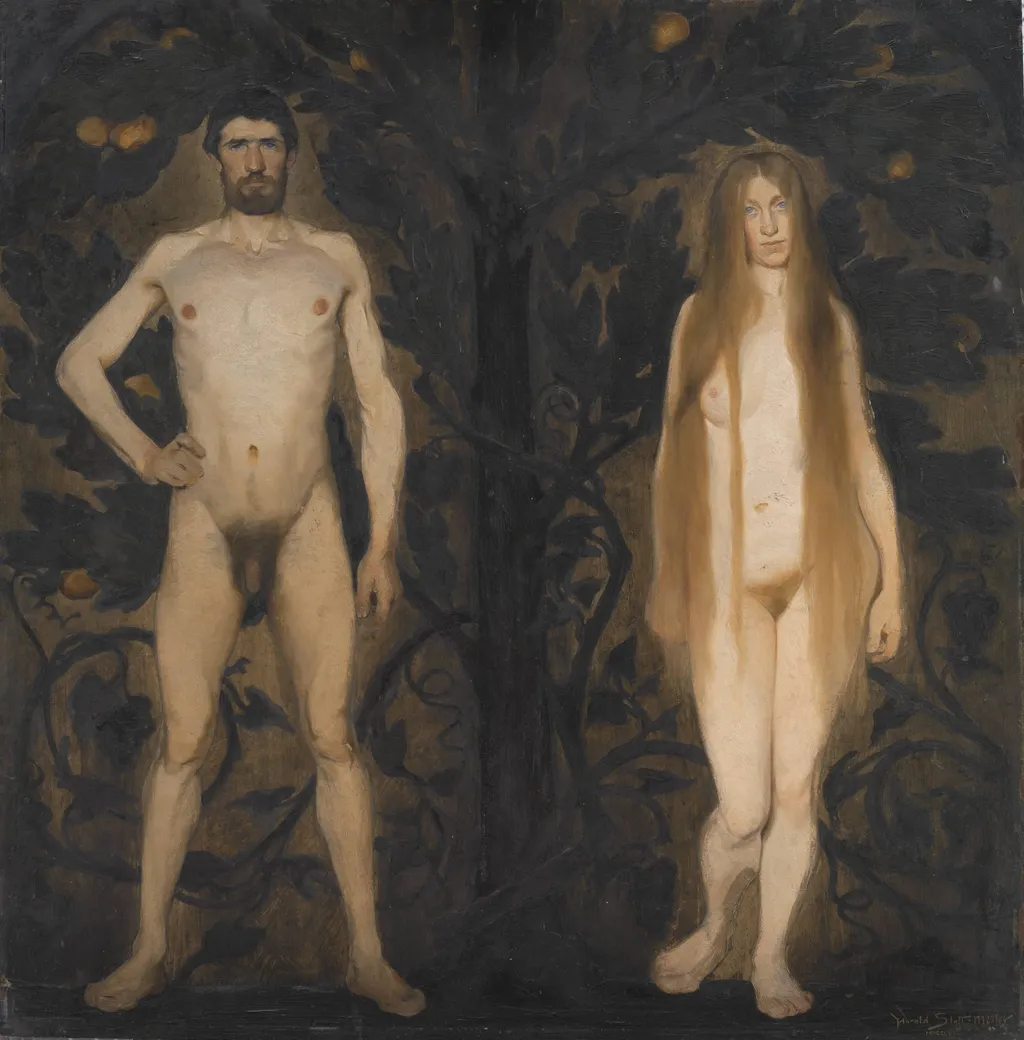
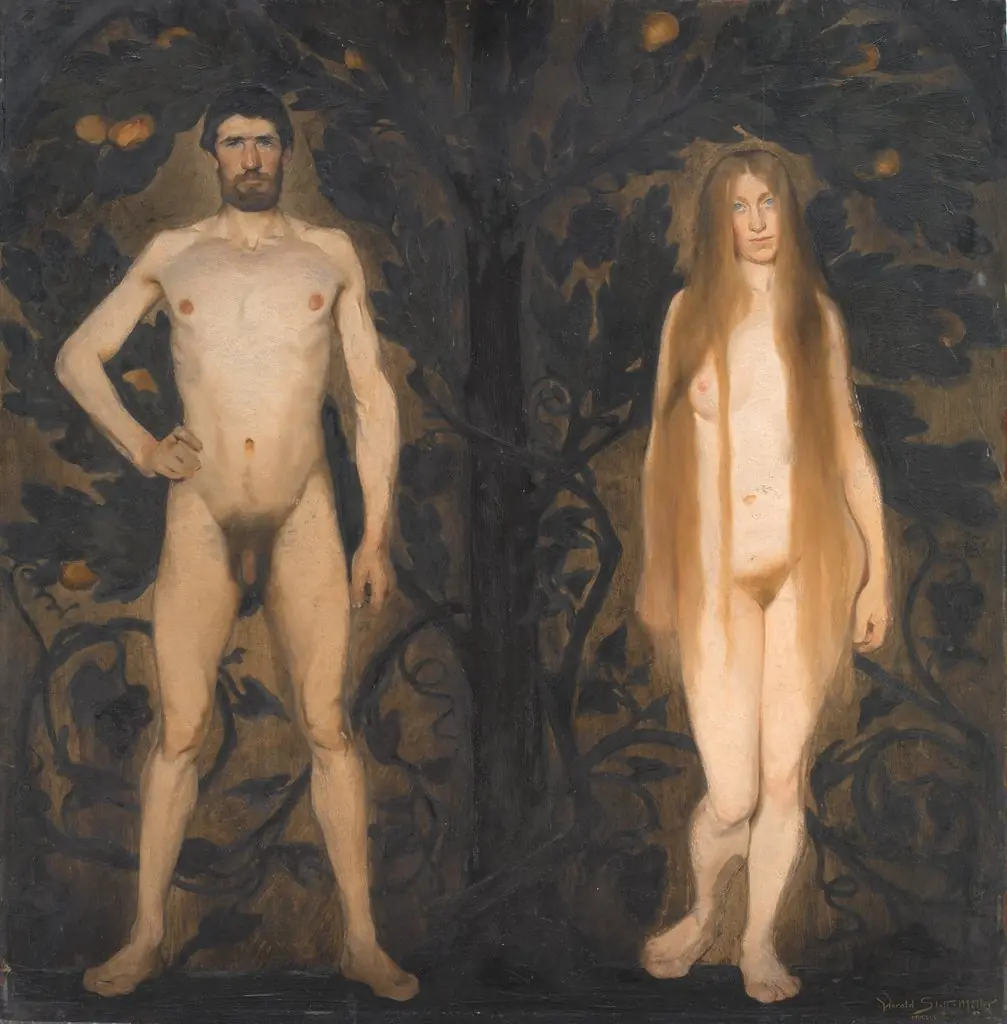
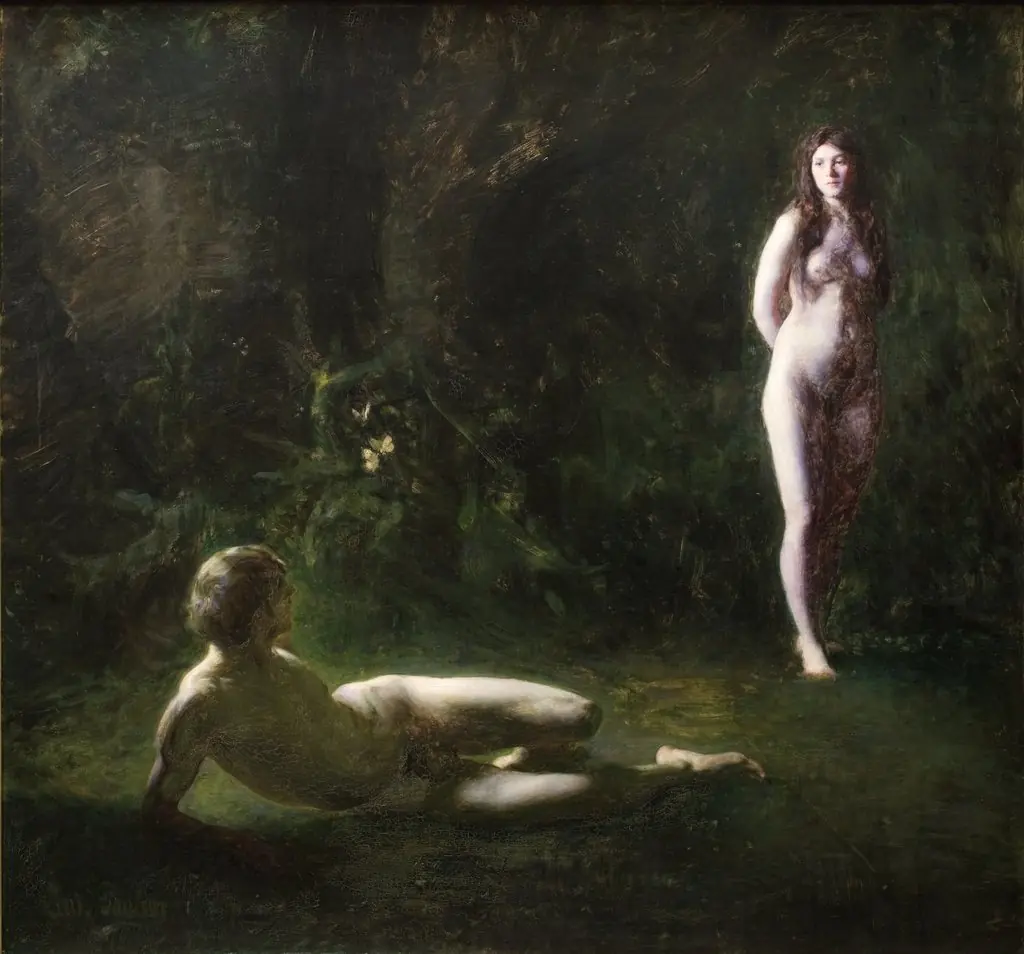
Adam and Eve is a photography by the Impressionist artist Unknown. It dates from 1891 and is held in the collection of the Statens Museum for Kunst.
About this work
Overview
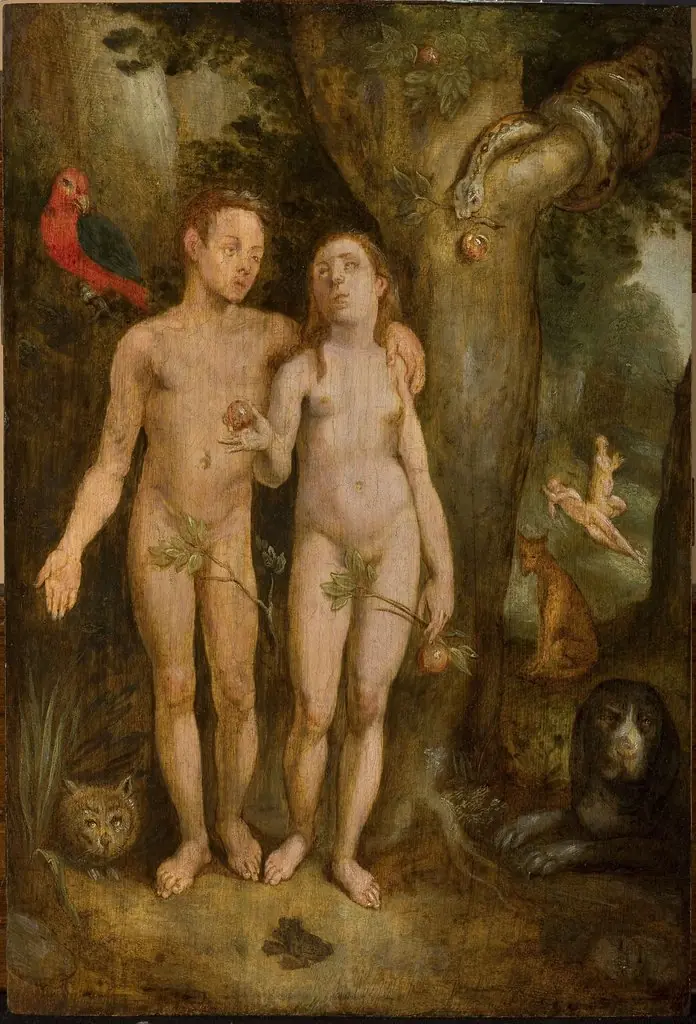
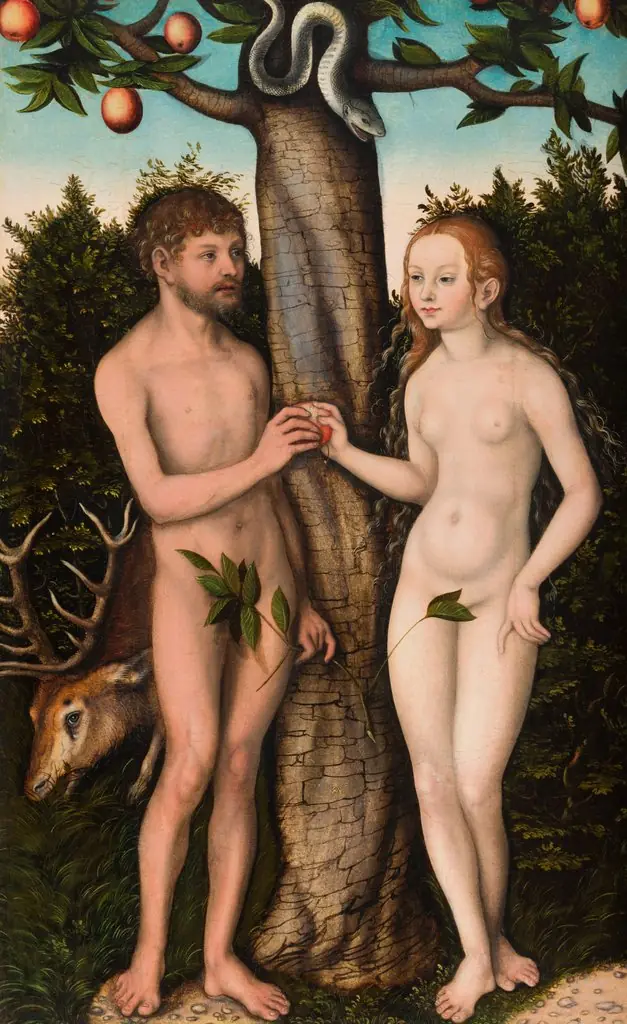
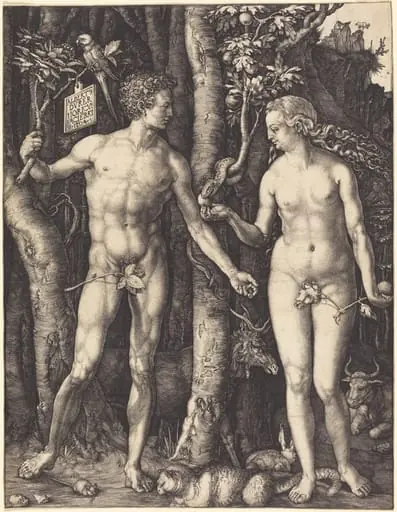
Painted in 1891 by 1009_person, this work depicts Adam and Eve in a non-idealized, intimate setting. Unlike traditional religious portrayals, the figures are rendered with quiet realism, standing side by side against a shadowed, vine-like background. The Museum of Ethnography holds the painting, reflecting its focus on human representation rather than mythological grandeur.
Subject & Meaning
The figures of Adam and Eve are presented without symbolic attributes or divine context. Their bare chests and relaxed postures suggest a moment of stillness after the fall, not punishment or shame. The absence of narrative cues shifts focus to their humanity, inviting contemplation of ordinary existence rather than theological drama.
Technique & Style
Soft, muted brushwork and subdued tones create a subdued atmosphere. The background, rendered as tangled, indistinct vines, blurs the boundary between figure and environment. The artist avoids idealized anatomy, emphasizing natural posture and texture, aligning with Realist principles that prioritize observed truth over artistic convention.
History & Provenance
The painting entered the collection of the Museum of Ethnography shortly after its creation. Its acquisition reflects the institution’s interest in depictions of human life across cultures and eras. No significant exhibition history or ownership changes are documented, suggesting a quiet, scholarly reception since its completion.
Context
Created during the height of Realism’s influence in European art, the work responds to a broader movement rejecting romanticized narratives. Artists turned to everyday subjects and unembellished forms. This painting aligns with that shift, treating biblical figures as human beings within a tangible, unadorned world.
Legacy
Though not widely reproduced, the painting contributes to late 19th-century efforts to reinterpret myth through a secular lens. Its quiet demeanor and focus on physical presence influenced later artists exploring identity and embodiment outside religious symbolism, particularly within ethnographic and realist traditions.
Artist & collection

 Domestic Scene
 Giacomo and Cardinal Marco, investing Andrea, Abbot of San Zeno, with his Benefice
 The Nymph of Fontainebleau
 Portrait of a Woman
 Madonna and Child with Saints in the Enclosed Garden
 Venus and Minerva
 Family Group of Four on Sofa
 Wall painting from Room H of the Villa of P. Fannius Synistor at Boscoreale