Artwork
Adam and Eve (Genesis 3:1-7)
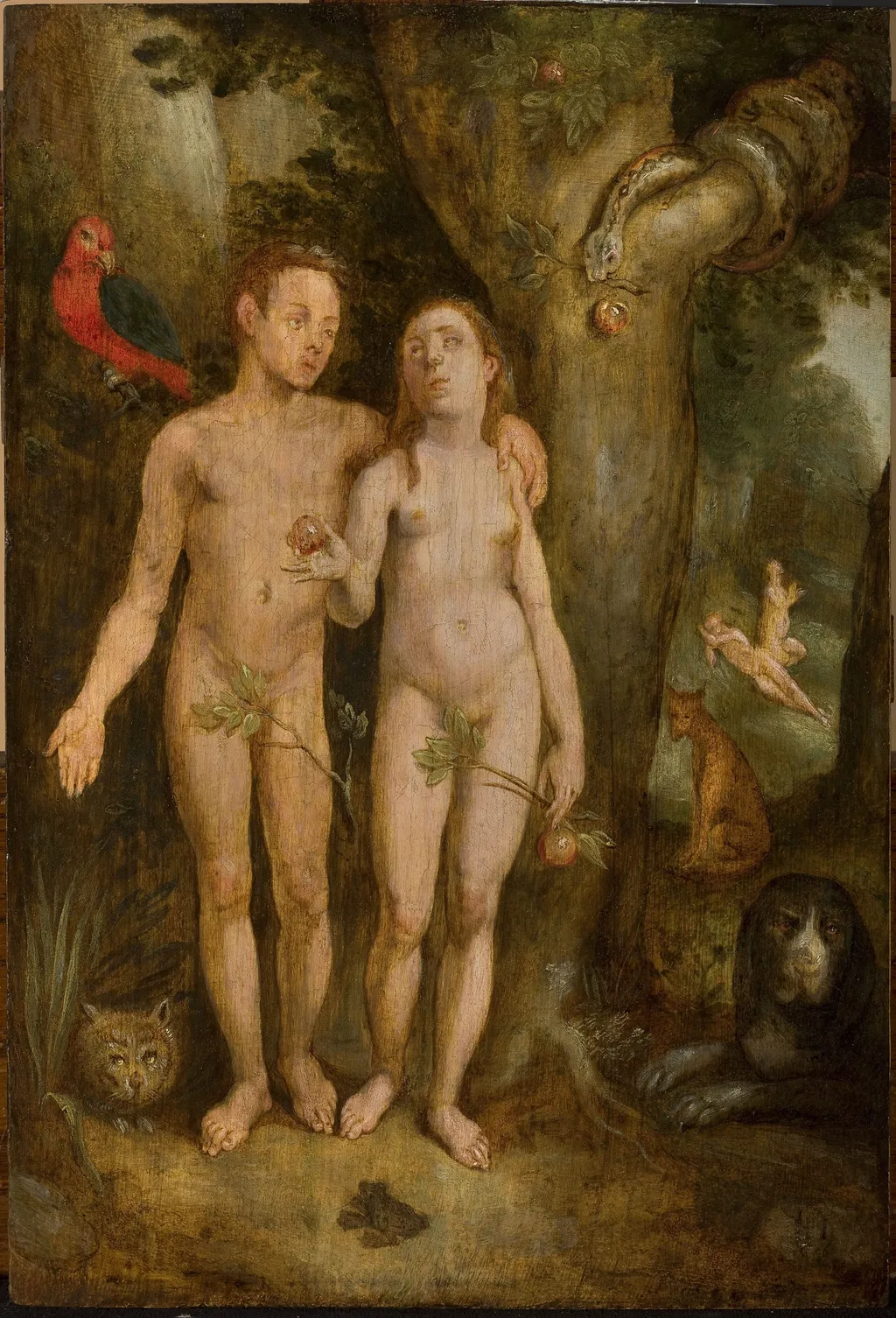
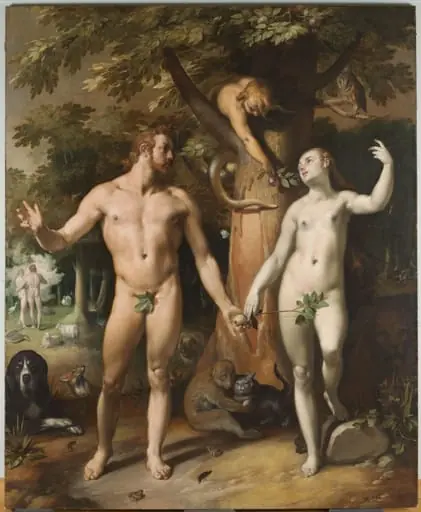
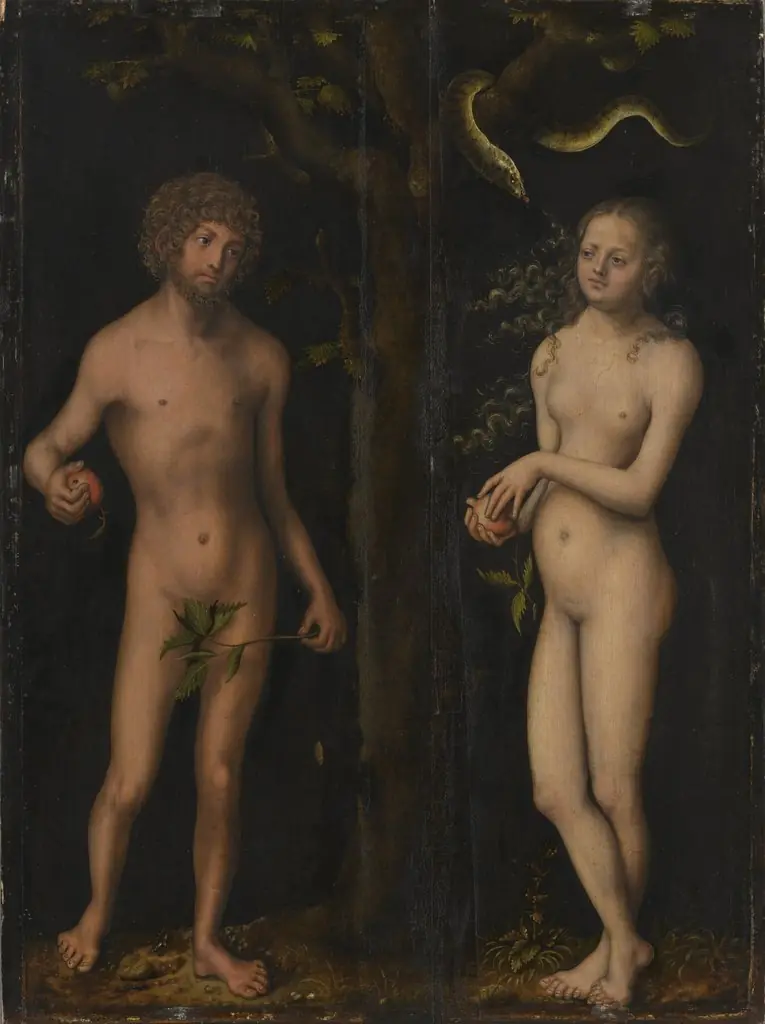
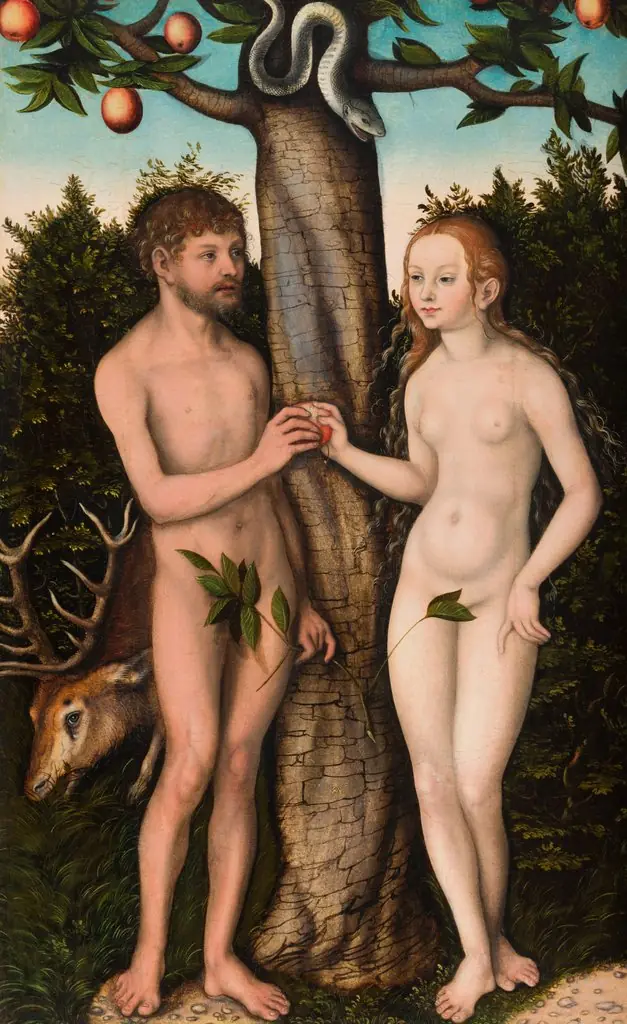
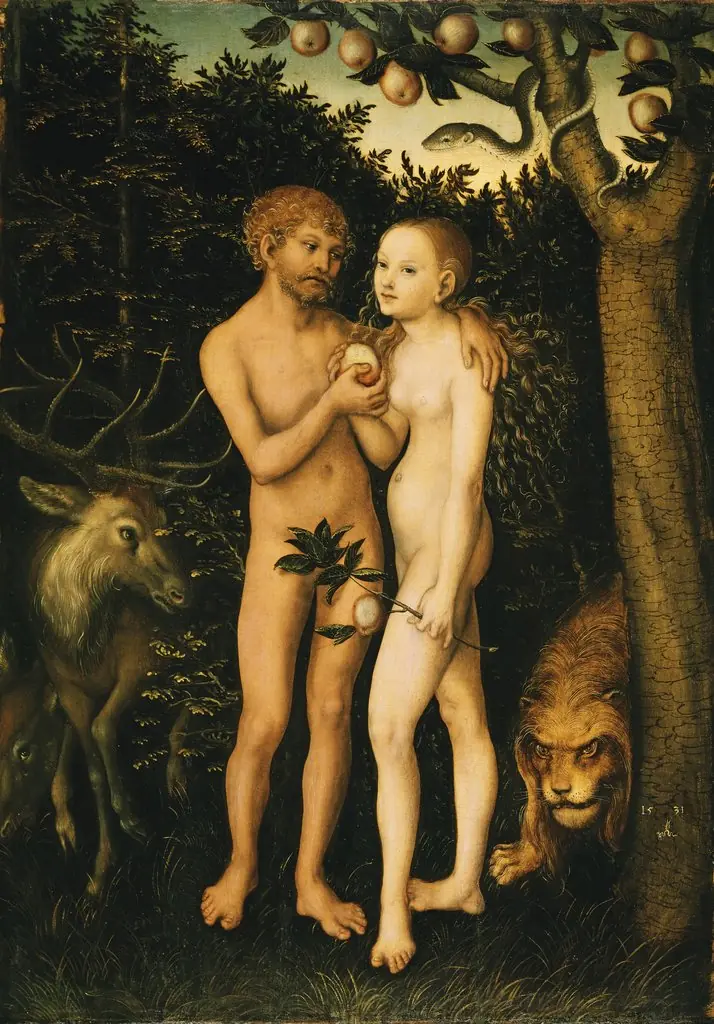
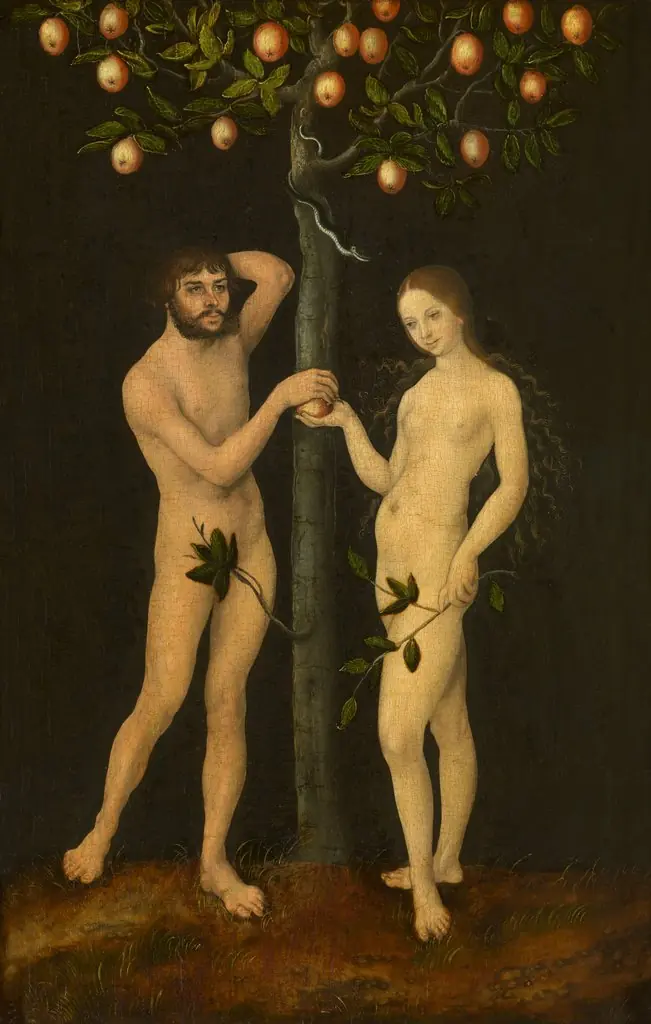
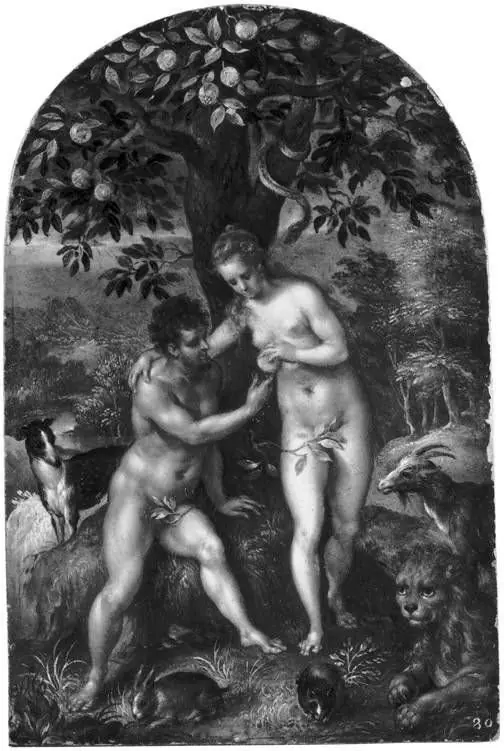
Adam and Eve (Genesis 3:1-7) is an oil painting by the Early Baroque Italian artist Cornelis van Haarlem. It dates from 1616 and is held in the collection of the National Museum in Warsaw.
About this work
Overview
Adam and Eve (Genesis 3:1-7) is a 1616 oil painting by Cornelis van Haarlem, a prominent Northern Mannerist artist. The work, part of the Dutch Golden Age, depicts the biblical narrative of Adam and Eve’s fall from grace in an early Baroque style.
Subject & Meaning
The painting illustrates the pivotal moment from Genesis 3:1-7 where Adam and Eve succumb to temptation. The composition conveys the narrative’s emotional gravity through the figures’ poses and the surrounding natural setting, laden with symbolic elements such as the fruit-bearing branch.
Technique & Style
Employing early Baroque conventions, van Haarlem utilizes chiaroscuro to create a stark contrast between the warm, softly lit skin tones of the figures and the darker, shaded forest backdrop. This technique enhances the dramatic intensity of the scene.
History & Provenance
Created in 1616, the painting is now part of the National Museum in Warsaw’s collection, highlighting its enduring presence in European cultural heritage.
Context
As a Northern Mannerist work, Adam and Eve reflects van Haarlem’s influence on figure composition and portraiture, situating it within the broader artistic transitions of the early 17th century.
Own this work as a print
Artist & collection
Artist
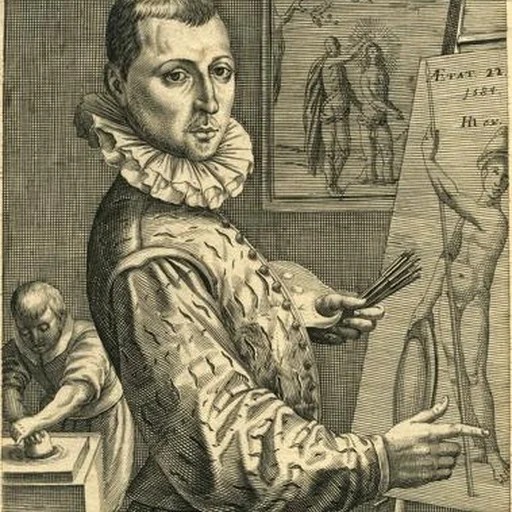
Cornelis Corneliszoon van Haarlem (Dutch: ; 1562 – 11 November 1638) was a Dutch Golden Age painter and draughtsman, one of the leading Northern Mannerist artists in the Netherlands, and an important forerunner of Frans Hals as a…