Artwork
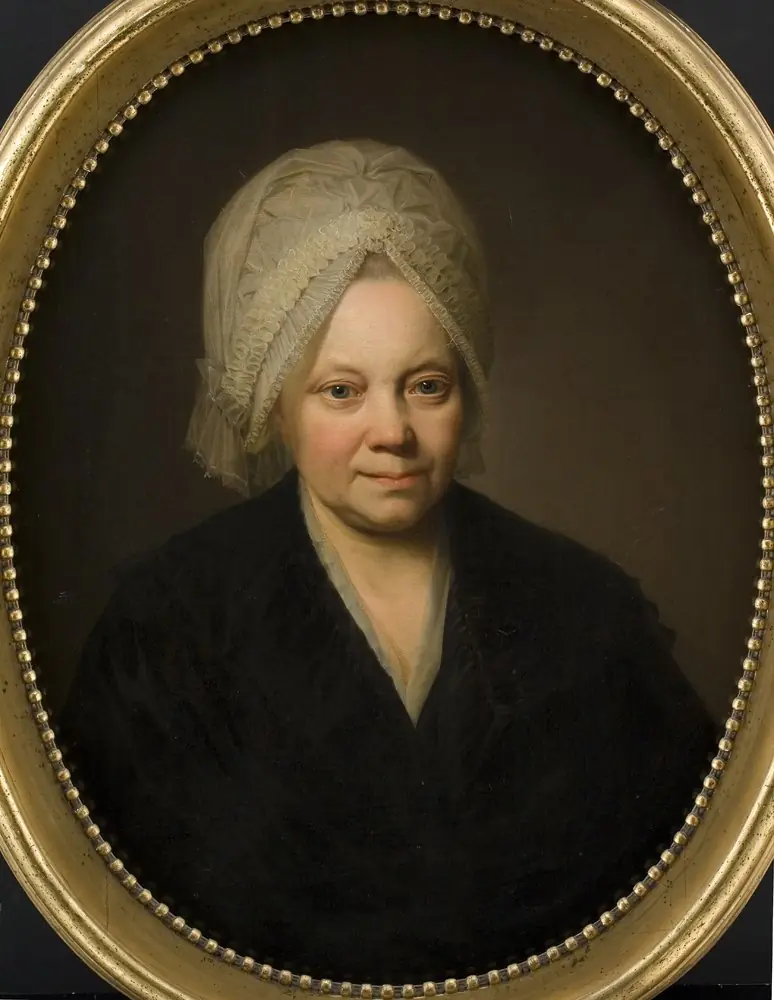
Ane Margrethe Abildgaard, f. Bastholm. Maleren N.A. Abildgaards moder
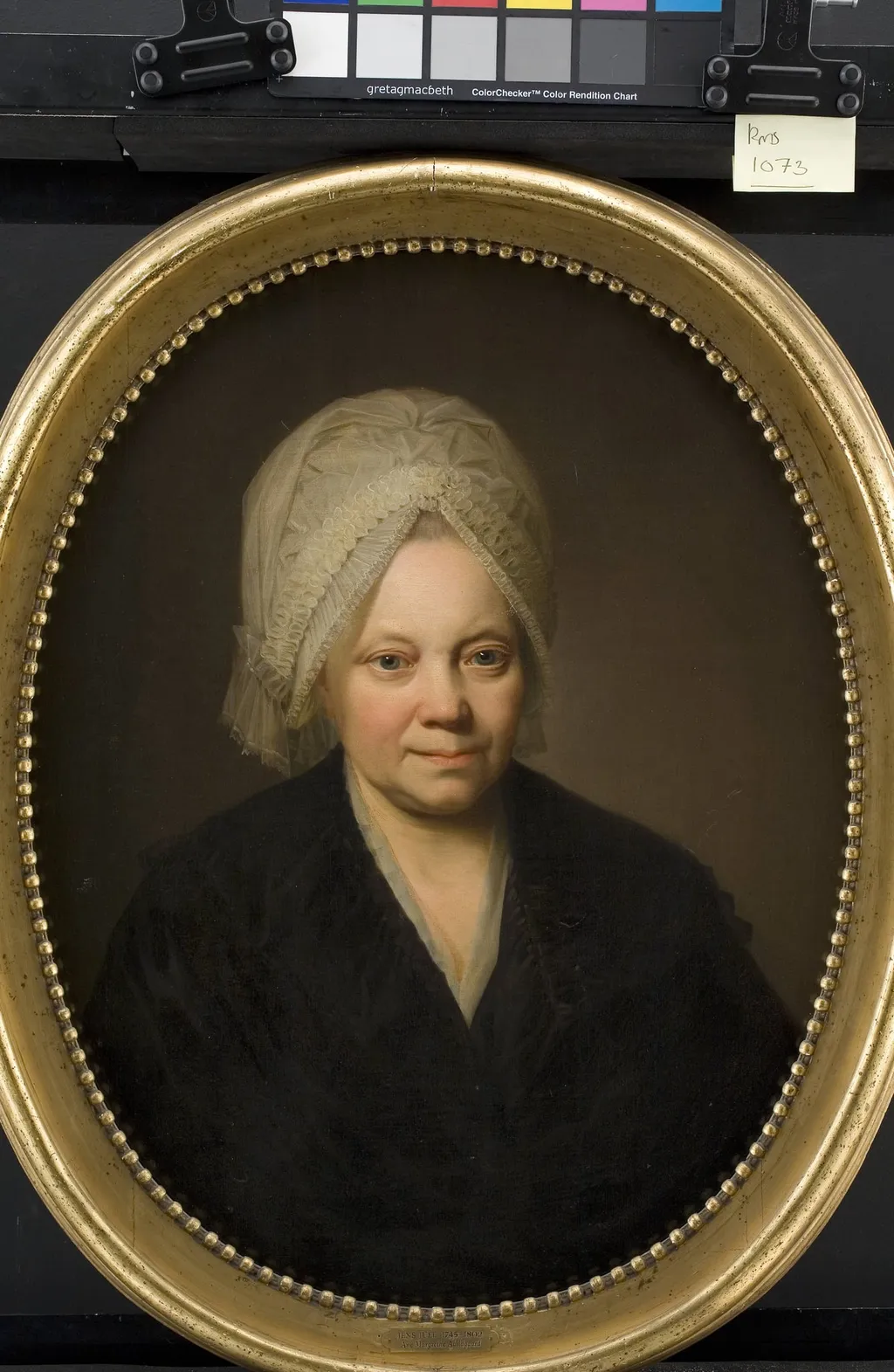
Ane Margrethe Abildgaard, f. Bastholm. Maleren N.A. Abildgaards moder is a photography by Unknown. It dates from 1750 and is held in the collection of the Statens Museum for Kunst. This portrait depicts Ane Margrethe Abildgaard, née Bastholm, mother of the Danish painter Nicolai Abildgaard.
About this work
Overview
Created around 1750, the work is attributed to an anonymous artist, likely a professional portraitist of the period.
This portrait depicts Ane Margrethe Abildgaard, née Bastholm, mother of the Danish painter Nicolai Abildgaard. Created around 1750, the work is attributed to an anonymous artist, likely a professional portraitist of the period. It is held in the collection of the Museum of Ethnography, where it is displayed within an ornate oval frame, emphasizing its status as a personal and familial artifact rather than a public commission.
Subject & Meaning
The sitter, an elderly woman, is portrayed with quiet dignity. Her white bonnet and dark jacket reflect modest, middle-class attire of mid-18th-century Denmark. The neutral expression and direct gaze suggest a deliberate effort to convey presence and character rather than emotion. The painting functions as a memorial or familial record, preserving the likeness of a matriarch within a lineage of cultural significance.
Technique & Style
The artist employs a restrained palette dominated by dark tones, with careful lighting to highlight the face and collar. Brushwork is precise, particularly in rendering the texture of fabric and the soft folds of the bonnet. The oval format and gold-accented frame follow conventions of portraiture from the period, framing the subject with formality while drawing focus to her features through contrast and illumination.
History & Provenance
The painting entered the Museum of Ethnography’s collection as part of a broader effort to document Danish domestic life and familial heritage. Its origins trace to the Abildgaard family, likely passed down through generations before institutional acquisition. The handwritten note above the frame, though undated, may be a later addition, offering contextual or genealogical information not originally intended by the artist.
Context
In mid-18th-century Denmark, portraiture of non-noble individuals was uncommon outside family circles. This work reflects a growing middle-class interest in preserving personal identity through art. While Nicolai Abildgaard later gained prominence as a neoclassical painter, this portrait of his mother predates his career and illustrates the domestic artistic culture that may have influenced his development.
Legacy
The portrait endures as a quiet testament to the role of women in sustaining artistic lineages. Though unsigned and uncelebrated in its time, it provides insight into the domestic environment that shaped one of Denmark’s notable painters. Its preservation in a museum setting underscores its value as a historical document, offering a glimpse into private life beyond official narratives.
Artist & collection

 Domestic Scene
 Giacomo and Cardinal Marco, investing Andrea, Abbot of San Zeno, with his Benefice
 The Nymph of Fontainebleau
 Portrait of a Woman
 Madonna and Child with Saints in the Enclosed Garden
 Venus and Minerva
 Family Group of Four on Sofa
 Wall painting from Room H of the Villa of P. Fannius Synistor at Boscoreale
 Portrait of a woman in a red scarf
 Cecilie Marie Elisabeth Schouw, f. Bagge, Poul Johan Schouws hustru
 Anne Cockburn, Lady Inglis (died 1772)
 Portret van een vrouw met een zwarte sjaal
 An Elderly Lady in a Mauve Silk Dress
 Țărancă sârboaică din 1851
 Old Woman with a Muff
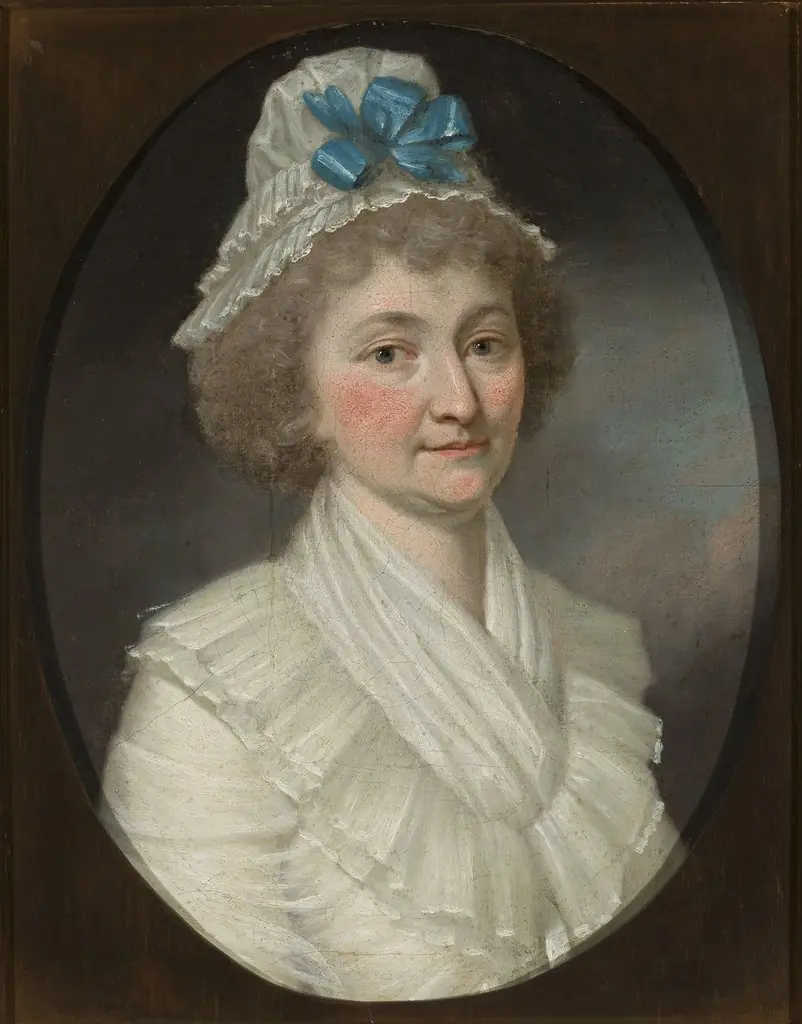 Portrait of Magdalena Węglińska
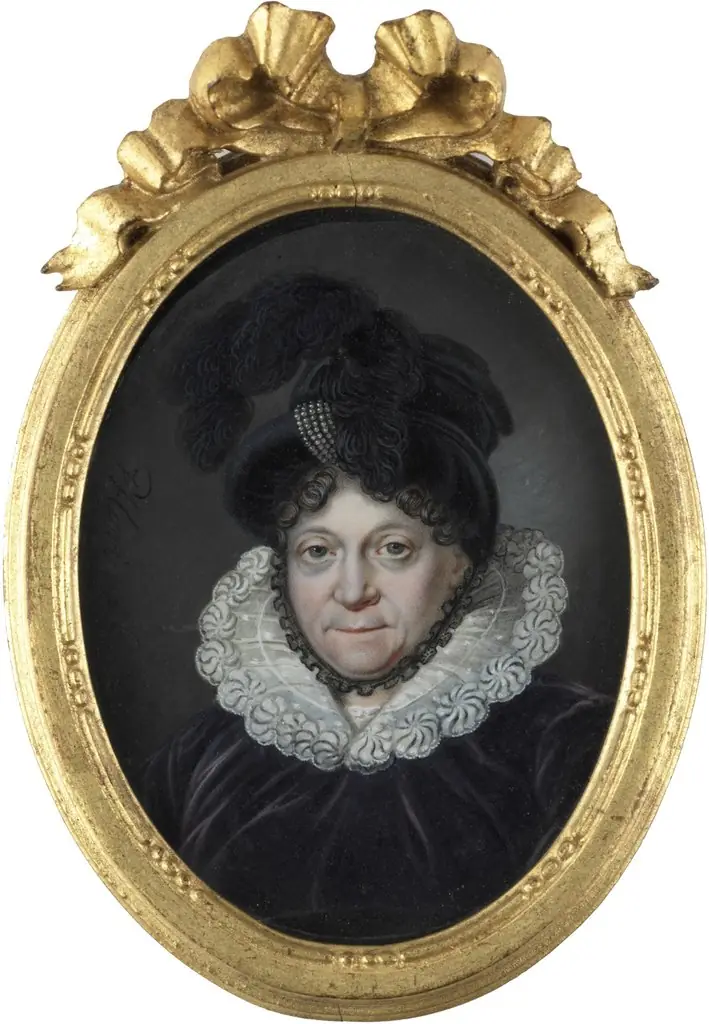 Portrait of Wilhelmina van Pruisen (1751-1820)
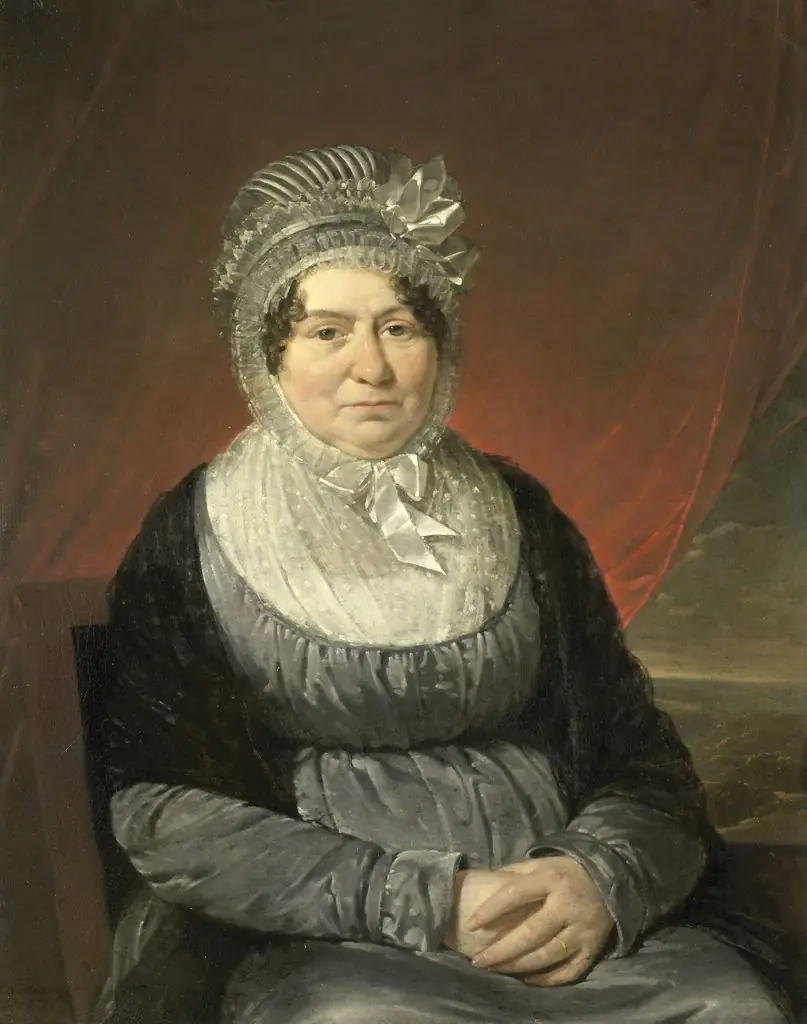 Portrait of Mrs. Brak-Haskenhoff
 Portræt af jomfru Nissen
 Ane Margrethe Abildgaard, f. Bastholm. Maleren N.A. Abildgaards moder