Artwork
Țărancă sârboaică din 1851
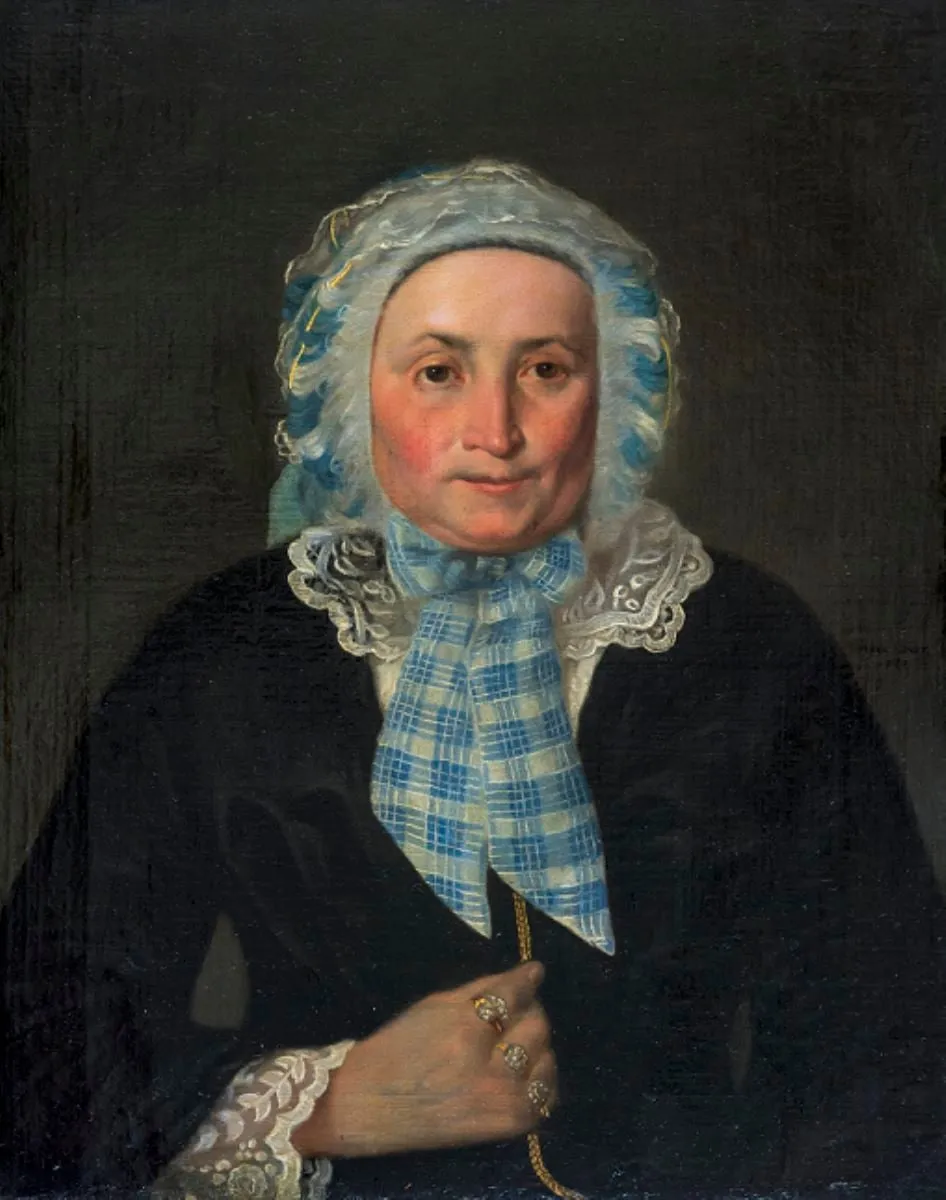
Țărancă sârboaică din 1851 is a print by Konstantin Daniel. It is held in the collection of the Timișoara National Museum of Art. This 1851 portrait depicts a Serbian peasant woman rendered in detailed oil on canvas.
About this work
Overview
The work is part of the Museum of Ethnography’s collection, where it serves as a record of regional dress and daily life in the mid-19th century Balkans.
This 1851 portrait depicts a Serbian peasant woman rendered in detailed oil on canvas. The figure is centered against a dark, undefined background, emphasizing her presence and attire. The work is part of the Museum of Ethnography’s collection, where it serves as a record of regional dress and daily life in the mid-19th century Balkans. The artist, Konstantin Daniel, focused on ethnographic realism, capturing cultural specificity without idealization.
Subject & Meaning
The woman portrayed is likely from rural Serbia, identifiable by her traditional garments: a dark jacket with lace edging and a folded headscarf. Her grip on a rope suggests a connection to labor, possibly agricultural or domestic work. Her expression is composed and unsmiling, reflecting the gravity of everyday existence rather than romanticized folk imagery. The image conveys dignity through restraint, avoiding theatricality in favor of authenticity.
Technique & Style
Konstantin Daniel employed fine brushwork to render the textures of fabric, lace, and fiber with precision. The dark background isolates the figure, heightening attention to the intricate patterns of her clothing. Lighting is even and subdued, avoiding dramatic contrast. The composition is frontal and static, prioritizing ethnographic clarity over narrative or emotional drama. This method aligns with early documentary approaches in 19th-century portraiture.
History & Provenance
Painted in 1851, the work entered the collection of the Museum of Ethnography in the late 19th or early 20th century, likely through state-sponsored cultural documentation efforts. It was not widely exhibited outside academic or ethnographic circles until later. Its survival and preservation reflect institutional interest in material culture during a period of national identity formation in the Balkans.
Context
In the 1850s, Serbia was emerging from Ottoman rule, and efforts to define a distinct national identity included cataloging regional customs and dress. Artists like Konstantin Daniel contributed to this movement by recording everyday people in their traditional attire. Such works were used in schools and public exhibitions to foster cultural awareness, positioning folk life as a foundation of national heritage.
Legacy
The painting remains a reference for scholars studying Balkan textile traditions and 19th-century ethnographic art. While not widely known outside museum circles, it exemplifies a quiet, observational approach to cultural documentation that predates modern anthropology. Its value lies in its unembellished representation of a specific time, place, and person, preserved without romantic distortion.
Artist & collection
Artist
Konstantin Daniel made religious and portrait prints and paintings in mid-19th-century Serbia.
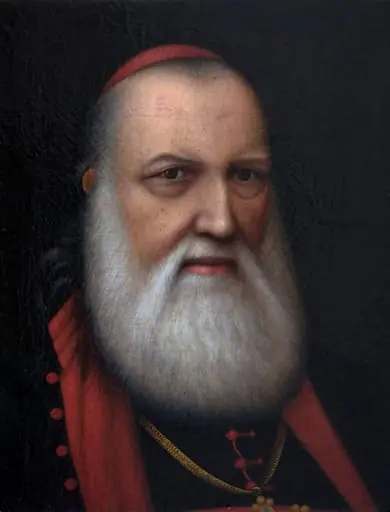
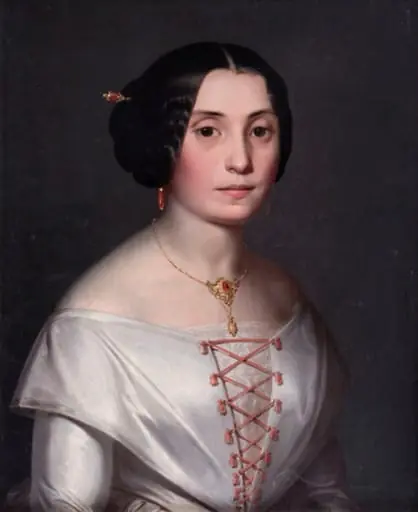
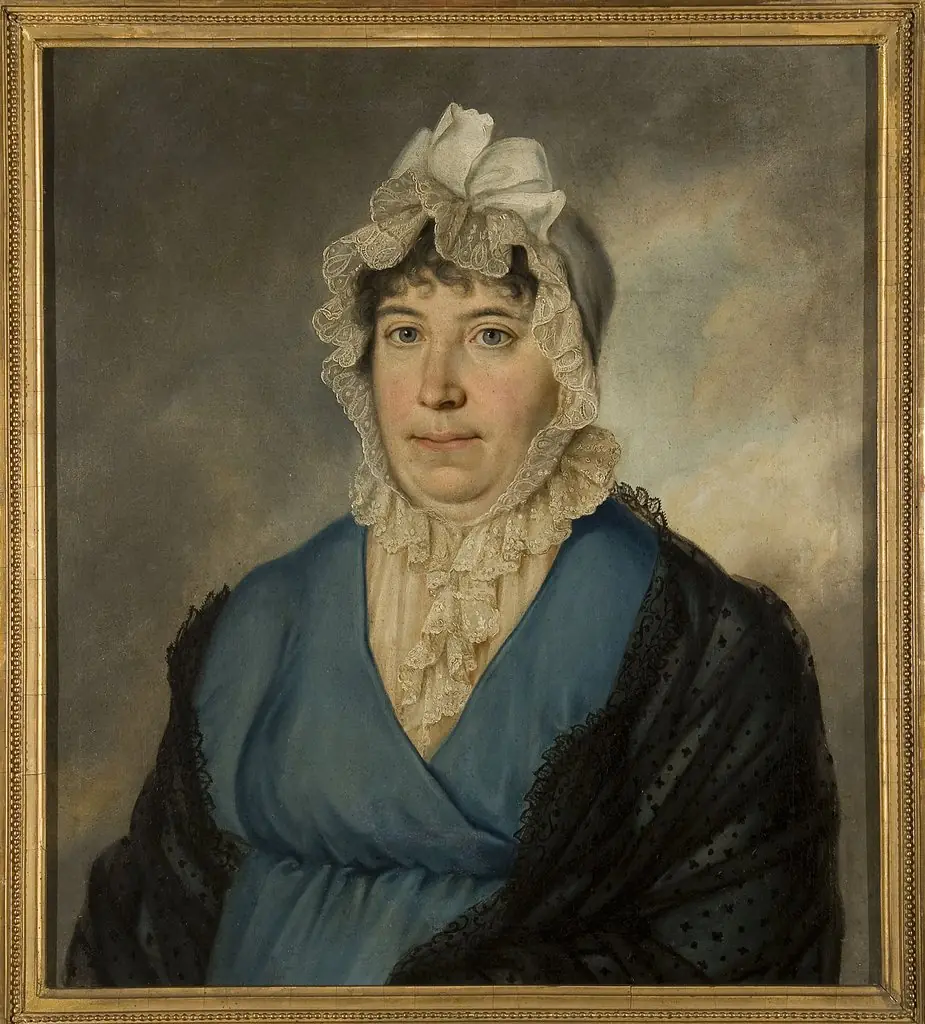 Portrait of Mrs. Luboradzka /?/
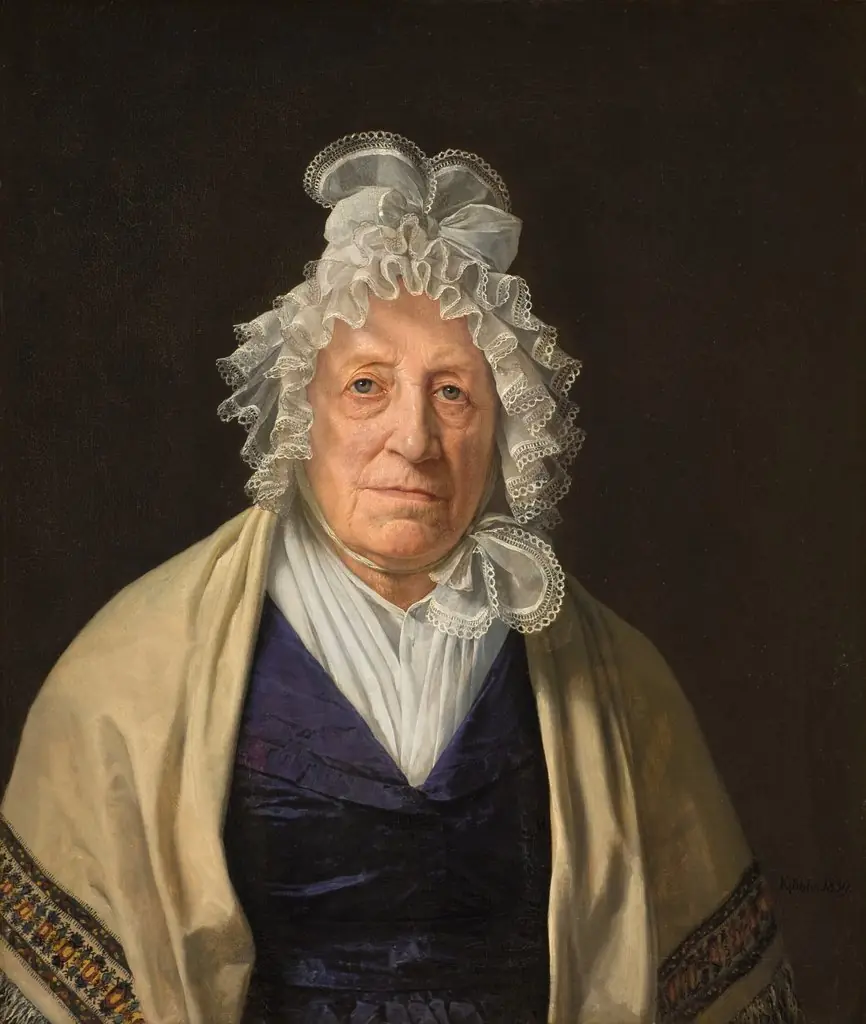 Fru Lindam, f. Goos, enke efter superkargo Lindam i Ostindien
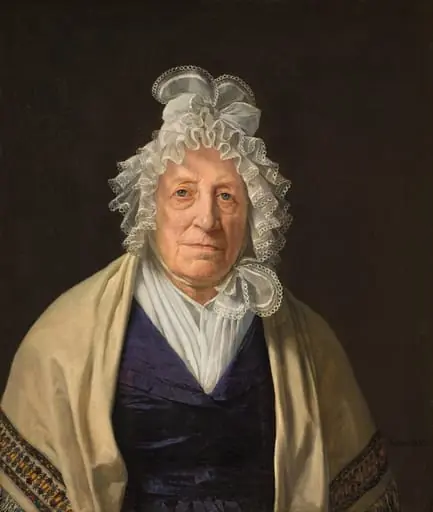 Fru Lindam, f. Goos, enke efter superkargo Lindam i Ostindien
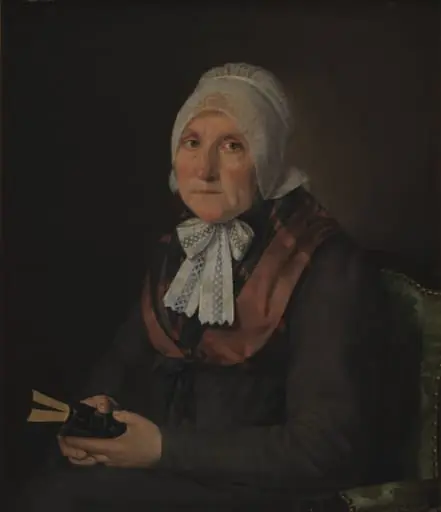 Maria Magdalena Jensen, née Jessen, the Artist's Mother
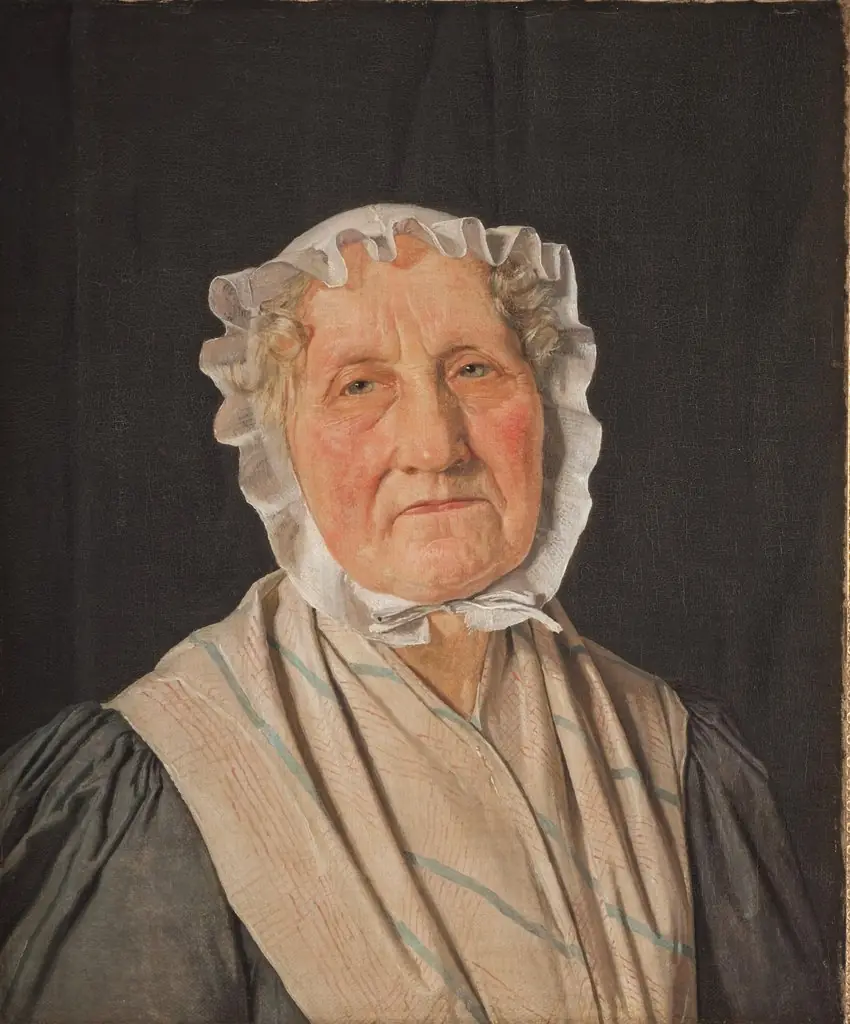 Portrait of Inger Margrethe Høyen, née Schrøder, the Mother of the Art Historian N.L. Høyen
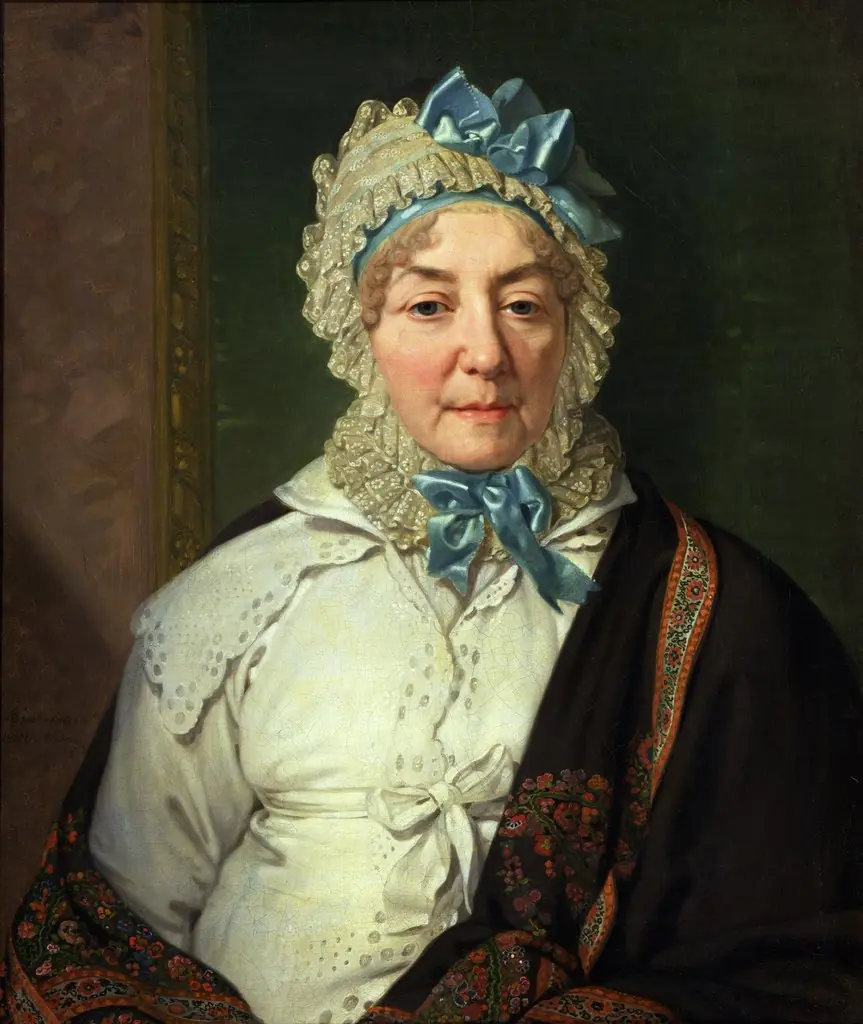 Porträt der Ye. A. Arkharova
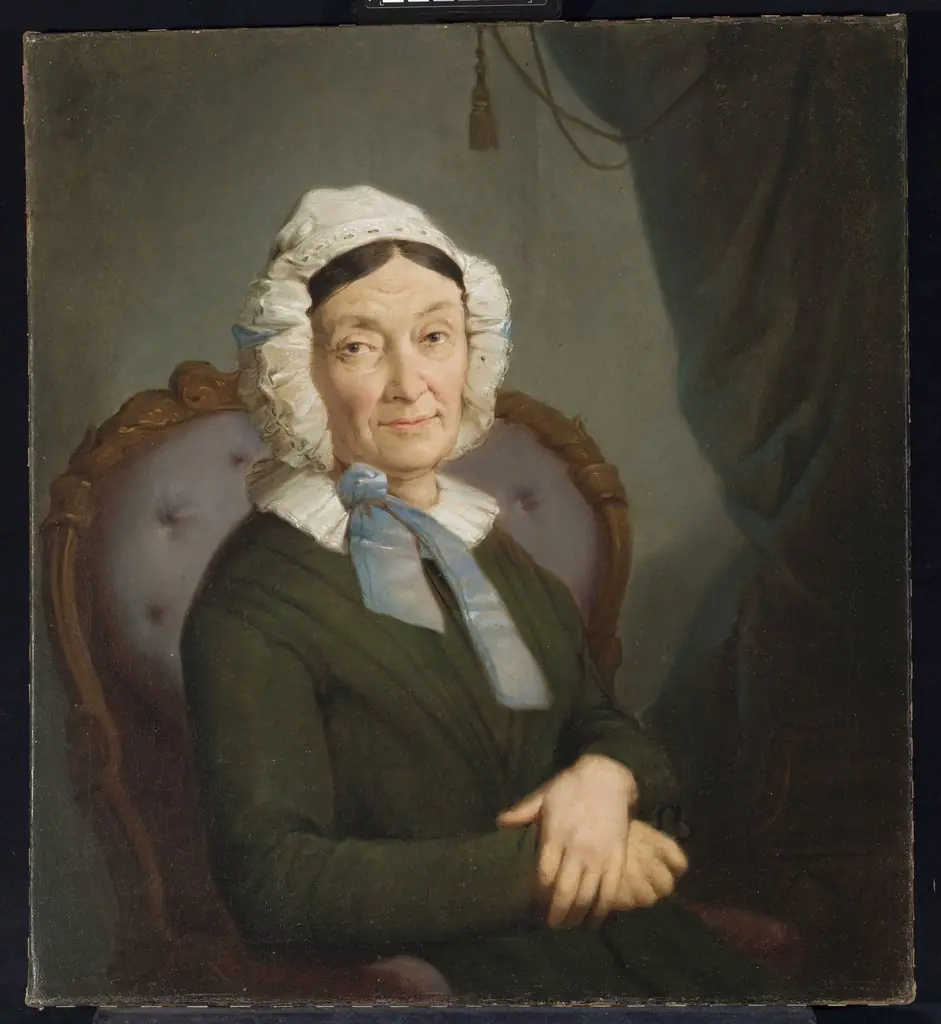 Portrait of Anna Kurpiewska née Olszakiewicz
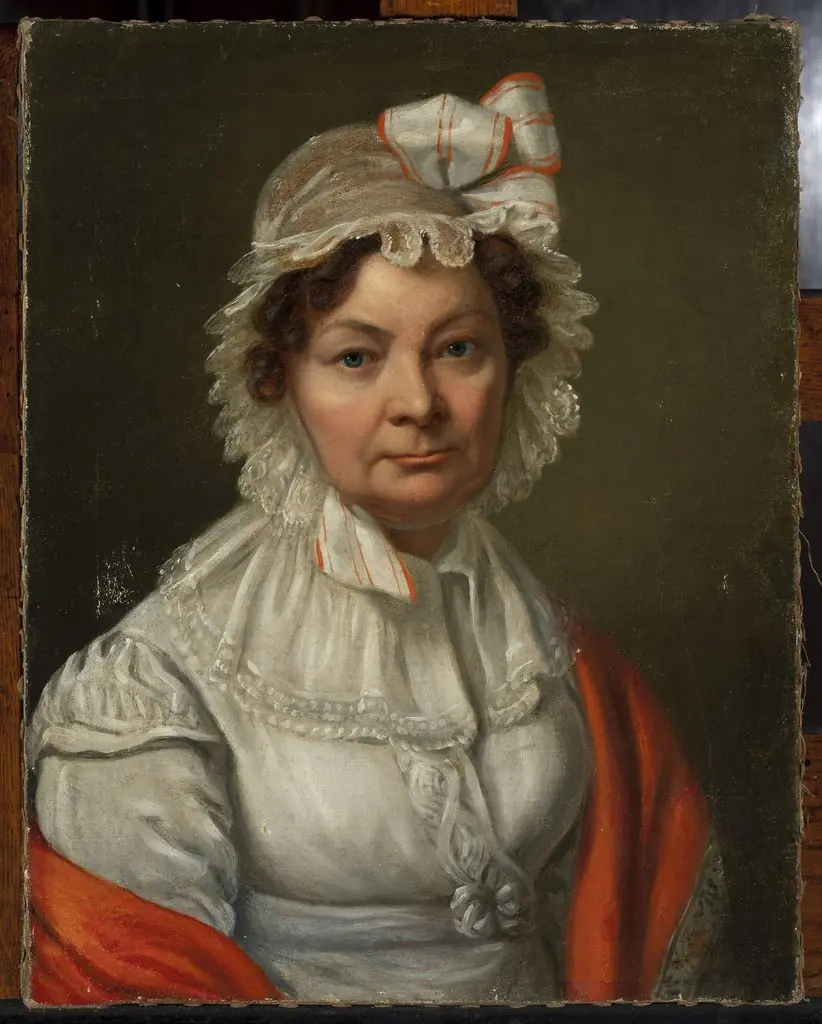 Portrait of a woman in a red scarf
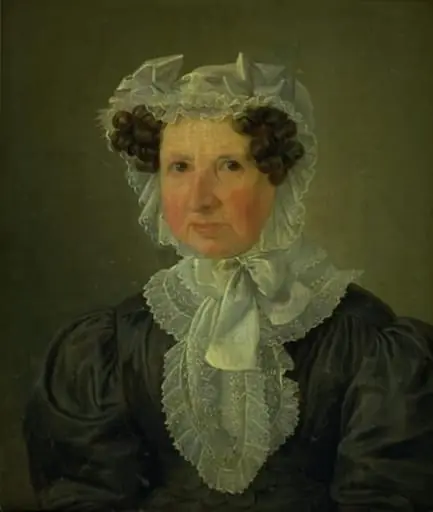 Portræt af jomfru Nissen
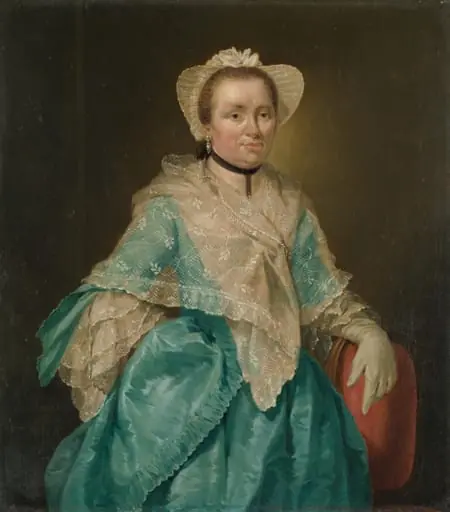 Portrait of Elisabeth Troost (1730-1790)
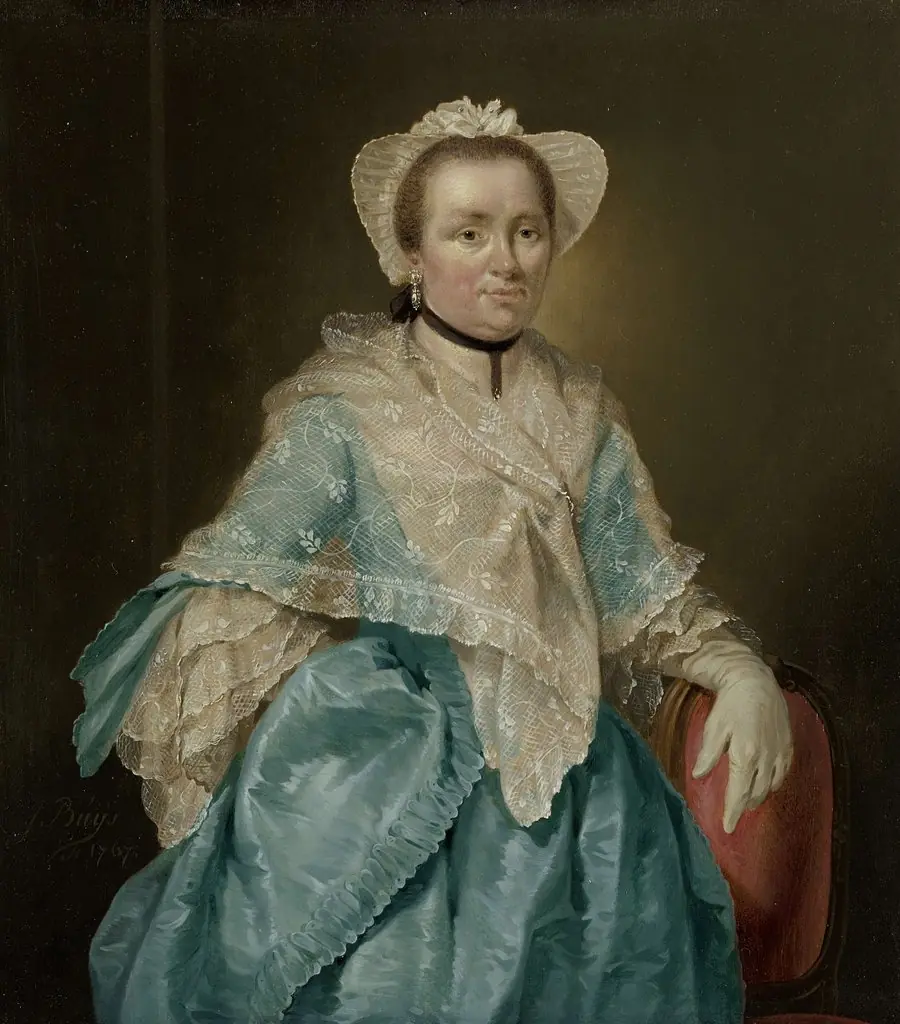 Portrait of Elisabeth Troost (1730-1790)
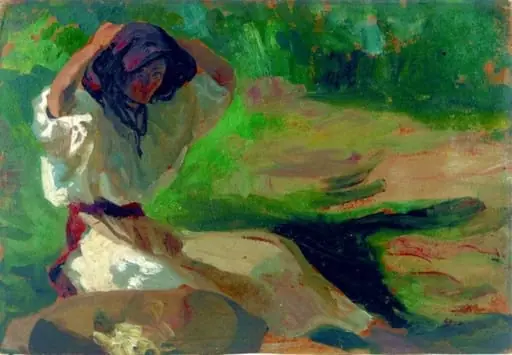 Țărancă în grădină