Artwork
Portrait of Mrs. Luboradzka /?/
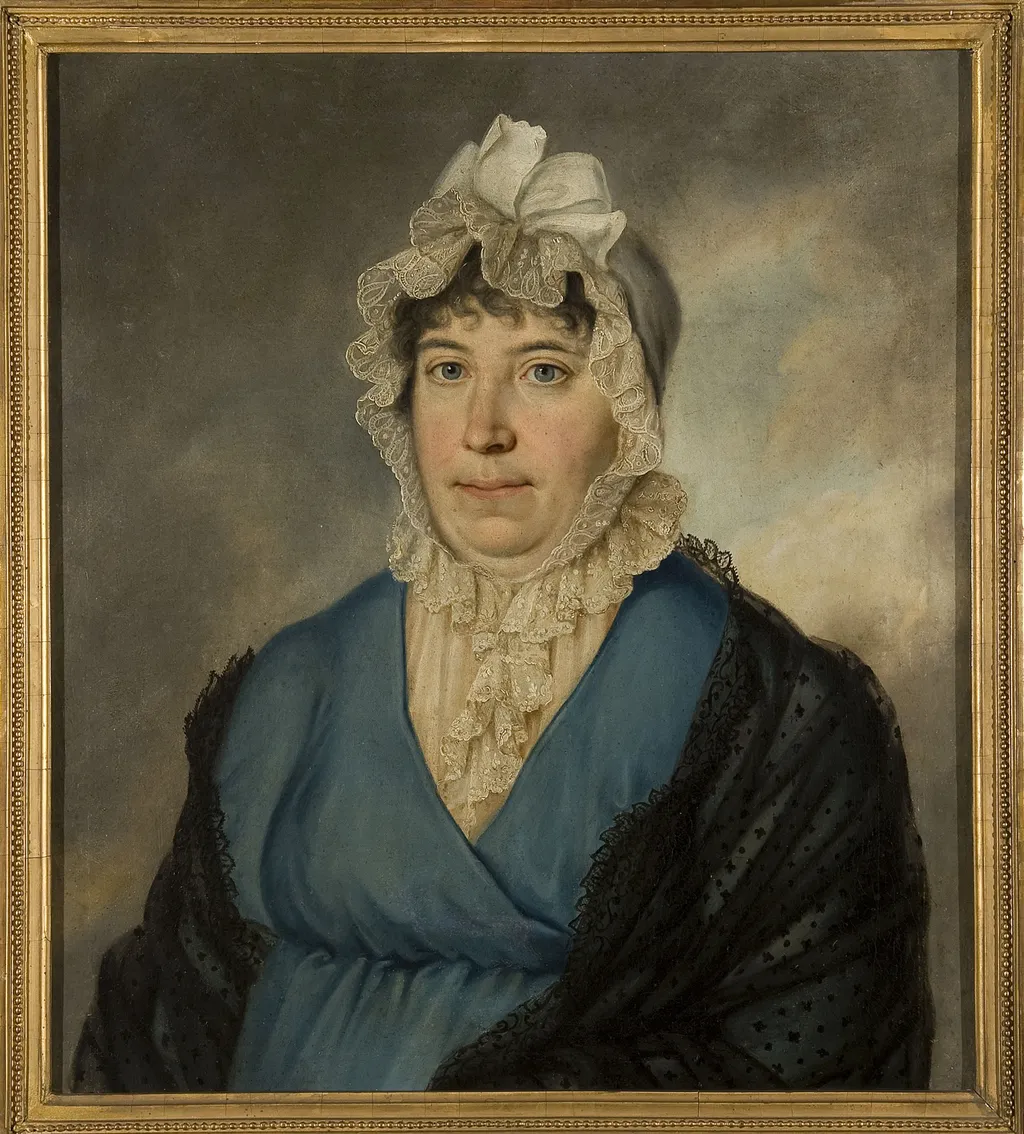
Portrait of Mrs. Luboradzka /?/ is an oil painting by the Neoclassicist artist Maciej Topolski. It dates from 1809 and is held in the collection of the National Museum in Warsaw.
About this work
Overview
Painted in 1809 by Maciej Topolski, this oil portrait depicts a woman identified as Mrs. Luboradzka. The work is part of the collection at the National Museum in Warsaw. Rendered with quiet precision, the composition focuses on the sitter’s presence against a neutral grey background, emphasizing her attire and expression without decorative distraction.
Subject & Meaning
Her attire—a deep blue dress and a white lace bonnet tied beneath the chin—suggests modest yet refined social standing.
The subject, Mrs. Luboradzka, gazes directly at the viewer with a subtle smile, conveying a sense of composed dignity. Her attire—a deep blue dress and a white lace bonnet tied beneath the chin—suggests modest yet refined social standing. The direct gaze and restrained expression reflect conventions of early 19th-century portraiture, where inner character was conveyed through stillness rather than theatricality.
Technique & Style
Topolski employed oil paint to achieve soft transitions in skin tones and fabric textures. The blue dress is rendered with layered pigments to suggest depth, while the lace bonnet is delicately detailed with fine brushwork. The plain grey background isolates the figure, directing attention to her facial features and the quiet interplay of light across her clothing and hair.
History & Provenance
The painting entered the National Museum in Warsaw’s collection in the 19th century, though its exact acquisition details remain undocumented. It has remained in public custody since, with no record of significant ownership changes. Its survival through periods of political upheaval underscores its status as a preserved example of Polish portraiture from the early Romantic era.
Context
Created during the Partitions of Poland, this portrait reflects a cultural effort to maintain national identity through private and domestic imagery. While grand historical scenes dominated public art, intimate portraits like this one offered a space for individual dignity and familial memory. Topolski, active in Warsaw’s artistic circles, contributed to this quiet tradition of civic portraiture.
Legacy
The portrait stands as a representative work of early 19th-century Polish portraiture, notable for its restraint and psychological subtlety. Though Topolski is not widely known outside regional art histories, this painting continues to be studied for its technical clarity and its reflection of social norms among the Polish gentry during a time of national fragmentation.
Artist & collection
Artist
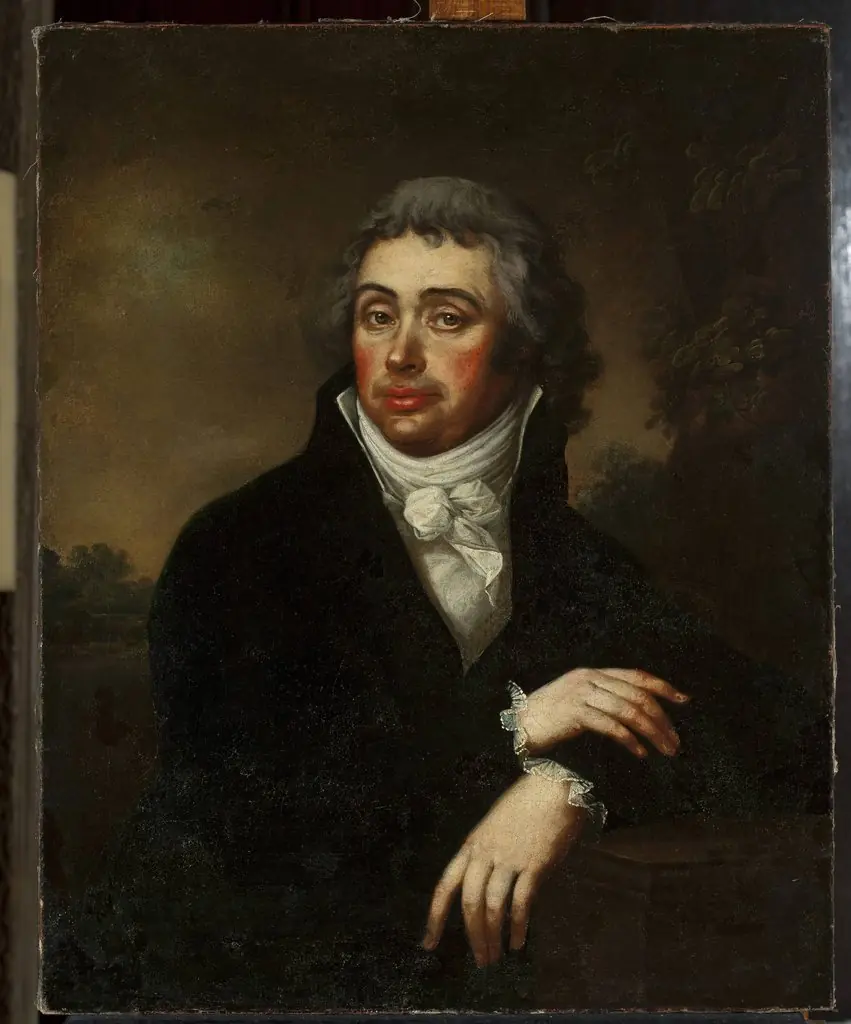
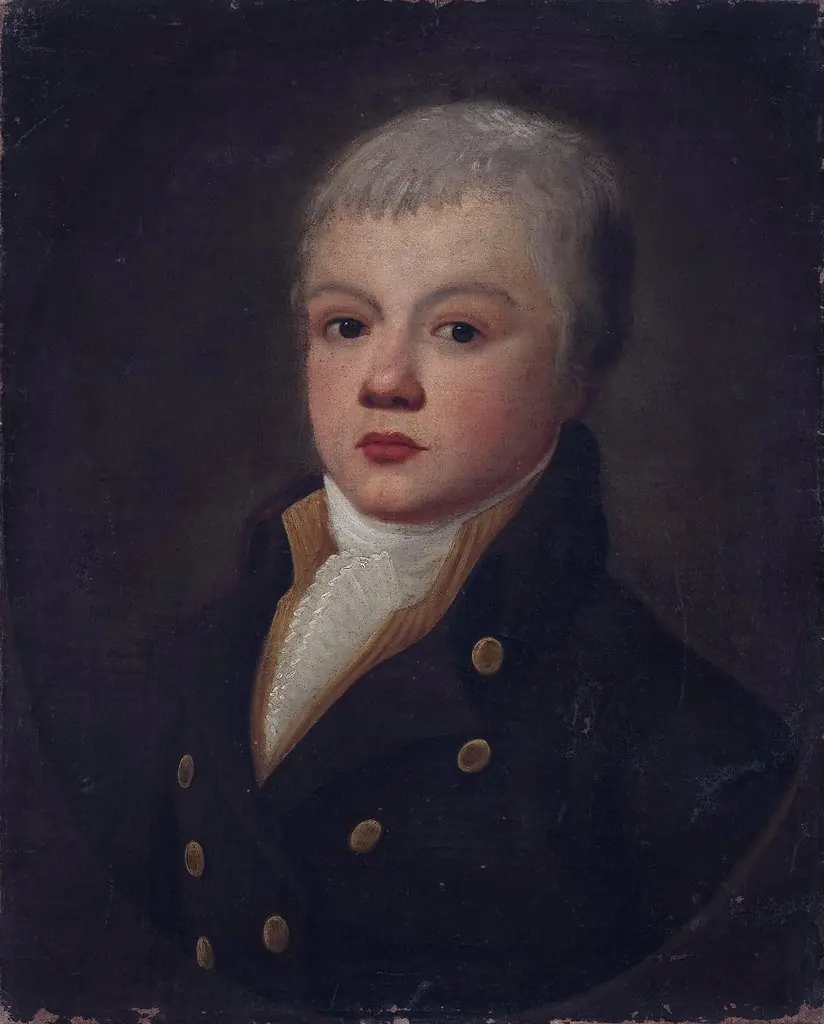
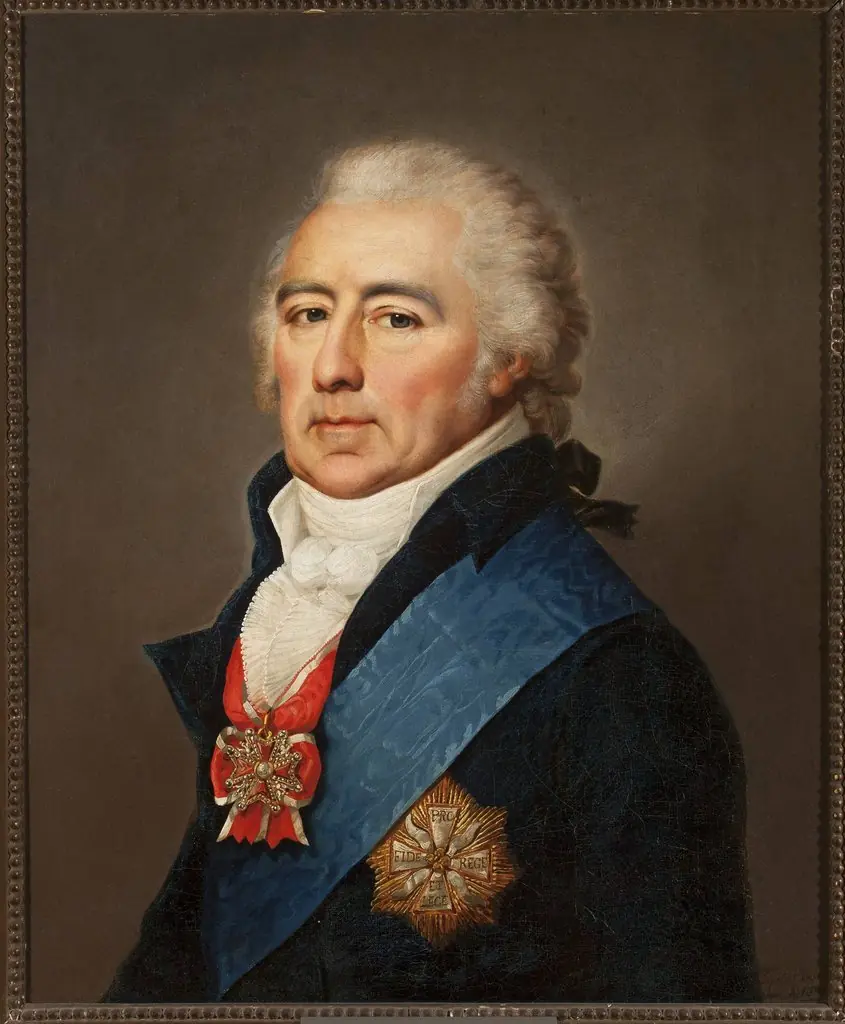
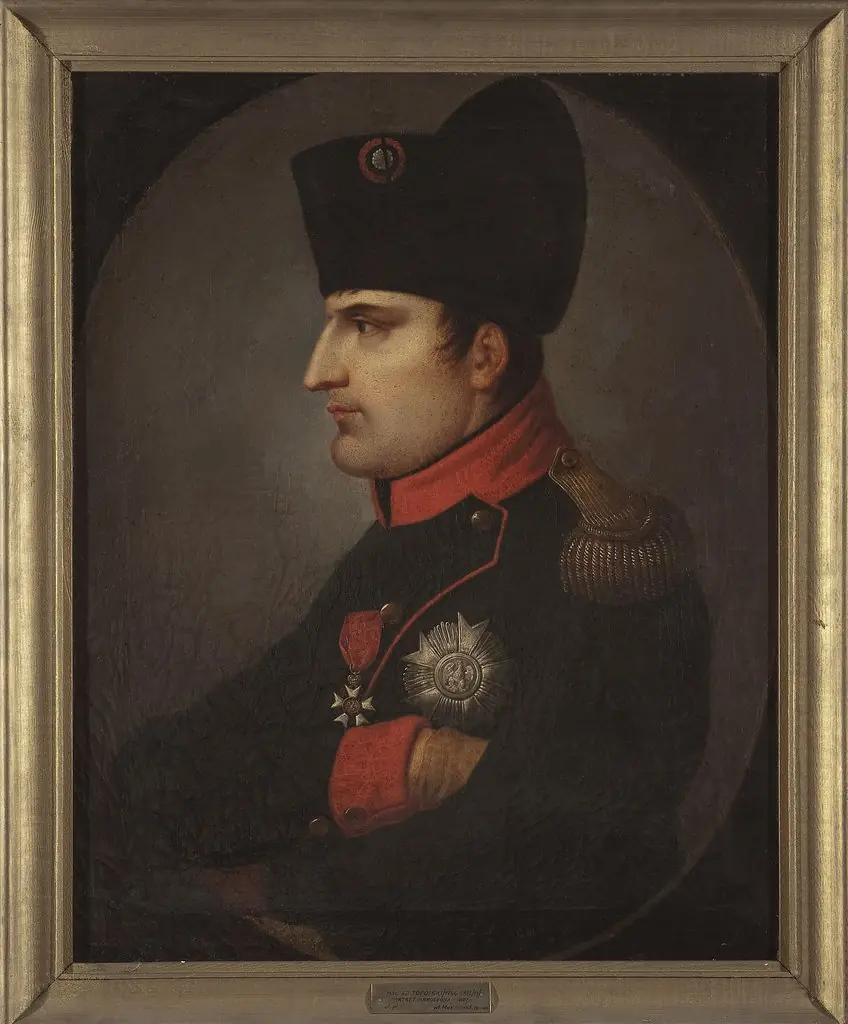
These paintings capture faces from Poland’s late 1700s and early 1800s. Maciej Topolski’s oil portraits show Jan Wołowicz as a child in 1788, a woman in 1812, and Franciszek Kunicki, a chamberlain from Chełm Land, in…

 A Woman
 Portrait of Aniela Andrychewicz née Rudowska
 Țărancă sârboaică din 1851
 Portret van Isabella van Lutsenborgh, echtgenote van Jacobus Dumery
 Half length portrait of woman
 Jane Roberts (Garn Fawr)
 Portrait of a Middle-Aged Lady
 Portrait of Inger Margrethe Høyen, née Schrøder, the Mother of the Art Historian N.L. Høyen
 Jane Daney Smith
 Portrait of a woman in a red scarf
 Old Woman with a Muff
 Portrait of Elżbieta Pade (d. 1833), wife of Marcin