Artwork
Dameportræt
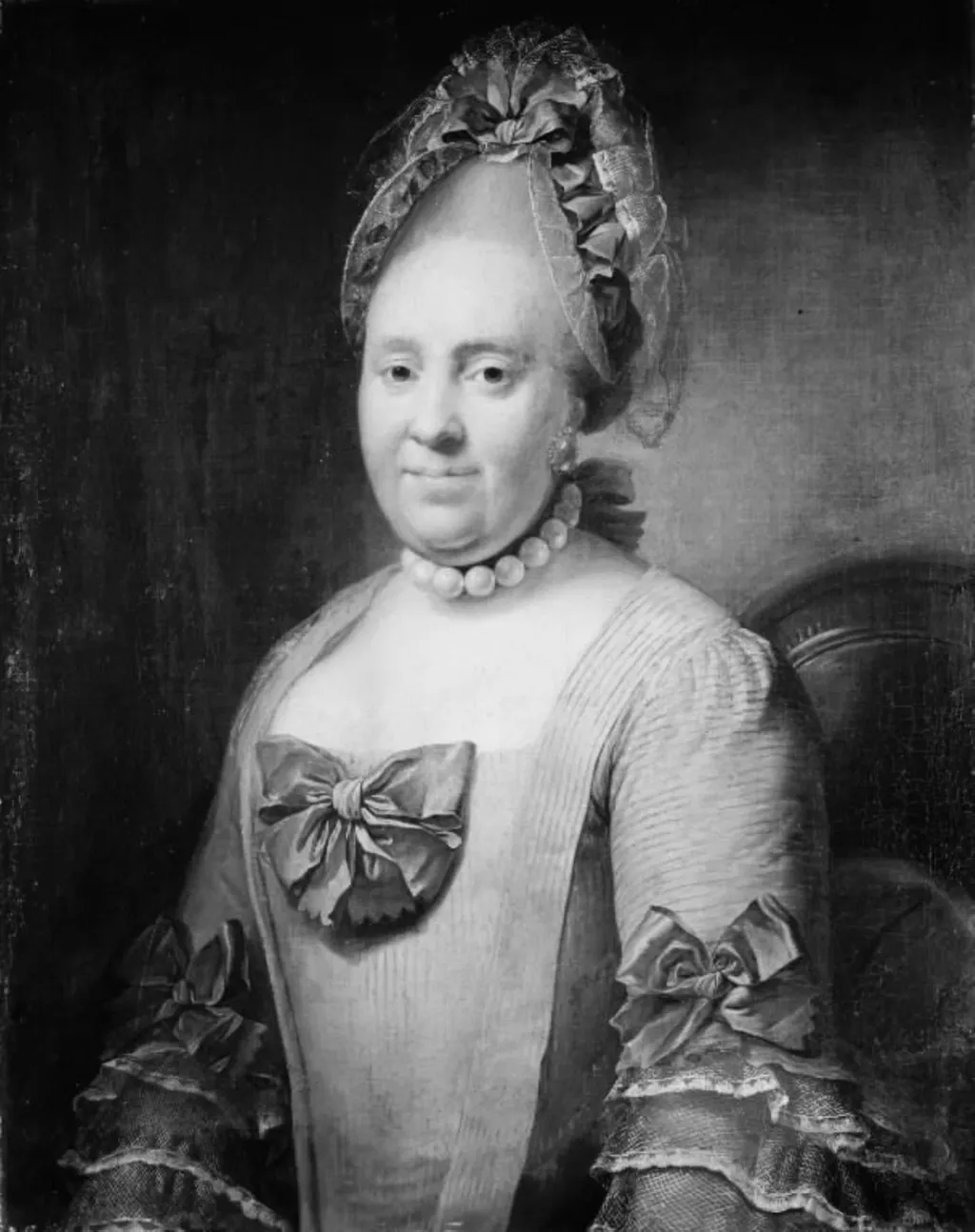
Dameportræt is a photography by Unknown. It dates from 1750 and is held in the collection of the Statens Museum for Kunst. This black-and-white photograph, dated around 1750, depicts a woman in period attire.
About this work
Overview
The image is part of the Museum of Ethnography’s collection, where it serves as a record of domestic dress and personal presentation in the mid-18th century.
This black-and-white photograph, dated around 1750, depicts a woman in period attire. Though attributed to 1092_person, the photographer’s identity remains uncertain. The image is part of the Museum of Ethnography’s collection, where it serves as a record of domestic dress and personal presentation in the mid-18th century. Its soft focus and faded tonality reflect early photographic limitations and aging processes.
Subject & Meaning
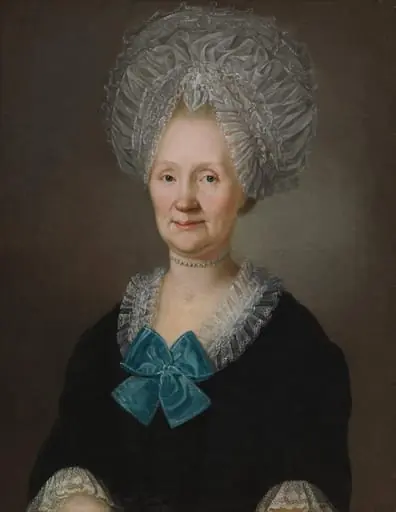
The woman is dressed in a light-colored gown with puffed sleeves and a prominent chest bow, typical of middle- or upper-class women’s fashion in the 1740s–1750s. Her lace cap and simple pearl necklace suggest modest refinement rather than ostentation. The portrait conveys dignity and quiet individuality, likely intended as a personal keepsake rather than a public statement.
Technique & Style
The image exhibits the soft tonal range and muted contrast characteristic of early photographic processes, possibly a daguerreotype or ambrotype. The plain dark background isolates the subject, emphasizing texture in fabric and lace. The slight blurring and fading indicate both technical constraints of the era and natural deterioration over time.
History & Provenance
The photograph entered the Museum of Ethnography’s holdings as part of a broader collection of 18th-century personal portraits. Its origin is undocumented beyond its stylistic dating and material condition. No record of the sitter’s identity or the photographer’s commission survives, leaving its creation context largely speculative.
Context
In the mid-18th century, photographic technology did not yet exist; this image must be a later reproduction or misattributed. Its style aligns with painted portraits of the period, suggesting it may be a 19th-century photograph of a portrait or a staged studio image meant to evoke earlier aesthetics. It reflects a nostalgic interest in historical dress.
Legacy
As a preserved example of 18th-century dress rendered in early photographic form, the image contributes to studies of material culture and identity. Though not a contemporary record, it informs how later generations interpreted and reconstructed historical appearance. Its quiet composition continues to offer insight into personal representation across time.
Artist & collection

 Domestic Scene
 Giacomo and Cardinal Marco, investing Andrea, Abbot of San Zeno, with his Benefice
 The Nymph of Fontainebleau
 Portrait of a Woman
 Madonna and Child with Saints in the Enclosed Garden
 Venus and Minerva
 Family Group of Four on Sofa
 Wall painting from Room H of the Villa of P. Fannius Synistor at Boscoreale
 Portrait of an Elderly Woman
 Portrait of an Elderly Woman
 Bildnis einer älteren Dame
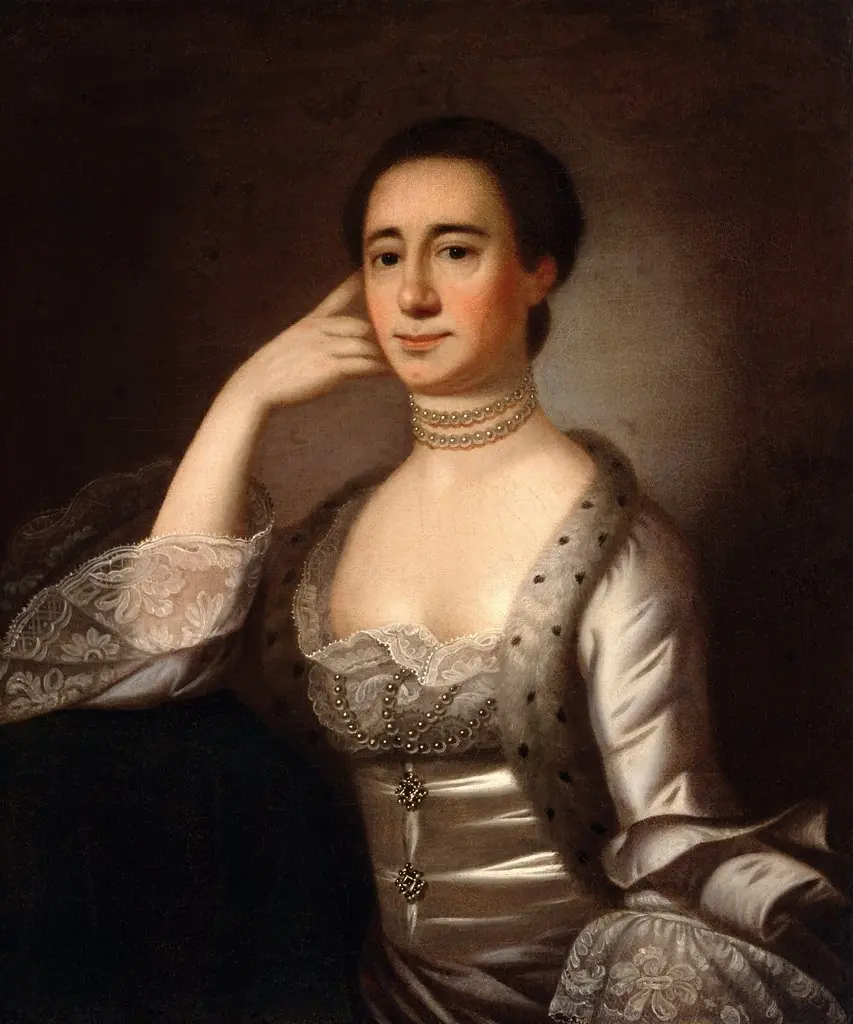 Portrait of Mrs. John Champneys (Anne Livingston, born 1746)
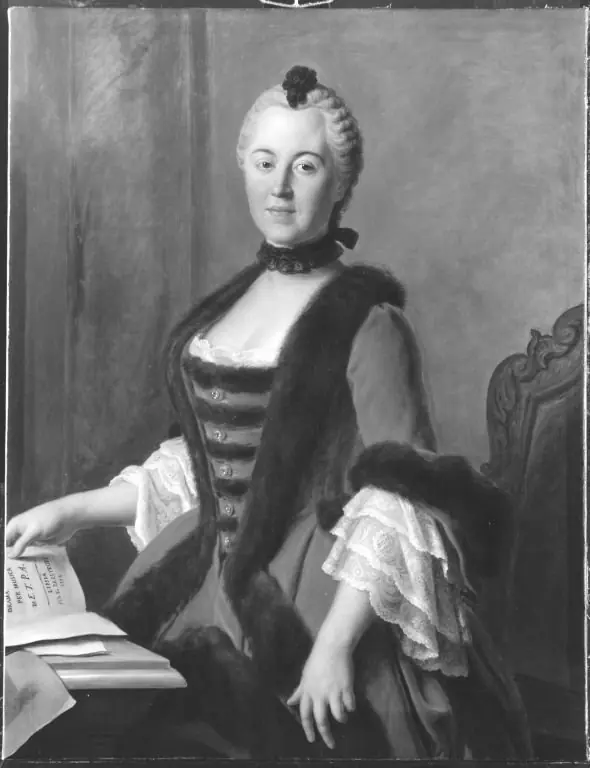 Kronprinzessin Maria Antonia von Sachsen
 Elisabeta, soția lui Carol al VI-lea; pandant: Împăratul Carol al VI-lea
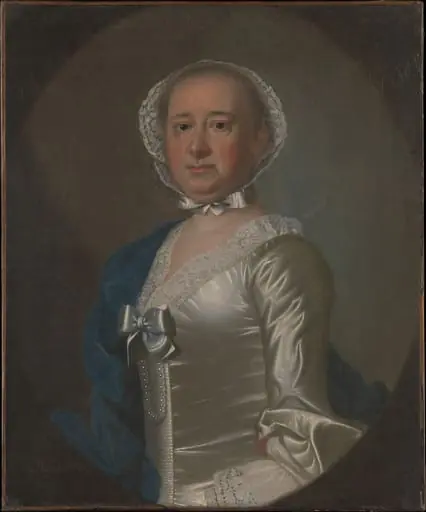 Mrs. Gabriel Manigault
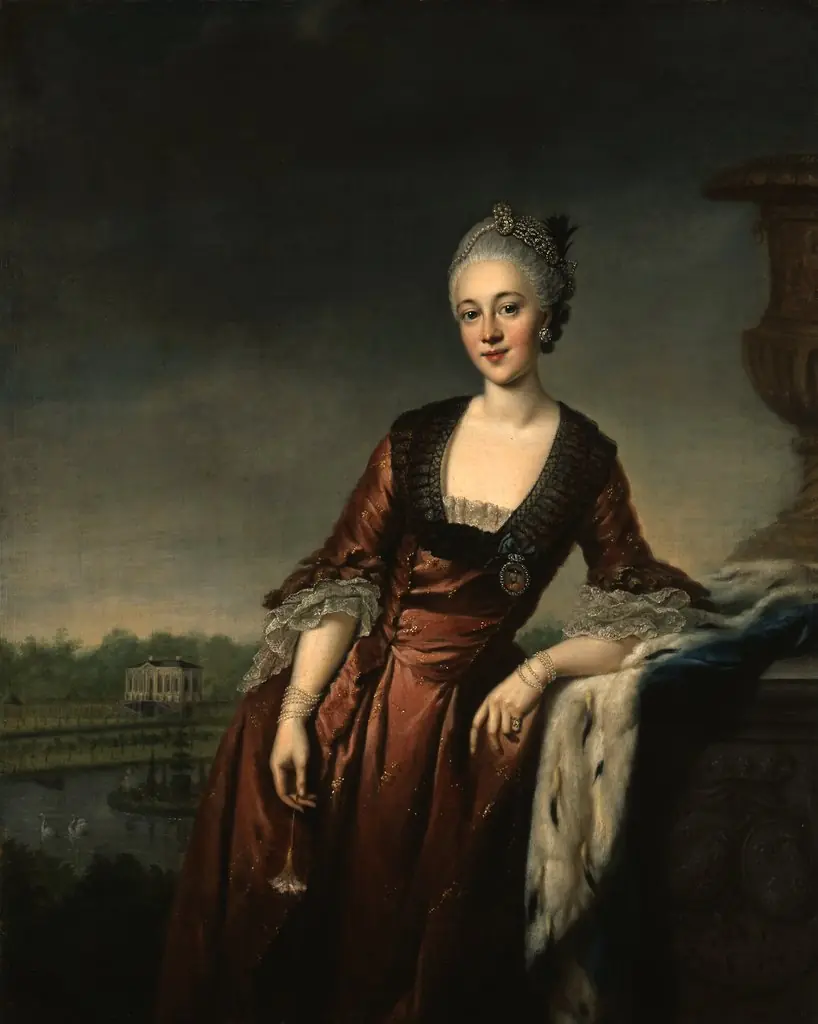 Countess Maria Barbara Eleonore (zu Lippe-Biesterfeld) Schaumburg-Lippe
 Rouva Anna Krogiuksen muotokuva
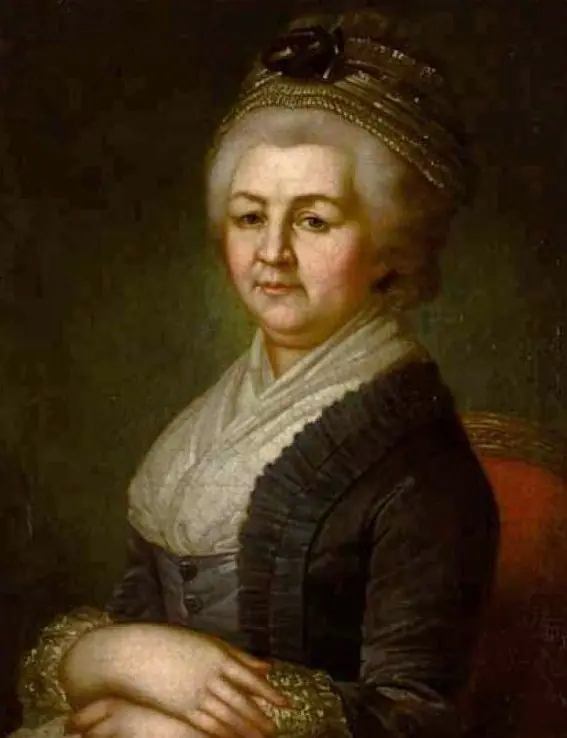 Portrait of Maria Perekusikhina