Artwork
Kronprinzessin Maria Antonia von Sachsen
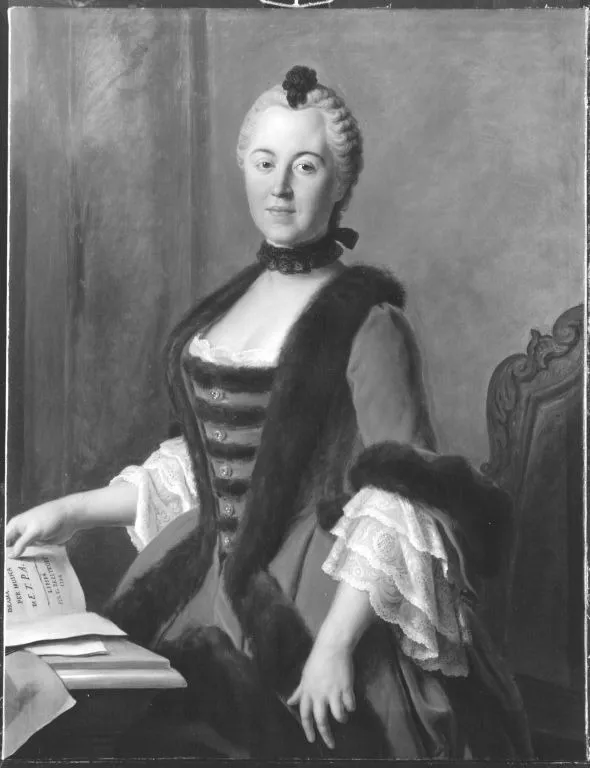
Kronprinzessin Maria Antonia von Sachsen is an unspecified painting by the Rococo painting artist Pietro Rotari. It dates from 1734 and is held in the collection of the Bavarian State Painting Collections.
About this work
Overview
The painting is now part of the Alte Pinakothek’s collection in Munich, where it exemplifies aristocratic portraiture of the mid-18th century.
Painted in 1734 by Italian artist Pietro Rotari, this portrait captures Maria Antonia of Saxony, a princess of the Wettin dynasty. Rotari, trained in the Baroque tradition but working within the emerging Rococo aesthetic, produced this piece during his early European career before his later appointment at the Russian court. The painting is now part of the Alte Pinakothek’s collection in Munich, where it exemplifies aristocratic portraiture of the mid-18th century.
Subject & Meaning
Maria Antonia, depicted in quiet composure, embodies the refined dignity expected of noblewomen in her time. Her direct gaze invites engagement without assertiveness, reinforcing social norms of decorum. The presence of papers on the table suggests intellectual or administrative engagement, subtly signaling her role within courtly life. The restrained elegance of her attire and posture conveys status not through ostentation, but through measured poise.
Technique & Style
Rotari employs fine brushwork to render textures—lace, fur, silk—with precision, reflecting his training in observational realism. The muted background isolates the figure, directing focus to her form and expression. Soft lighting enhances the delicacy of her features and the subtle sheen of fabrics. The composition follows classical portraiture conventions, balancing symmetry with a naturalistic posture that avoids stiffness, characteristic of Rococo’s shift toward intimacy.
History & Provenance
Commissioned during Rotari’s travels through German courts, the portrait was likely created to affirm Maria Antonia’s status ahead of her marriage to Charles VII, Holy Roman Emperor. It remained in Saxon collections before entering the Alte Pinakothek in the 19th century. The painting’s documented lineage supports its authenticity and underscores its role as a diplomatic and dynastic artifact of the period.
Context
In the 1730s, European courts valued portraiture as a tool of political and familial representation. Rotari’s style aligned with the tastes of aristocratic patrons seeking refined, lifelike likenesses that emphasized grace over grandeur. His work bridged Italian technical rigor with Northern European sensibilities, making him a sought-after painter among minor royal houses seeking to project cultural sophistication.
Legacy
Though less widely known than contemporaries like Vigée Le Brun, Rotari’s portraits contributed to the evolution of aristocratic representation in the Rococo era. His ability to capture subtle psychological presence influenced later court painters in Central Europe. This portrait remains a key example of how personal dignity was visually codified in 18th-century elite circles, preserving the image of a woman whose historical impact extended beyond her immediate family.
Artist & collection
Artist
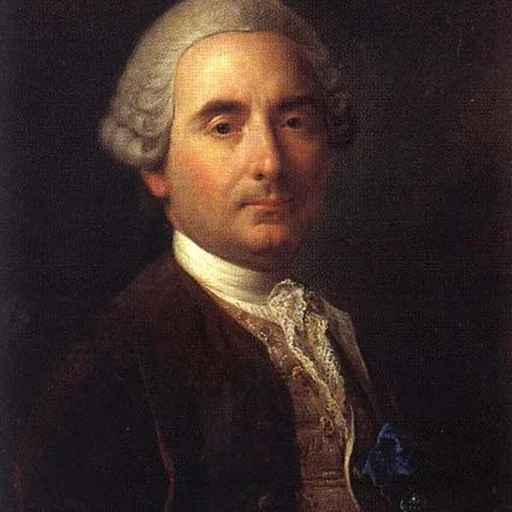
Pietro Antonio Rotari (30 September 1707 – 31 August 1762) was an Italian painter of the Baroque period.

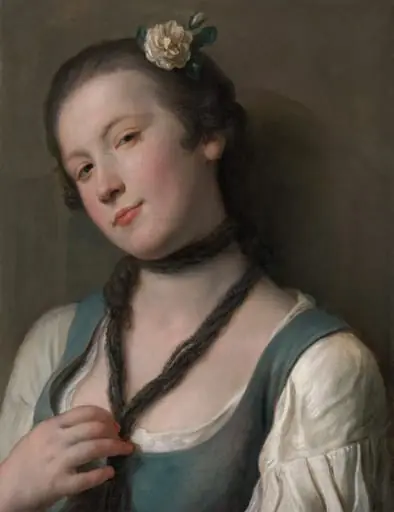
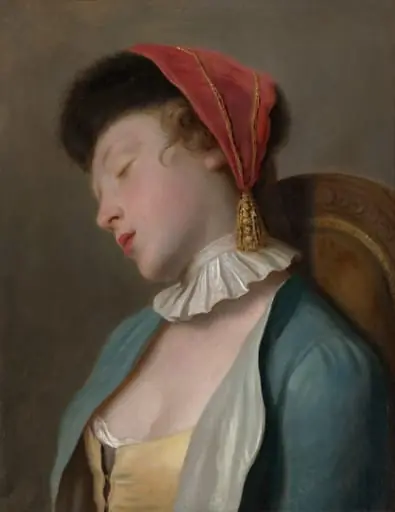
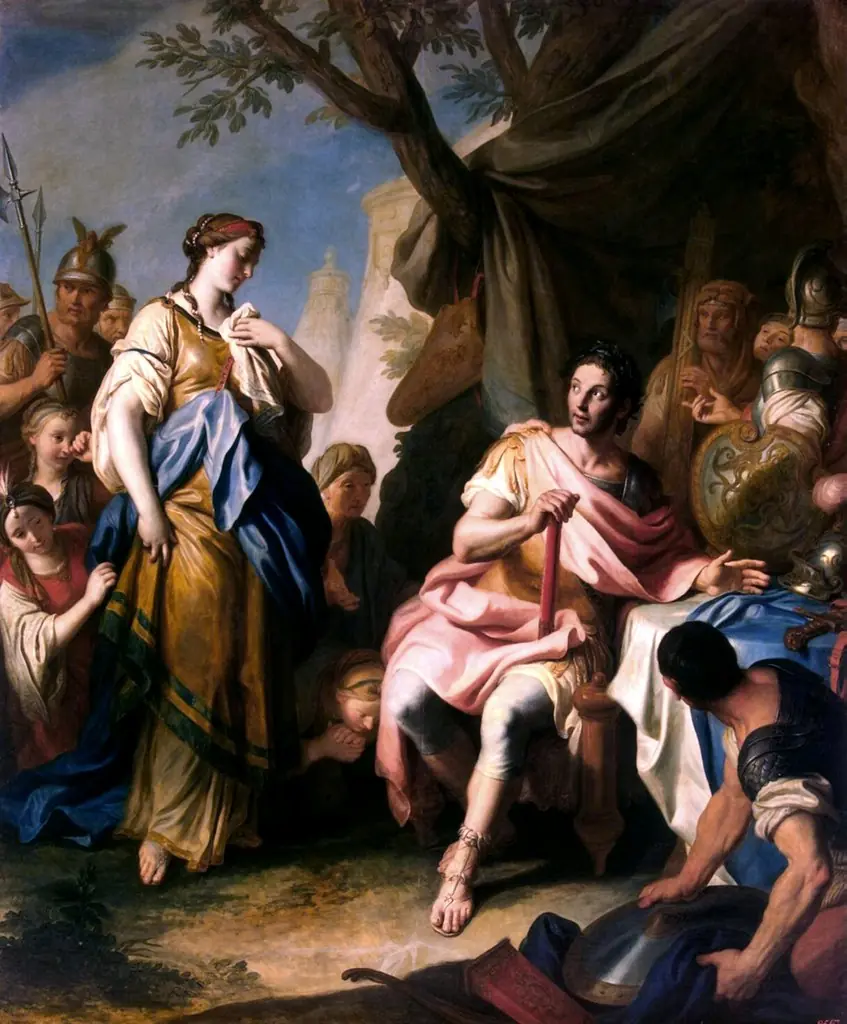
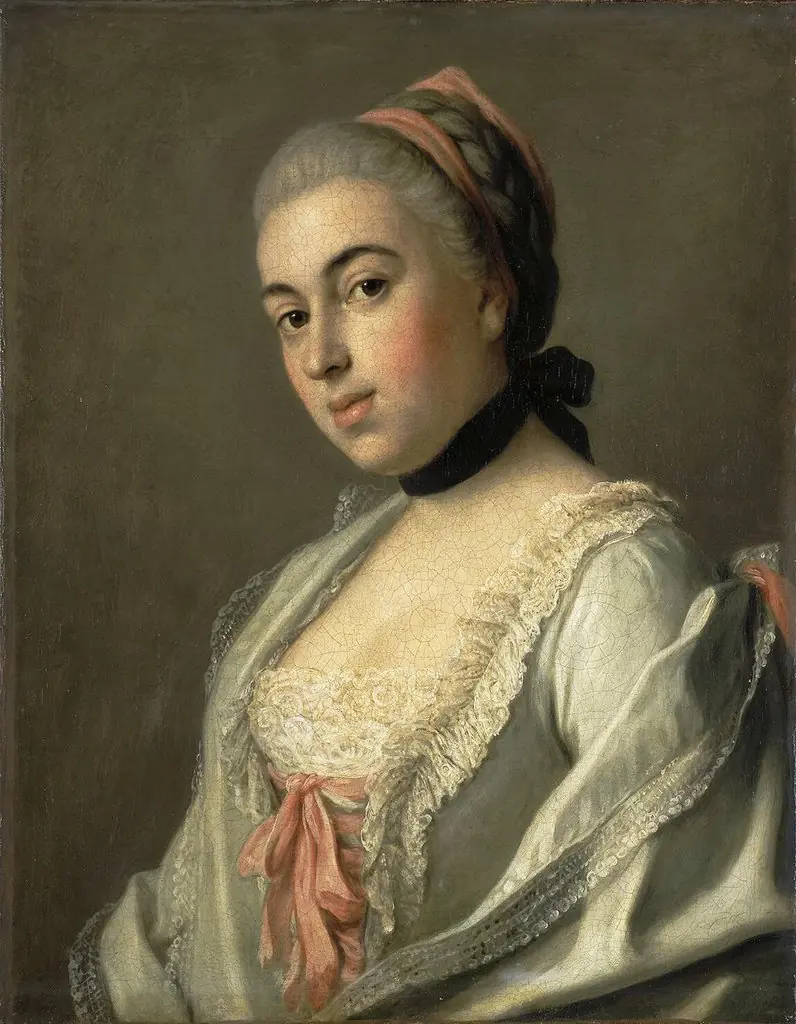
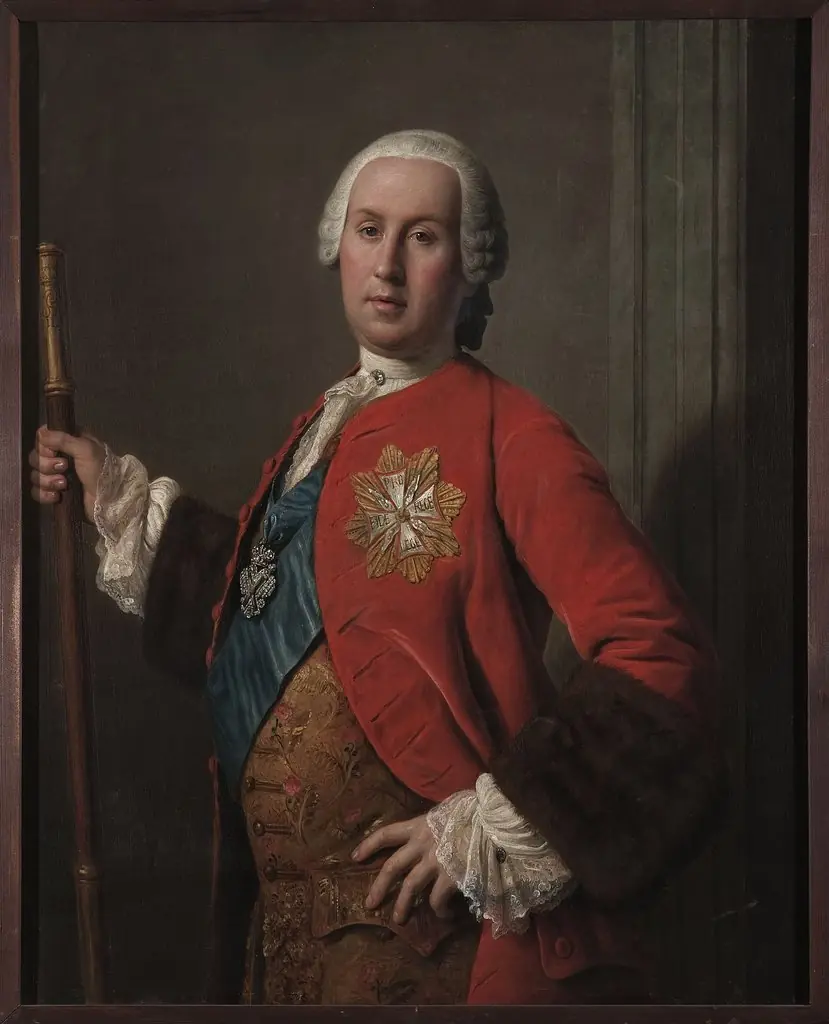
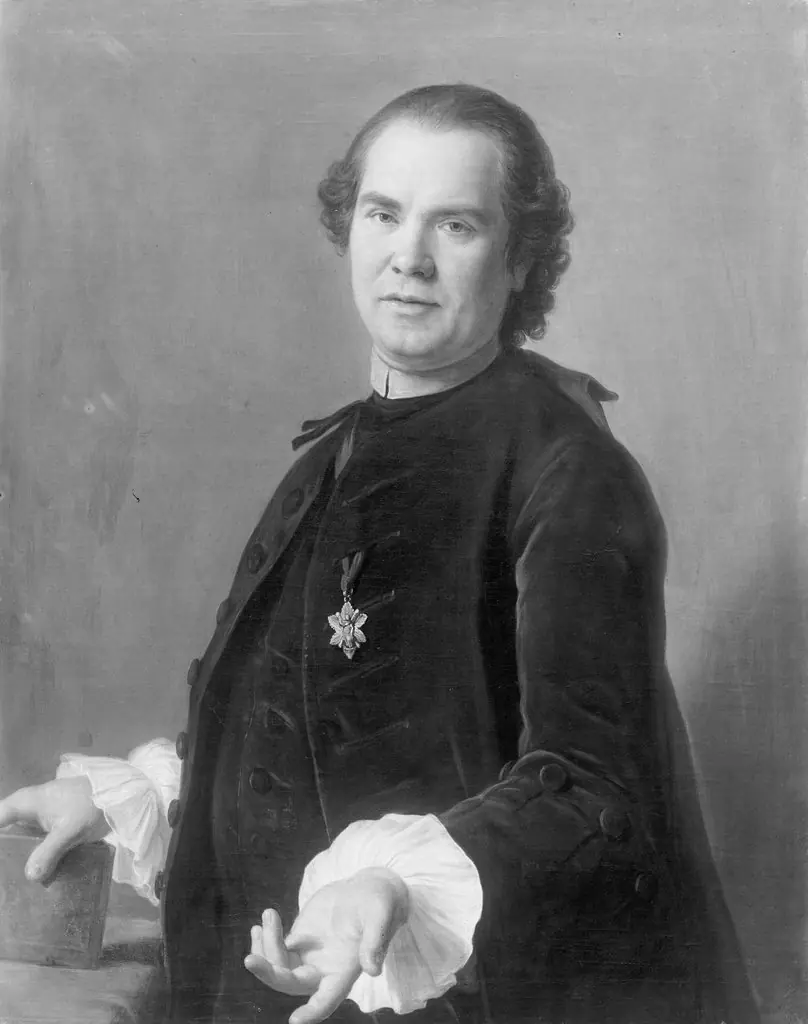
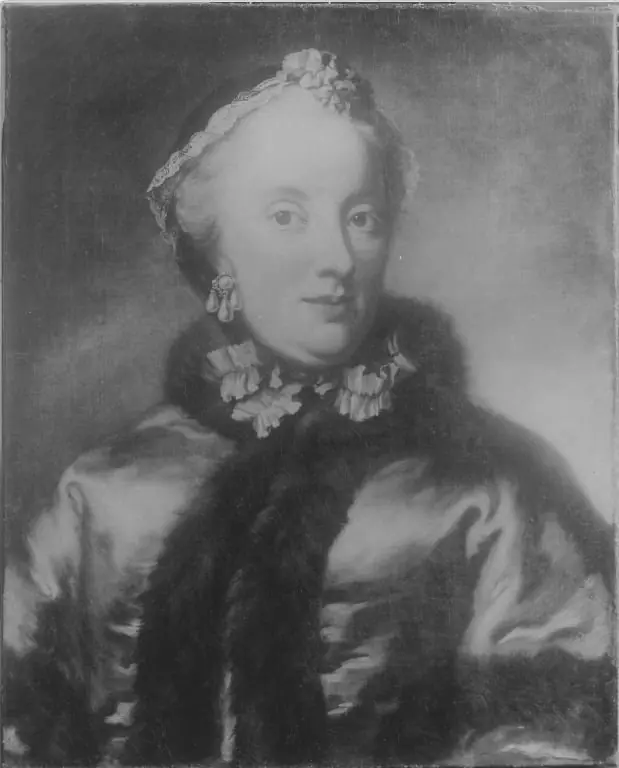 Bildnis der Maria Anna, Gemahlin des Kurfürsten Max III. Joseph (Werkstatt)
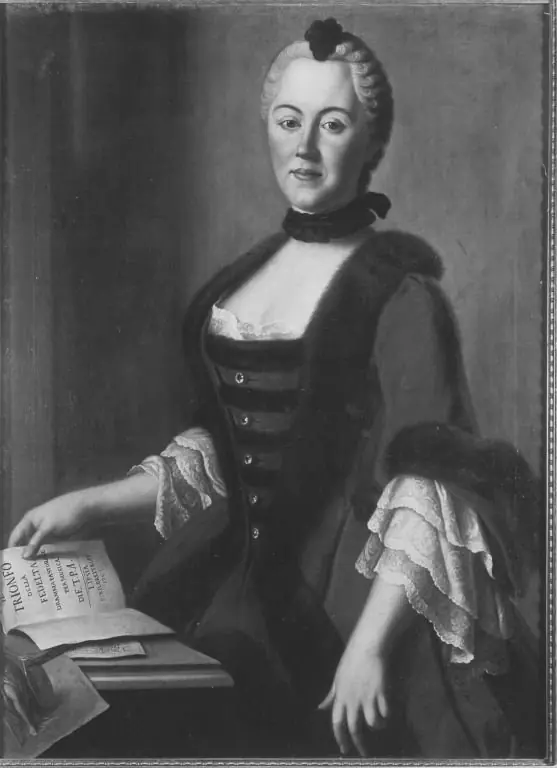 Kurfürstin Maria Antonie von Sachsen, Tochter Kaiser Karls VII
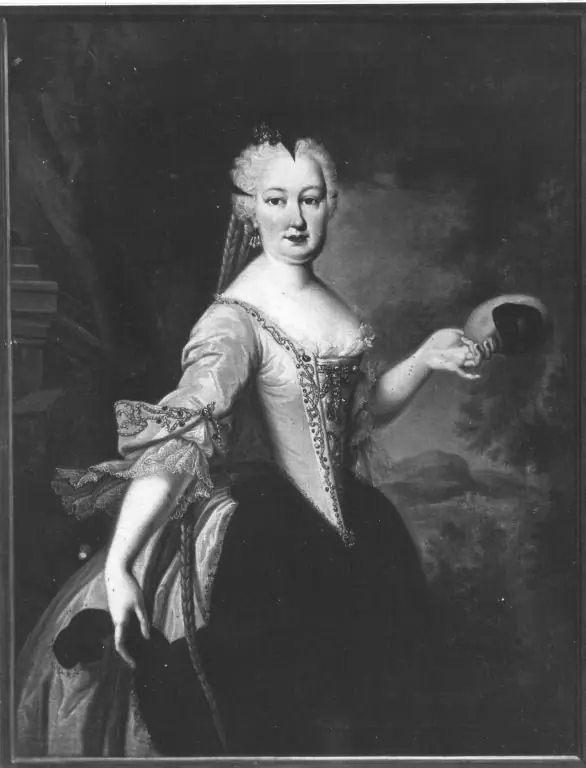 Bildnis der Maria Franziska Dorothea von Pfalz-Sulzbach, Herzogin von Zweibrücken-Birkenfeld (1724-1794)
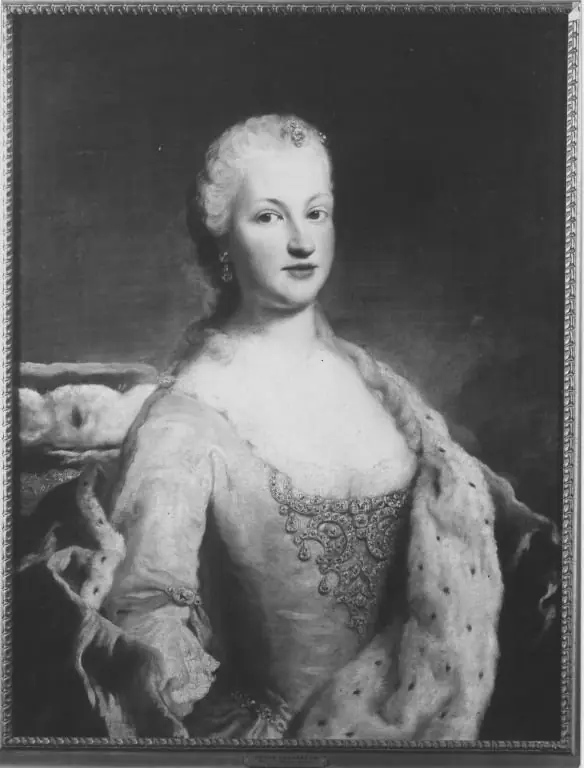 Bildnis der Maria Franziska Dorothea von Pfalz-Sulzbach, Herzogin von Zweibrücken-Birkenfeld (1724-1794)
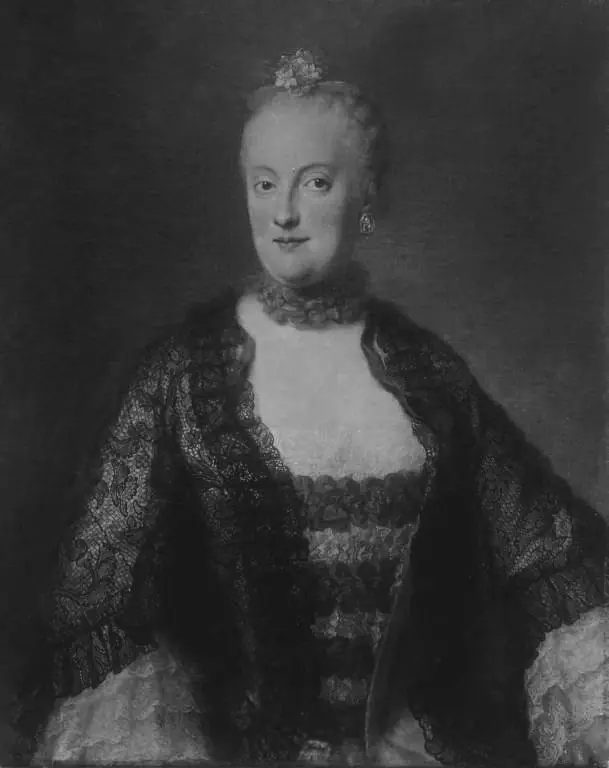 Maria Anna, Gemahlin des Kurfürsten Max III. Joseph von Bayern
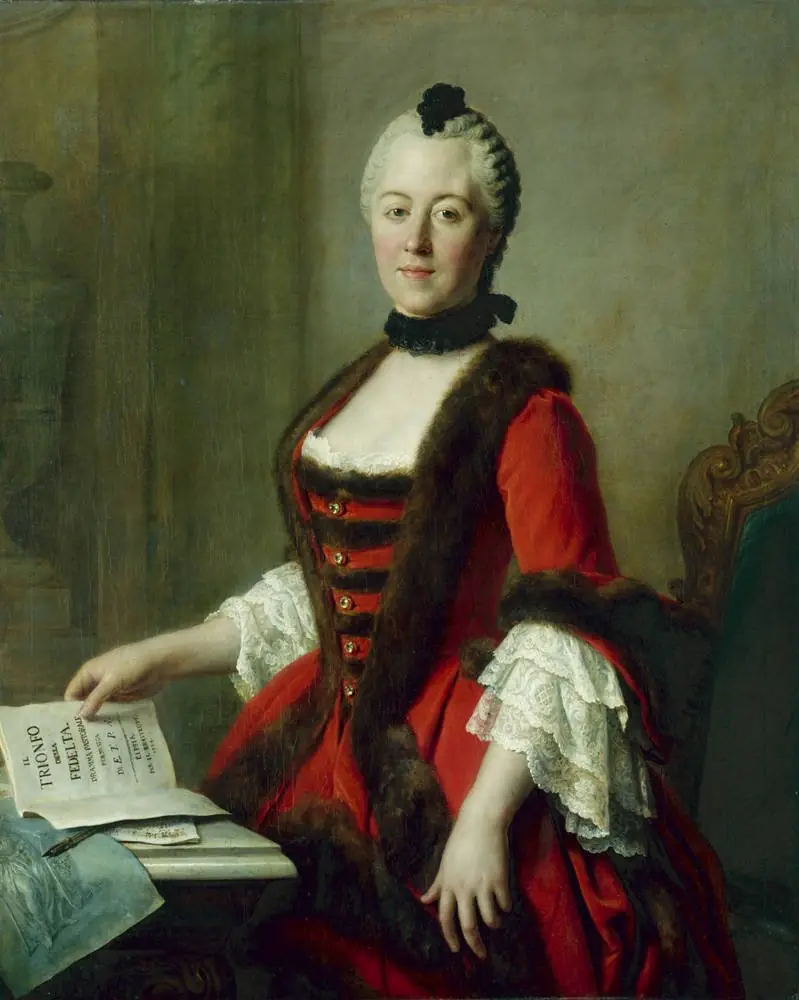 Maria Antonia of Bavaria, spouse of Elector Frederick Christian of Saxony
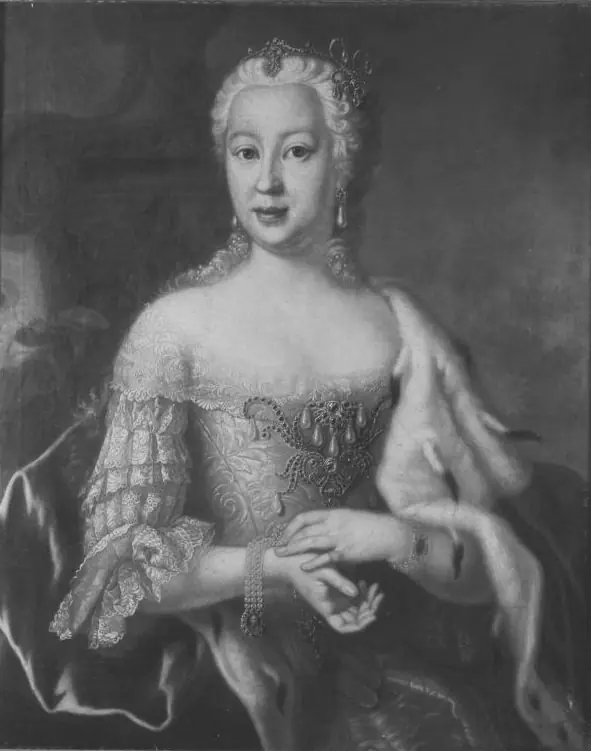 Maria Anna of Sulzbach (1722-1790)
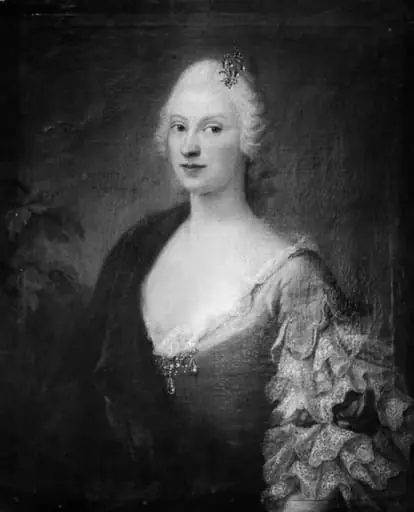 Portræt af fru Adelgunde Elisabeth Amalia von Scholten
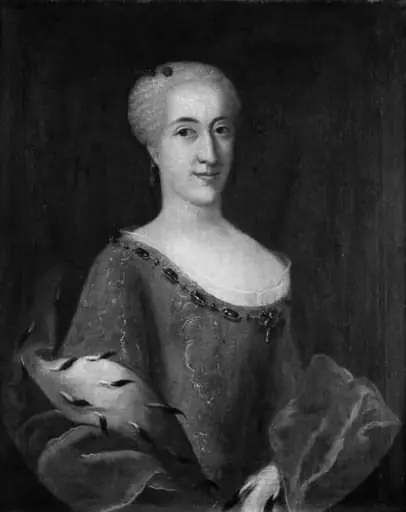 Portrait of a Lady
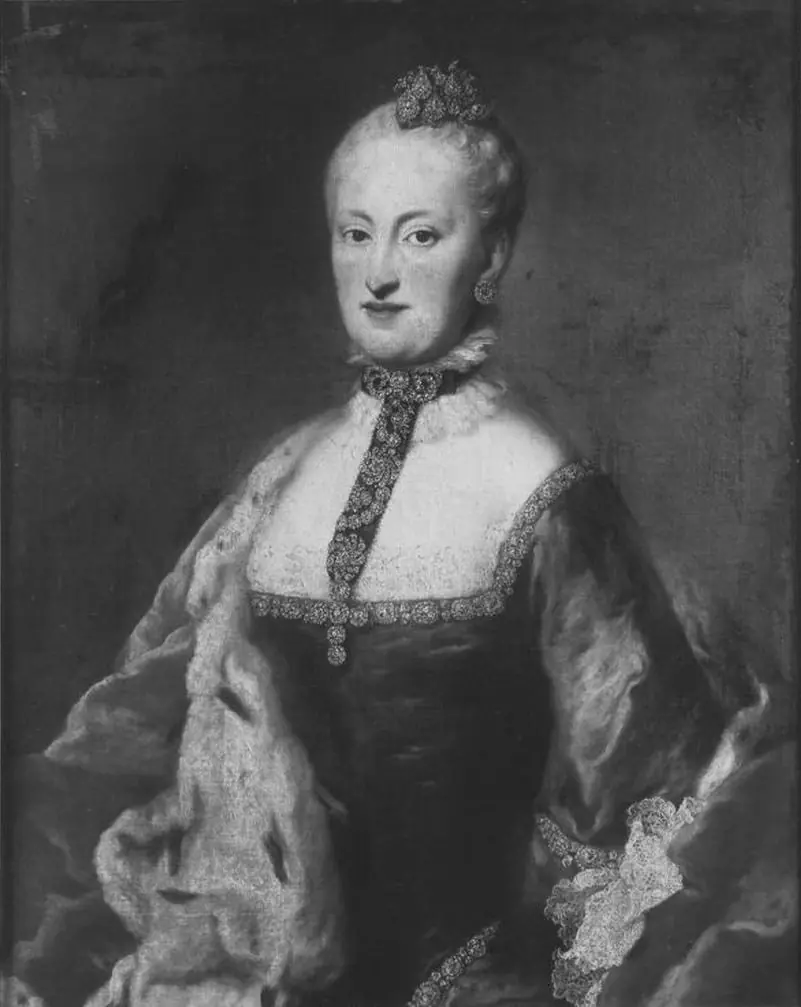 So-called portrait of Maria Anna Sophia of Saxony (1728–1797)
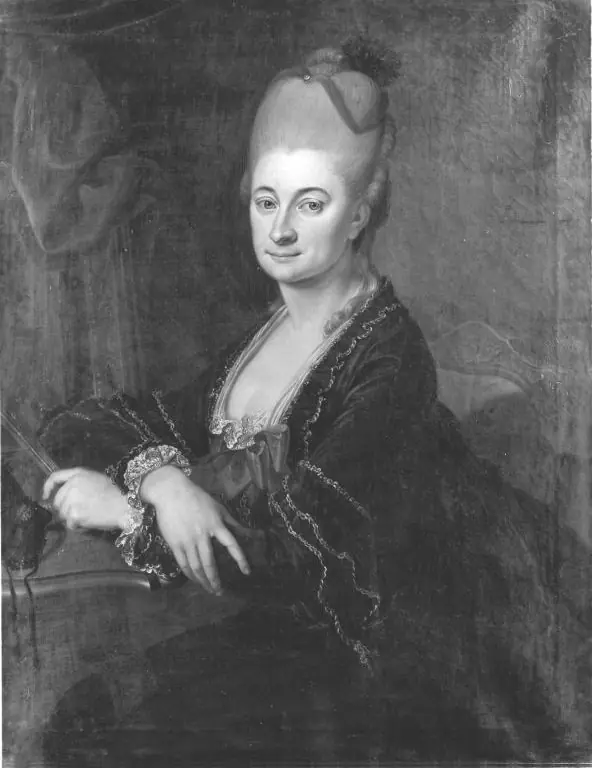 Maria Amalia of Zweibrücken-Birkenfeld
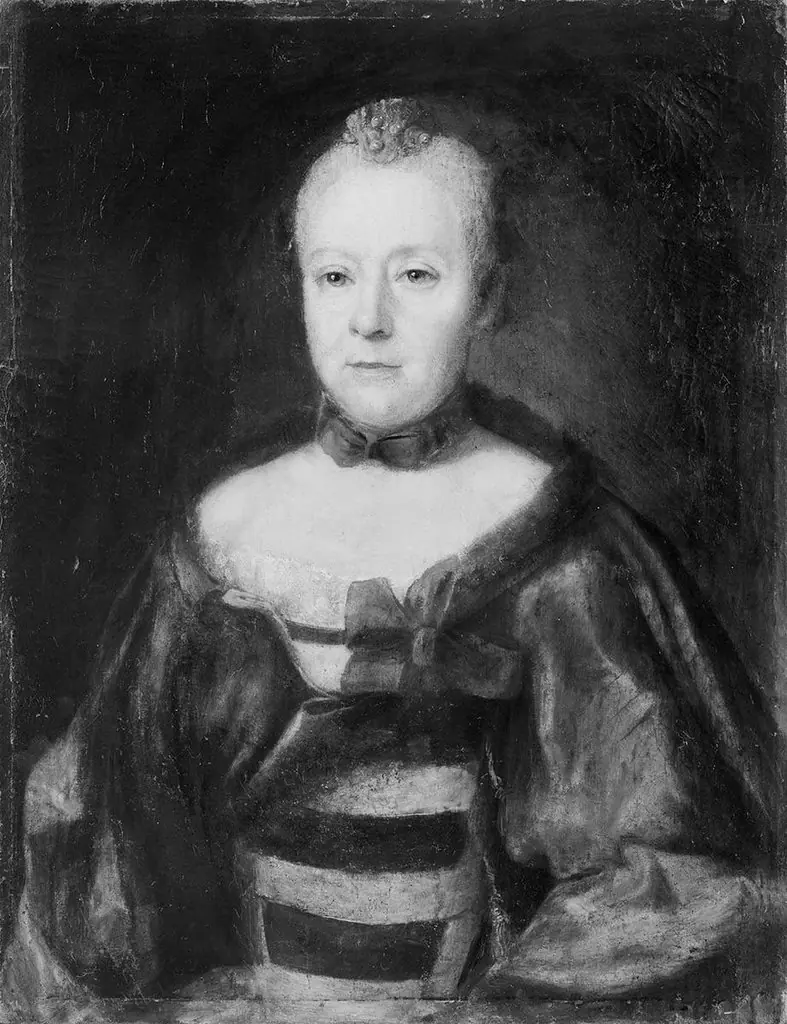 Bildnis einer Dame