Artwork
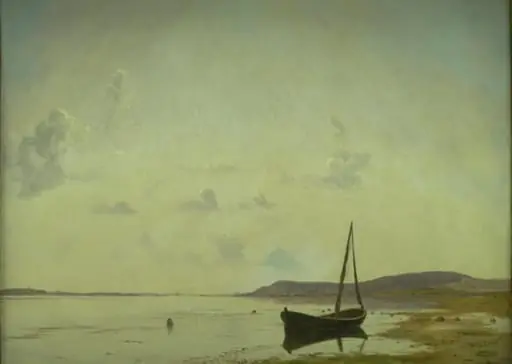
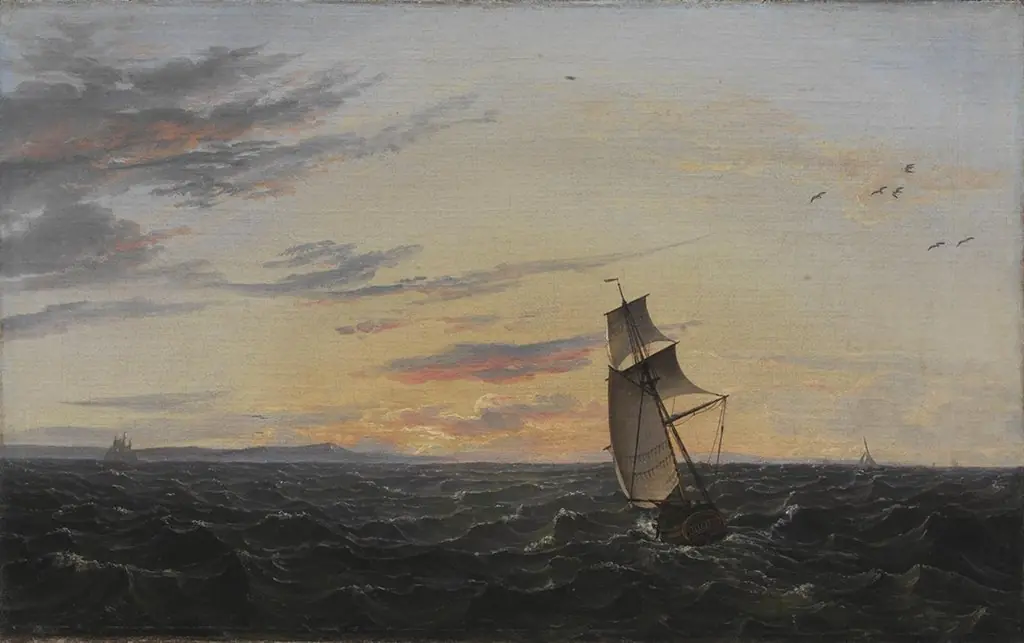
Sailing Boats in Guldborg Sound
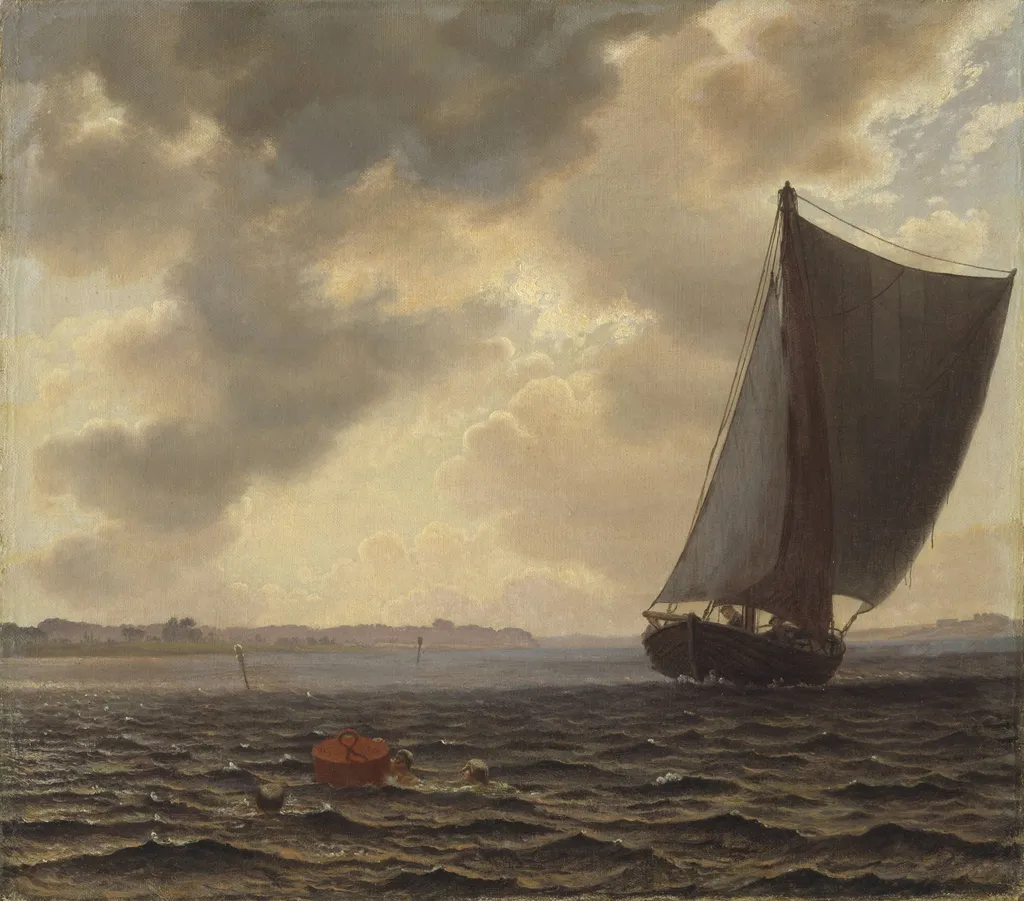
Sailing Boats in Guldborg Sound is a photography by the Impressionist artist Unknown artist. It dates from 1861 and is held in the collection of the Statens Museum for Kunst.
About this work
Overview
The work is held in the Museum of Ethnography and reflects a realist tradition focused on natural observation rather than abstraction.
The painting *Sailing Boats in Guldborg Sound* is a 19th-century landscape depicting vessels on a Danish waterway. Though sometimes misattributed to William Ronald, it predates his career by nearly 100 years. The work is held in the Museum of Ethnography and reflects a realist tradition focused on natural observation rather than abstraction. Its subject matter and style align with coastal scenes common in Scandinavian art of the period.
Subject & Meaning
The scene portrays a quiet maritime moment in Guldborg Sound, with several sailing boats drifting across the water under a muted sky. The vessels, small and distant, suggest human activity within a vast natural setting. The calm composition and gentle motion of sails and waves convey a sense of stillness and routine, possibly reflecting the rhythms of coastal life rather than dramatic narrative or symbolic intent.
Technique & Style
The artist employs soft tonal transitions to render sky, water, and shore, using a restrained palette of blues, grays, and earth tones. Brushwork is subtle, capturing the texture of wind-rippled water and the form of distant sails without overt detail. Light is diffused, avoiding strong contrasts, which contributes to the scene’s quiet atmosphere. The technique emphasizes atmospheric harmony over dramatic effect.
History & Provenance
Painted in 1861, the work entered the collection of the Museum of Ethnography, likely as part of a broader effort to document regional maritime culture. Its attribution has been confused in some sources with the 20th-century Canadian abstract painter William Ronald, but the style, date, and subject clearly place it in a different artistic lineage. The artist’s identity remains unconfirmed in public records.
Context
Created during a period when Scandinavian artists increasingly turned to local landscapes and seascapes, the painting reflects a broader trend toward naturalism and regional identity. Unlike the expressive abstraction of later modernist movements, this work aligns with the observational traditions of 19th-century European landscape painting, where accuracy and mood took precedence over innovation or symbolism.
Legacy
Though not widely known outside institutional collections, the painting contributes to the historical record of Nordic coastal life and 19th-century landscape practice. Its misattribution to William Ronald highlights how modernist associations can overshadow earlier traditions. The work endures as a quiet example of its time, valued for its sincerity and technical restraint rather than its fame.
Artist & collection
Artist
William Ronald Smith (August 13, 1926 – February 9, 1998), known professionally as William Ronald, was a Canadian painter, best known as the founder of the influential Canadian abstract art group Painters Eleven in 1953…