Artwork
Woodland Lake
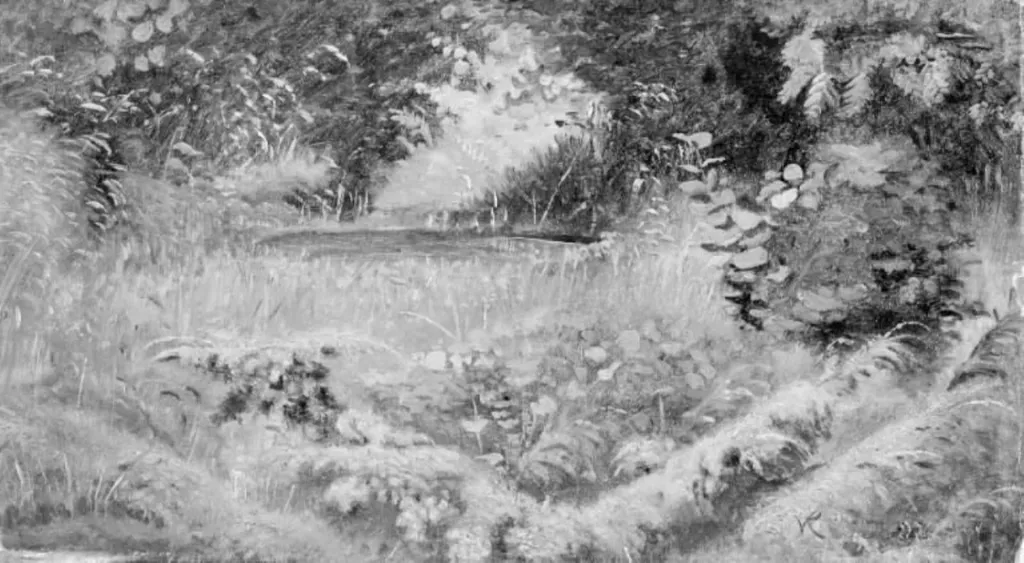
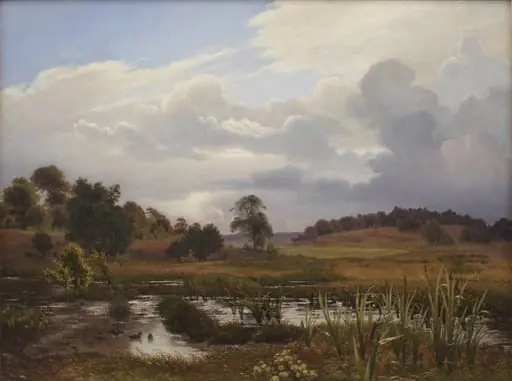
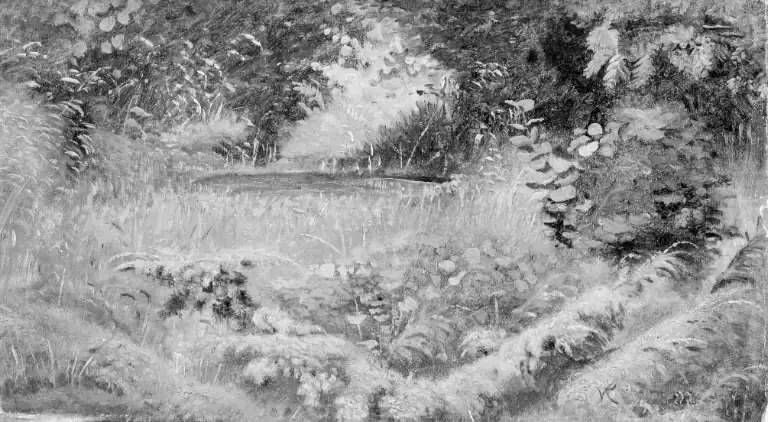
Woodland Lake is a photography by Unknown artist. It dates from 1868 and is held in the collection of the Statens Museum for Kunst.
About this work
Overview
The painting is part of the Museum of Ethnography’s collection, suggesting its cultural or documentary significance beyond purely aesthetic concerns.
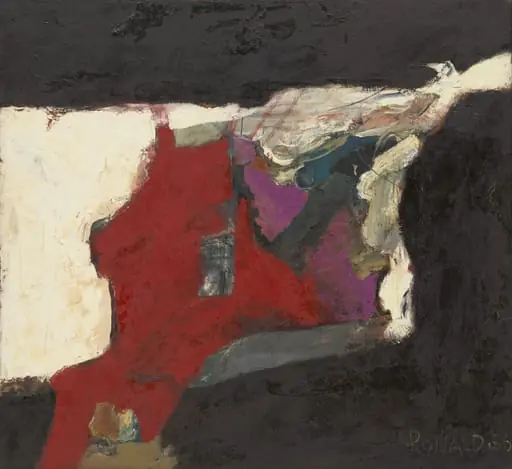
William Ronald, a Canadian artist later known for abstract expressionism and co-founding Painters Eleven, produced *Woodland Lake* circa 1868. Though primarily associated with mid-20th-century abstraction, this early work reflects a more representational approach. The painting is part of the Museum of Ethnography’s collection, suggesting its cultural or documentary significance beyond purely aesthetic concerns.
Subject & Meaning
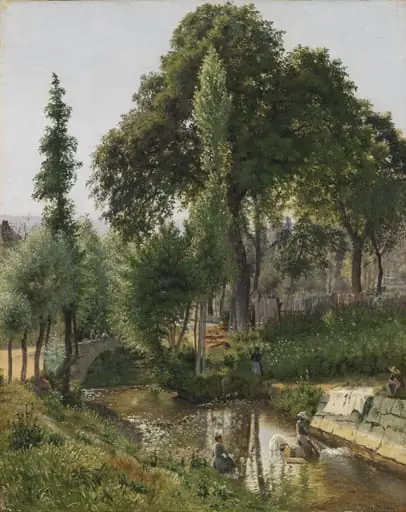
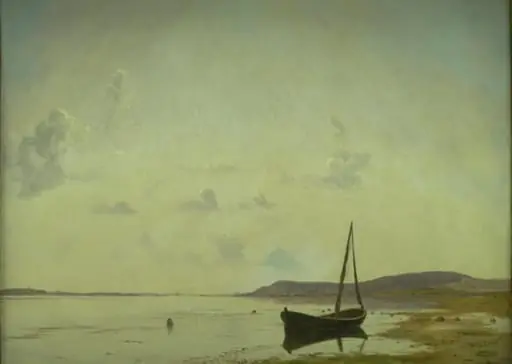
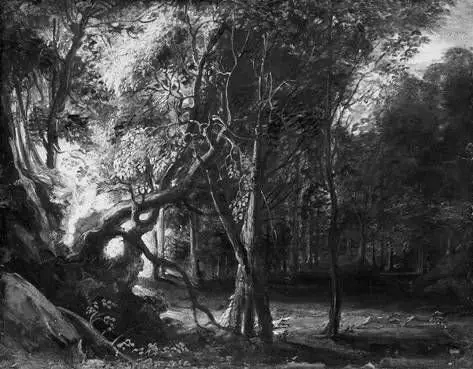
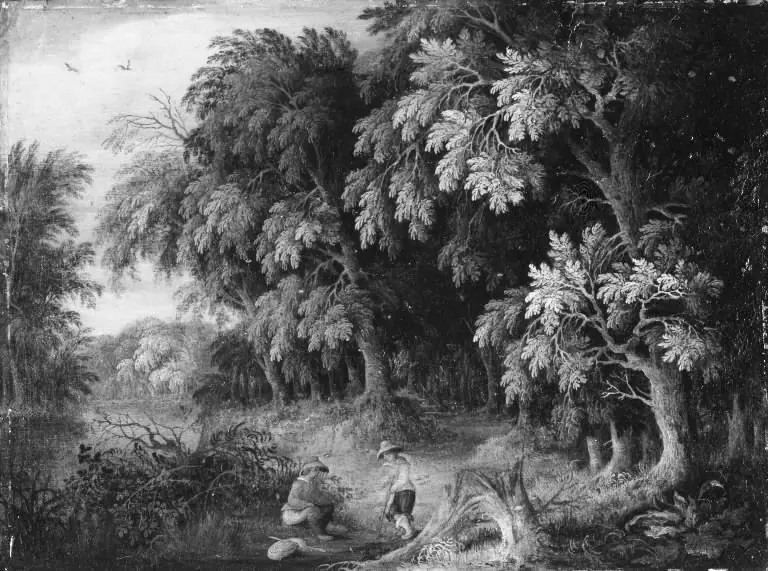
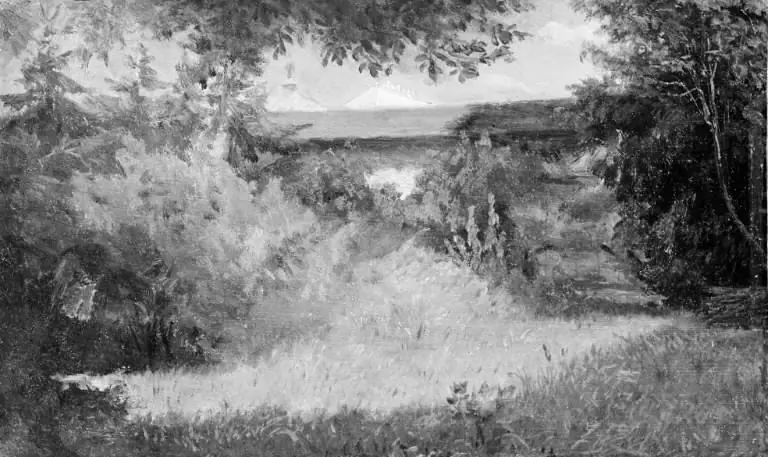
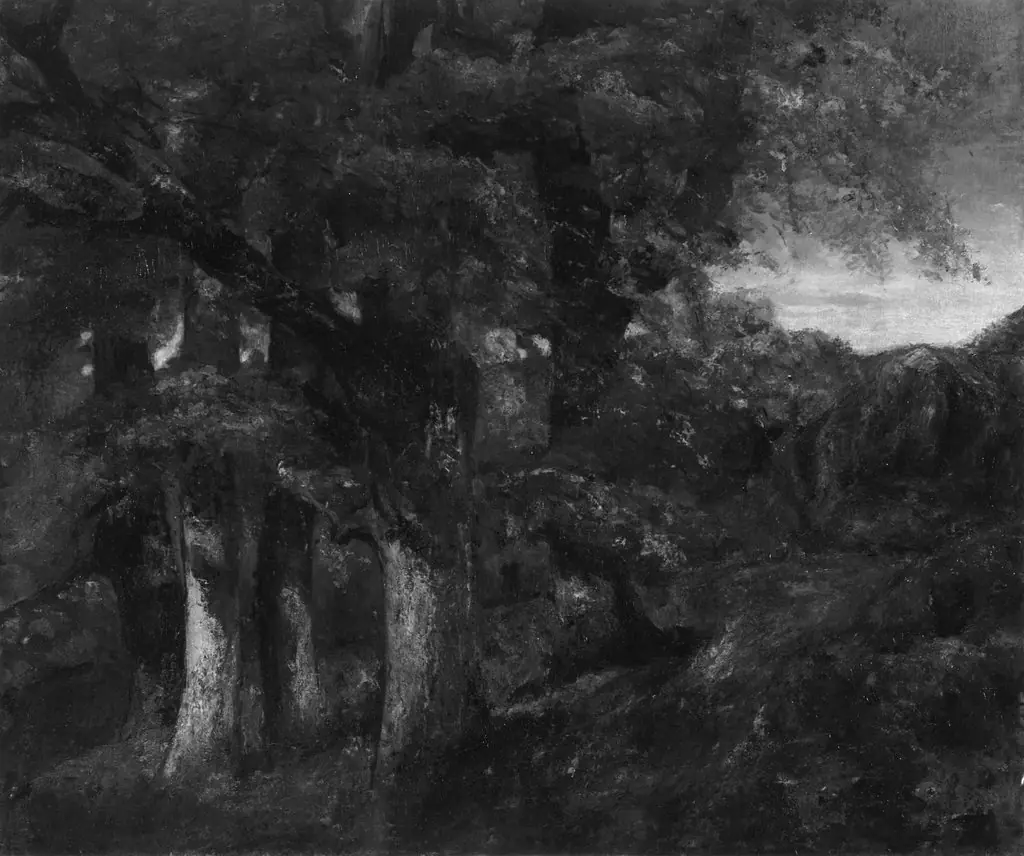
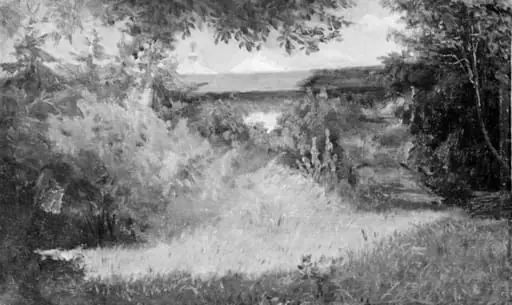
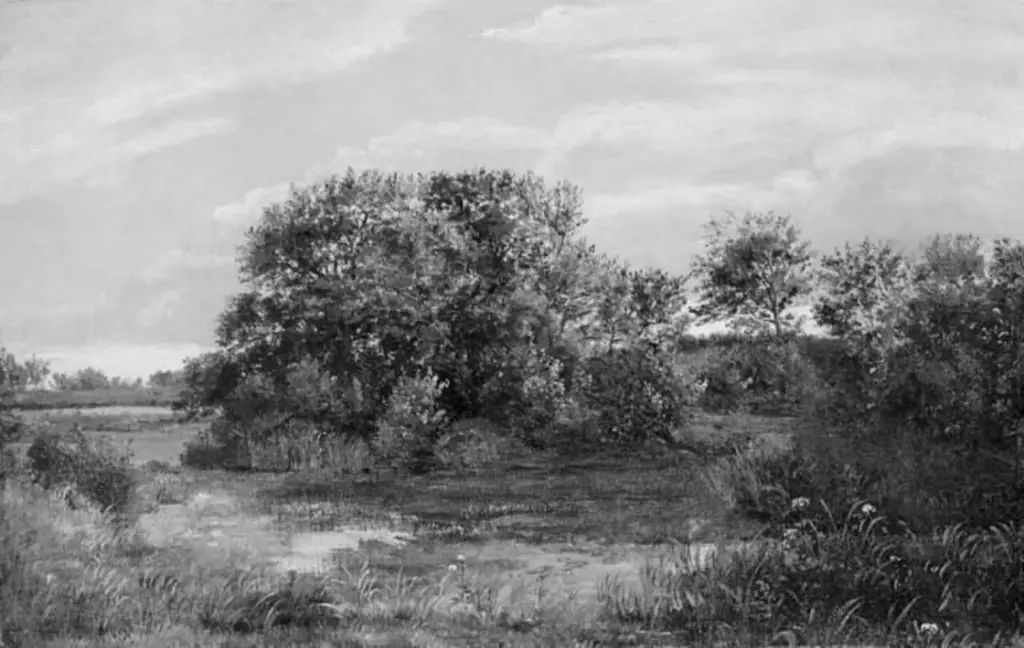
The scene depicts a still woodland lake, framed by dense trees and undergrowth on the far shore. There is no human presence or movement—no ripples on the water, no birds or wind. The quietude suggests contemplation of nature’s stillness, possibly reflecting a Romantic sensibility toward the untamed landscape, common in 19th-century Canadian art before the rise of modernist abstraction.
Technique & Style
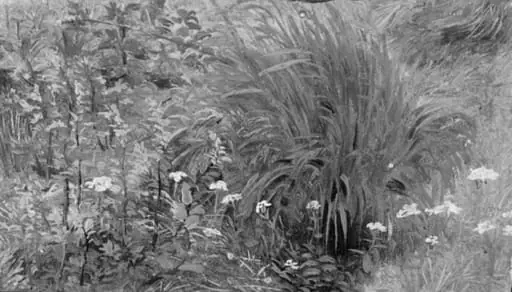
Thick, textured brushwork characterizes the painting, with paint applied in a tactile, almost sculptural manner. The surface appears scraped or built up, creating a rough, handmade quality. This impasto technique emphasizes materiality over realism, hinting at a nascent interest in physical paint that would later define Ronald’s abstract works, even as the subject remains figurative.
History & Provenance
Created around 1868, *Woodland Lake* predates Ronald’s association with abstract movements by nearly a century. Its presence in the Museum of Ethnography implies it may have been collected for its depiction of a natural environment considered culturally or regionally significant. The work’s early date and institutional placement suggest it was preserved as a record of landscape rather than as a celebrated artistic achievement at the time.
Context
In the late 1860s, Canadian art was dominated by landscape traditions influenced by the Hudson River School and European Romanticism. Ronald’s early work aligns with this trend, capturing serene natural scenes with emotional weight. His later shift toward abstraction in the 1950s marks a radical departure, making this painting a rare glimpse into the formative years of an artist who would redefine Canadian modernism.
Legacy
Though overshadowed by Ronald’s later abstract contributions, *Woodland Lake* offers insight into his artistic evolution. Its preservation in an ethnographic context underscores how early Canadian landscapes were valued not only as art but as cultural artifacts. The painting bridges a pre-modern visual language with the experimental spirit that would later define his career.
Artist & collection
Artist
William Ronald Smith (August 13, 1926 – February 9, 1998), known professionally as William Ronald, was a Canadian painter, best known as the founder of the influential Canadian abstract art group Painters Eleven in 1953…