Artwork
Greeks Working in the ruins of the Acropolis
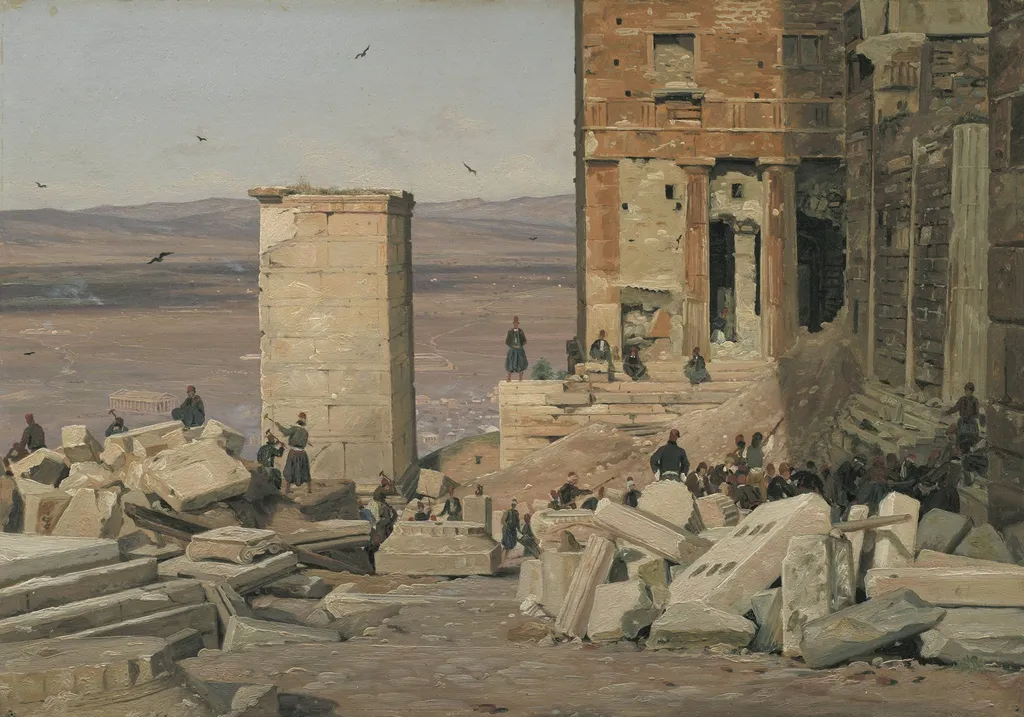
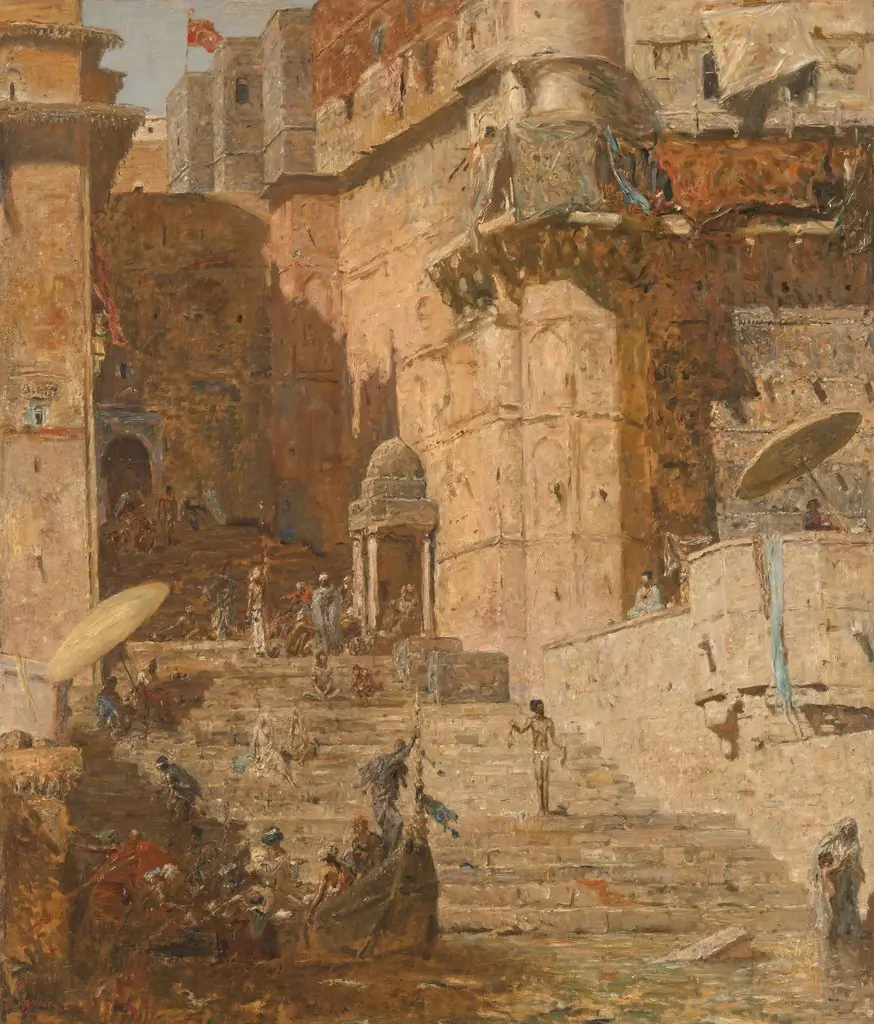
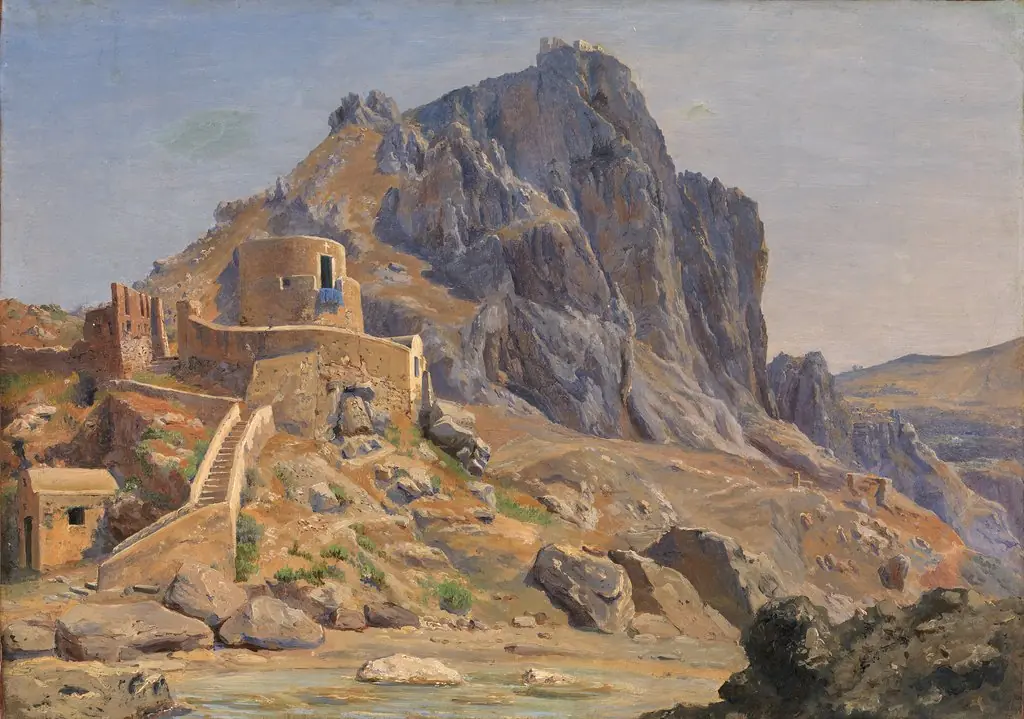
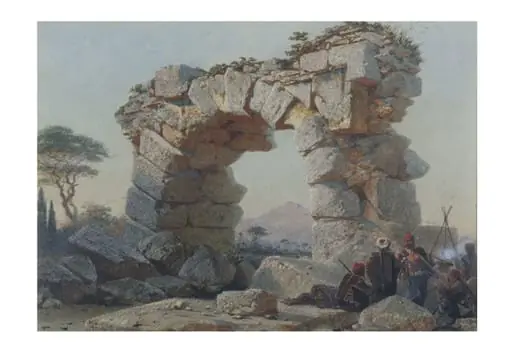
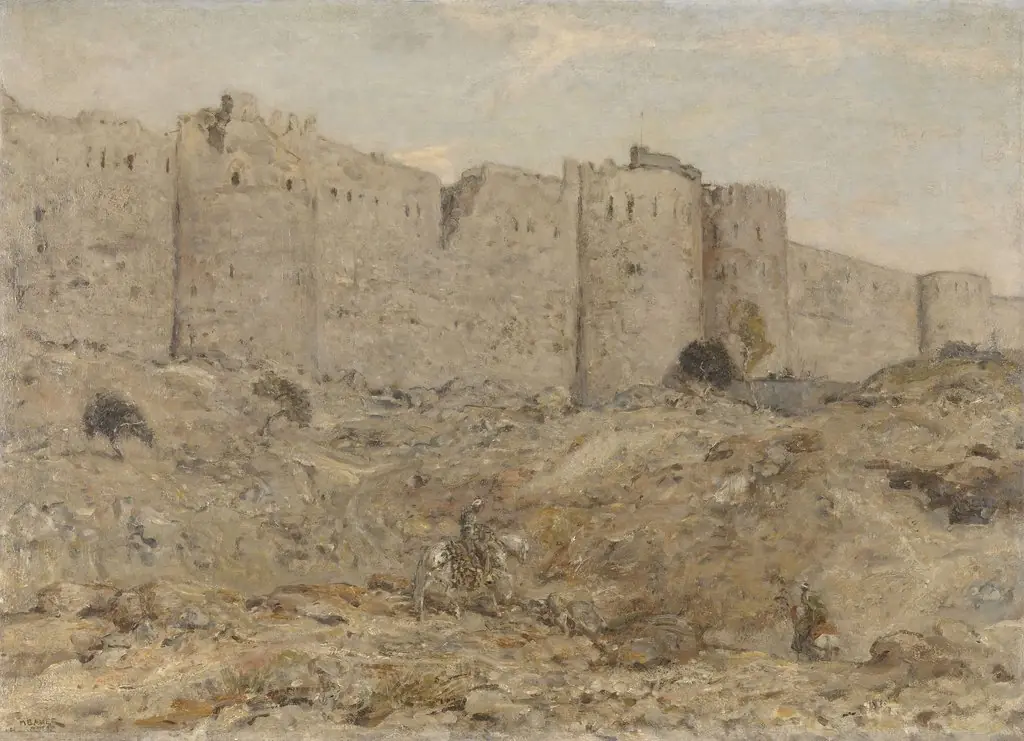
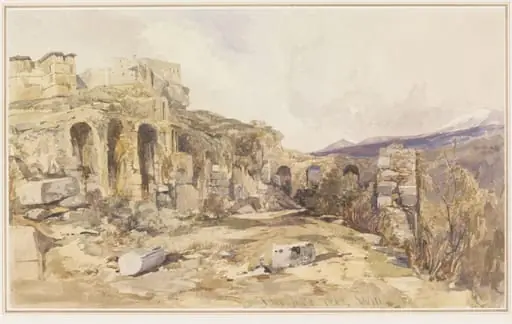
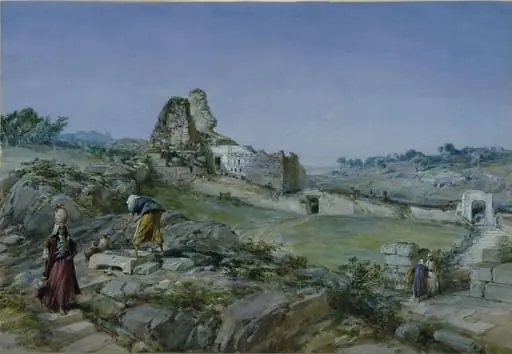
Greeks Working in the ruins of the Acropolis is a photography by the Romanticist artist Unknown. It dates from 1835 and is held in the collection of the Statens Museum for Kunst. Painted in 1835, this image depicts laborers engaged in routine tasks among the ancient stones of the Acropolis.
About this work
Overview
Painted in 1835, this image depicts laborers engaged in routine tasks among the ancient stones of the Acropolis. The artist, identified only as 1166_person, captures a subdued, unidealized moment of daily life in post-Ottoman Greece. The work is held in the collection of the Museum of Ethnography, where it serves as a record of cultural continuity amid historical decay.
Subject & Meaning
The scene portrays ordinary Greeks tending to the ruins—not as tourists or scholars, but as residents interacting with their inherited landscape.
The scene portrays ordinary Greeks tending to the ruins—not as tourists or scholars, but as residents interacting with their inherited landscape. Their presence suggests a quiet resilience, embedding contemporary life within the remnants of antiquity. The absence of grandeur or narrative drama shifts focus to endurance, not heroism, reflecting a shift in how national identity was visually conceived in the early 19th century.
Technique & Style
The artist employs soft, diffused lighting to emphasize the weathered textures of marble and the folds of traditional garments. Brushwork is restrained, avoiding theatricality. The background merges into a hazy horizon of mountains and water, blurring the boundary between past and present. This tonal harmony aligns with Romantic sensibilities, favoring mood over spectacle.
History & Provenance
Created shortly after Greek independence, the work emerged during a period of national redefinition. It entered the Museum of Ethnography’s collection early, likely acquired as documentation of folk life. Its attribution remains tied to the identifier 1166_person, with no further biographical details known, suggesting it may have been produced for institutional or ethnographic purposes rather than commercial exhibition.
Context
In the 1830s, Greece was rebuilding its cultural identity after centuries of Ottoman rule. While many artists romanticized ancient ruins as symbols of glory, this work instead shows them as lived spaces. The laborers’ ordinary attire and unremarkable activities reflect a growing interest in ethnographic realism, aligning with broader European trends in documenting vernacular life.
Legacy
The painting contributes to a quieter strand of 19th-century Greek visual culture—one that values observation over mythmaking. It remains a rare visual record of post-independence labor practices near heritage sites. Though not widely exhibited, it informs scholarly understanding of how communities reclaimed and inhabited ancient landscapes in the wake of political change.
Artist & collection

 Domestic Scene
 Giacomo and Cardinal Marco, investing Andrea, Abbot of San Zeno, with his Benefice
 The Nymph of Fontainebleau
 Portrait of a Woman
 Madonna and Child with Saints in the Enclosed Garden
 Venus and Minerva
 Family Group of Four on Sofa
 Wall painting from Room H of the Villa of P. Fannius Synistor at Boscoreale